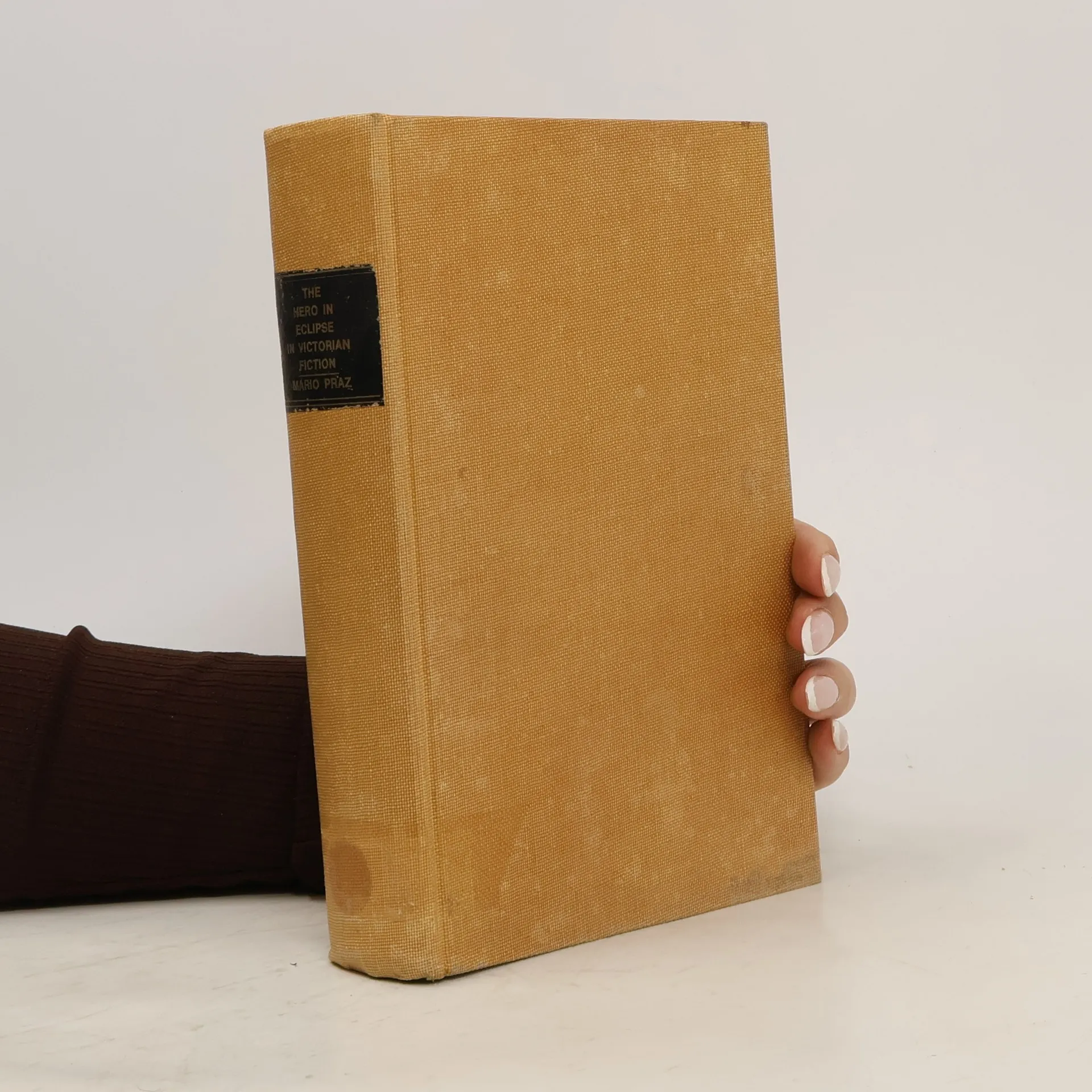
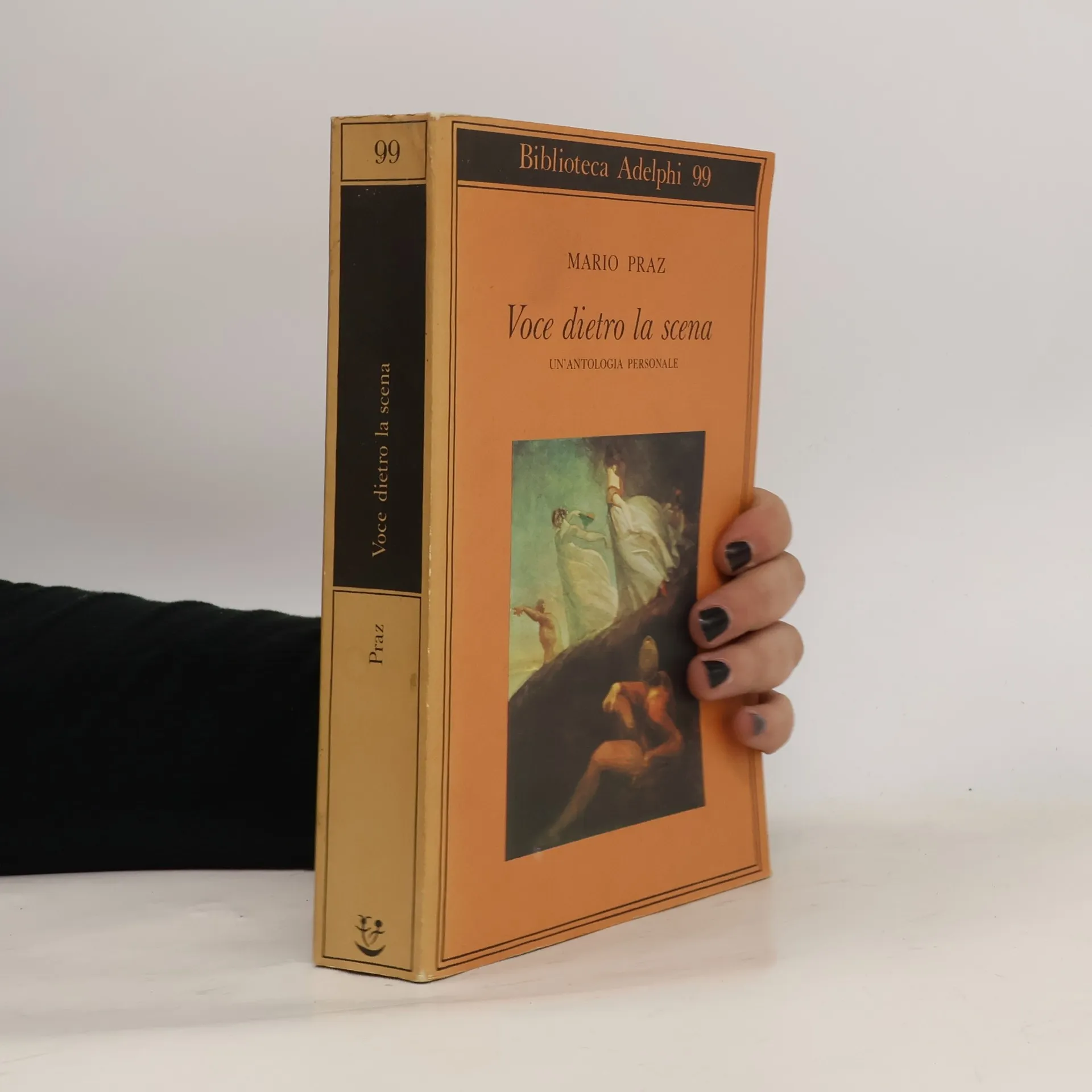
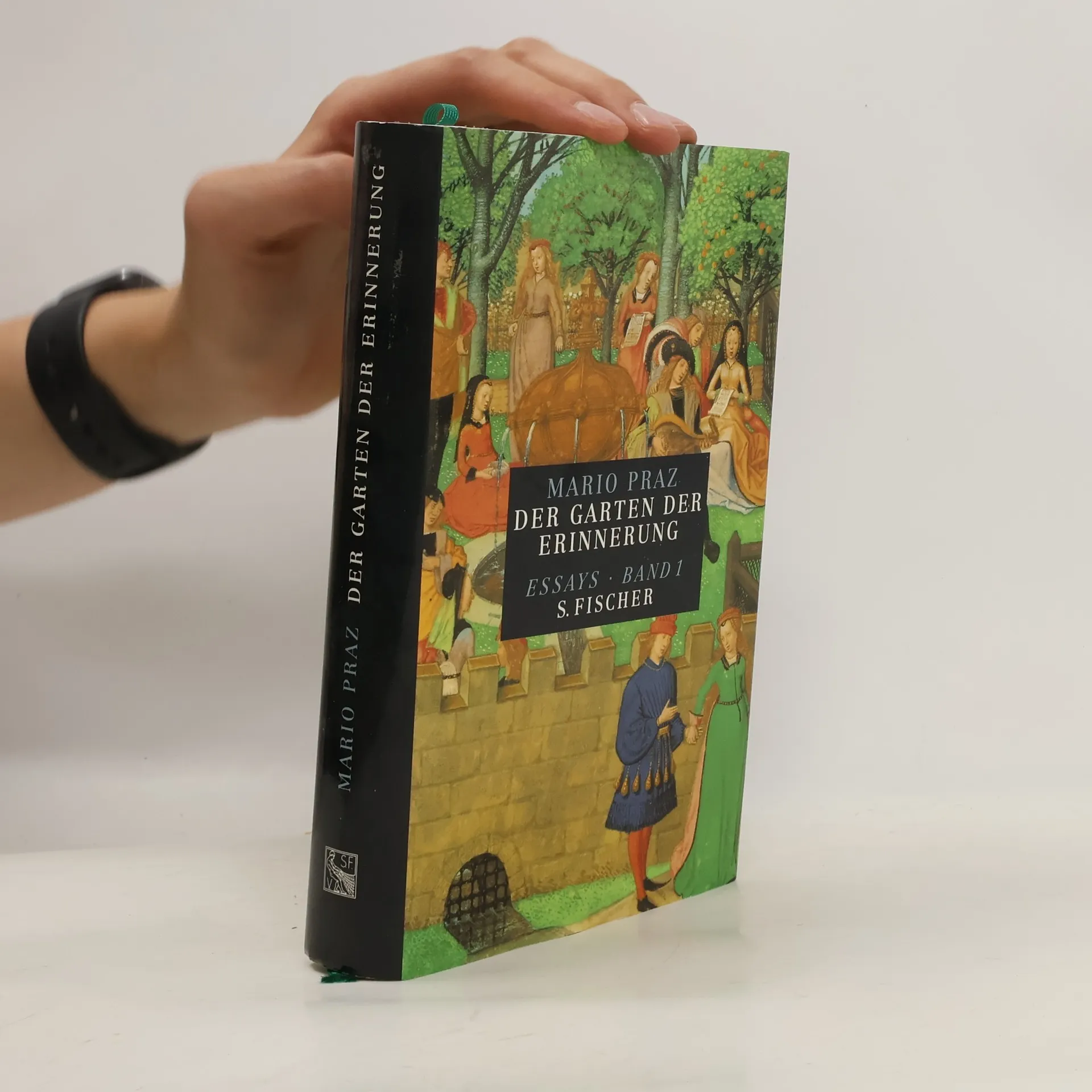
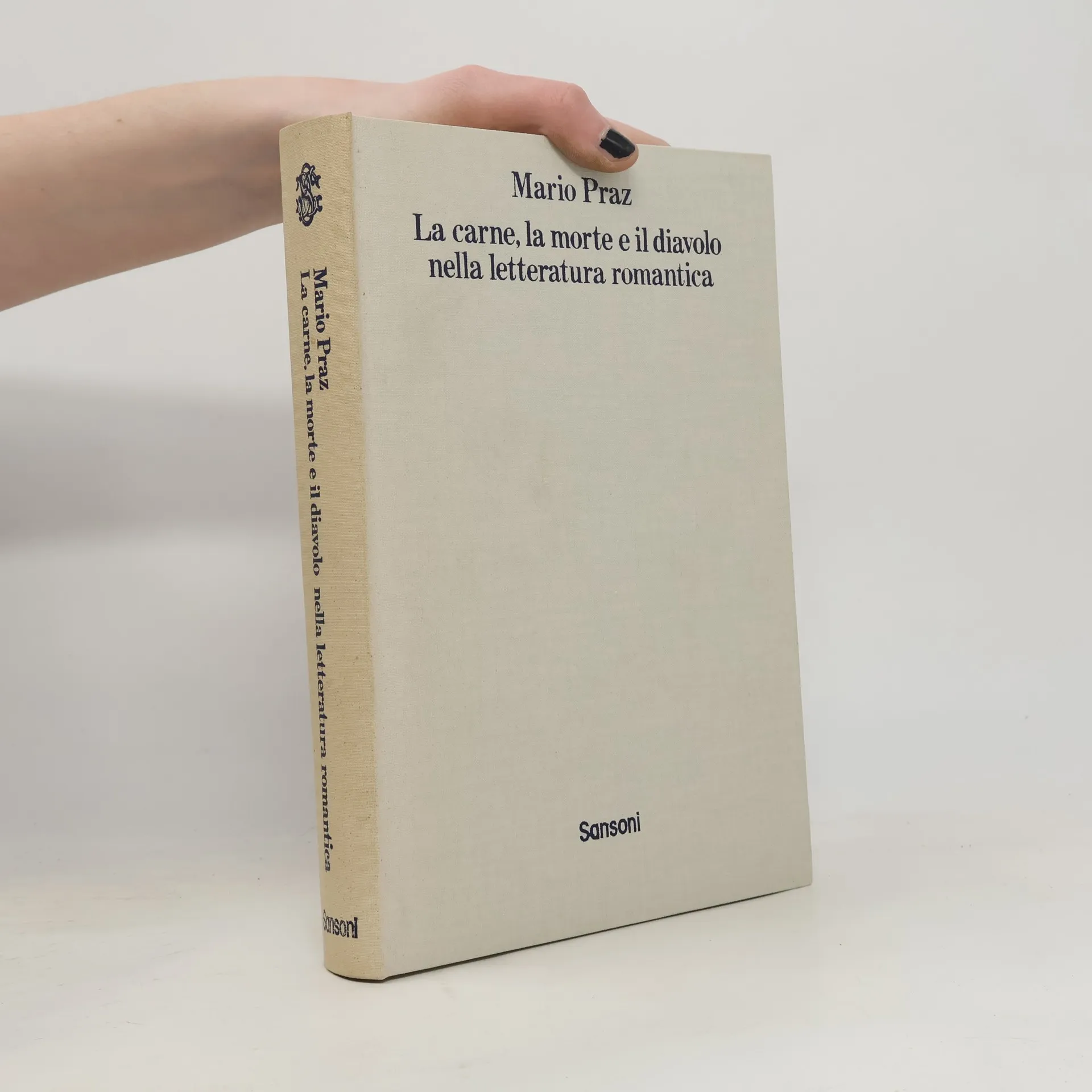
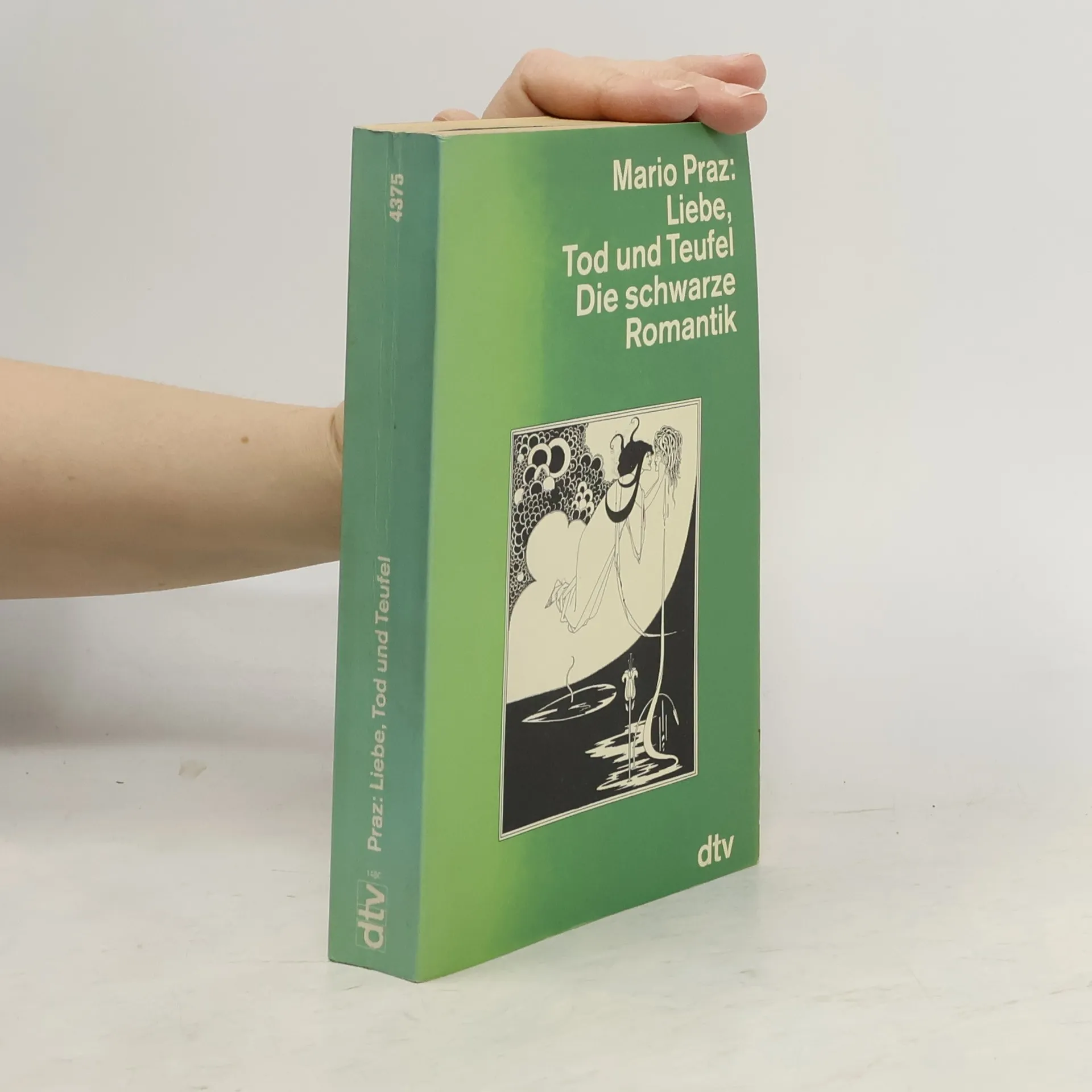
En plus de bouleverser les traditionnels concepts de classicisme vs. romantisme, cet ouvrage important de 1930, enfin accessible en français, réintègre, comme le suppose son titre, tout un ensemble de textes touchant le fantastique et les thèmes maudits (sadisme, satanisme, érotisme) que la fin du siècle exaltera avec Baudelaire, Lautréamont et, pour reprendre deux exemples en annexes: Swinburne et d'Annunzio. [SDM].
Mario Praz Livres
6 septembre 1896 – 23 mars 1982
Mario Praz fut un critique éminent dont l'œuvre a exploré les fascinations esthétiques et morbides de la littérature européenne, particulièrement à l'époque romantique. Son étude fondamentale a minutieusement examiné les thèmes entrelacés de l'érotisme et de la mort qui imprégnaient les œuvres des auteurs de la fin du XVIIIe et du XIXe siècle. L'approche de Praz se caractérisait par un engagement profond envers les styles artistiques et les courants psychologiques de ses sujets, offrant aux lecteurs une exploration captivante des aspects plus sombres de l'art et de la littérature. Son héritage englobe non seulement l'analyse littéraire, mais aussi des perspectives sur l'histoire de l'art et de la décoration intérieure.


Le Monde que j'ai vu
- 446pages
- 16 heures de lecture
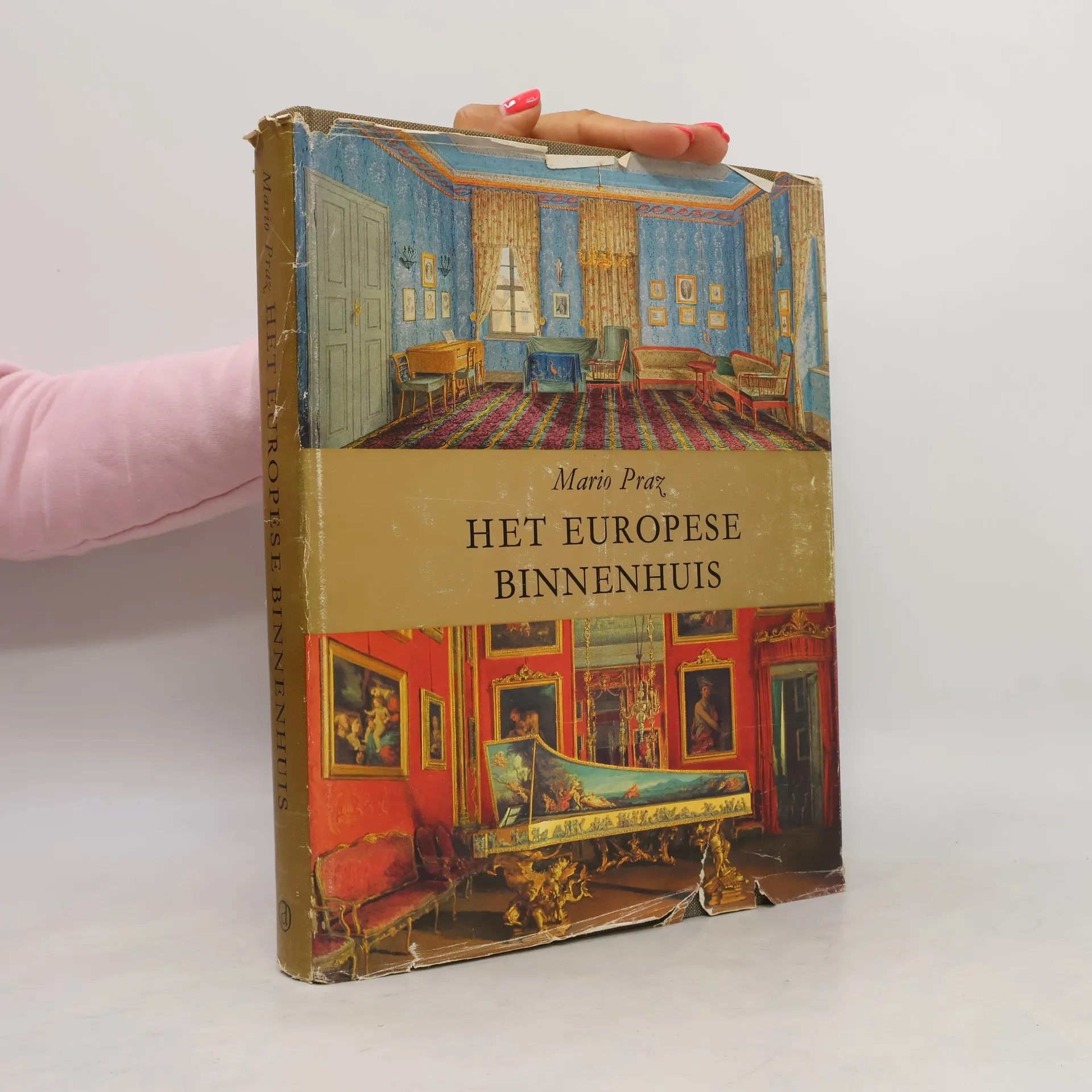
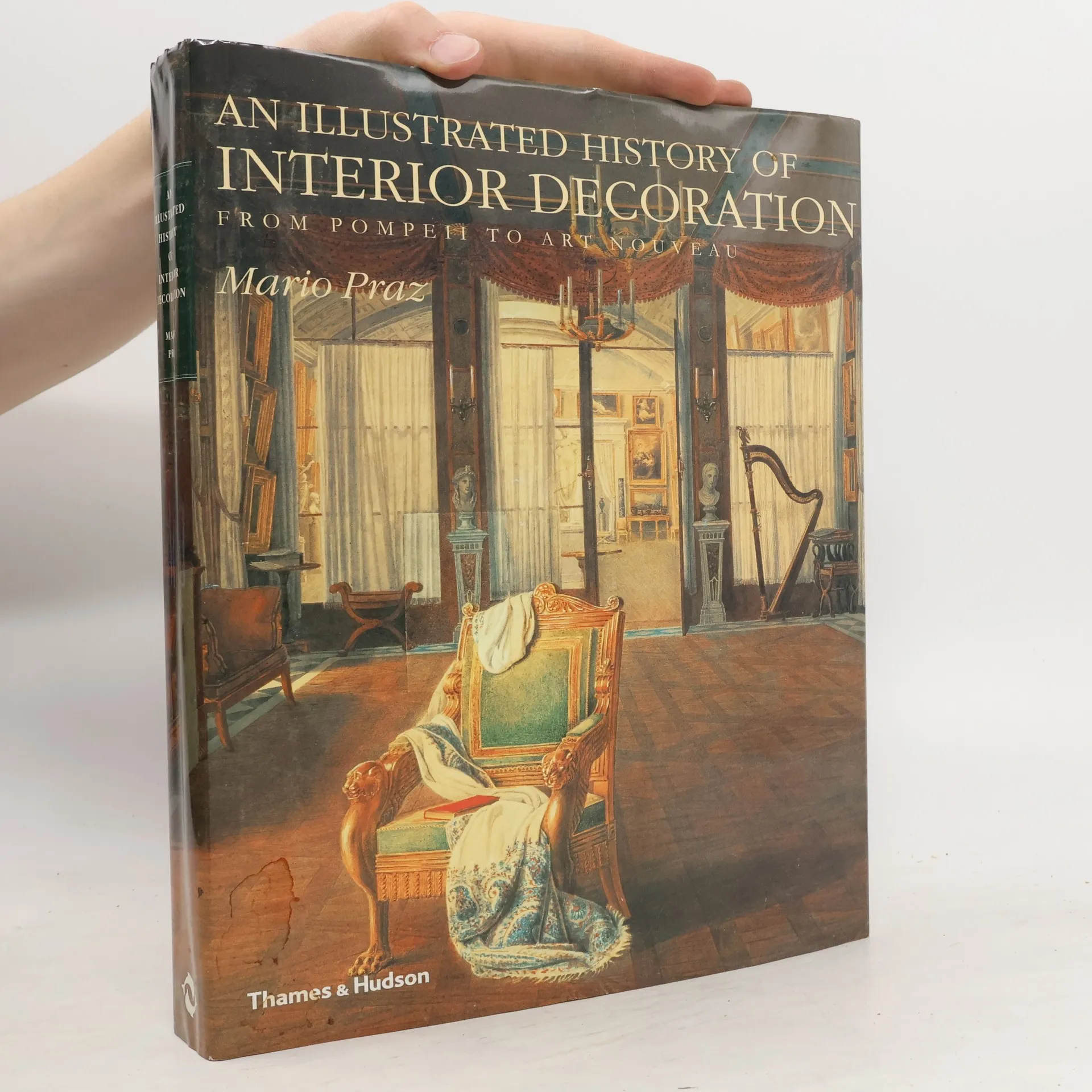
An Illustrated History of Interior Decoration from Pompeii to Art Nouveau
- 396pages
- 14 heures de lecture
Paintings, watercolors, and sketches show the interiors of Greek and Roman, medieval, Renaissance, and Victorian homes in England and Europe
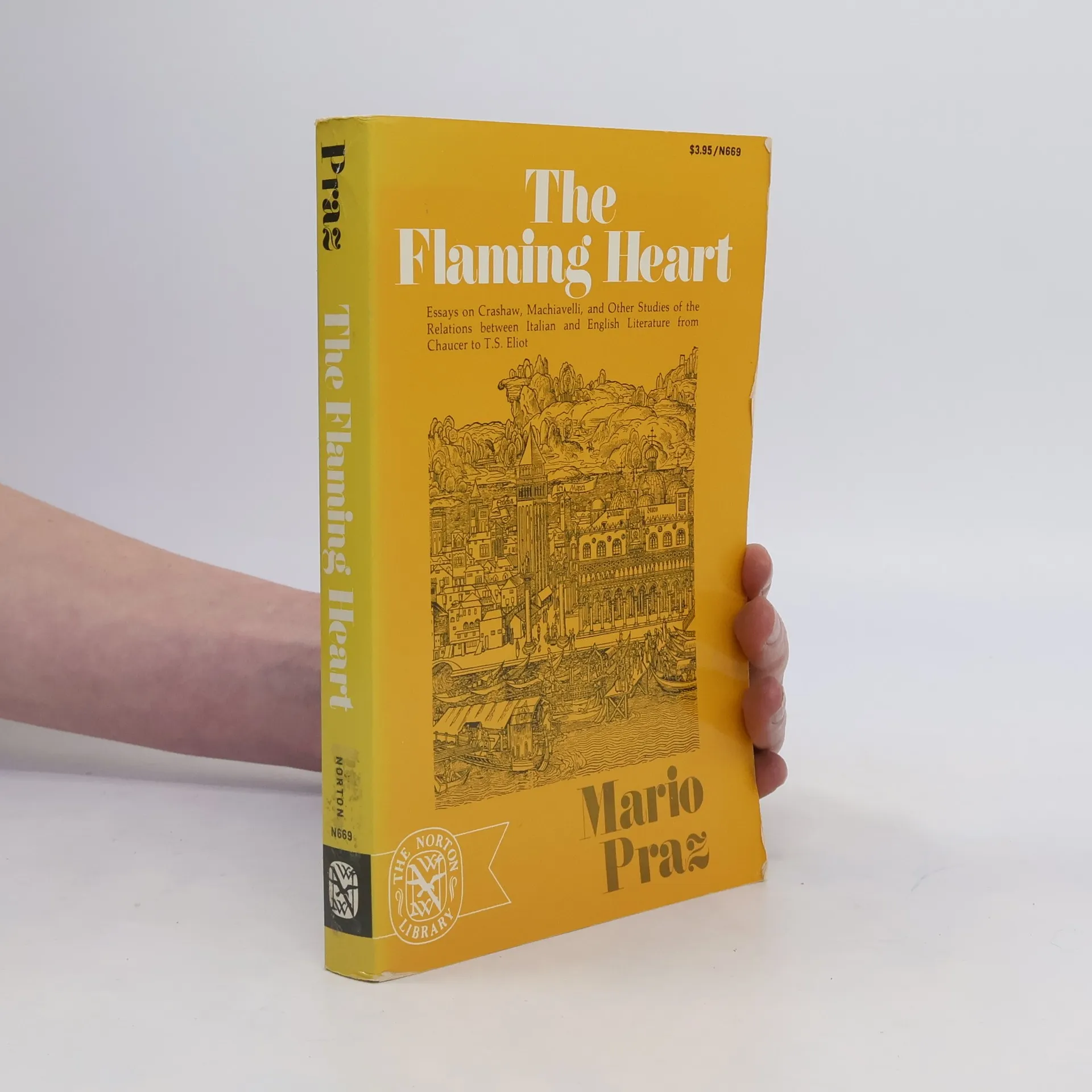
The Flaming Heart
Essays on Crashaw, Machiavelli, and Other Studies in the Relations Between Italian and English Literature from Chaucer to T. S. Eliot
- 390pages
- 14 heures de lecture
From the time of Chaucer to the present we follow the sense of Italy and Italian thought and imagination which has directed and enlivened the works of major English writers—Chaucer, Spenser, Shakespeare, Jonson, the Elizabethan dramatists, Donne, Crashaw, and the Brownings among them.
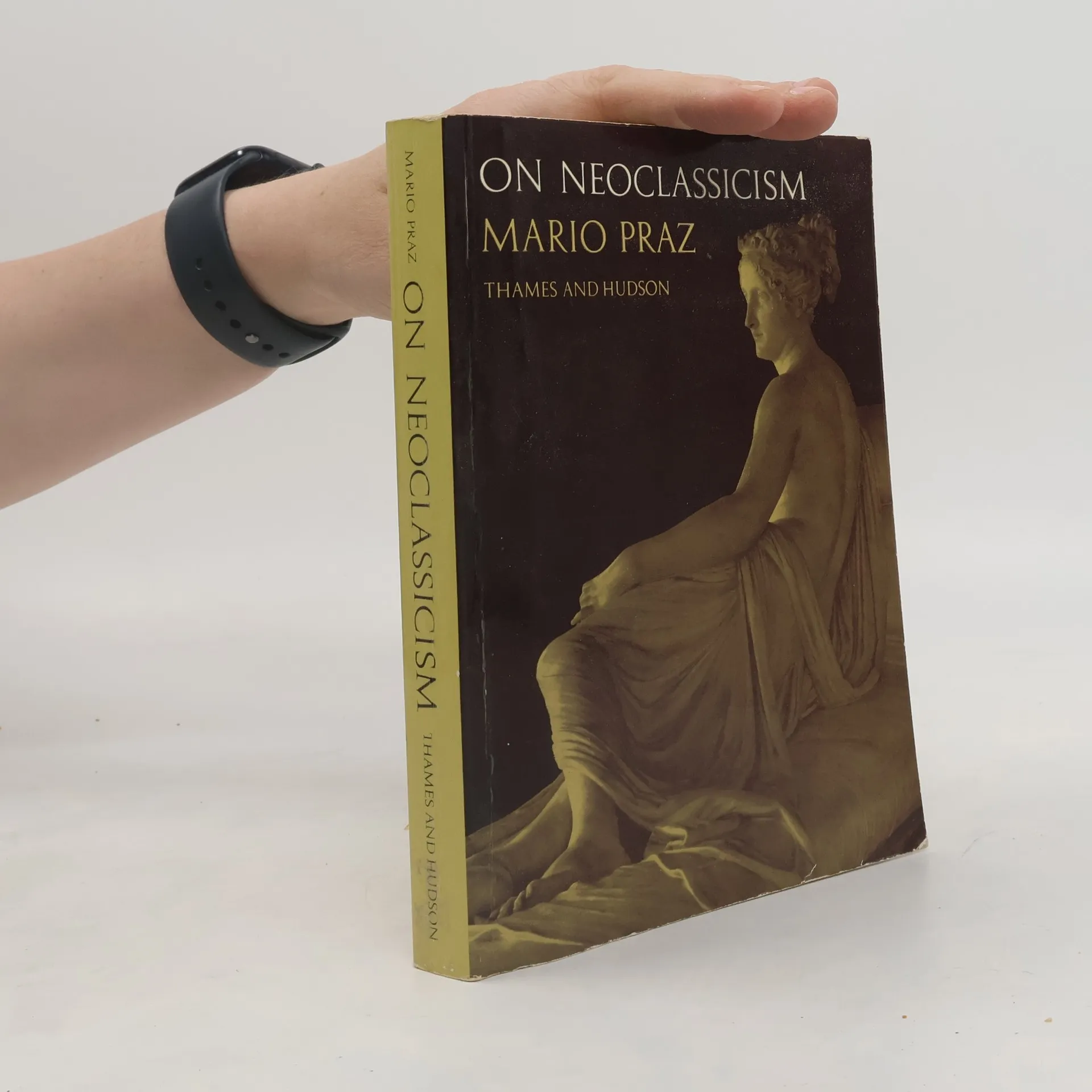
On Neoclassicism
- 349pages
- 13 heures de lecture
English (translation)Original Italian
The classic study of the timeless relationship between literature and the visual arts In his search for a common link between literature and the visual arts, Mario Praz draws on the abundant evidence of mutual understanding and correspondence they have long shared. Praz explains that within literature, each epoch has “its peculiar handwriting or handwritings, which, if one could interpret them, would reveal a character, even a physical appearance,” and while these characteristics belong to the general style of a given period, the personality of the writer does not fail to pierce through. Praz contends that something similar occurs in art. He shows how the likeness between the arts within various periods of history can ultimately be traced to structural similarities that arise out of the characteristic way in which the people of a certain epoch see and memorize facts aesthetically. Mnemosyne, at once the goddess of memory and the mother of the muses, presides over this view of the arts. In illustrating her influence, Praz ranges widely through Western sources, providing an incomparable tour of the literary and pictorial arts.
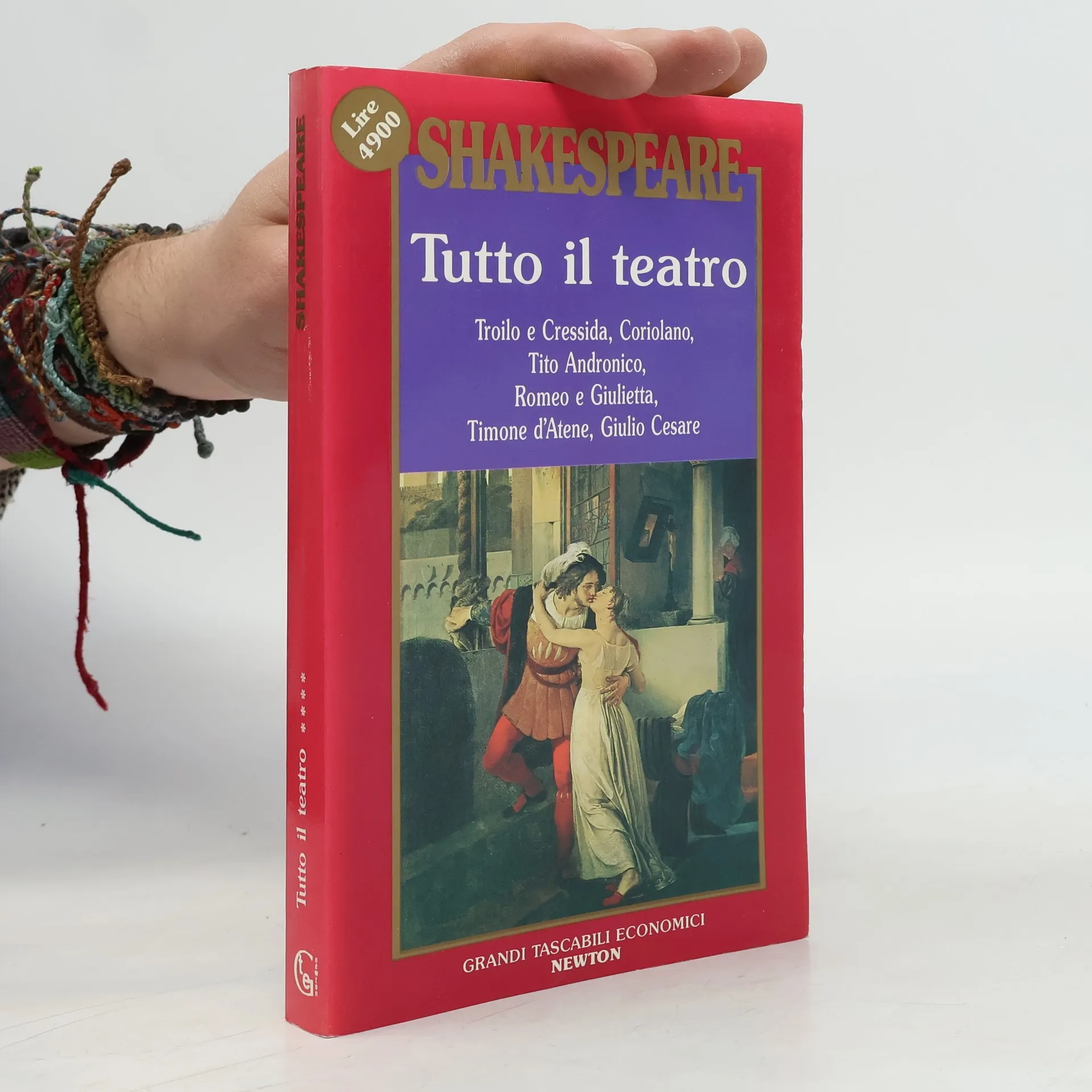
Tutto il teatro
Troli e Cressida, Coriolano, Tito Andronico, Romeo e Giulietta, Timone d'Atene, Giulio Cesare
- 391pages
- 14 heures de lecture
"Non appartenne a un'epoca, ma a tutti i tempi", disse di Shakespeare Ben Jonson. William Shakespeare è considerato infatti da sempre il più grande autore teatrale mai esistito. La straordinaria energia creativa e la vastità della sua produzione suscitarono nei romantici l'immagine di una "forza immane della natura", di un "genio universale". Oggi, dopo oltre quattro secoli dalla nascita, Shakespeare non cessa di stupirci per la complessità, la bellezza, la varietà e la "modernità" dei personaggi e delle trame.
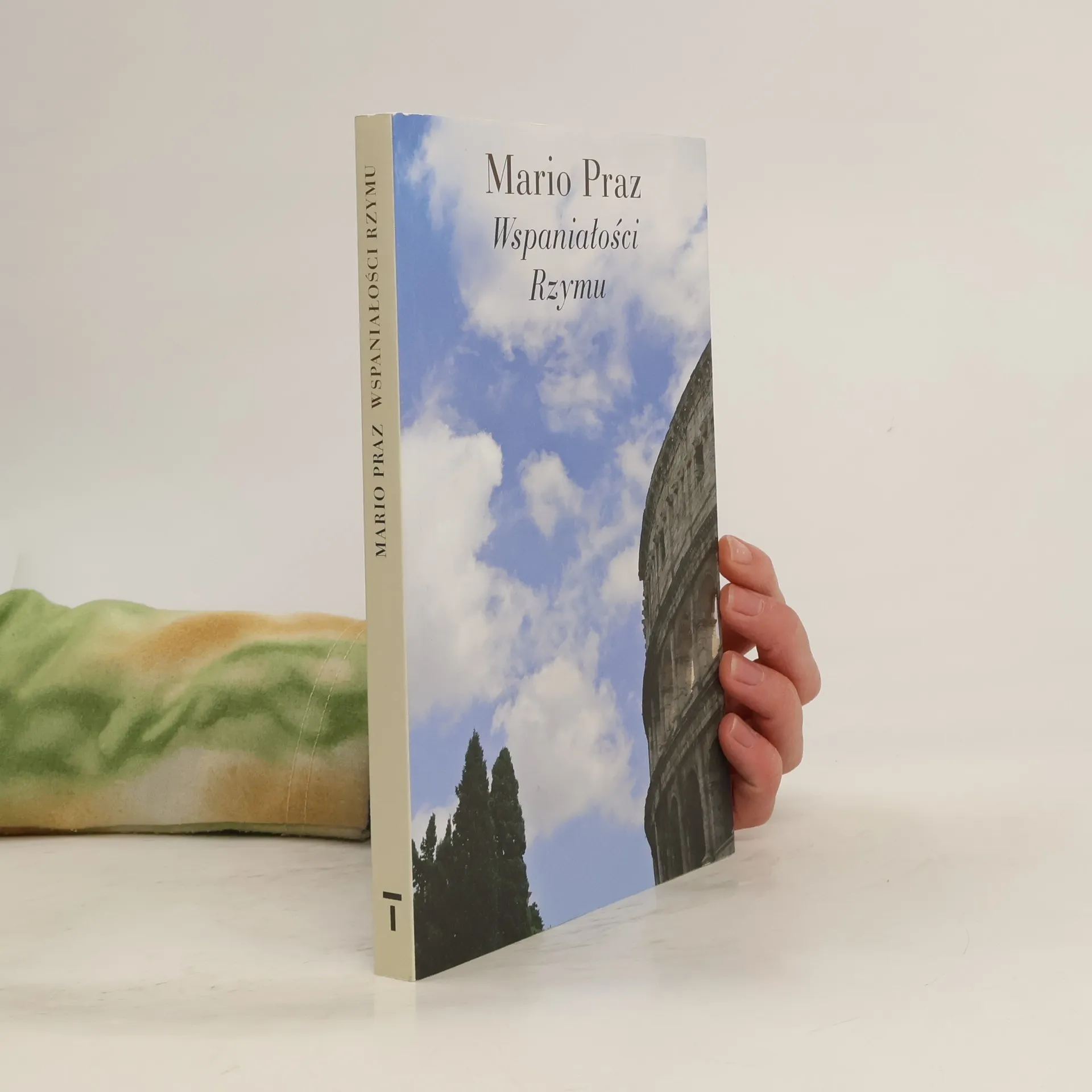
Wspaniałości Rzymu
- 160pages
- 6 heures de lecture
Pod bezlitosnym rzymskim słońcem, dla kogoś, kto potrafi je dostrzec, kamienie żyją z taką intensywnością, że zakrawa to na halucynację.Za sprawą Carceri Piranesi staje się jedynym Włochem spoglądającym w otchłań chaosu – owego chaosu, który w coraz większym stopniu będzie wyróżnikiem świata nowoczesnego. Carceri, podobnie jak Capricci, gdzie przedmioty, tabliczki, tarcze, kartusze, muszle, kapitele, hermy, tambury kolumn, palmy, sfinksy, czaszki leżą pomieszane niczym resztki zatopionej cywilizacji na dnie morza; przypadkowe warstwy zaginionego świata.Mario PrazLe Magnificenze di Roma – Wspaniałości Rzymu to Rzym okiem Mario Praza (1896–1982), wielkiej postaci kultury włoskiej XX wieku, eseisty, krytyka i pisarza, profesora literatury angielskiej rzymskiego uniwersytetu La Sapienza, autora klasycznej książki La carne, la morte e il diavolo nella letteratura romantica (Rzym 1930; wyd. angielskie: The Romantic Agony, Oxford University Press 1933; wyd. polskie: Zmysły, śmierć i diabeł w literaturze romantycznej, PIW 1974, kolejne wydanie: słowo/obraz terytoria 2010), protagonisty późnego filmu Luchino Viscontiego Portret rodzinny we wnętrzu.
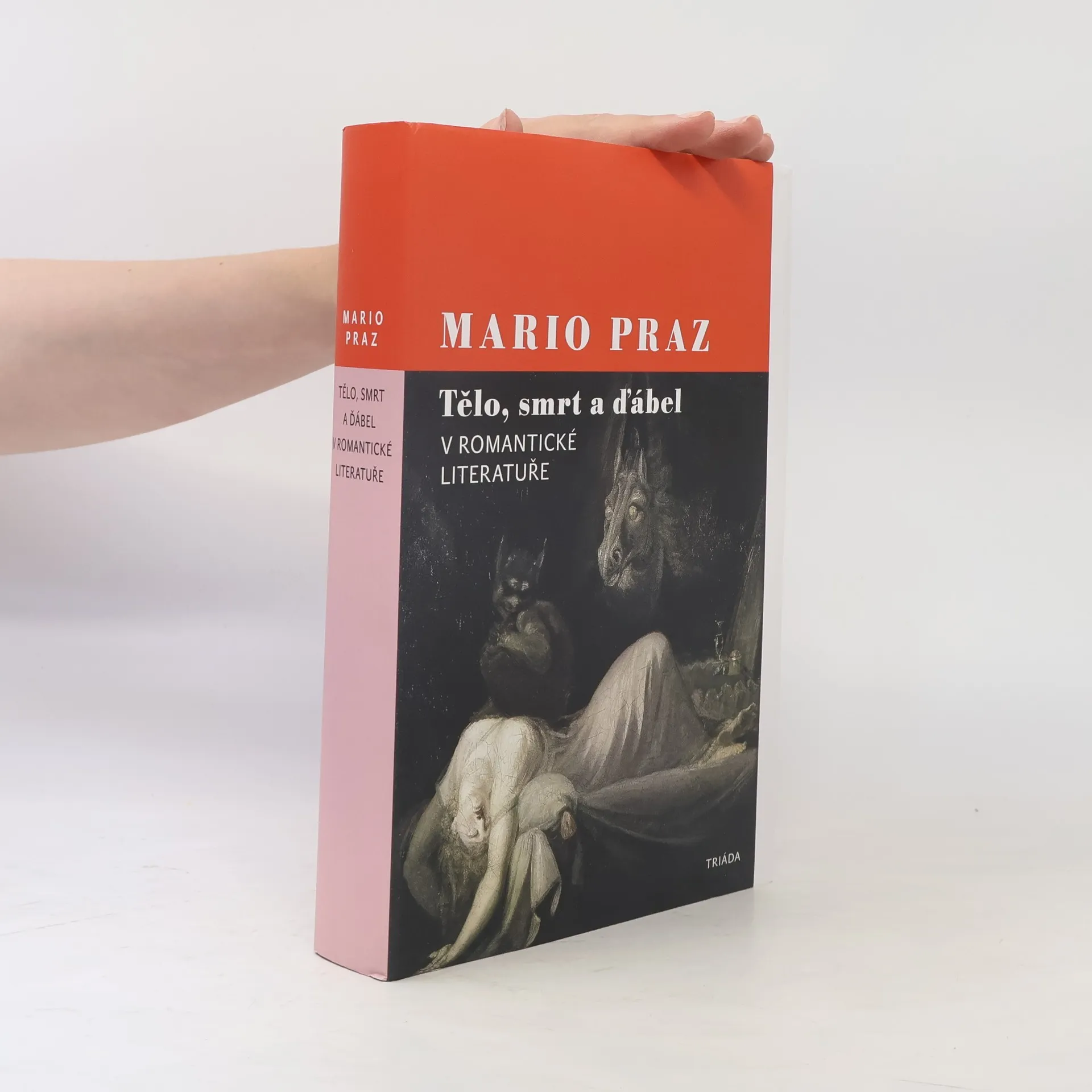
Tělo, smrt a ďábel v romantické literatuře
- 656pages
- 23 heures de lecture
Kniha vychází z přesvědčení, že literatura 19. století představuje organický celek, jehož jednotu zavedené formule romantismus, verismus, dekadence zastírají či fragmentarizují. Charakteristickým momentem této jednoty je orientace romantické a postromantické „imagery“ na téma pohlaví. Praz analyzuje tento fenomén v řadě pronikavých kapitol. První kapitola je věnována „kráse Medúzy“, tj. kráse, jež budí děs či smutek – motivu, jejž můžeme nalézt v dlouhé řadě textů od Goetha a Shelleyho po Baudelaira a D’Annunzia. Druhá kapitola je věnována metamorfózám „Satana“, prastarého symbolu (Tasso, Marino, Milton, Blake atd.), jenž znovu ožívá jakožto symbol transgrese v romantických figurách psanců, „osudových mužů“ či ve fenoménu vampyrismu. Sadistické tendence jsou zkoumány v kapitolách Ve znamení Božského Markýze, „La belle dame sans merci“ a „Byzanc“. Korpus soustavných a drobnohledných analýz uzavírá kapitola věnovaná D’Annunziovi a jeho „smyslné lásce ke slovu“. Prazova kniha patří k dnes již klasickým velkým syntézám typu Curtiovy Evropské literatury a latinského středověku, Frazerovy Zlaté ratolesti či Burckhardtovy Renesanční kultury v Itálii.
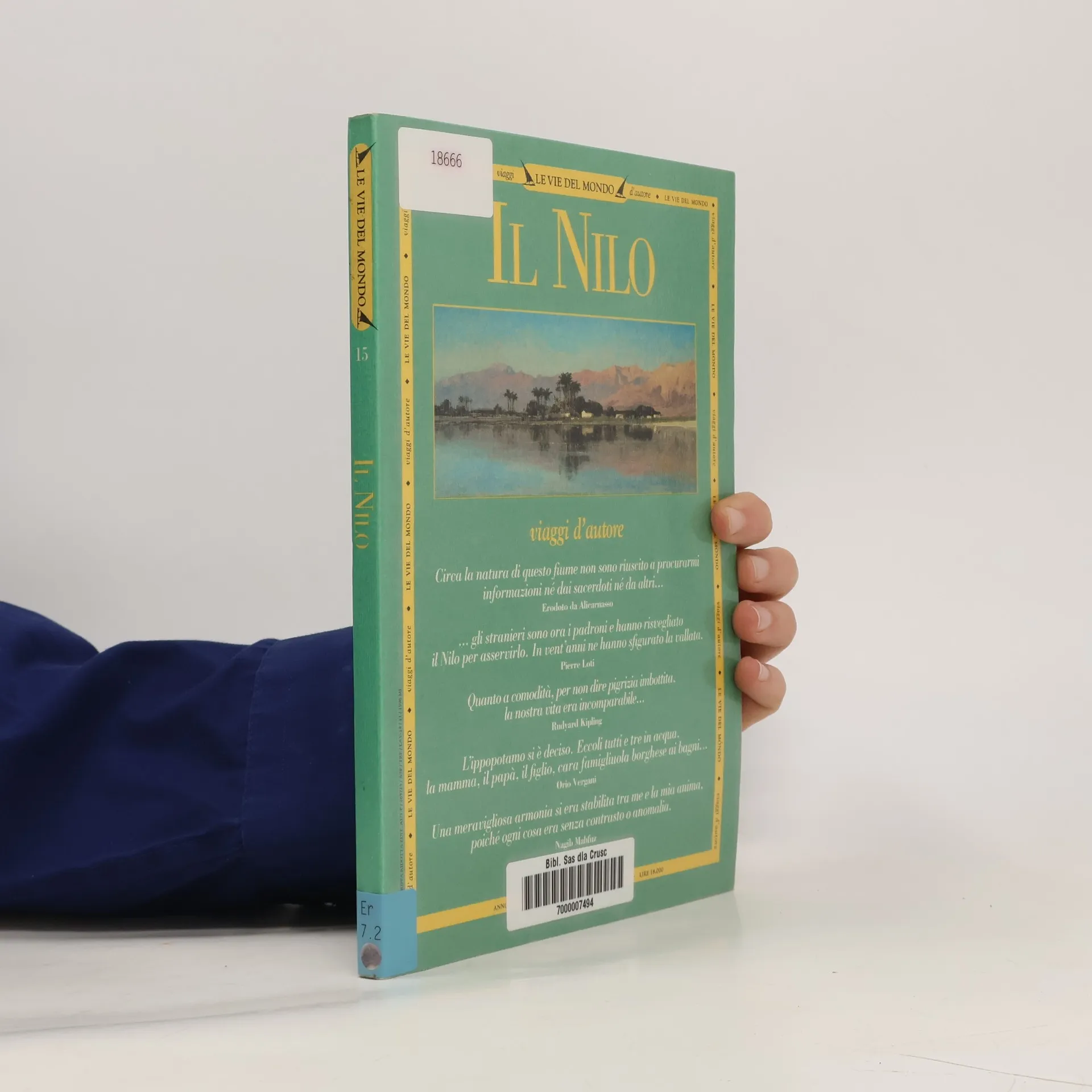
Il Nilo
- 164pages
- 6 heures de lecture
Shakespeare Our Contemporary
- 372pages
- 14 heures de lecture
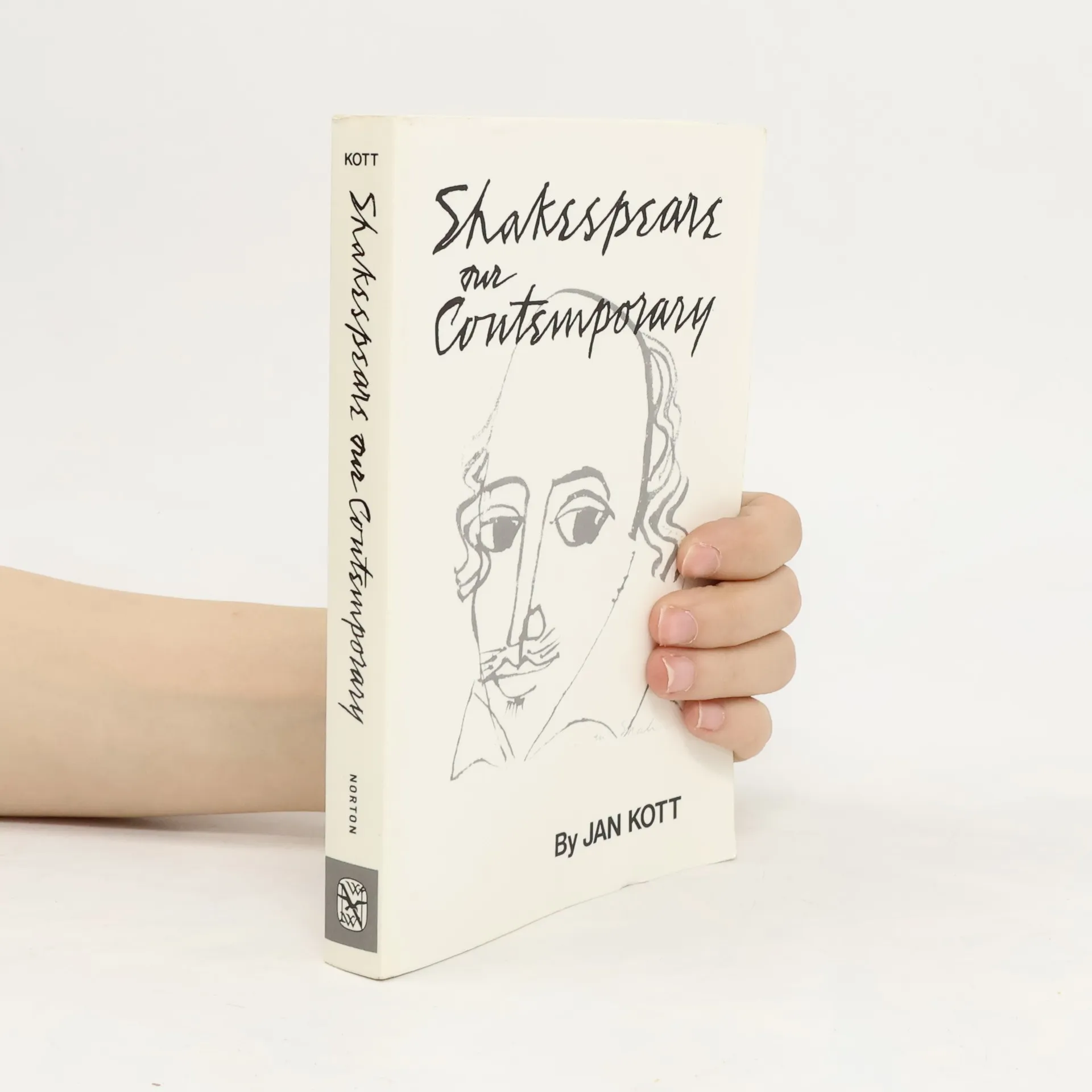
This book is a provocative, original study of the major plays of Shakespeare; more than that, however, it is one of the few critical works to have strongly influenced theatrical productions. Peter Brook and Charles Marowitz are among the many directors who have acknowledged their debt to Jan Kott, finding in his analogies between Shakespearean situations and those in modern life and drama the seeds of vital new stage-conceptions. Readers all over the world― Shakespeare Our Contemporary has been translated into nineteen languages since it appeared in 1961―have similarly found their responses to Shakespeare broadened and enriched. Mary McCarthy called the work "the best, the most alive, radical book about Shakespeare in at least a generation."
Ivanhoé
- 96pages
- 4 heures de lecture
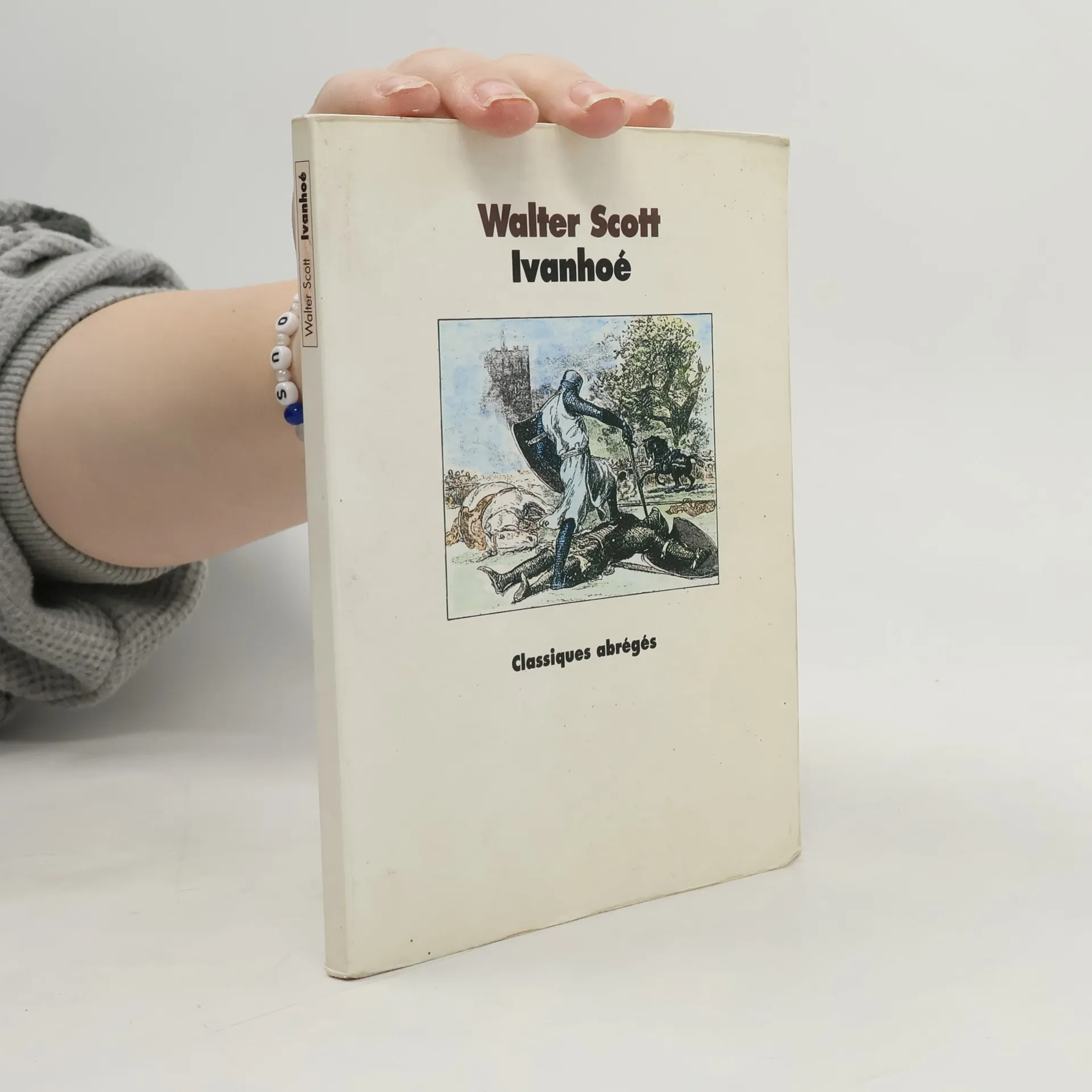
Depuis le romantisme, nos ancêtres sont certainement moins les Gaulois que les chevaliers du Moyen Age. Nous avons découvert auprès de ceux-ci, un sens de l'indépendance, du risque, de l'aventure, mais aussi du respect de l'Autre, qui constituent une sorte d'île dans le temps où chacun - dès l'âge de 10 ans - aimerait aborder. Mais à ce lieu, on n'aborde qu'en lisant, et c'est une évidence qui peut donner le goût de la lecture, comme de l'histoire. Il faut alors en passer par l'inventeur de notre Moyen Age, Walter Scott, et par son roman modèle, Ivanhoé. Il y traite l'histoire en " antiquaire ", c'est-à-dire en insérant dans une action passionnante, des faits, des objets, des personnages vrais. Ainsi, l'aventure reste entière, les détails sont justes et la fiction est le meilleur moyen de remonter le temps. Bernard Noël
Biblioteca economica Newton - 67: Ritratto dell'artista da giovane
Edizione integrale
- 224pages
- 8 heures de lecture
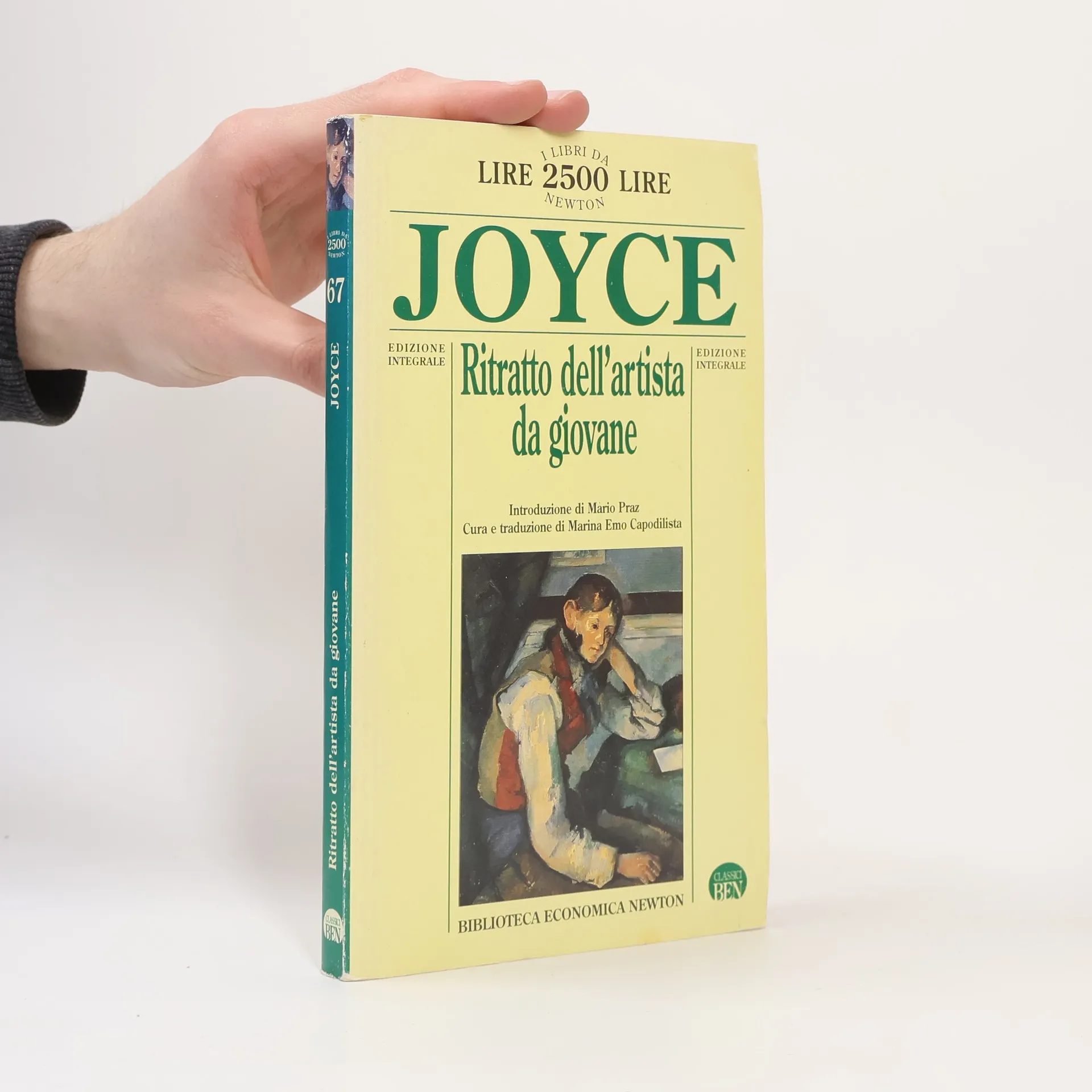
Il Ritratto dell’artista da giovane è la storia di una mente creativa: un’educazione intellettuale, insomma, piuttosto che sentimentale. Attingendo ampiamente alla propria biografia, Joyce racconta, in uno stile mirabile per inventiva e fantasia, la formazione della personalità del giovane protagonista Stephen Dedalus, il suo alter ego, dall’infanzia nel collegio gesuita alla scoperta della vocazione per l’Arte. Sembra proprio che parli Joyce per bocca di Dedalus, quando dice: «Tenterò di esprimere me stesso in qualche modo di vita o di arte, quanto più potrò liberamente e integralmente, adoperando per difendermi le sole armi che mi concedo di usare: il silenzio, l’esilio e l’astuzia ». Un capolavoro della letteratura, dall’autore dell’Ulisse.
Eine Sammlung von Essays, herausgegeben und mit Anmerkungen versehen von Max Looser, umfasst 412 Seiten.
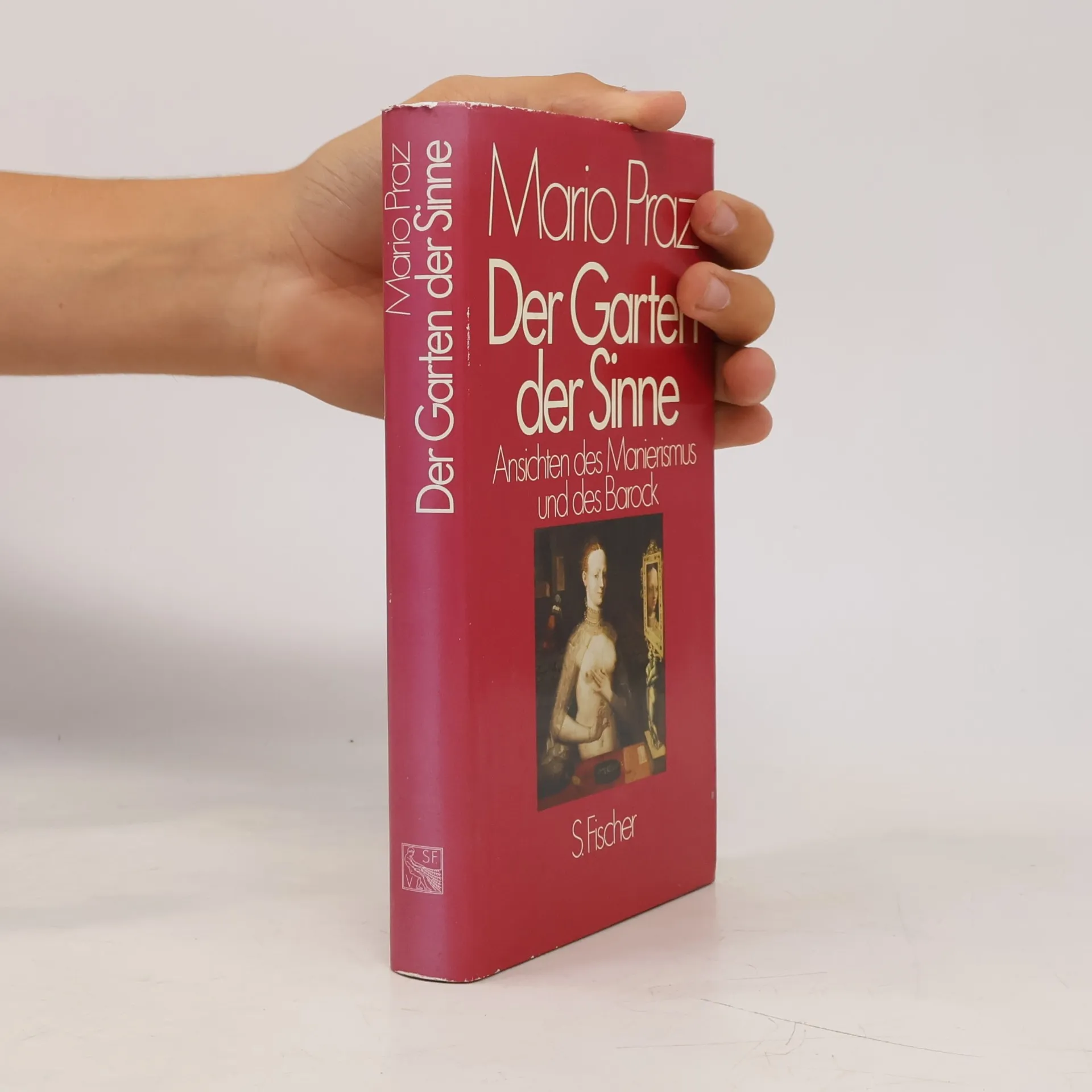
Der Garten der Sinne
- 270pages
- 10 heures de lecture
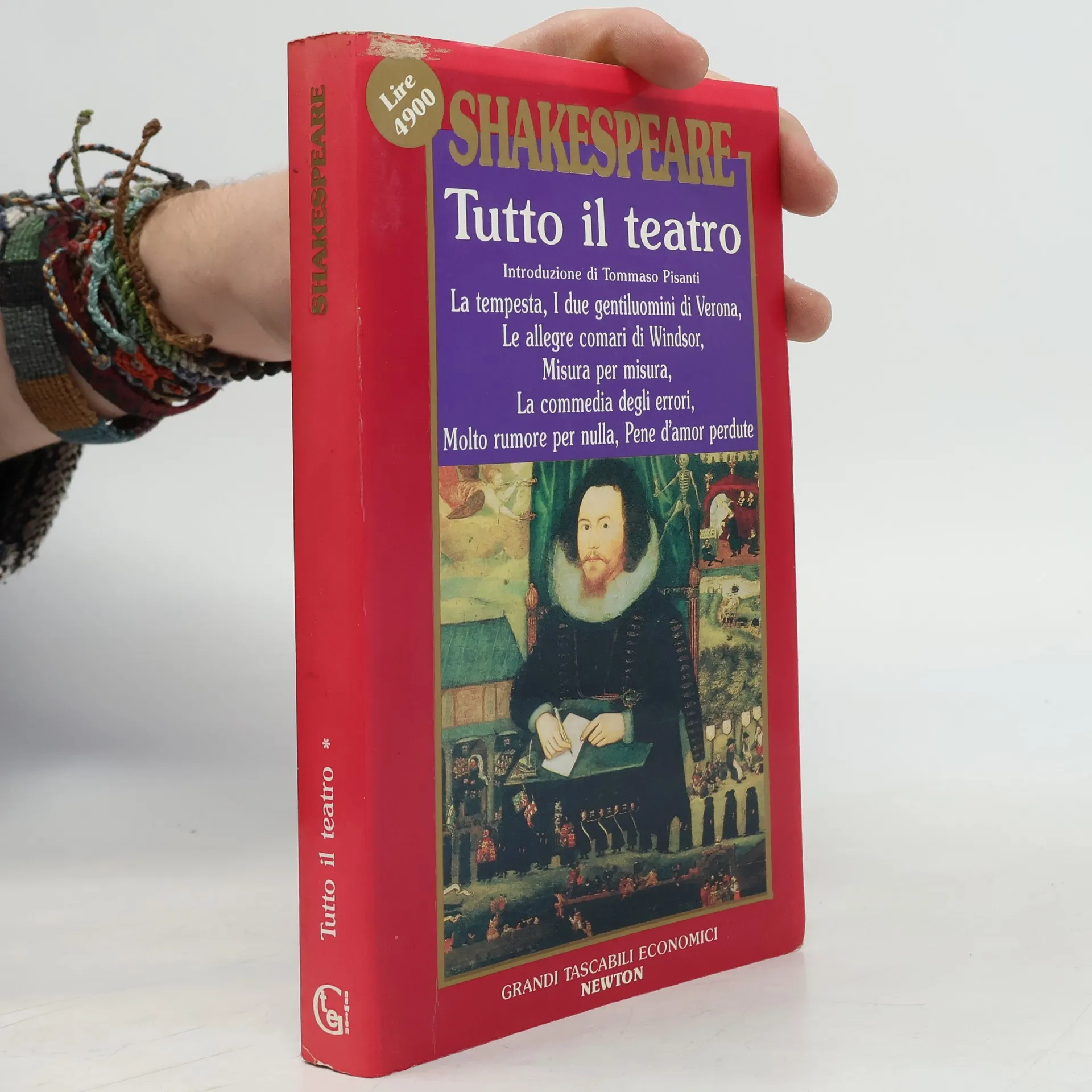
Grandi Tascabili Economici - 1: Tutto il teatro
La tempesta, I due gentiluomini di Verona, Le allegre comari di Windsor, Misura per misura, La commedia degli errori, Molto rumore per nulla, Pene d'amor perdute
- 434pages
- 16 heures de lecture
Il primo volume contiene: "La tempesta", "I gentiluomini di Verona", "Le allegre comari di Windsor", "Misura per misura", "La commedia degli errori", "Molto rumore per nulla", "Pene d'amor perdute", "Sogno di una notte di mezza estate", "Il mercante di Venezia", "Come vi piace", "La bisbetica domata", "Tutto è bene quel che finisce bene", "La dodicesima notte", "Il racconto d'inverno", "Enrico IV", "Enrico V", "Enrico VI".
TEA Arte - 4: La filosofia dell'arredamento
- 398pages
- 14 heures de lecture
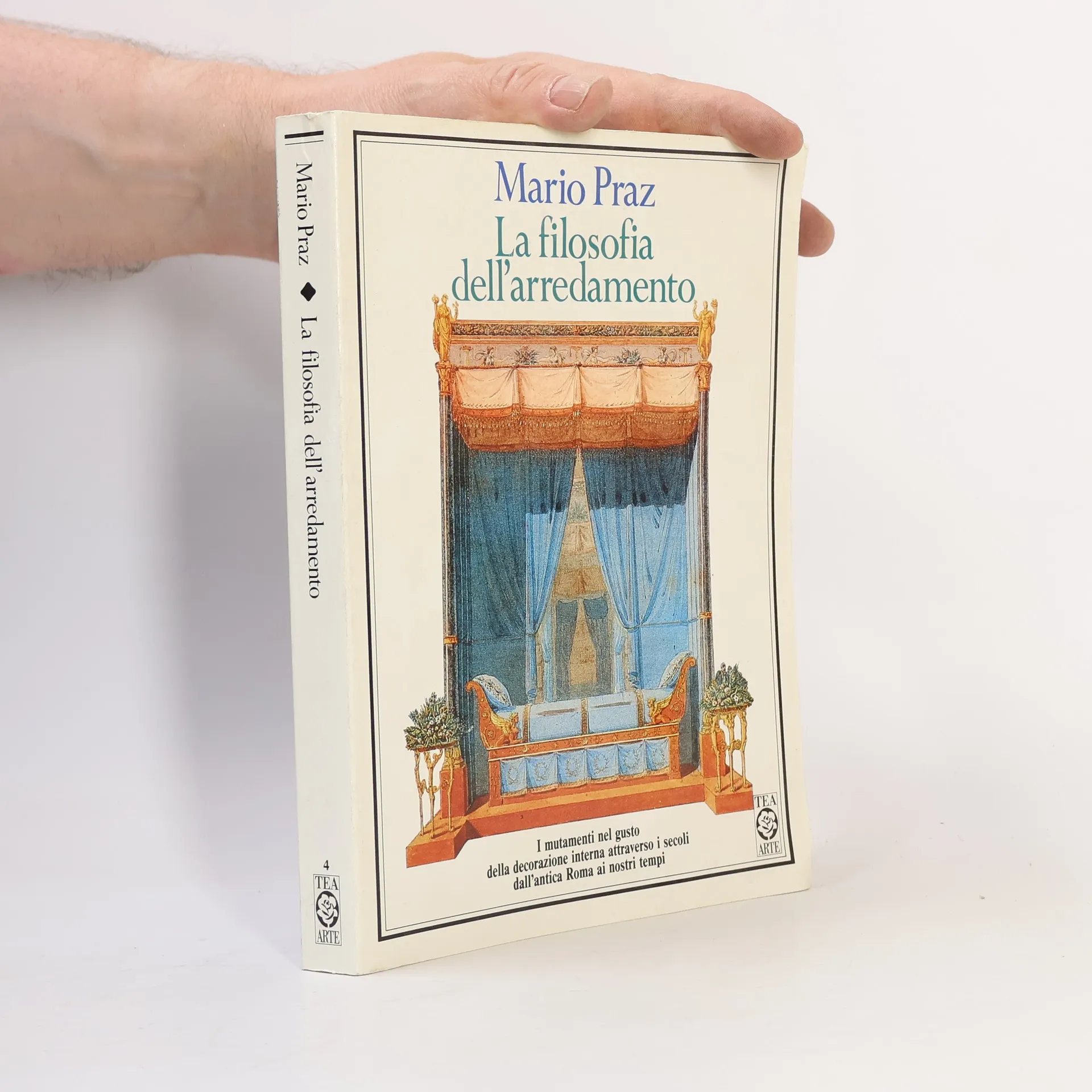
Quando, nel 1964, Mario Praz pubblica questa storia dell’arredamento dall’antica Roma ai giorni nostri, erano già apparse diverse opere del genere – ricostruzioni corredate da un’ampia documentazione fotografica e notizie sul contesto storico e sociale dei vari stili di decorazione interna –, ma nessuna era riuscita veramente a entrare nelle case del passato, a restituire lo spirito di quegli ambienti e la vita che pulsava dentro di essi. Dall’invenzione della meridiana ai drappeggi delle tende, dal gusto per il i>capitonné e per la tappezzeria alla disposizione delle fonti di luce, dalla moda del cinz a quella delle cineserie: un immenso repertorio di dettagli, particolari nascosti ed eventi apparentemente marginali di cui Praz ricostruisce il percorso e l’evoluzione per lasciar assaporare al lettore la sostanza e il colore delle varie epoche con maggior efficacia di qualunque trattazione accademica.Opera di uno scrittore d’eccezione – nonché ricercatore filologico, storico della letteratura e dell’arte e appassionato collezionista –, La filosofia dell’arredamento resta tuttora un classico fondamentale, un’opera imprescindibile per quanto riguarda la storia dei mutamenti del gusto nella decorazione d’interni.