
Bookbot

Julius Caesar

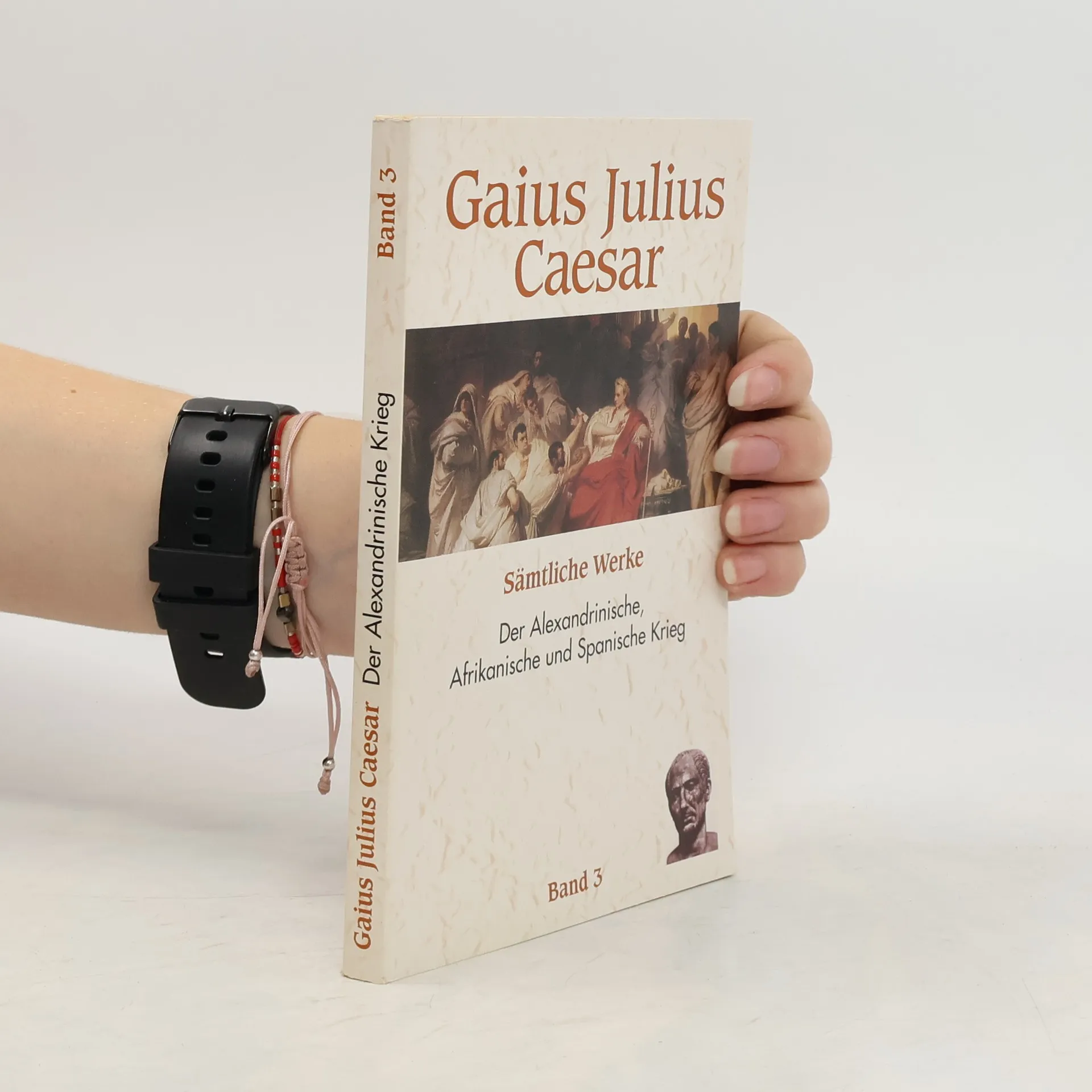
    Gaius Julius Caesar fut un général et homme d'État romain éminent, également réputé comme maître de la prose latine. Ses commentaires de guerre conservés offrent de précieuses perspectives littéraires sur ses campagnes militaires. Des récits contemporains, y compris ceux de Cicéron, ont loué son exceptionnelle habileté rhétorique et son élégant style de prose. Les réalisations littéraires de César ont solidifié sa réputation comme l'un des principaux auteurs latins de son époque.
    Julius Caesar
    The Satanic Bible 2012
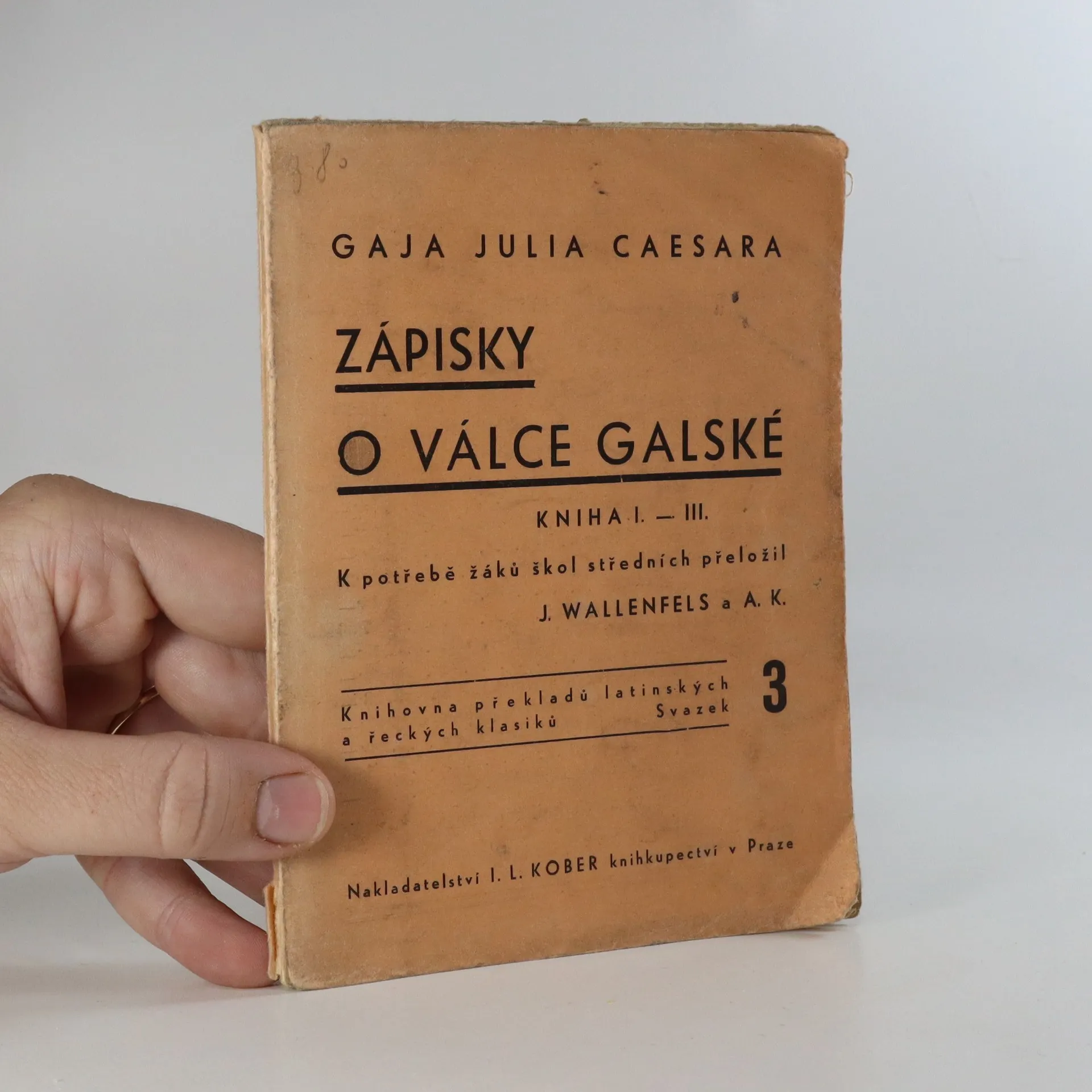
    The Gallic War: Historical Account of Julius Caesar's Military Campaign in Celtic Gaul
    The Gallic War & The Civil War: Historical Account of Caesar's Military Campaign in Gaul & The Roman Civil War
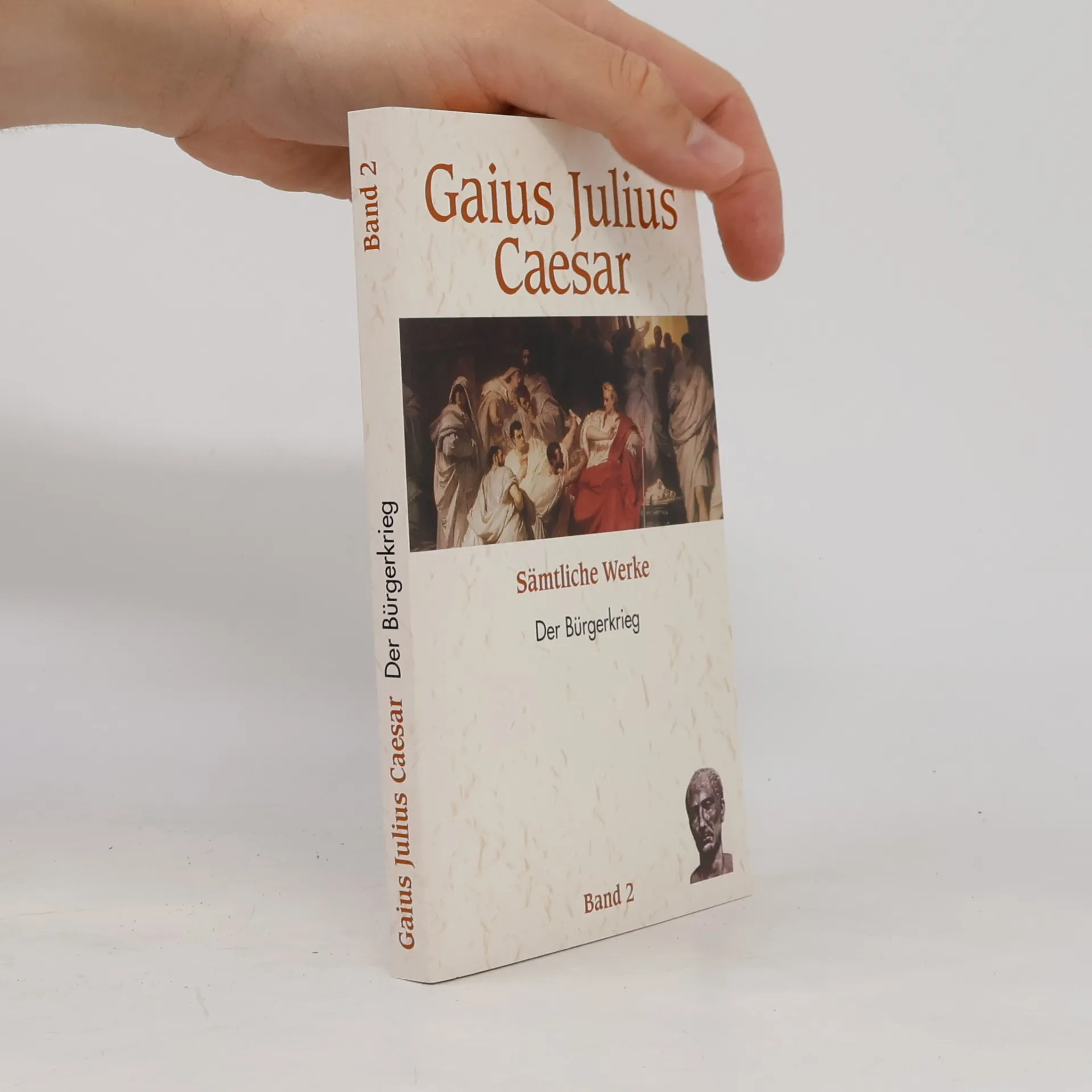
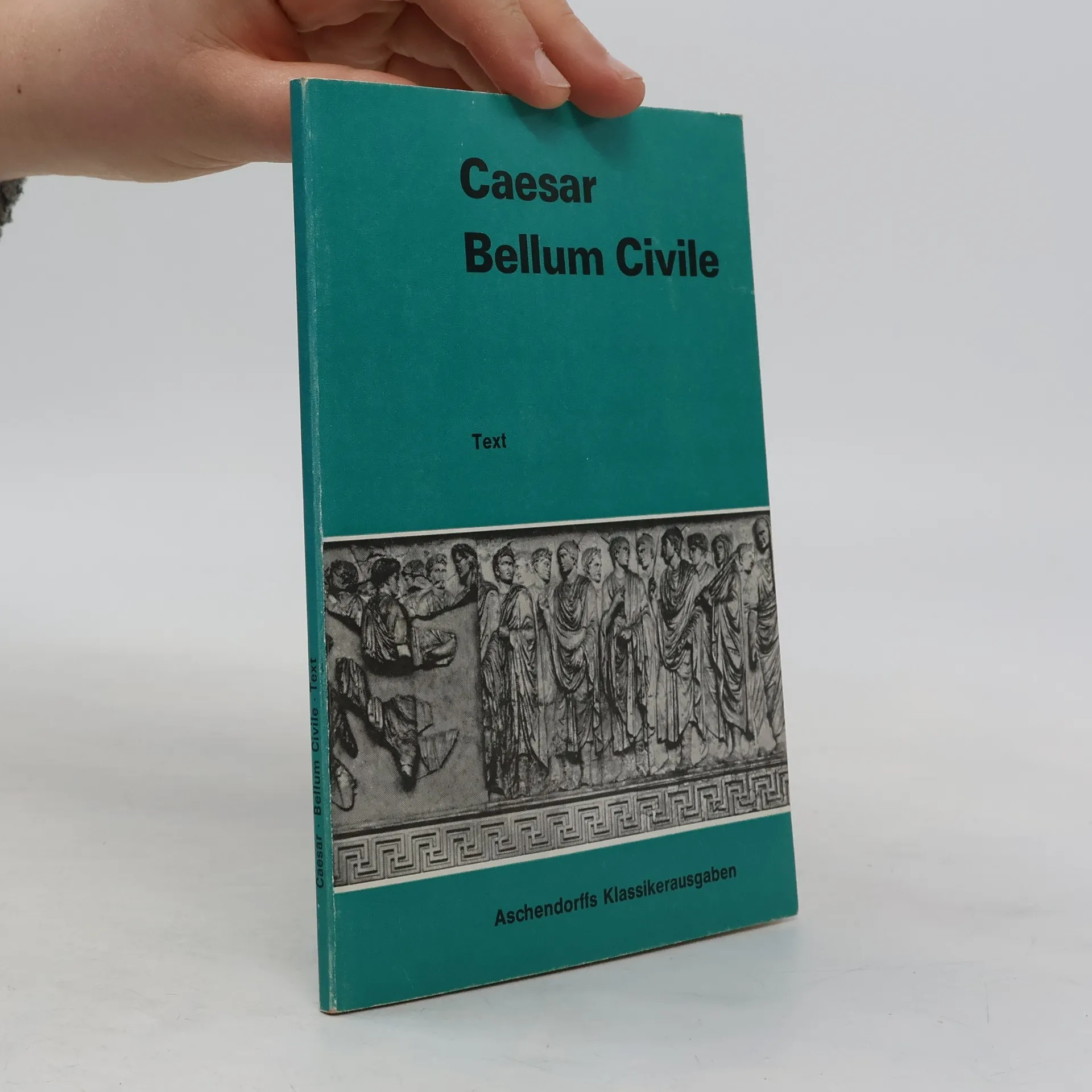
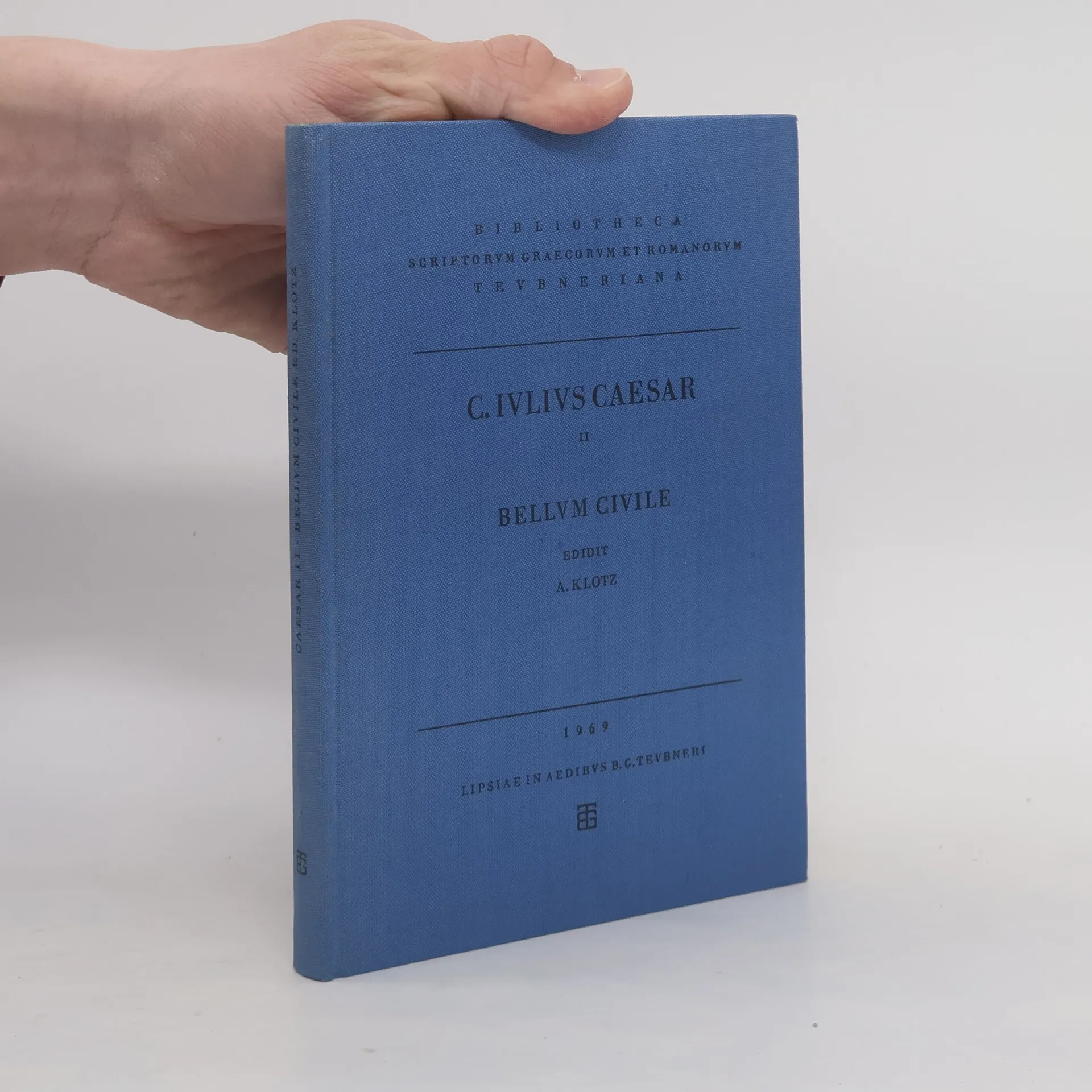
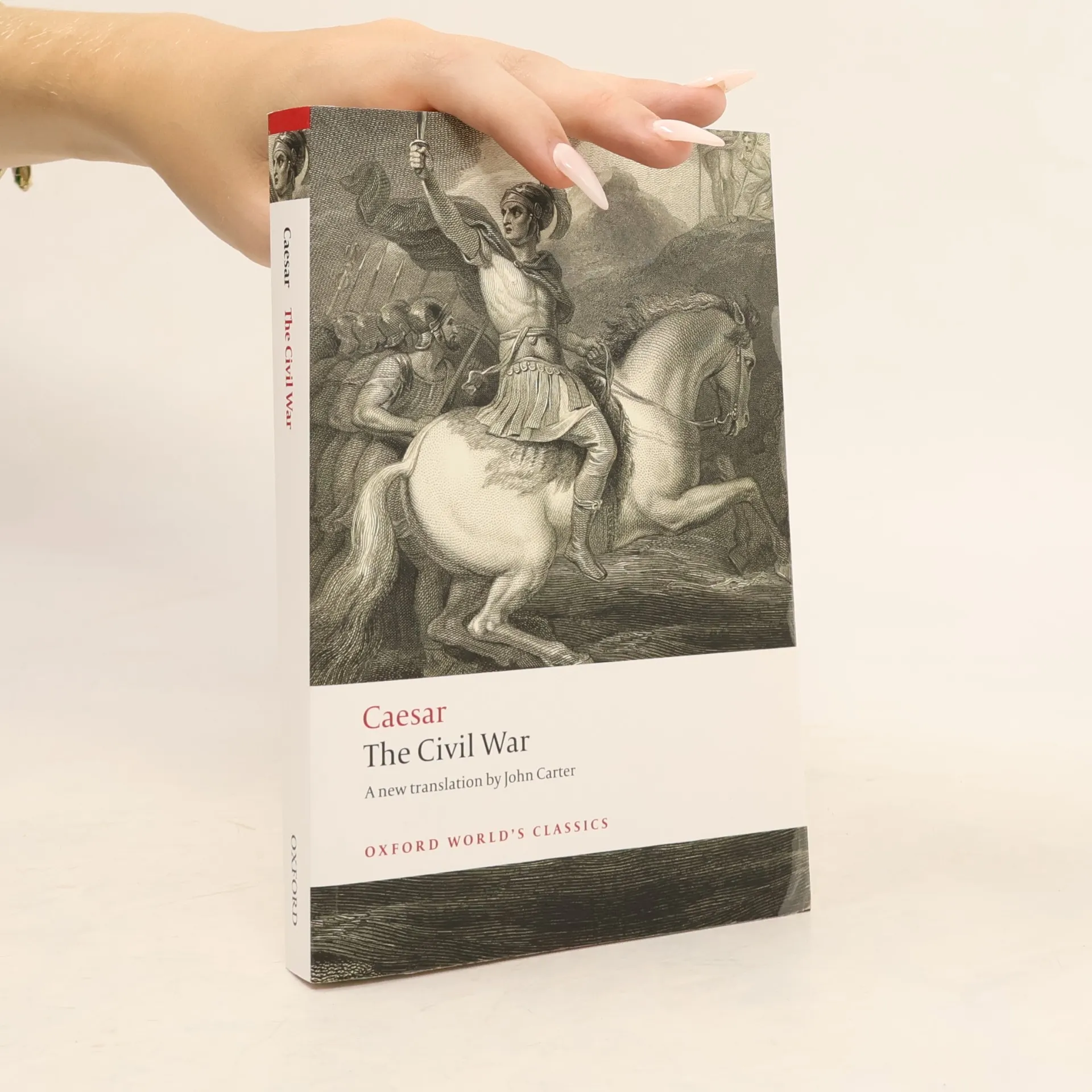
    The Civil War
    The Conquest of Gaul
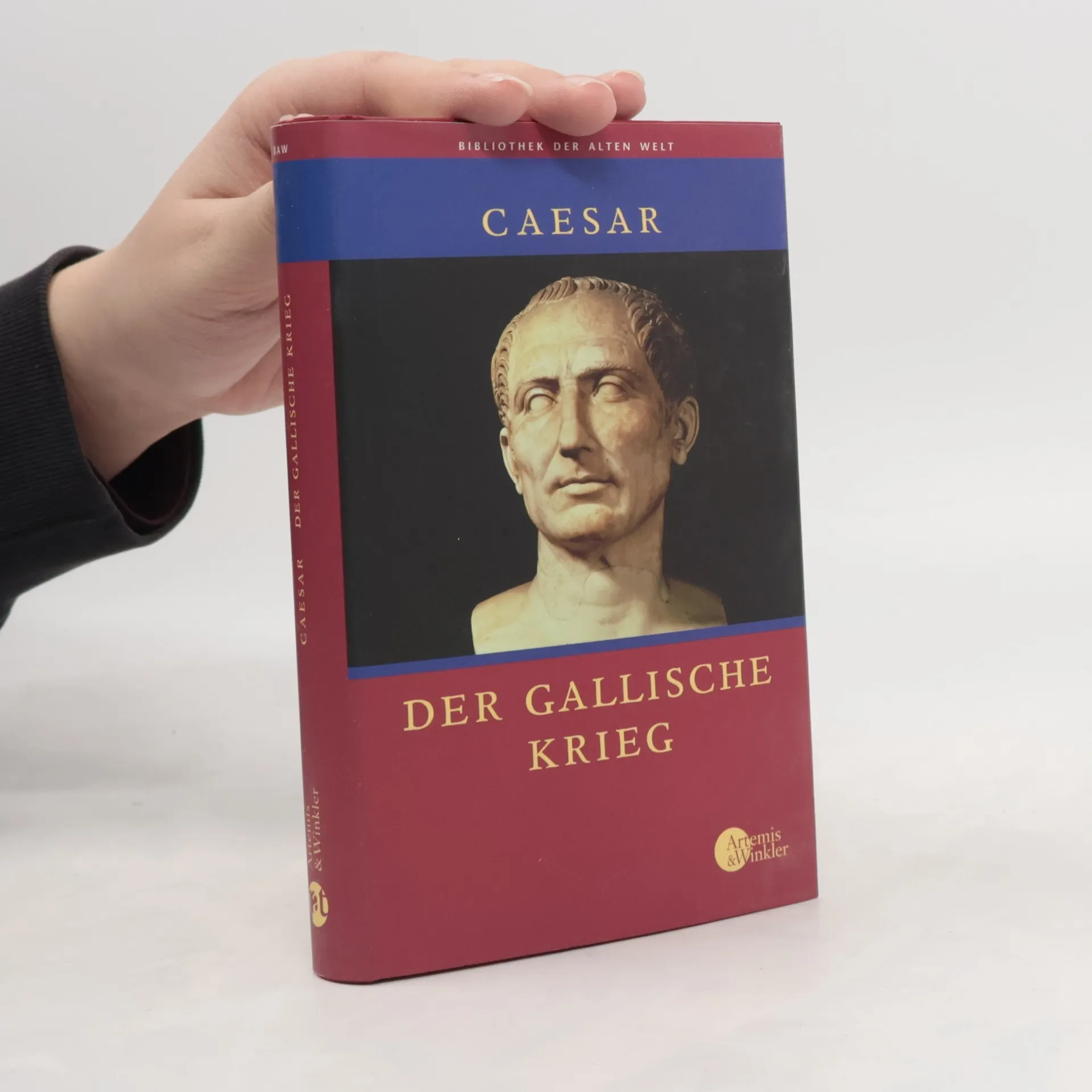
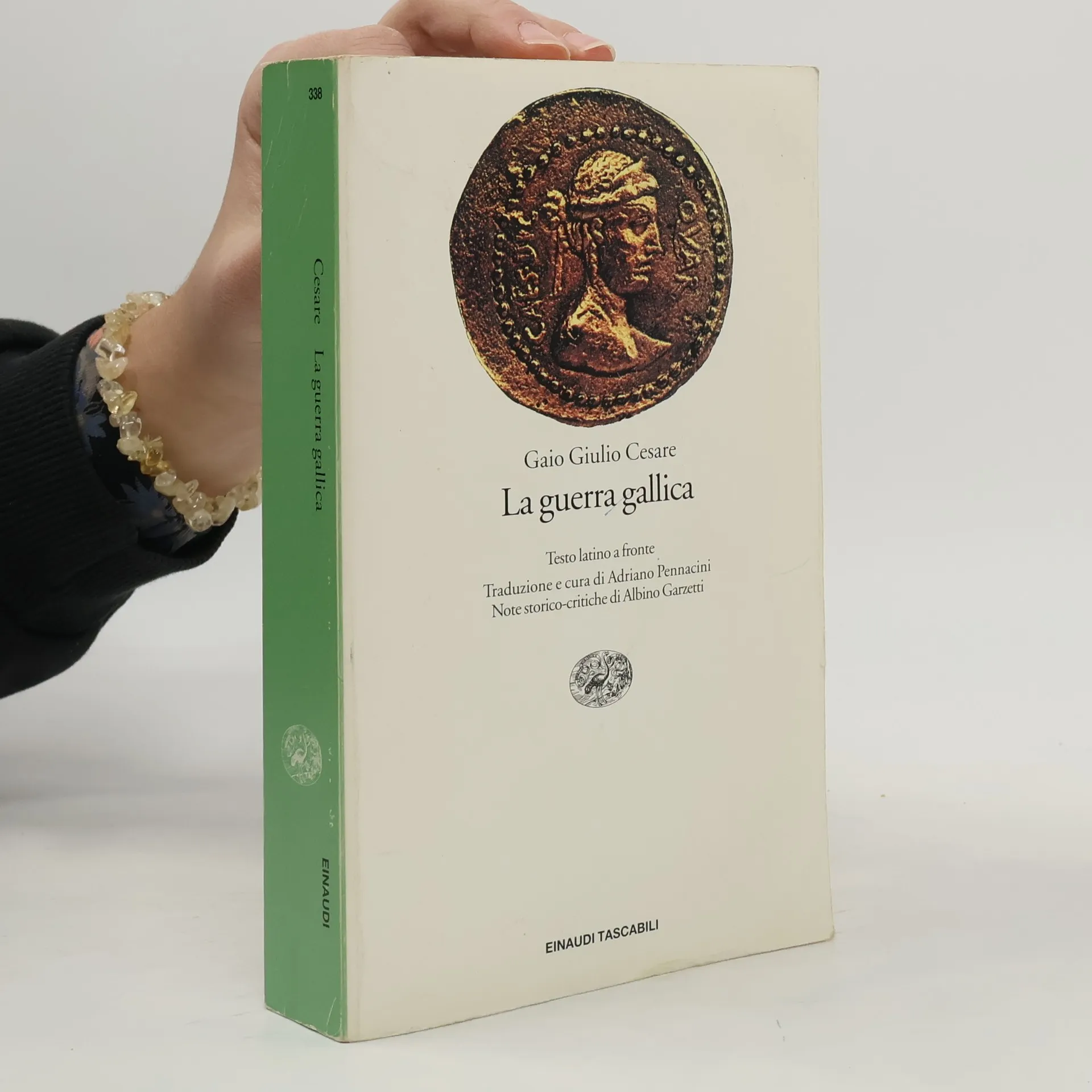
    La guerre des Gaules
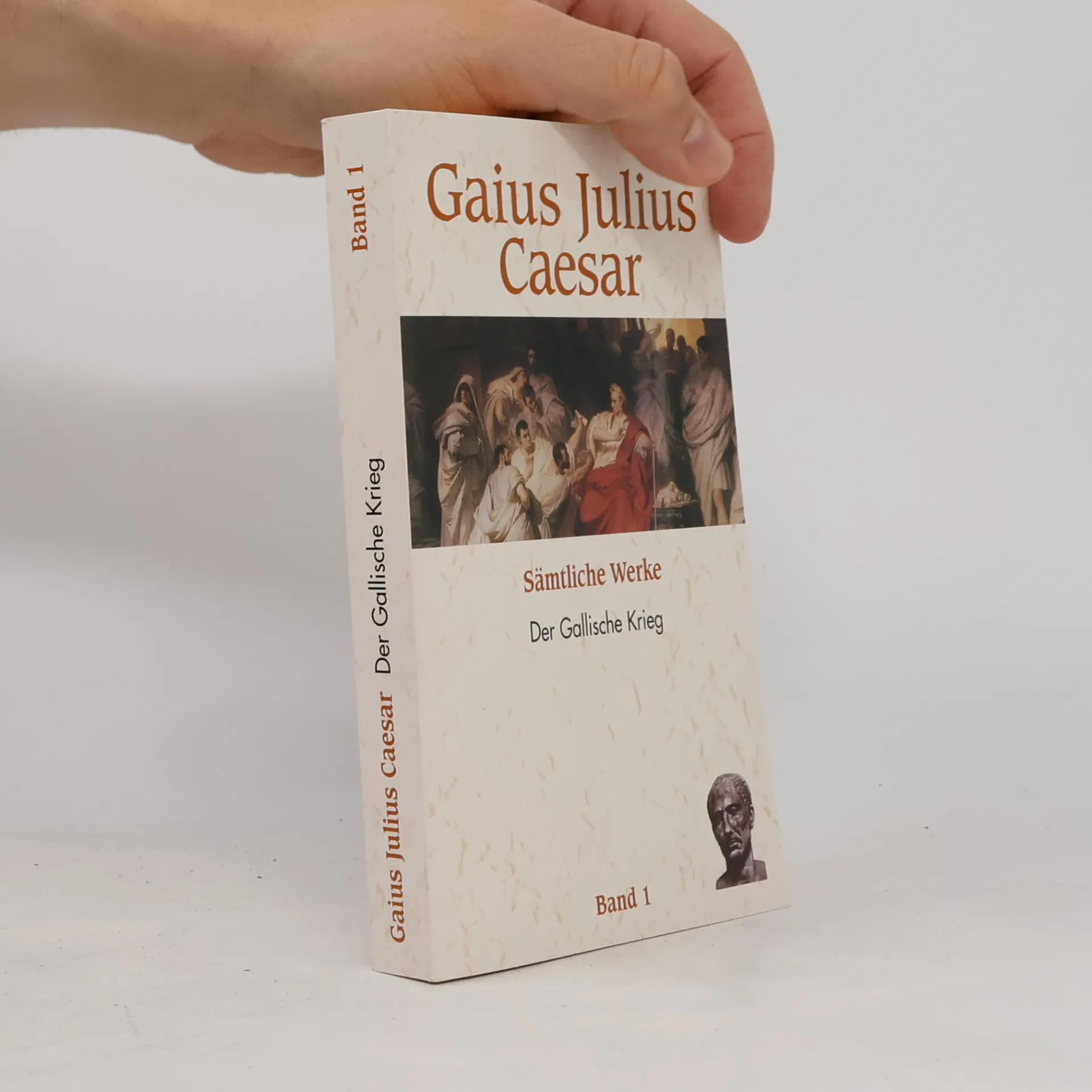
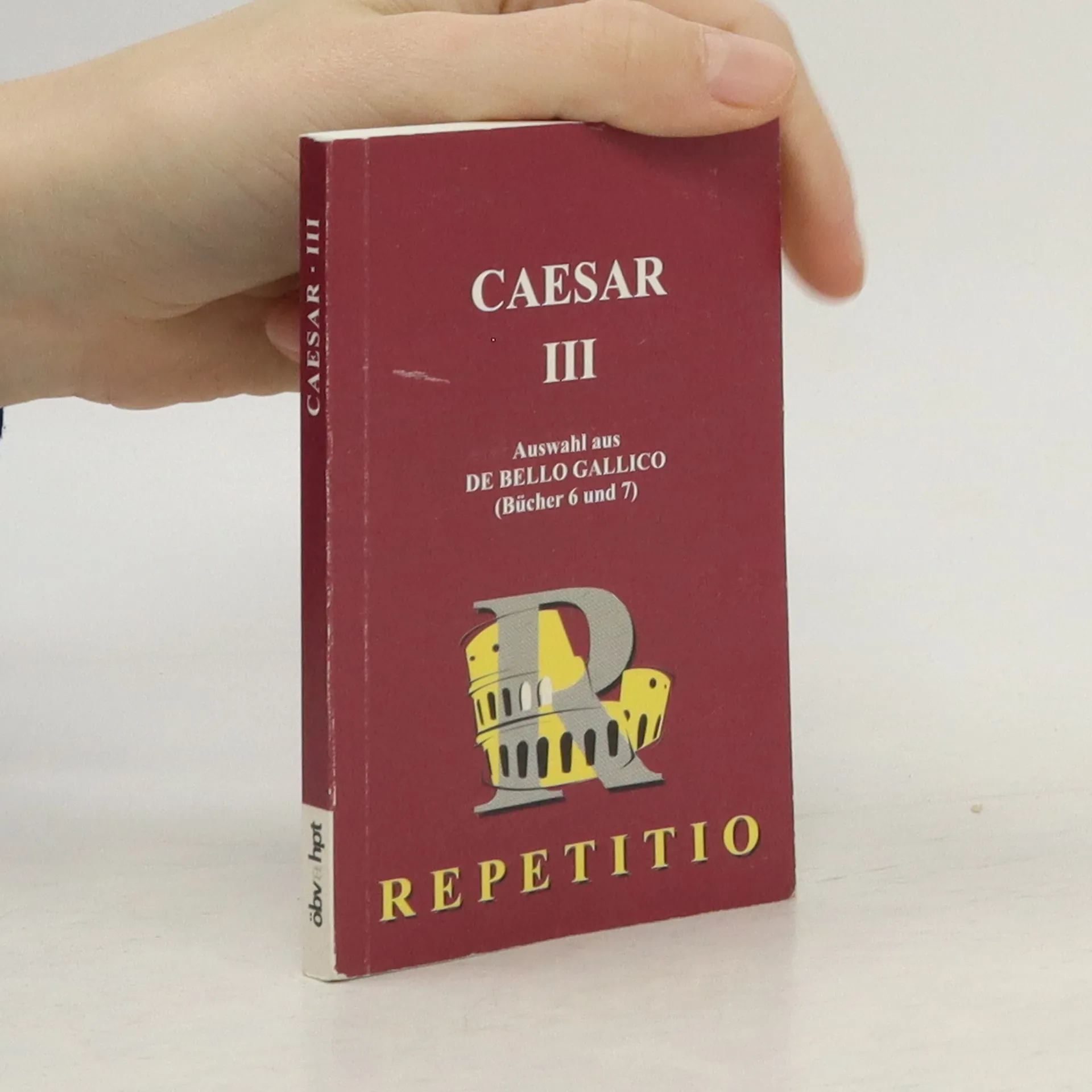
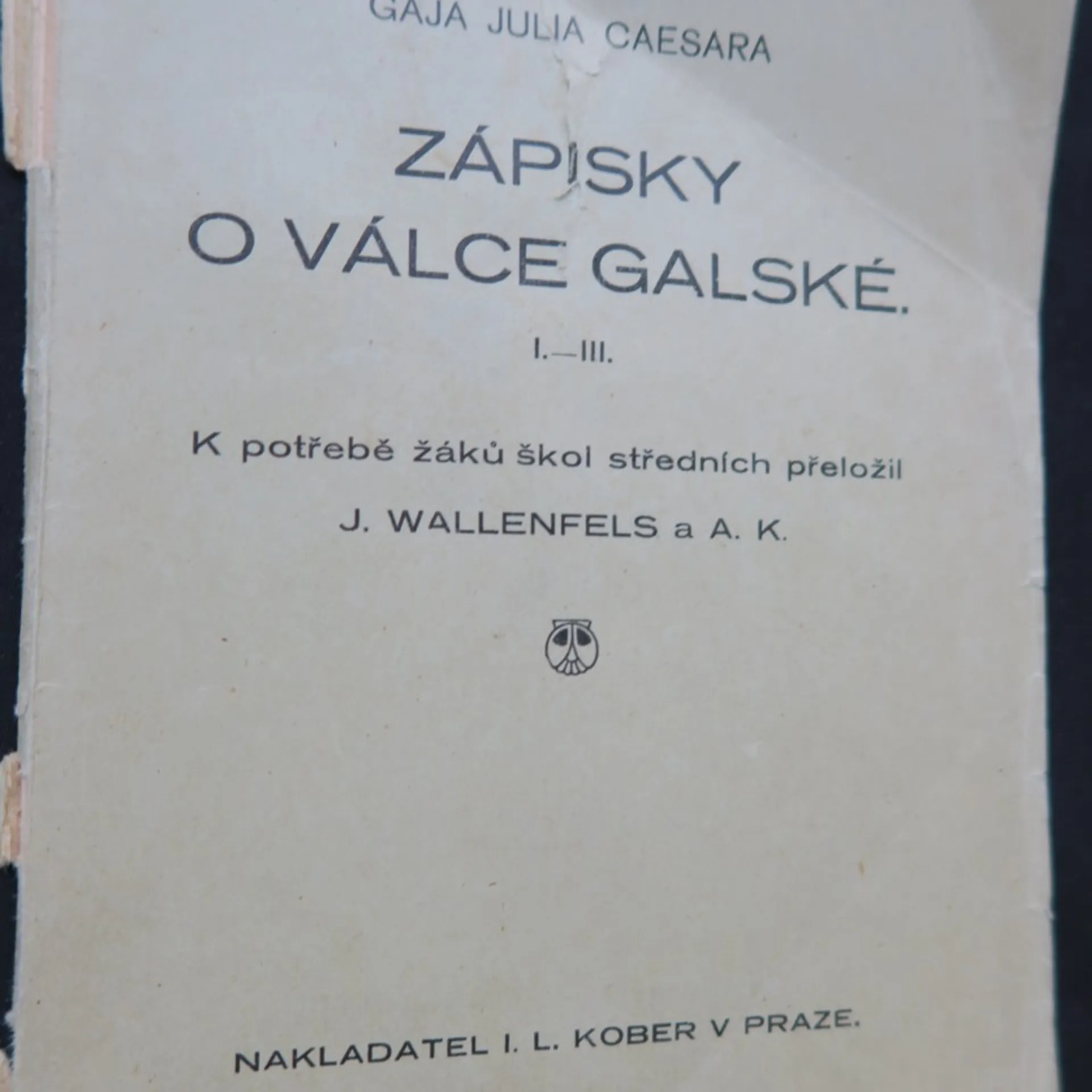
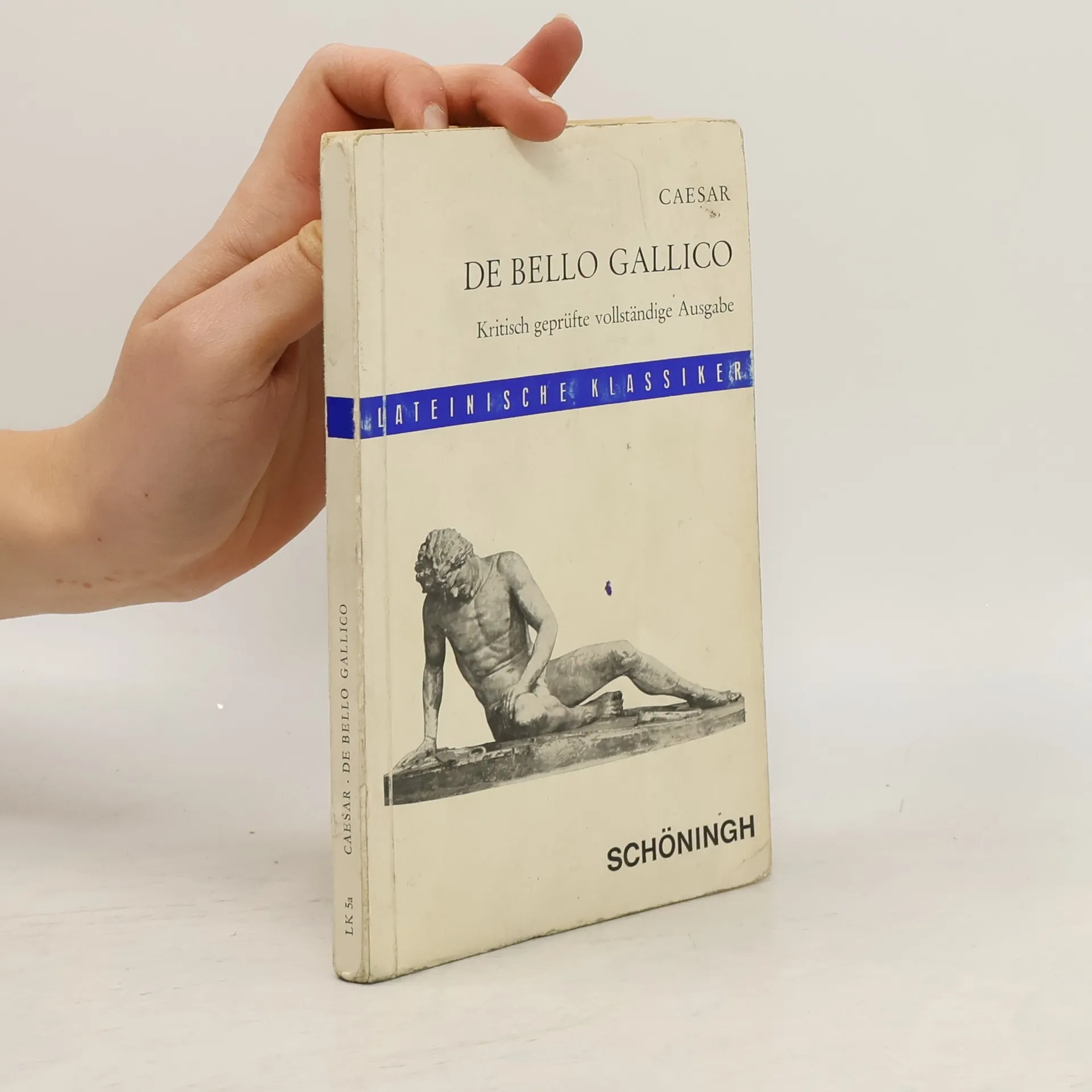
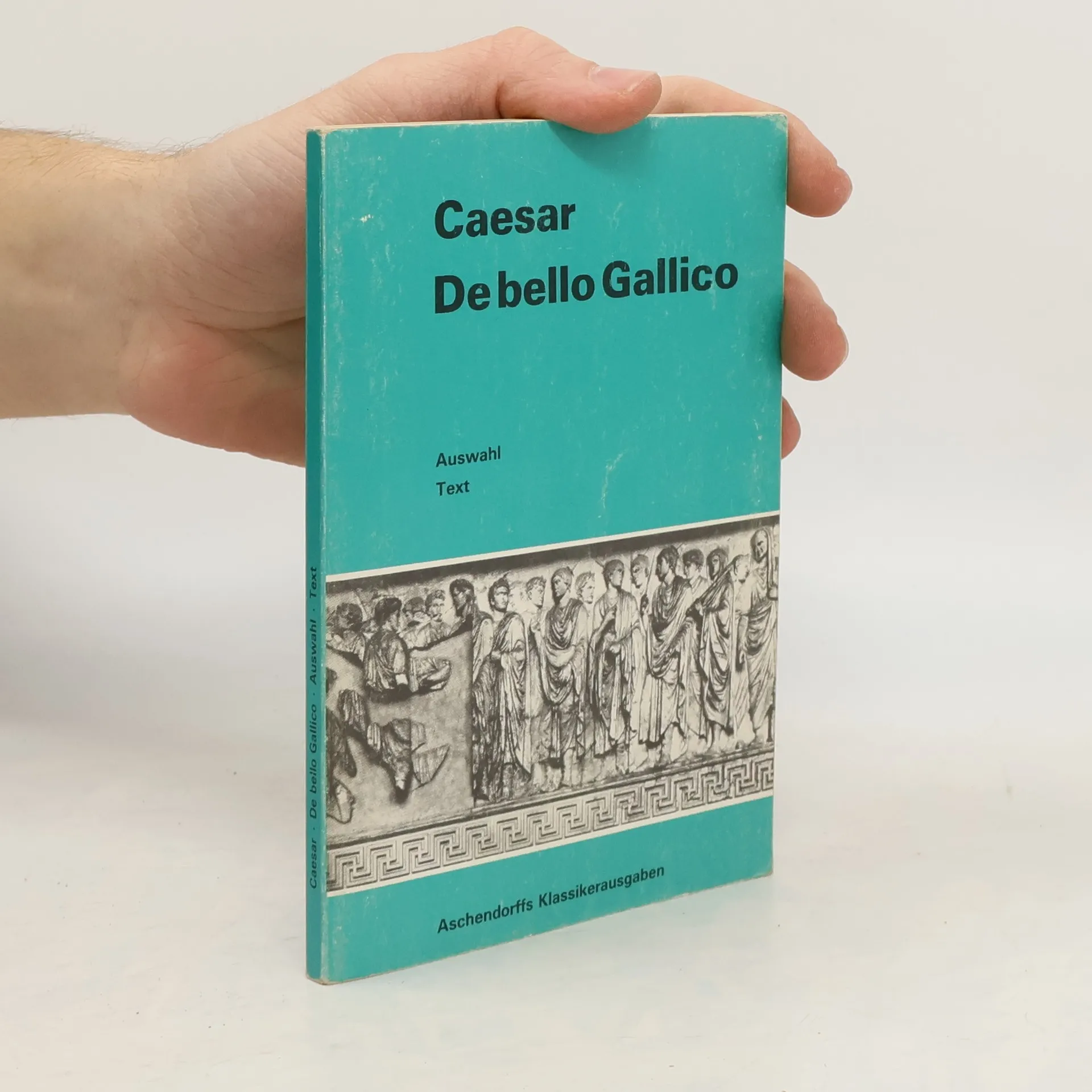
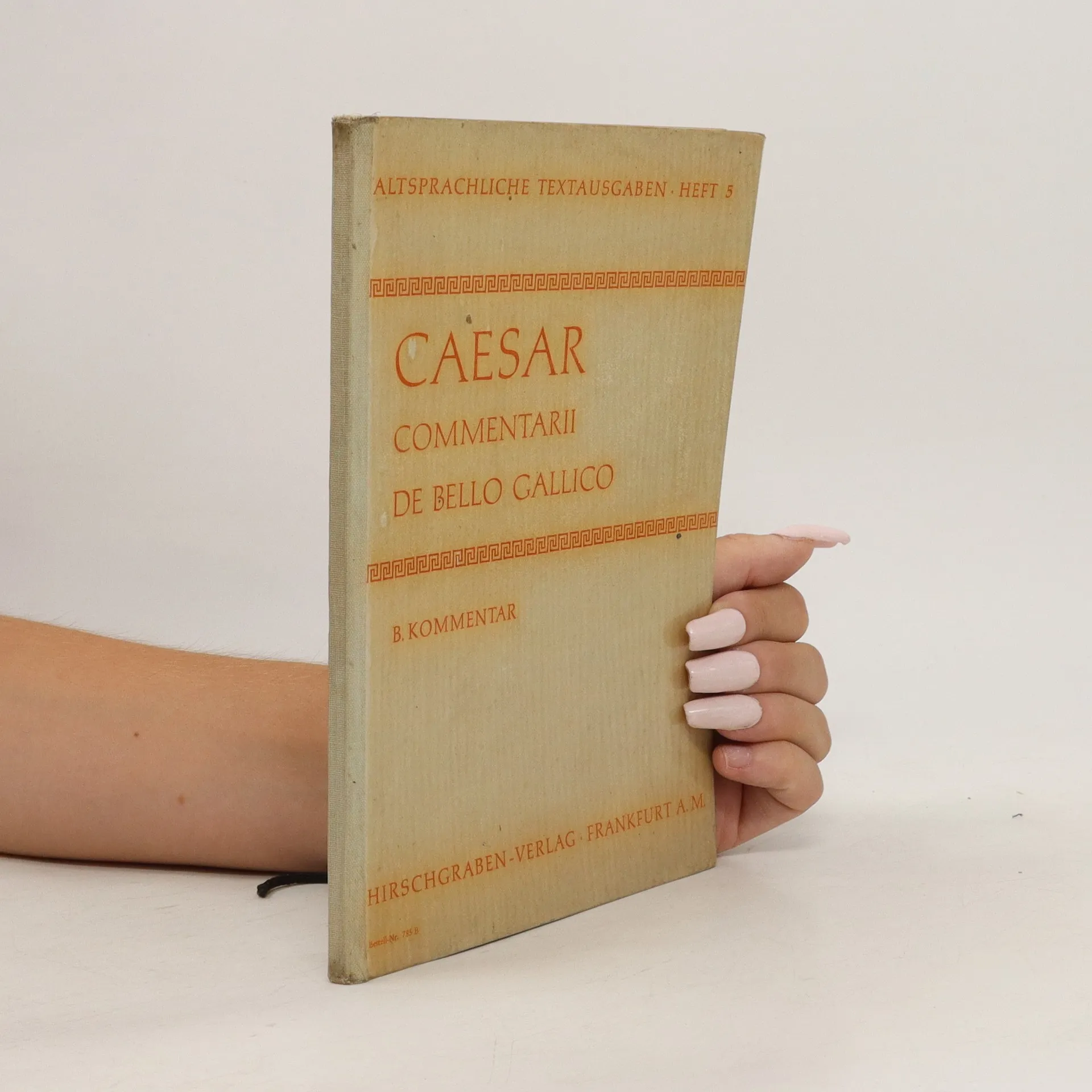
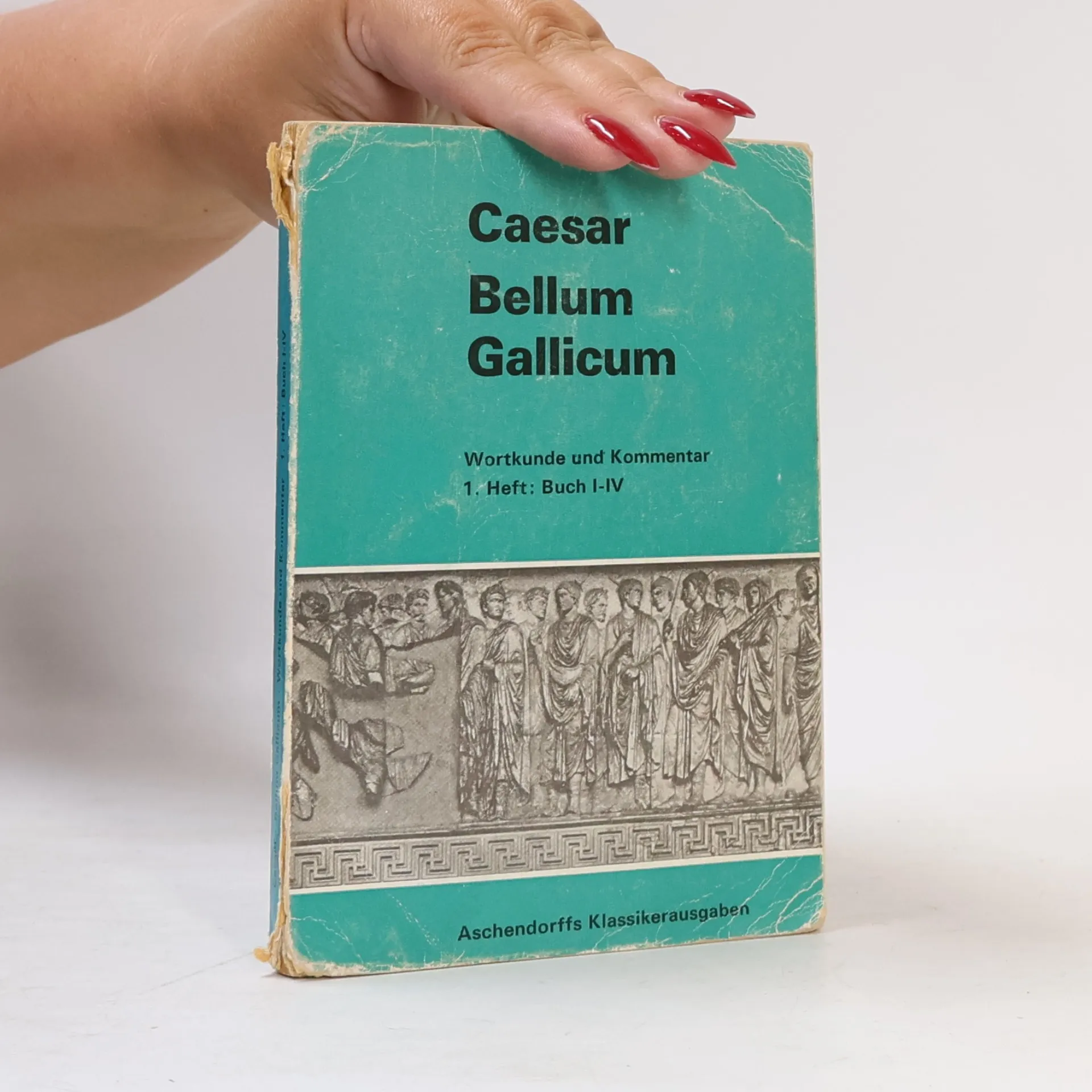
    • La guerre des Gaules ou Commentaires sur la guerre des Gaules (en latin Commentarii de Bello Gallico) est un ouvrage d’histoire en sept livres de Jules César constitué de notes rédigées au fur et à mesure de la guerre et rassemblées vers 52-51 av. J.C. dans lequel le dictateur relate ses opérations militaires. Pour une bonne part c’est en fait la collation des rapports qu’il rédigeait, en partie avec ses lieutenants, pour les envoyer au Sénat qui surveille l’activité des proconsuls tels César. Les Commentaires de César sont une source de renseignements précieuse sur l’histoire primitive de la Gaule. César a pensé que les faits parleraient assez d’eux-mêmes aux contemporains et à la prospérité. Aussi présente-t-il les faits de la manière la plus avantageuse pour lui. La guerre des Gaules se déroula de 58 à 52 av. J.C. et César en fut le généralissime victorieux. Un huitième livre, écrit plus tard par Aulus Hirtius, lieutenant de César, décrit les derniers combats de 51 av. J.C. et la situation en Gaule en 50. La traduction de ces textes est de L.-A. Constans et date de 1926. Nous avons précédé ce texte d’une Géographie de la guerre des Gaules permettant à chacun de se faire une idée du contexte et de visualiser la répartition des différents peuples qui occupaient les territoires concernés. D’autres cartes viennent, au cours du texte, en appui visuel des campagnes ou des faits d’armes relatés.
      La guerre des Gaules
    • Between 58 and 50BC Caesar conquered most of the area now covered by France, Belgium and Switzerland, and twice invaded Britain. This title records of his campaigns.

      The Conquest of Gaul
    • The Civil War

      • 118pages
      • 5 heures de lecture
      4,1(95)Évaluer

      The narrative provides a detailed first-hand account of the Civil War between Julius Caesar and Pompey the Great, highlighting their rivalry and military strategies that shaped the early Roman Empire. It chronicles the intense battles across various regions, including Italy and Egypt, and examines the political implications of Caesar's victory, which led to his role as Perpetual Dictator and the subsequent transformation of Roman governance. This edition is noted for its premium quality and follows W. A. MacDevitt's translation.

      The Civil War
    • "The Commentaries on the Gallic War" is Julius Caesar's firsthand account of the Gallic Wars, written as a third-person narrative. In it Caesar describes the battles and intrigues that took place in the nine years he spent fighting the Germanic peoples and Celtic peoples in Gaul that opposed Roman conquest. The Gallic Wars were a series of military campaigns waged by the Roman proconsul Julius Caesar against several Gallic tribes. Rome's war against the Gallic tribes lasted from 58 BC to 50 BC and culminated in the decisive Battle of Alesia in 52 BC, in which a complete Roman victory resulted in the expansion of the Roman Republic over the whole of Gaul (mainly present-day France and Belgium). "The Commentaries on the Civil War" is an account written by Julius Caesar of his war against Gnaeus Pompeius and the Senate. It covers the events of 49-48 BC, from shortly before Caesar's invasion of Italy to Pompey's defeat at the Battle of Pharsalus and flight to Egypt with Caesar in pursuit. It closes with Pompey assassinated, Caesar attempting to mediate rival claims to the Egyptian throne, and the beginning of the Alexandrian War.

      The Gallic War & The Civil War: Historical Account of Caesar's Military Campaign in Gaul & The Roman Civil War
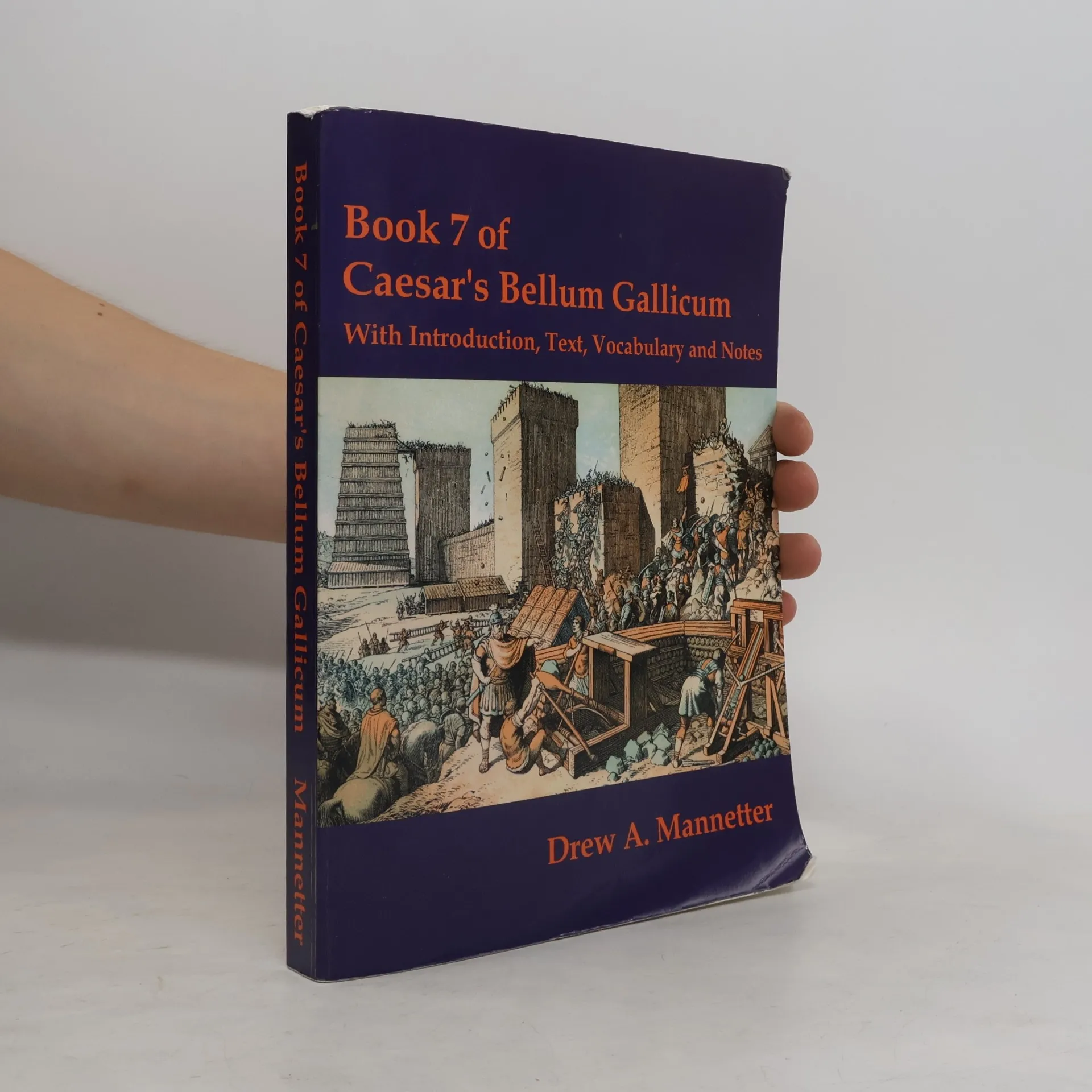
    • The Commentaries on the Gallic War is Julius Caesar's firsthand account of the Gallic Wars, written as a third-person narrative. In it Caesar describes the battles and intrigues that took place in the nine years he spent fighting the Germanic peoples and Celtic peoples in Gaul that opposed Roman conquest. The Gallic Wars were a series of military campaigns waged by the Roman proconsul Julius Caesar against several Gallic tribes. Rome's war against the Gallic tribes lasted from 58 BC to 50 BC and culminated in the decisive Battle of Alesia in 52 BC, in which a complete Roman victory resulted in the expansion of the Roman Republic over the whole of Gaul (mainly present-day France and Belgium).

      The Gallic War: Historical Account of Julius Caesar's Military Campaign in Celtic Gaul
    • The Satanic Bible 2012

      • 96pages
      • 4 heures de lecture

      The Satanic Bible 2012: Second Edition Description The Satanic Bible 2012, Second Edition has been edited again and re-formatted. This book contains the foundational belief system for the mystical religion of Spiritual Satanism 999. The initiated supporters are taught the deeper more mystical aspects and religious name of Vampir Satanism 999. Realist Satanists are made aware of the mystical content of a book designed mainly for Mystics! First, the book begins by introducing the readers to myself as the author and founder Rev. Caesar 999, the temple or church, and the 2 main Satanic branches that existed at the time when the book was first written. Through revealing the major differences between Spiritual Satanism 999 and these other major branches of Satanism, it helps to clarify what branch this Satanic religion represents and follows. These main other 2 branches are known as LaVeyan and Traditional or Theistic. My temple is not a form of Traditional Satanism, but it is a form of Theistic Satanism or Theistic Satanic Religion! Second, the main section on The Orders, defines the major branches of the temple which will be developed. Each branch itself involving its own mysticism and purpose! Every organization has to have a system and structure to that system. Since we see the world in a constant state of warfare and consider most right-hand path religions to be our enemies, the outward structure of several of these Orders is conceptualized through a spiritual militant hierarchy within a system of Warrior-Priests! The other Order, reveals the very beginning foundation for the Holy Whore Priestesses and Priests which is based upon the very ancient concept of the Holy Whore! The Holy Whore concept existed within many Priestess and Priesthoods throughout history in many pre-Christian religions and one of our goals is to restore and resurrect the Holy Whore Tantric Priestess and Priesthood! Third, we move on to the main core section on the Virtuous Principles, the main deity of our temple, etc. There is some explanation of the concept of the Androgynous God/Goddess, which is later defined as our form of the goddess Kali or Satanic Kali. Also, the Principles are explained, revealing a mystical and spiritual goal for humanity and our people! These Principles are also known as the Anti-Christian or Satanic Moral-Value System. This system is designed and re-created from many pre-Judeo-Christian beliefs, values, and lifestyles! This system is designed to replace the Judeo-Christian moral-value system within our temple, communities, etc.

      The Satanic Bible 2012
    • Sajan 3

      • 430pages
      • 16 heures de lecture

      The story unfolds in a world where Sajan 3 faces an alien attack, leading to a mass abduction of both the living and the dead. Amidst the chaos, Joshua, a Senior High student who helped save his peers, decides to enlist in the Space Navy Academy to train as a Science Officer. Driven by the hope of locating and rescuing those taken, Joshua embarks on a journey filled with challenges and the quest for redemption. The narrative explores themes of bravery, sacrifice, and the search for lost loved ones in the face of intergalactic threats.

      Sajan 3
    • Focusing on the conflict between Caesar and the Roman Senate from 49-48 BC, this work is divided into three books where Caesar himself narrates his military campaigns. It chronicles his strategic movements from Gaul to Italy and highlights key confrontations, particularly the pivotal Battle of Pharsalus against Pompeius, showcasing the political and military tensions of the era.

      The Civil War (Royal Collector's Edition) (Case Laminate Hardcover with Jacket)
    • The War Commentaries of Julius Caesar

      • 1028pages
      • 36 heures de lecture

      Dive into the strategic mind of Julius Caesar through his detailed War Commentaries, which provide an in-depth look at his military campaigns and political maneuvers. This comprehensive compilation offers insights into his leadership style, the challenges faced during the Gallic Wars, and the intricacies of Roman warfare. Readers will gain a unique perspective on historical events and the impact of Caesar's decisions on the Roman Empire, making it an essential resource for history enthusiasts and scholars alike.

      The War Commentaries of Julius Caesar
    • The Gallic Wars

      • 252pages
      • 9 heures de lecture

      The narrative provides an insightful firsthand account of Julius Caesar's military campaigns in Gaul from 58 to 52 BC, structured into seven books, each corresponding to a specific year. Through detailed descriptions of battles, strategies, and interactions with various tribes, Caesar offers a unique perspective on Roman military tactics and the complexities of leadership during this pivotal period in history. The work highlights themes of power, ambition, and the challenges of conquest.

      The Gallic Wars