Contributed three new ideas to the development of philosophy: that goodness consists not in helping friends and harming enemies, but in not harming anybody at all; that goodness and knowledge are one and the same thing; and that for progress to be made in argument, there must be step-by-step agreement between those arguing.
Plato Livres
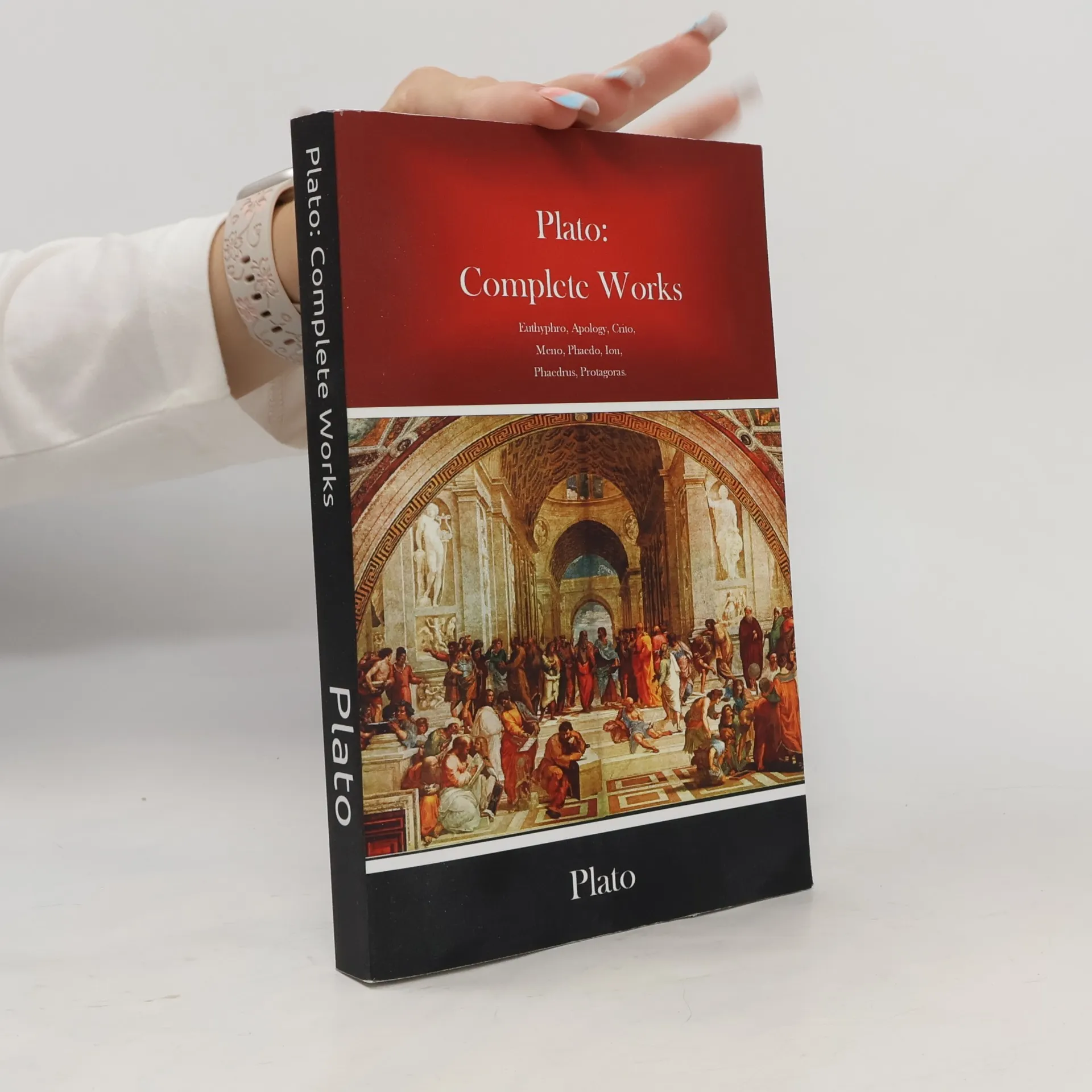

Plato: Complete Works
Euthyphro, Apology, Crito, Meno, Phaedo, Ion, Phaedrus, Protagoras
- 368pages
- 13 heures de lecture
Outstanding translations by leading contemporary scholars are presented here in a single edition that includes the entire surviving corpus of works attributed to Plato in antiquity. In his introductory essay, John Cooper explains the presentation of these works, discusses questions concerning the chronology of their composition, comments on the dialogue form in which Plato wrote, and offers guidance on approaching the reading and study of Plato's works. Also included are concise introductions by Cooper and Hutchinson to each translation, meticulous annotation designed to serve both scholar and general reader, and a comprehensive index.
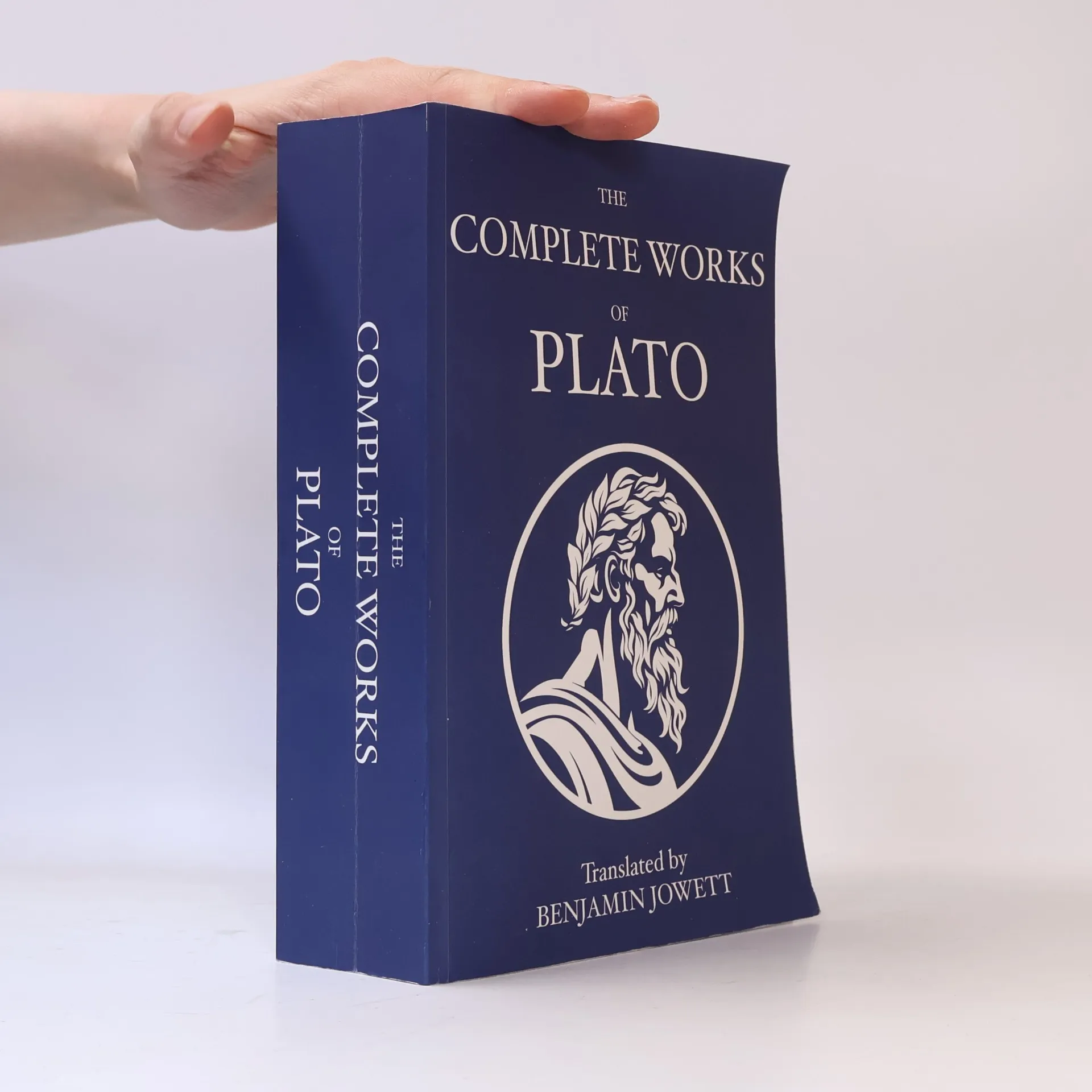
The Complete Works of Plato
Socratic, Platonist, Cosmological, and Apocryphal Dialogues
- 1184pages
- 42 heures de lecture
Meticulously translated by Benjamin Jowett, this comprehensive collection presents Plato's philosophical journey, spanning from early Socratic Dialogues to complex Cosmological Dialogues and the insightful Apocryphal Dialogues. Jowett's translation captures Plato's unique style and profound ideas, making ancient philosophy accessible to contemporary readers.
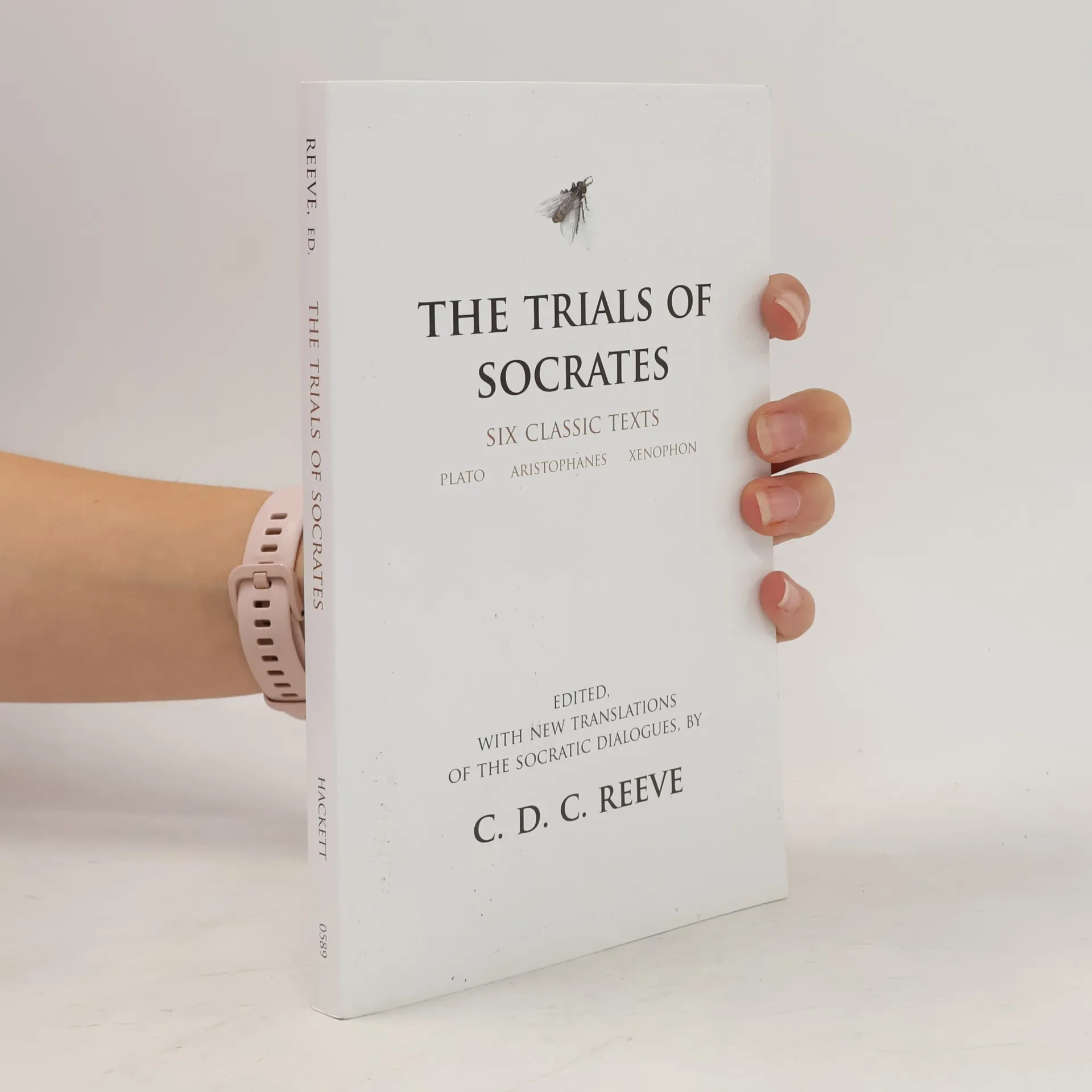
The Trials of Socrates
Six Classic Texts - Edited, With New Translations of the Socratic Dialogues
- 192pages
- 7 heures de lecture
Although present-day (like ancient Greek) opinion on the real Socrates diverges widely, six classic texts that any informed judgment of him must take into account appear together, for the first time, in this volume.
The Intellectual Revolution
- 172pages
- 7 heures de lecture
Designed to take students from Reading Greek to wider reading.
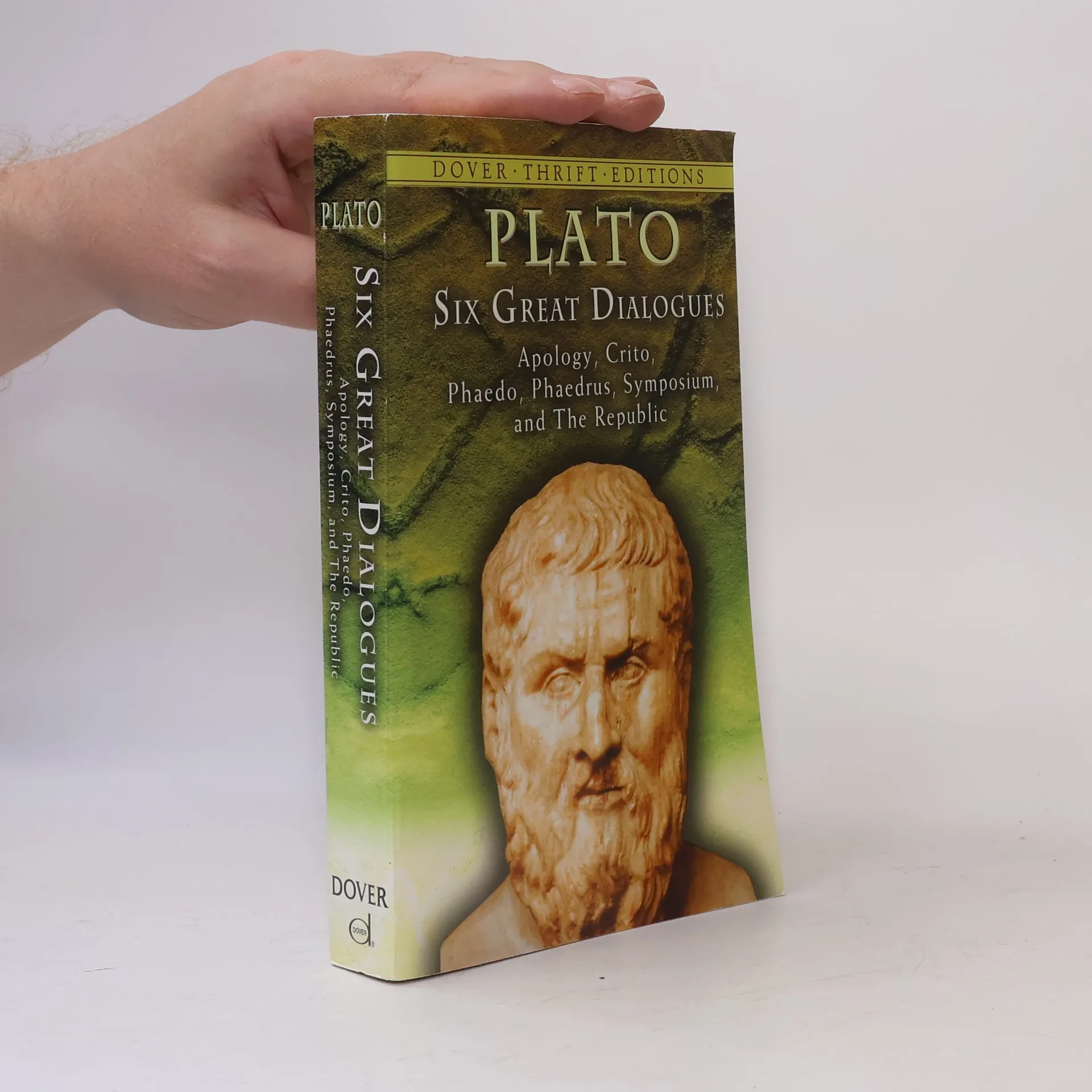
Six Great Dialogues
Apology, Crito, Phaedo, Phaedrus, Symposium, And The Republic
Plato's brilliant dialogues, written in the fourth century B.C., rank among Western civilization's most important philosophical works. Presented as a series of probing conversations between Socrates and his students and fellow citizens, they form a magnificent dialectical quest that examines enduring political, ethical, metaphysical, and epistemological issues. Here, in one inexpensive edition, are six of Plato's remarkable and revelatory dialogues, each translated by distinguished classical scholar Benjamin Jowett. Apology defends the integrity of Socrates' teachings. Crito discusses respect for the law. Phaedo considers death and the immortality of the soul. Phaedrus explores the psychology of love. Symposium reflects on the ultimate manifestation of the love that controls the world, and The Republic ponders society and the philosopher's role within it. Stimulating, dramatic, and always relevant, these dialogues have profoundly influenced the history of intellectual thought, and offer crucial insight into mystical, aesthetic, and other aspects of Platonic doctrine.
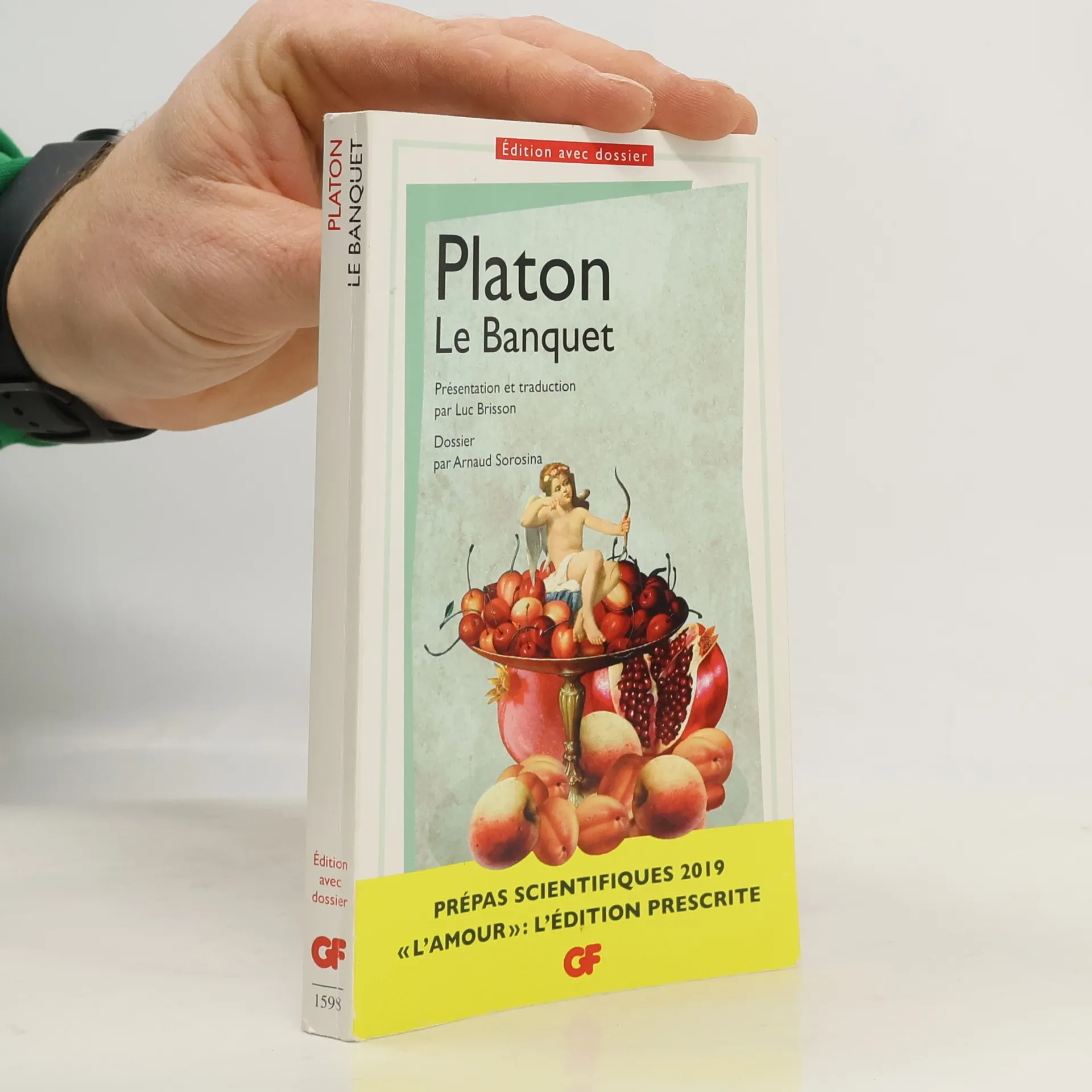
Le Banquet
Prépas scientifiques - Édition avec dossier - 2019 «L'amour»: L'édition prescrite
- 302pages
- 11 heures de lecture
Ils sont allongés sur des lits et parlent de l’amour et de la beauté. Leurs discours se succèdent, parfois se répondent, car il y a plusieurs amours et plusieurs manières de désirer le Beau. À ces hommes vivant en un temps et un lieu où l’éducation des garçons est indissociable de la sexualité qui règle les rapports du maître et du disciple, une étrangère, Diotime, oppose un modèle féminin de transmission du savoir. Dans ce célèbre dialogue, Socrate énonce les étapes de l’apprentissage du philosophe capable de se détacher du monde sensible pour devenir l’«amant» par excellence qui guide l’«aimé» dans sa quête du Vrai et du Beau.Dossier spécial : l'amour1. La conversion par l’amour : la quête de l’unité2. Les pronoms de l’amour : Je, Tu, Nous3. Les raisons de l’amour : comprendre, expliquer, justifier.
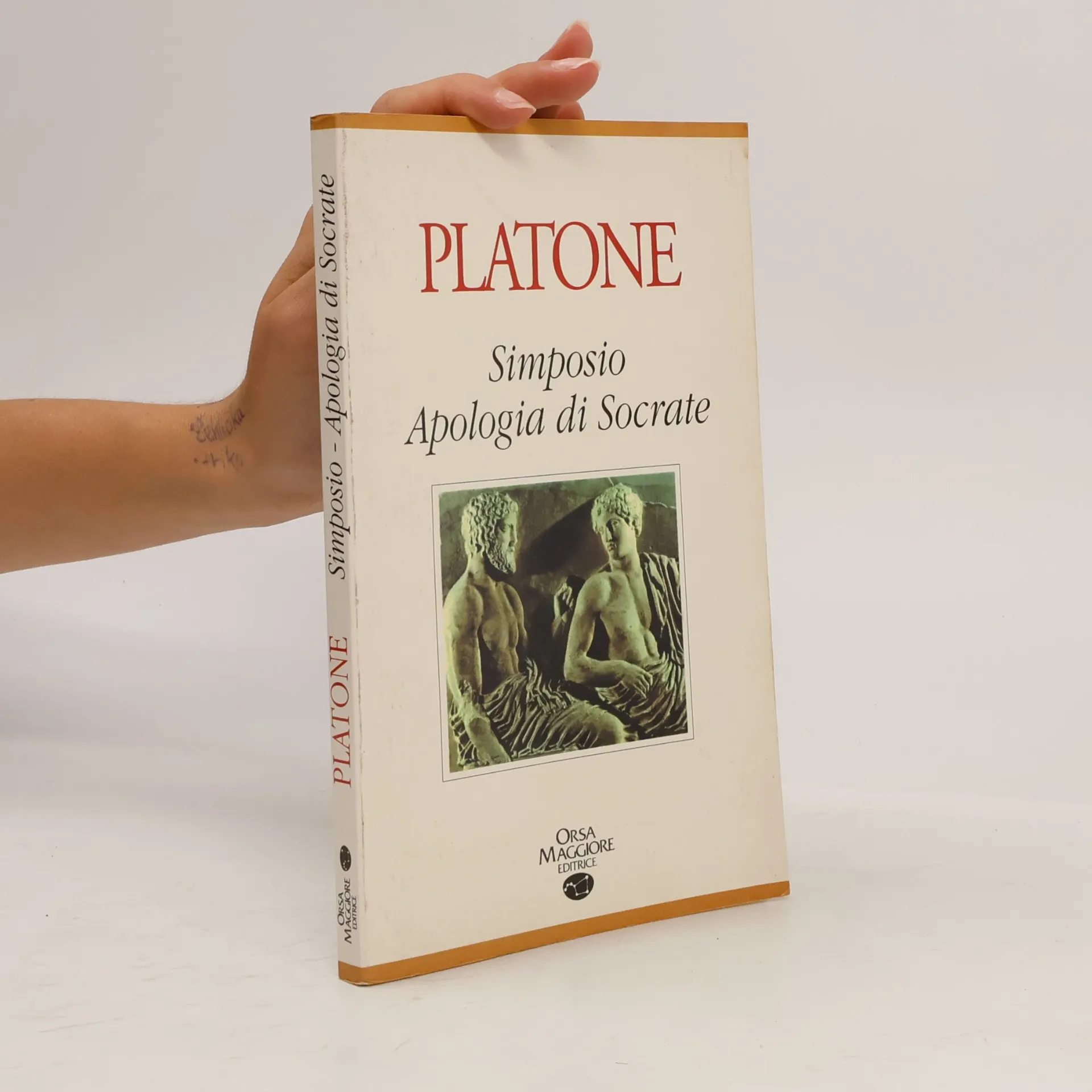
Simposio - Apologia di Socrate
- 126pages
- 5 heures de lecture
La data di composizione del Simposio viene indicata all'inizio del ventennio 388/87-366/65 a.C., in coincidenza con i due viaggi in Sicilia di Platone; l'Apologia di Socrate riporterebbe il discorso pronunciato da Socrate di fronte ai giudici nel processo intentatogli nel 399 a.C. L'ultima parte del Simposio vale quasi da anticipazione al processo; Socrate sa di risultare, agli occhi dei suoi concittadini, personaggi scomodo, irritante, fastidioso come un tafano, intento sempre a risvegliare le coscienze, a richiamare gli uomini verso la virtù. Ma questo - sostenne Socrate stesso - era il compito affidatogli dal dio, "servizio" al quale non poteva venir meno, neppure di fronte alla morte.
Antik prózaírók: A nősténykentaur
- 476pages
- 17 heures de lecture
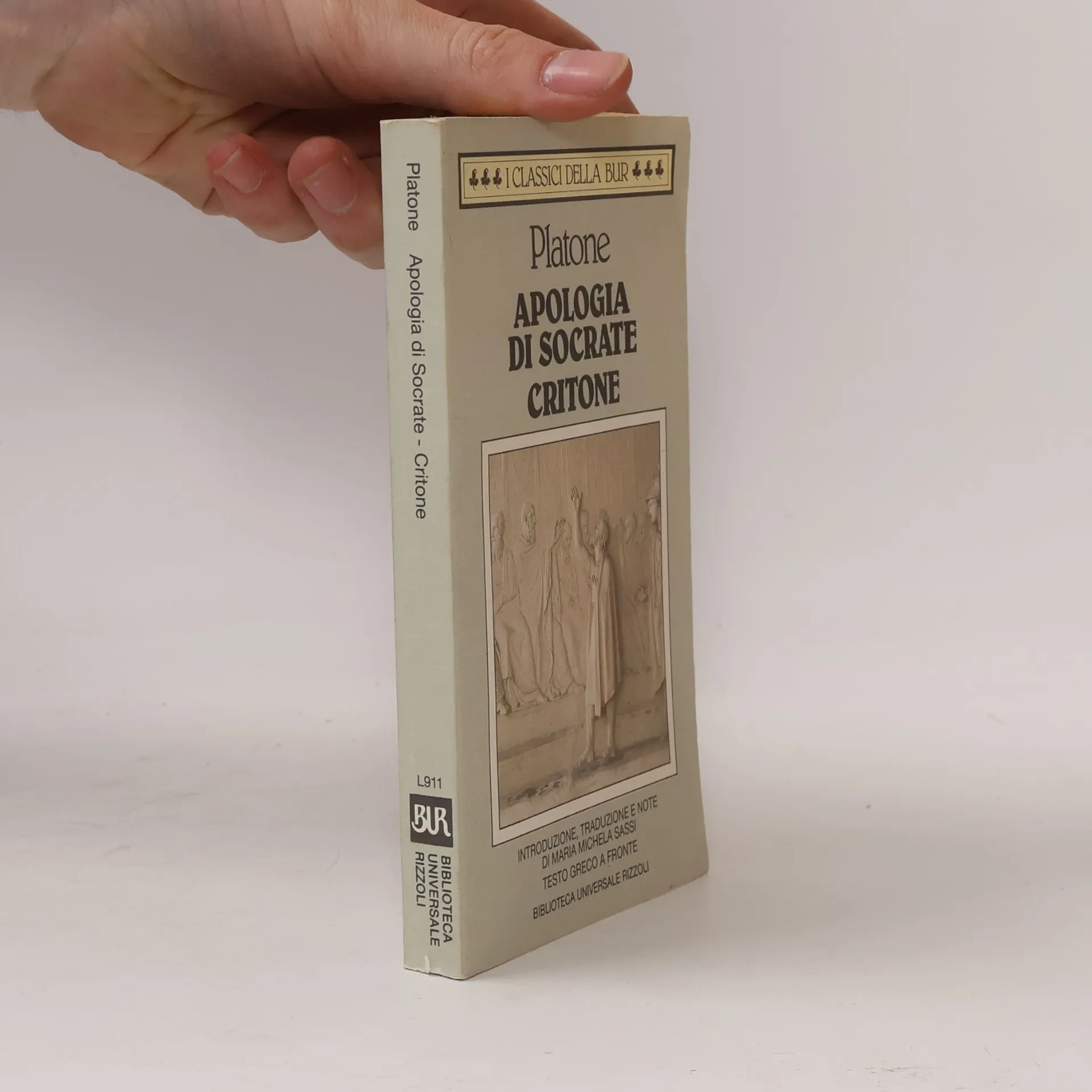
Apologia di Socrate; Critone - Per le Scuole superiori
- 240pages
- 9 heures de lecture
Socrate fu condotto dinanzi al tribunale dell'Eliea nel 399 a. C. dopo la caduta della tirannide di Crizia alla cui cerchia era stato legato, sotto l'accusa di empietà e di corruzione dei giovani: un'accusa che celava avversioni politiche non meno che insofferenze ideologiche. I due testi delineano non solo un ritratto individuale, ma l'immagine ideale del vero filosofo, interamente votato all'esercizio della conoscenza e alla ricerca del bene.
De Ideale Staat / Druk 8: Politeia
- 421pages
- 15 heures de lecture
Закони
- 752pages
- 27 heures de lecture
Диалогът "Закони" е последното и най-обемно произведение на Платон, което разглежда принципите на създаване на закони за идеална държава, с множество примери, включително закони за религиозни престъпления. Освен конкретиката, текстът предлага размисли за философията на законодателството, важността на убеждаването преди прилагането на закони и значението на добродетелта в политическата дейност. С настоящия превод завършва пълното представяне на Платоновите диалози на български език, като томът включва предговор, коментар и индекси от Невена Панова и Георги Гочев. Платоновите "Закони" впечатляват с реалистичен вкус към детайли и спекулативна системност, като предлагат основа за съвременни юридически дисциплини. Платон разглежда сложни ситуации, като убийства в състояние на гняв, и предлага иновативни идеи, например за общогръцка валута. Четенето на "Закони" е разнообразно и предизвиква различни реакции. Въпросите на законността и доброто управление остават актуални и днес, а текстът напомня, че истинското щастие не зависи от материалното благополучие, а от ценността на непромяната. Утопичният модел за държава, който подкрепя устойчивостта, обаче остава в миналото.
Euthydemos, Ion, Menexenos, Hippias, met de beroemde filosoof Sokrates in de hoofdrol, kenmerken door Plato's unieke ironische ondertoon. In de dialoog Theaitetos draait het om de vraag: wat is kennis? Op die vraag komt een verrassend antwoord. De Apologia van Sokrates en Plato's Faidon vormen samen een trilogie over het bekende lot van de oude filosoof Sokrates. De hun aangrijpende en diepzinnige proza wordt een hoogtepunt in Plato's oeuvre. In De Sofist gaat Plato op zoek naar de ware aard van de door hem zo verafschuwde sofisten. Het werk kent hilarische momenten en snijdt vraagstukken aan die steeds actueel zijn. Alkibiades: Sokrates spreekt met de jonge en getalenteerde politicus Alkibiades over diens politieke ambities. Symposion is wellicht het geestigste, meest diepzinnige en verrukkelijkste werk dat ooit over de liefde geschreven is. De Staatsman, een werk dat de laatste jaren sterk in de belangstelling is komen te staan, biedt een verrassend perspectief op moderne vragen over stadsvorm en bestuur. In Faidros, een van Plato's meest poëtische werken, neemt hij op een uitdagende, vermakelijke en ontroerende wijze afscheid van zijn leer over de ideeën.