

Can war be justified? Pacifists answer that it cannot; they oppose war and
advocate for nonviolent alternatives to war. But defenders of just war theory
argue that in some circumstances, when the effectiveness of nonviolence is
limited, wars can be justified.
Amidst a backdrop of power struggles and societal unrest, the narrative explores the alarming parallels between fictional political drama and the current state of the United States. It reflects on the nation's founding ideals of freedom and contrasts them with the rise of authoritarianism, blind loyalty, and the consequences of these dynamics on the populace. This thought-provoking examination challenges readers to confront the realities of modern governance and the implications for democracy.
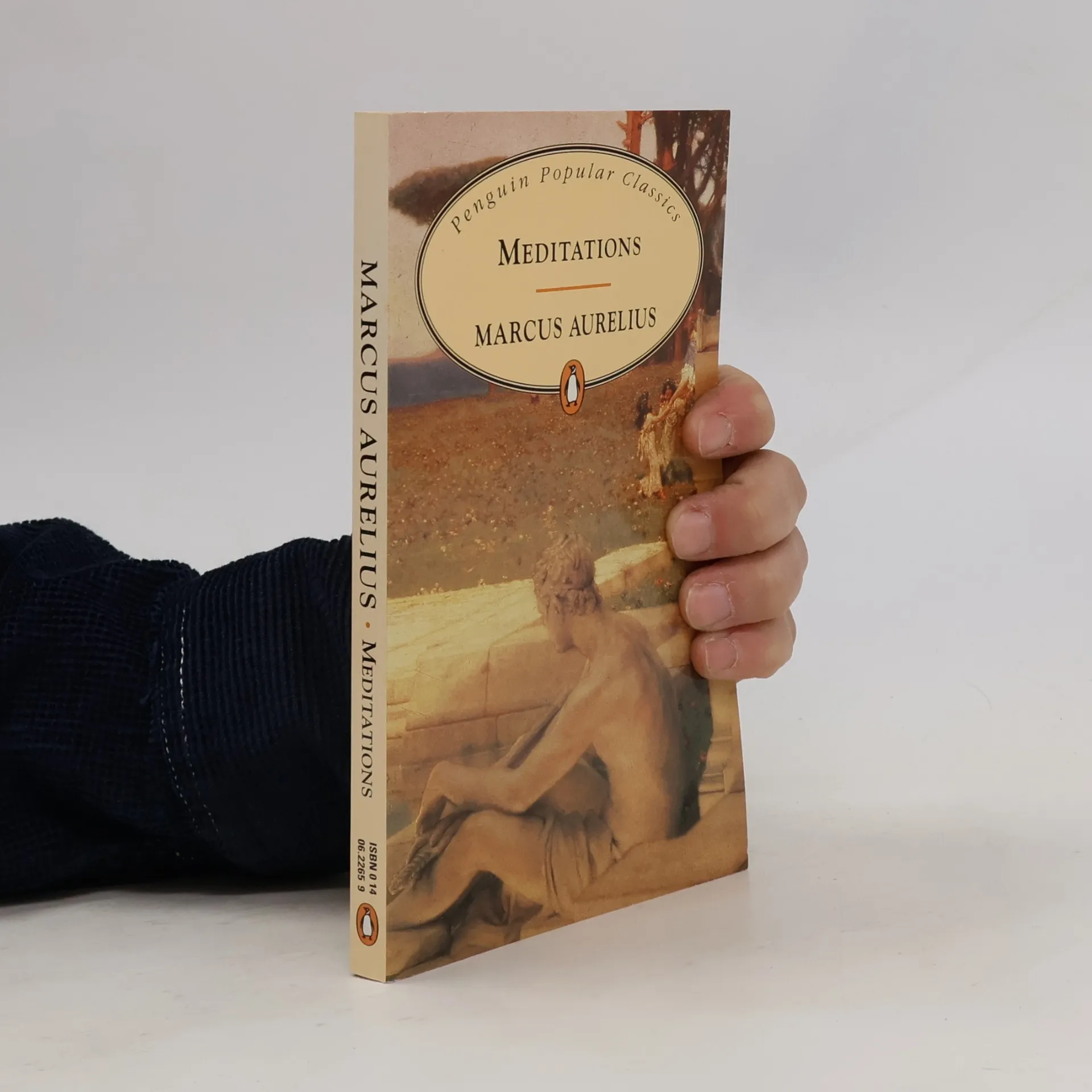
"Written in Greek by the only Roman emperor who was also a philosopher, without any intention of publication, the Meditations of Marcus Aurelius (AD 121-180) offer a series of challenging spiritual reflections and exercises developed as the emperor struggled to understand himself and make sense of the universe. Ranging from doubt and despair to conviction and exaltation, they cover such diverse topics as the nature of moral virtue, human rationality, divine providence and Marcus' own emotions. But while the Meditations were composed to provide personal consolation and encouragement, in developing his beliefs Marcus Aurelius also created one of the greatest of all works of philosophy: a timeless collection of extended meditations and short aphorisms that has been consulted and admired by statesmen, thinkers and readers throughout the centuries." "Martin Hammond's new translation fully expresses the intimacy and eloquence of the original work, with detailed notes elucidating the text. This edition also includes an introduction by Diskin Clay, exploring the nature and development of the Meditations, a chronology, further reading and full indexes."--Jacket