



Paramètres
- 256pages
- 9 heures de lecture
En savoir plus sur le livre
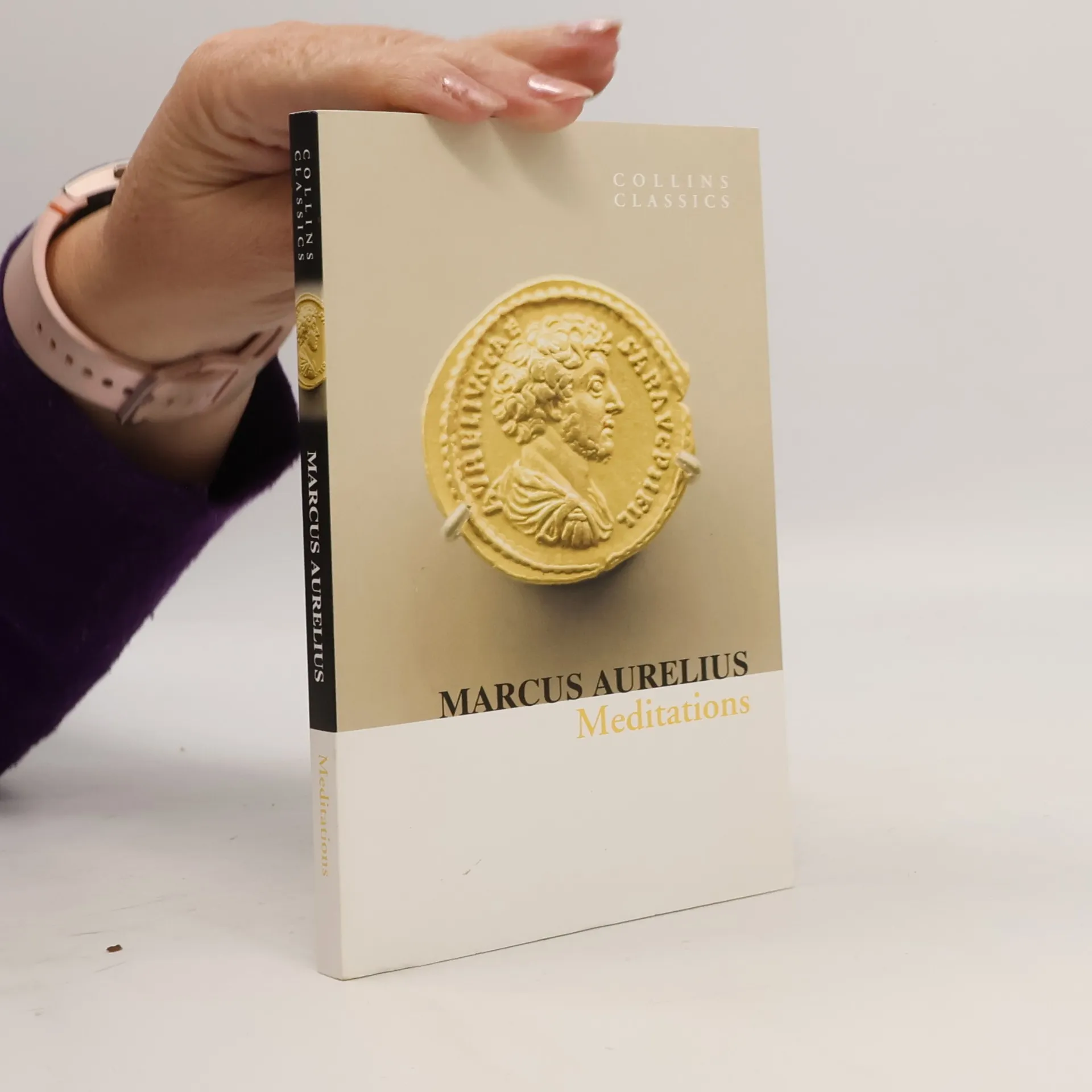
HarperCollins is proud to present its incredible range of best-loved, essential classics. Our life is what our thoughts make it The extraordinary writings of Marcus Aurelius (AD 121-180), the only Roman emperor to have also been a stoic philosopher, have for centuries been praised for their wisdom, insight and guidance by leaders and great thinkers alike. Never intended for publication, Meditations are the personal notes born from a man who studied his unique position of power as emperor while trying to uphold inner balance in the chaotic world around him. Boldly challenging many of our biggest questions, Aurelius wrestles with the divided self, considering the complexities of human nature, rationality and moral virtue, affirming its place as one of the most timeless, significant works of philosophy to date.




Achat du livre
Meditations, Antoninus Marcus Aurelius
- Langue

- Année de publication
- 2006
- Reliure
- (souple),
- État du livre
- Très bon
- Prix
- 3,59 €
Modes de paiement
Il manque plus que ton avis ici.
- Titre
- Meditations
- Langue
- Anglais
- Auteurs
- Antoninus Marcus Aurelius
- Éditeur
- Penguin Classics
- Publié
- 2006
- Format
- souple
- Pages
- 256
- ISBN10
- 0008425027
- ISBN13
- 9780008425029
- Séries
- Évaluation
- 4,2 sur 5
- Description
- HarperCollins is proud to present its incredible range of best-loved, essential classics. Our life is what our thoughts make it The extraordinary writings of Marcus Aurelius (AD 121-180), the only Roman emperor to have also been a stoic philosopher, have for centuries been praised for their wisdom, insight and guidance by leaders and great thinkers alike. Never intended for publication, Meditations are the personal notes born from a man who studied his unique position of power as emperor while trying to uphold inner balance in the chaotic world around him. Boldly challenging many of our biggest questions, Aurelius wrestles with the divided self, considering the complexities of human nature, rationality and moral virtue, affirming its place as one of the most timeless, significant works of philosophy to date.