Deb Dana Ordre des livres (chronologique)




Anchored
- 224pages
- 8 heures de lecture
Understanding the autonomic nervous system is key to improving emotional responses and overall well-being. Deb Dana introduces Polyvagal Theory, emphasizing the importance of the vagus nerve in regulating our reactions to everyday stressors. By developing 'neuroception,' readers can learn to recognize bodily cues and consciously manage emotional intensity. The book provides practical tools such as guided imagery and meditation to foster healthier connections with oneself and others, transforming fear and panic into a state of balance and confidence.
Polyvagal Prompts
- 208pages
- 8 heures de lecture
Discover the remarkable ways your nervous system works in service of your safety and well-being.
Ancré
Comprendre et réguler notre système nerveux - La théorie polyvagale pour tous
- 226pages
- 8 heures de lecture
Réduisez le stress et la surcharge grâce à une compréhension plus approfondie de votre système nerveux.
Leben mit der Polyvagal-Theorie
In Sicherheit verankert
Polyvagal Practices
- 152pages
- 6 heures de lecture
Bringing the benefits of polyvagal theory to readers through easy-to-implement exercises
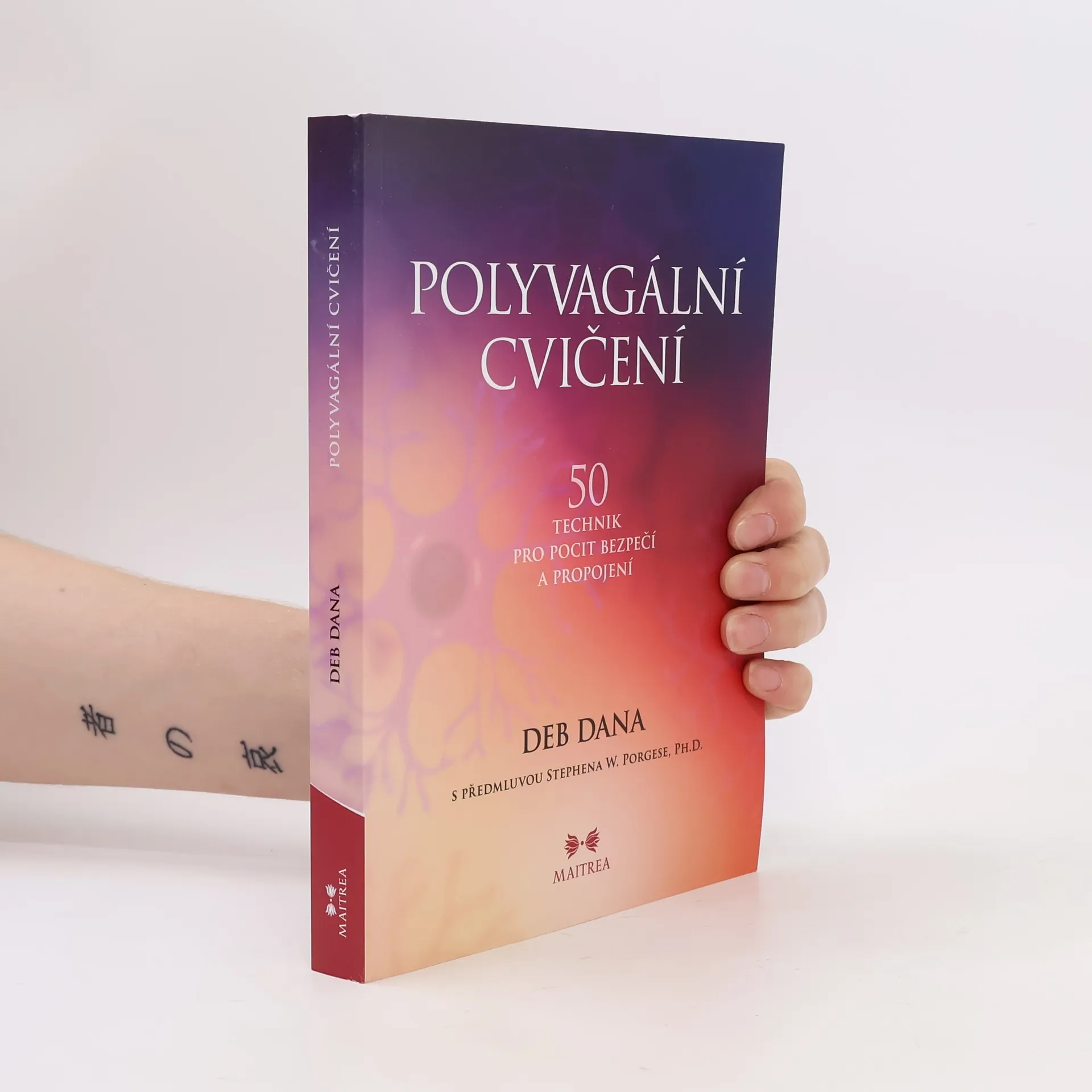
Ukotvení. Jak se spřátelit s nervovým systémem pomocí polyvagální teorie
- 228pages
- 8 heures de lecture
Pokud máte pocit, že vás každodenní stresy vyloženě ohrožují na životě, má to svůj důvod – váš nervový systém není v rovnováze. Průlomový poznatek polyvagální teorie spočívá v tom, že můžeme regulovat funkci svého bloudivého nervu, hlavní „informační dálnice“ těla, a najít tak cestu zpět k pocitu životní pohody. V knize Ukotvení nám Deb Dana předkládá neotřelou prezentaci polyvagální teorie a poté nám ukazuje, jak lze tuto vědeckou disciplínu praktickými způsoby vnést do života a změnit tak náš vztah k tělu. Prostřednictvím v praxi ověřených technik nám Deb Dana nabízí možnost osvojit si dovednosti, díky nimž si budeme moci lépe v každém okamžiku lépe uvědomovat svůj nervový systém a obnovit schopnost čelit velkým i malým životním výzvám.
Deb Dana is the leading clinical translator of Stephen Porges's influential polyvagal theory. Here she further extends the reach of this groundbreaking perspective on mental wellness in the form of a card deck. These cards have been thoughtfully created to provide polyvagal concepts and prompts grouped into four areas representing three sections of the autonomic hierarchy: ventral; sympathetic; dorsal (a section about regulating the system); and a bonus section exploring play, stillness, and change. The cards will enable clients to enhance a broad understanding of their nervous system as well as guide them through a process of tuning in. Clinicians can use the cards at the beginning of a session to frame the work or at the end to create a plan for ongoing work. Clients can reach for the cards any time they want some nervous system support.
Der Vagus-Nerv als innerer Anker
Angst und Panik überwinden, Ruhe und Stärke finden - Übungen zum Aktivieren der Selbstheilungskräfte
Entdecken Sie die Nervenbahnen des Körpers, die zu Ruhe und Sicherheit führen Wir alle kennen Situationen, in denen wir überreagieren. Wir können unser Nervensystem jedoch darauf trainieren, dass es mit mehr Leichtigkeit und Ruhe auf die Welt reagiert. In diesem praktischen Benutzerhandbuch erfahren Sie, wie sie mithilfe der Polyvagal-Theorie von einem Ort der Angst und Panik in einen geerdeten Zustand des Gleichgewichts kommen. Die international renommierte Therapeutin Deb Dana erklärt, wie Sie dazu Ihren Vagus-Nerv nutzen können, der Signale direkt vom Körper zum Gehirn sendet. In zahlreichen Übungen, Meditationen und Selbstbeobachtungen zeigt sie, wie Sie mit dieser angeborenen Fähigkeit des Körpers arbeiten können, um Stress, Konflikte und körperliche Beschwerden zu bewältigen. So schaffen wir uns Momente der Sicherheit, in denen wir uns verankern können. Mit einem Vorwort von Stephen W. Porges, dem Begründer der Polyvagal-Theorie
Exploring the intricacies of polyvagal theory, this book offers insights into how clients can reconnect with their autonomic experiences, moving beyond the confines of their cognitive narratives. It addresses the challenges of explaining this theory in a way that makes the biological aspects of their experiences more accessible and understandable, ultimately enhancing therapeutic practices.
Arbeiten mit der Polyvagal-Theorie
Übungen zur Förderung von Sicherheit und Verbundenheit
- 288pages
- 11 heures de lecture
Polyvagal exercises for safety and connection : 50 client-centered practices
- 360pages
- 13 heures de lecture
"A practical guide to working with the principles of polyvagal theory beyond the therapy session. Deb Dana is the foremost translator of polyvagal theory into clinical practice. Here, in her third book on this groundbreaking theory, she provides therapists with a grab- bag of polyvagal- informed exercises for their clients, to use both within and between sessions. These exercises offer readily understandable explanations of the ways the autonomic nervous system directs daily living. They use the principles of polyvagal theory to guide clients to safely connect to their autonomic responses and navigate daily experiences in new ways. The exercises are designed to be introduced over time in a variety of clinical sessions with accompanying exercises appropriate for use by clients between sessions to enhance the therapeutic change process. Essential reading for any therapist who wants to take their polyvagal knowledge to the next level and is looking for easy ways to deliver polyvagal solutions with their clients"-- Provided by publisher
The Polyvagal Theory in Therapy
- 320pages
- 12 heures de lecture
"With ... explanations of the organizing principles of polyvagal theory, this complex theory is translated into clinician and client-friendly language. Using a unique autonomic mapping process along with worksheets designed to ... track autonomic response patterns, this book presents ... ways to work with clients' experiences of connection. Through exercises that have been specifically created to engage the regulating capacities of the ventral vagal system, therapists are given tools to help clients reshape their autonomic nervous systems"--Dust jacket flap