

Bookbot

Eric Karpeles

    1 janvier 1954

    Eric Karpeles est un peintre qui écrit sur la peinture et à l'intersection de la littérature et de l'esthétique visuelle. Son enquête artistique découle d'un riche bagage culturel et d'une formation dans des institutions estimées. Karpeles explore la relation fascinante entre les mots et les images, offrant aux lecteurs une perspective unique sur l'art. Son travail présente une profonde contemplation de la manière dont les mondes visuel et littéraire coexistent et s'enrichissent mutuellement.

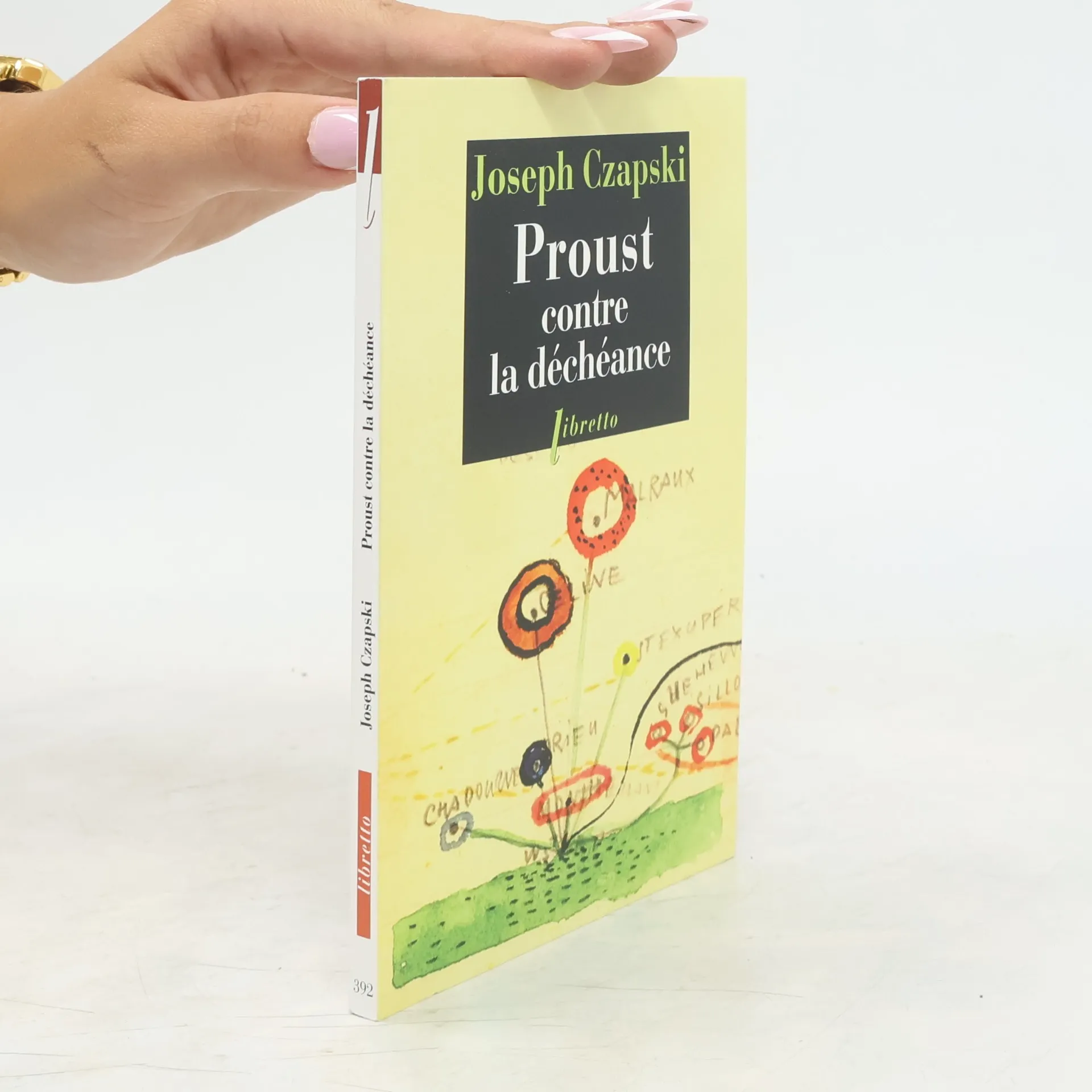
    Proust contre la déchéance. Conférence au camp de Griazowietz
    Paintings in Proust
    • Paintings in Proust

      • 352pages
      • 13 heures de lecture

      Paintings in Proust is a companion guide to a monumental twentieth century work of art. Marcel Proust's In Search of Lost Time, one of the most expansive literary creations ever composed, is a vast novel teeming with visual references. Author Eric Karpeles has combined his experiences as painter and writer to create a lavishly illustrated book that illuminates the winding corridors of Proust's singular, labyrinthine masterpiece. For newcomers to Proust's work, Paintings in Proust functions as a complementary guidebook, providing a firmer ground from which to undertake the task of plunging into a novel famously known for its complexity and its length. At the same time, Paintings in Proust offers further nourishment to the seasoned Proustian reader, whose plate is already extravagantly full. Paintings in Proust animates the experience of reading by revealing and clarifying much that might otherwise remain obscure. Illustrating a treasure trove of visual references, Paintings in Proust provides access and insight in its presentation of paired groupings of texts and pictures, arranged sequentially, as they appear in volume after volume of In Search of Lost Time

      Paintings in Proust
      4,5
    • Proust contre la déchéance. Conférence au camp de Griazowietz

      conférences au camp de Griazowietz

      • 80pages
      • 3 heures de lecture

      Tra il 1940 e il 1941 nel gulag di Grjazovec, quattrocento chilometri a nord di Mosca, un gruppo di ufficiali polacchi detenuti trova un modo decisamente inusuale, e quanto mai efficace, per resistere all'annientamento morale e intellettuale. A turno intrattengono i compagni di prigionia – accalcati in una stanza, esausti dopo le ore passate a lavorare all'aperto, nel gelo feroce dell'inverno russo – parlando di argomenti con cui hanno particolare dimestichezza. Ne nasce così una serie di vere e proprie lezioni, pressoché clandestine, sui soggetti più disparati: dalla storia del libro a quella dell'Inghilterra, dall'alpinismo all'architettura. Józef Czapski, pittore di vaglia e scrittore, conversa di pittura francese e pittura polacca, nonché di letteratura francese. E soprattutto rievoca e commenta – citando a memoria, senza il minimo supporto cartaceo, e tuttavia con una precisione sorprendente – intere pagine della Recherche di Proust, opera che l'Unione Sovietica ha messo all'indice in quanto espressione paradigmatica della letteratura borghese decadente. E quello che ne scaturisce – cui abbiamo oggi accesso grazie alla trascrizione in francese che lo stesso Czapski realizza ‘a caldo’ – non è soltanto una dimostrazione del potere del ricordo e la testimonianza di un modello singolarissimo di resistenza, ma anche una lettura di Proust di suprema finezza.

      Proust contre la déchéance. Conférence au camp de Griazowietz
      3,0