


Cette série explore le monde captivant des robots et de l'intelligence artificielle à travers des récits captivants et souvent humoristiques. Chaque volet aborde les défis techniques et les dilemmes éthiques qui découlent de l'autonomie croissante des machines. Les lecteurs peuvent s'attendre à des intrigues rythmées, des scénarios ingénieux et des questions qui poussent à la réflexion sur la nature de l'humanité. C'est idéal pour les fans de science-fiction qui apprécient l'esprit vif et les concepts imaginatifs.
Seeks to rehabilitate dialectical materialism by discussing the "parallax gap," which separates two points because of the displacement of an object resulting from a change in observational position.
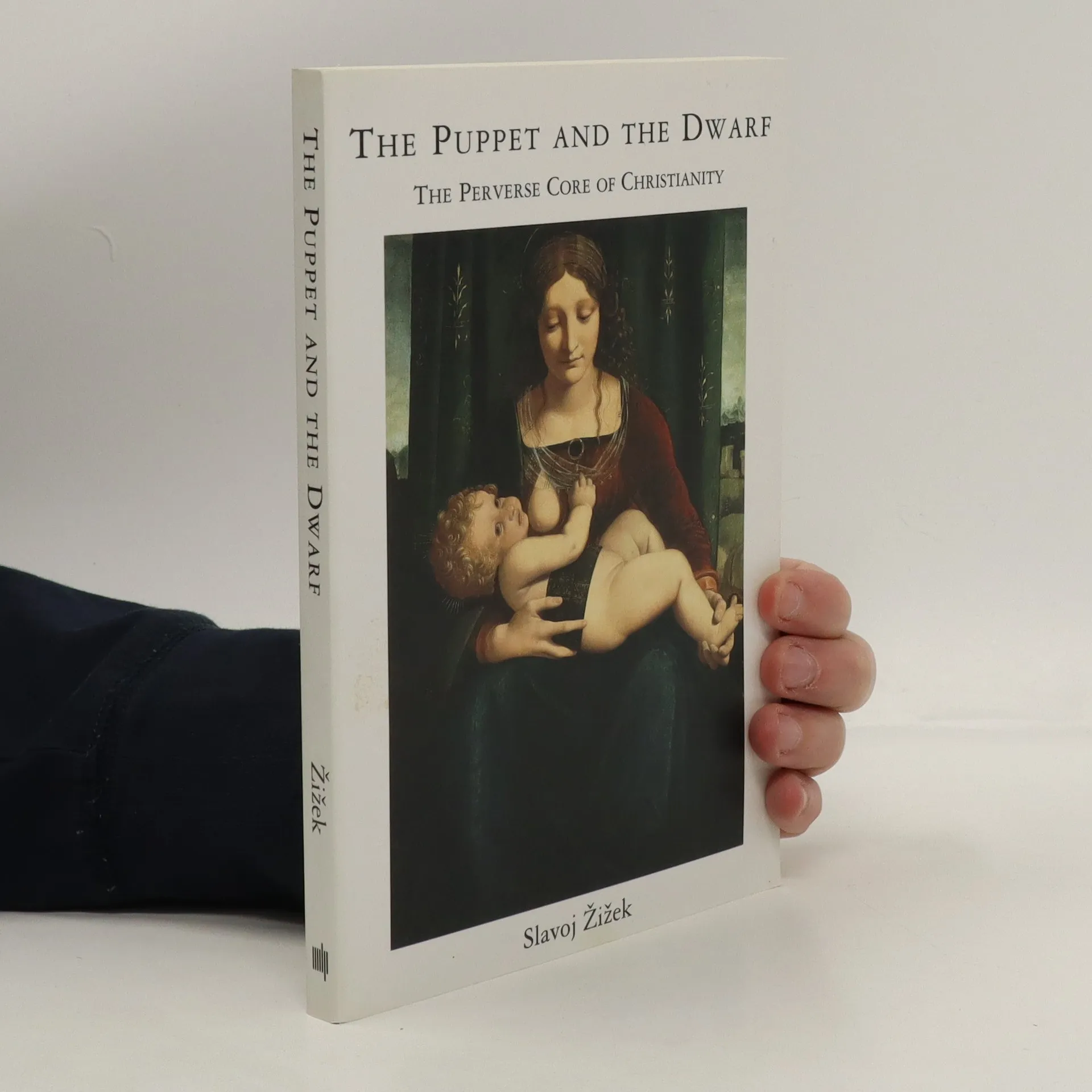
One of our most daring intellectuals offers a Lacanian interpretation of religion, finding that early Christianity was the first revolutionary collective.Slavoj Zizek has been called "an academic rock star" and "the wild man of theory"; his writing mixes astonishing erudition and references to pop culture in order to dissect current intellectual pieties. In The Puppet and the Dwarf he offers a close reading of today's religious constellation from the viewpoint of Lacanian psychoanalysis. He critically confronts both predominant versions of today's spirituality -- New Age gnosticism and deconstructionist-Levinasian Judaism -- and then tries to redeem the "materialist" kernel of Christianity. His reading of Christianity is explicitly political, discerning in the Pauline community of believers the first version of a revolutionary collective. Since today even advocates of Enlightenment like Jurgen Habermas acknowledge that a religious vision is needed to ground our ethical and political stance in a "postsecular" age, this book -- with a stance that is clearly materialist and at the same time indebted to the core of the Christian legacy -- is certain to stir controversy.
Focusing on the radical impact of NSK, this study delves into the performances and productions of Laibach, its musical and conceptual division. Emerging after Tito's death and amid Yugoslavia's breakup, NSK represents a significant avant-garde force in Eastern Europe, known for its complex and provocative works across various artistic fields. Laibach, in particular, merges popular culture with subversive politics, capturing the political and cultural turmoil of its era while gaining an international following.
A militant Marxist atheist and a ""Radical Orthodox"" Christian theologian square off on everything from the meaning of theology and Christ to the war machine of corporate mafia