Bookbot

Le passé légendaire

Cette saga épique plonge dans les profondeurs des âges oubliés, où le mythe et l'histoire s'entremêlent. Suivez les voyages de héros qui affrontent des pouvoirs anciens et façonnent le monde qui les entoure. La série offre un récit captivant rempli d'aventures, de magie et de personnages inoubliables. C'est un voyage dans le passé qui définit l'avenir.

Ruské mýty
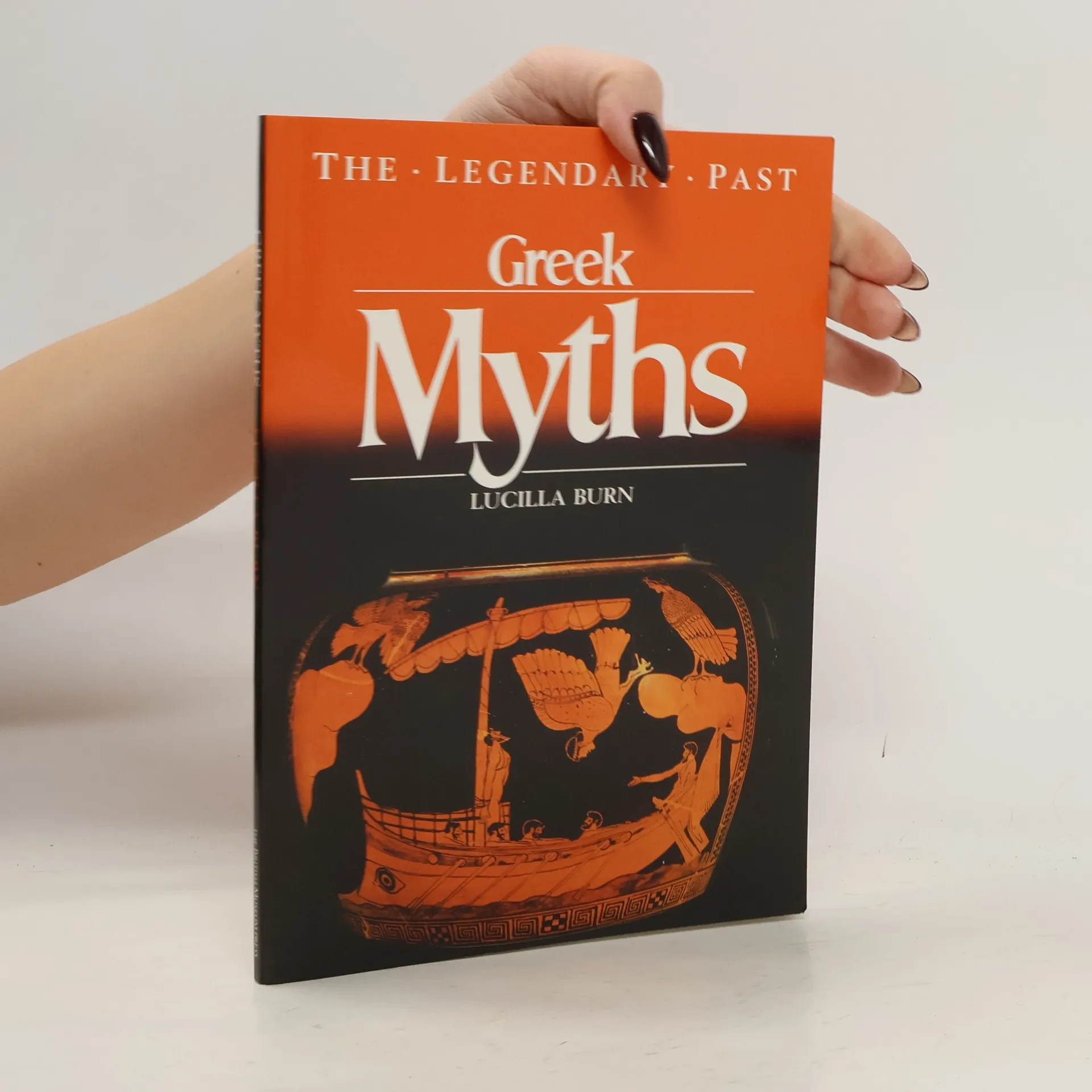
Greek Myths
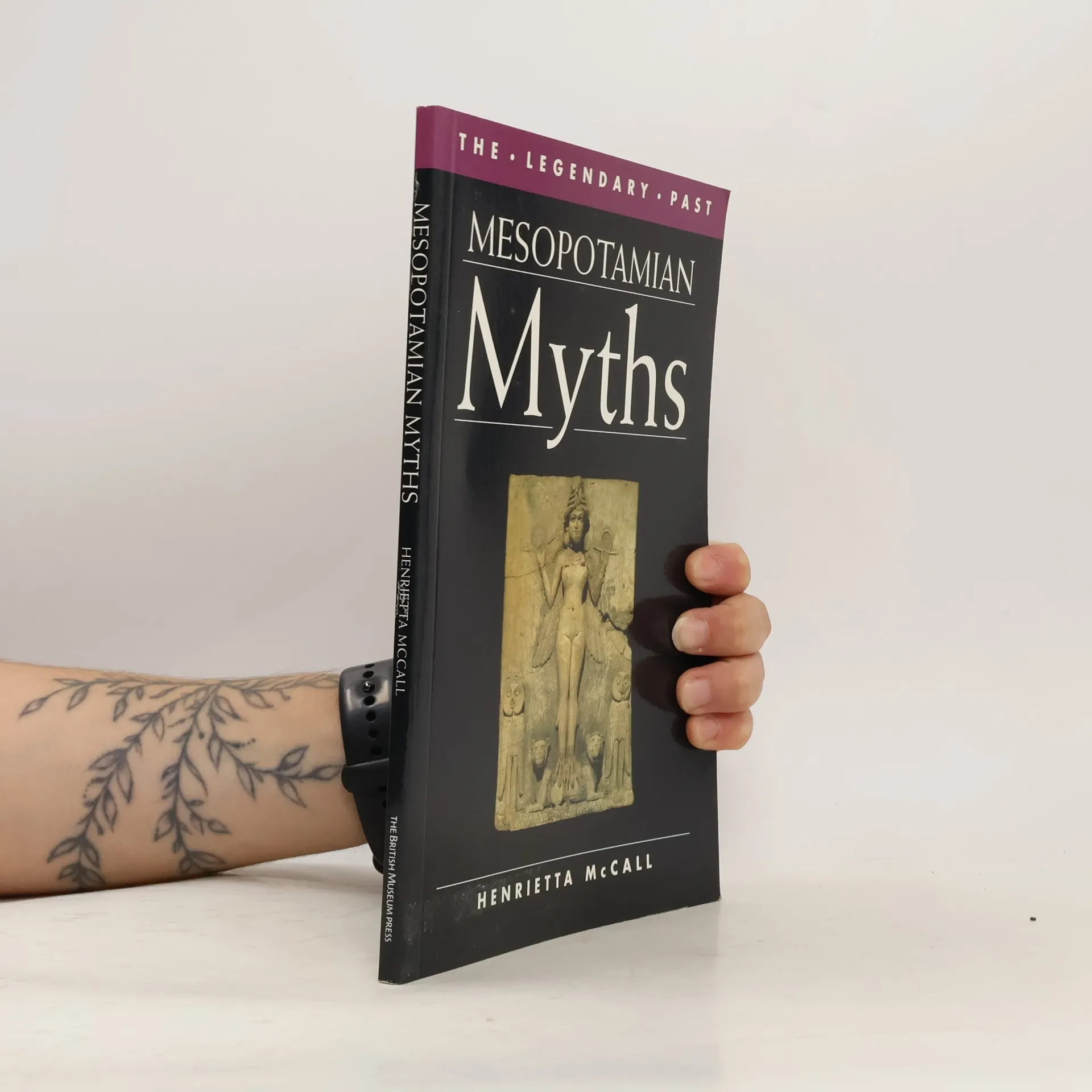
The Legendary Past: Mesopotamian Myths
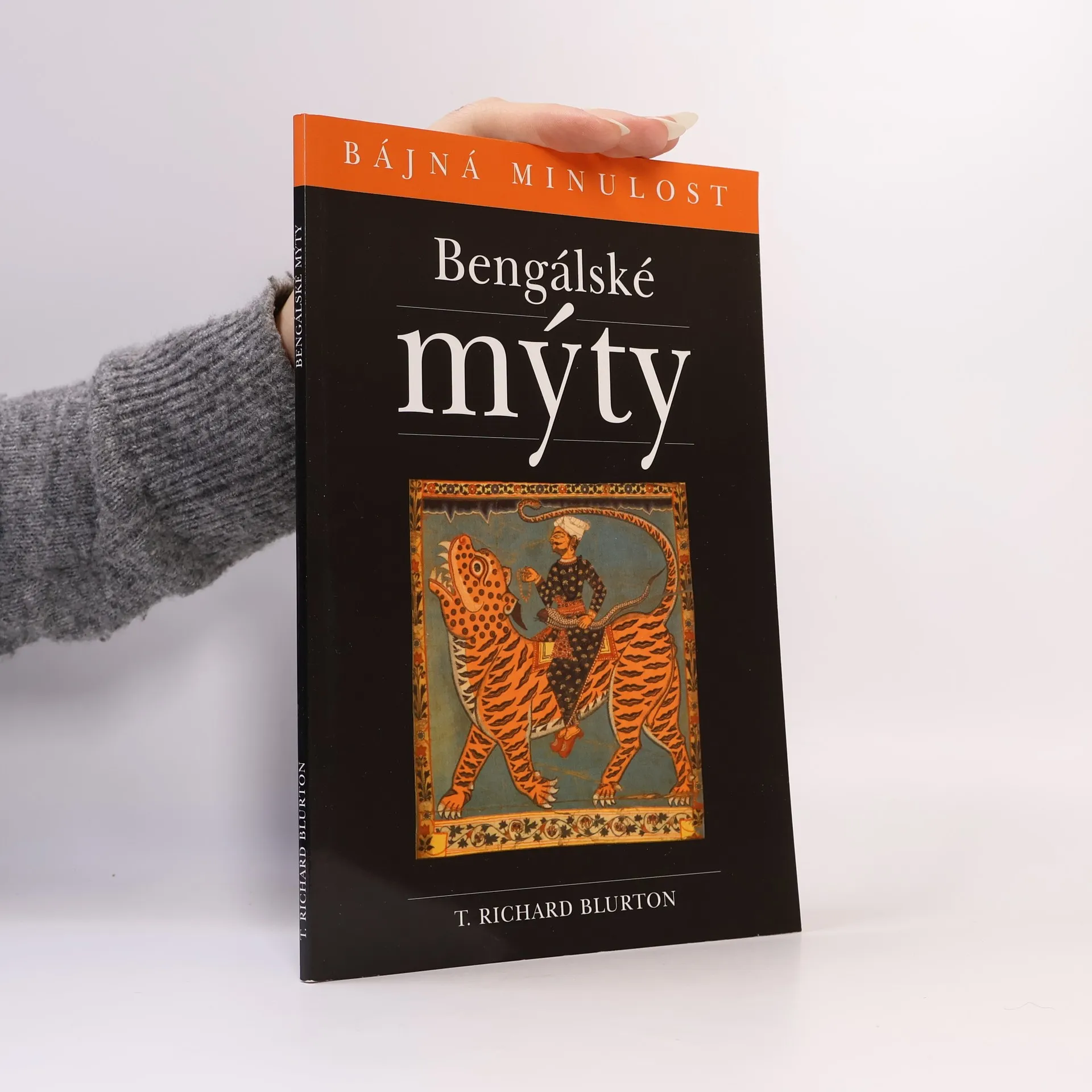
Bengálské mýty
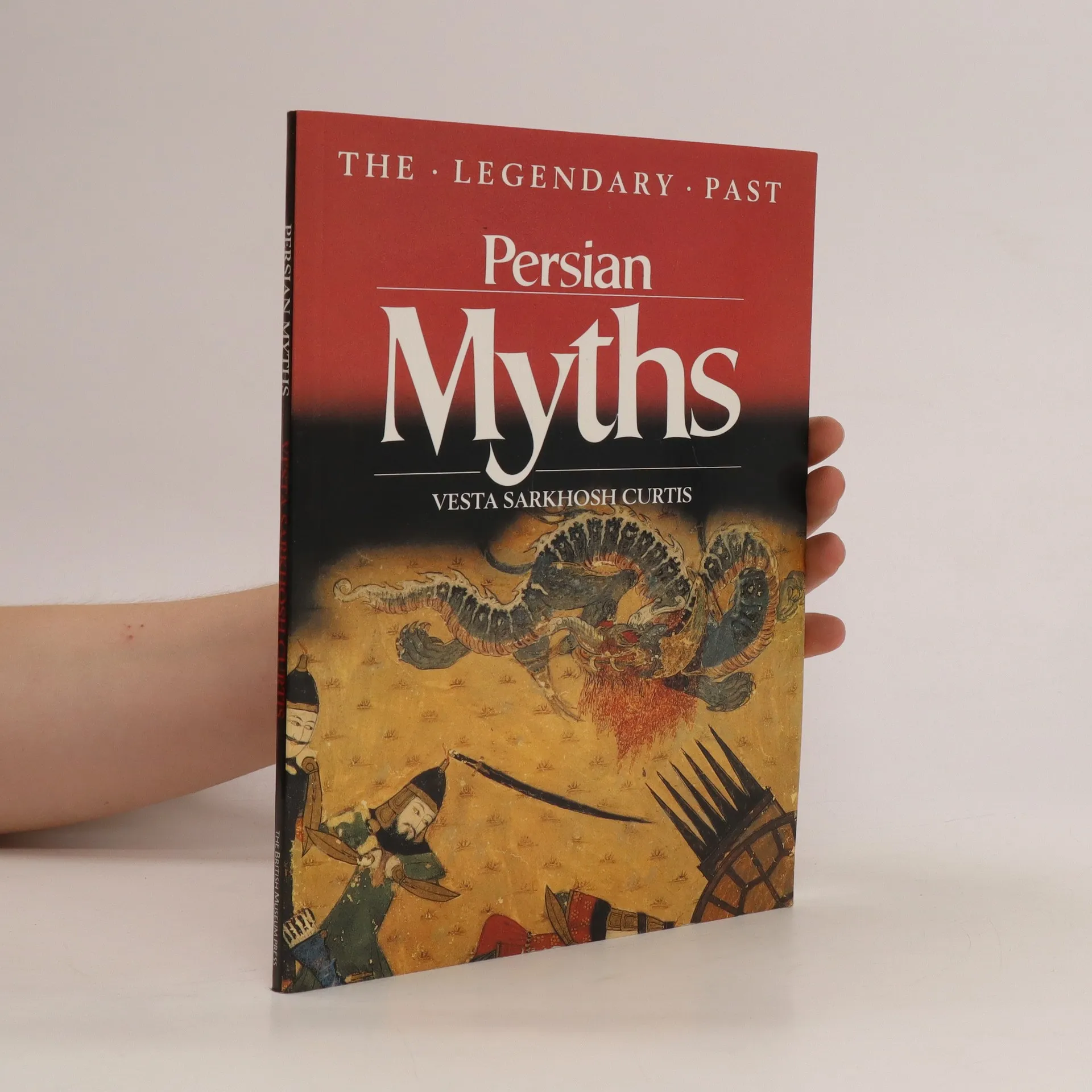
Persian Myths
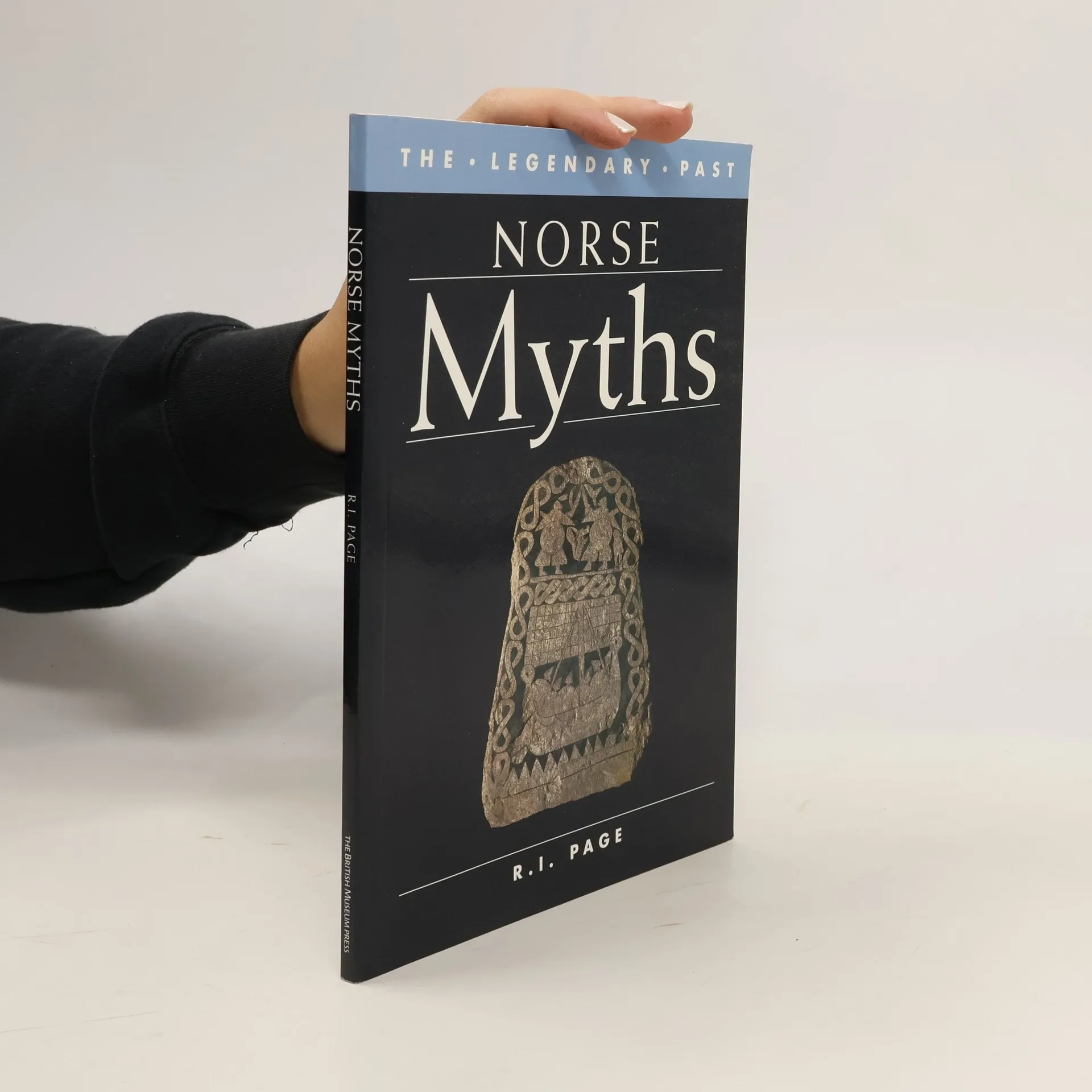
Norse Myths
  • Norse Myths

    • 80pages
    • 3 heures de lecture

    Entertaining and sometimes horrifying legends of gods and goddesses, heroes and heroines, monsters and giants survive from pagan Scandinavia, even though the Norse were unable to write them down. With authority and wit, Professor Page retells the Norse legends and shows how complex and sometimes contradictory their traditions are.
    Norse Myths
    4,1
  • Persian Myths

    • 80pages
    • 3 heures de lecture

    The traditional tales and stories of ancient Iran describe confrontations between good and evil, the victories of the gods and the exploits of heroes and fabulous supernatural creatures such as the magical bird Simurgh and the "div" or demons. Much information about Iran's pre-Islamic past comes from the holy book of the Zoroastrian religion, the "Avesta", which was not written down in its present form until the 13th or 14th century but parts of it date back originally to between 1400 and 1200 BC. As well as the words of the prophet Zoroaster, and stories about the Wise Lord Ahura Mazda, it incorporates earlier pagan myths which reappear in the "Shahnameh" (Book of Kings), an epic in rhyme completed in AD 1010 by the poet Firdowski and featuring his most famous hero, Rustan.

    Persian Myths
    3,6
  • Bengálské mýty

    • 81pages
    • 3 heures de lecture

    Příběhy obsažené v této knize většinou vycházejí z hinduistické tradice a vyskytuje se v nich mocná bohyně Durgá, jejíž svátek se slaví každý podzim; mladý bůh Kršna, v Bengálsku proslulý svým erotickým flirtováním; archetypální král Ráma; a lidová bohyně Manasá a Čandí. Autor se také zabývá příběhy o svatých, například Gazi Pírov, který do oblasti delty přinesl islám. Legenda o něm je částečně vyobrazená v jednom z nejkrásnějších a nejdelších dochovaných vypravěčských svitcích. Všechny příběhy přispěly do pulsující směsi Bengálska a jsou ilustrovány ukázkami z pozoruhodné sbírky Britského muzea.

    Bengálské mýty
    3,8
  • A vast legacy of powerful creative writing was revealed when nineteenth-century scholars managed to decipher the mysterious wedge-shaped symbols of cuneiform script, inscribed on clay tablets over 5,000 years ago by the ancient Mesopotamians. Strikingly familiar themes emerged, forcing the Victorian world to review its belief in the Bible as the sole source of literal truth. Imagine the impact of the Epic of Gilgamesh -- the saga of a man in search of the secret of eternal life -- which includes scenes of a flood predating the story of Noah and the Ark. In contrast, an alternative version of human origins is described in the Mesopotamian Epic of Creation, while the tale of Etana foreshadows the Greek myth of Ganymede. These and other stories are here retold, based on the latest translations, and illustrated with the works of both contemporary and later artists inspired by the rediscovery of these ancient characters and themes. Not only are the myths a foundation of our Western literary tradition, they are also compelling stories in their own right.

    The Legendary Past: Mesopotamian Myths
    4,0
  • Greek Myths

    • 80pages
    • 3 heures de lecture

    Here retold in all their dramatic power are some of the most exciting and influential of all Greek myths: the epic struggle of the Trojan War, the wanderings of Odysseus, the tragic destiny of Oedipus, and the heroic adventures of Herakles, Theseus, Perseus, and Jason. The author introduces the complex pantheon of Olympian gods and goddesses, describing their attributes, genealogies, and often comic relationships, and illustrates the personalities and their stories by drawing upon the artistry of the ancient culture which created them. A concluding chapter reviews the powerful and continuing imaginative legacy of Greek myth, from Botticelli to Freud.

    Greek Myths
    3,4
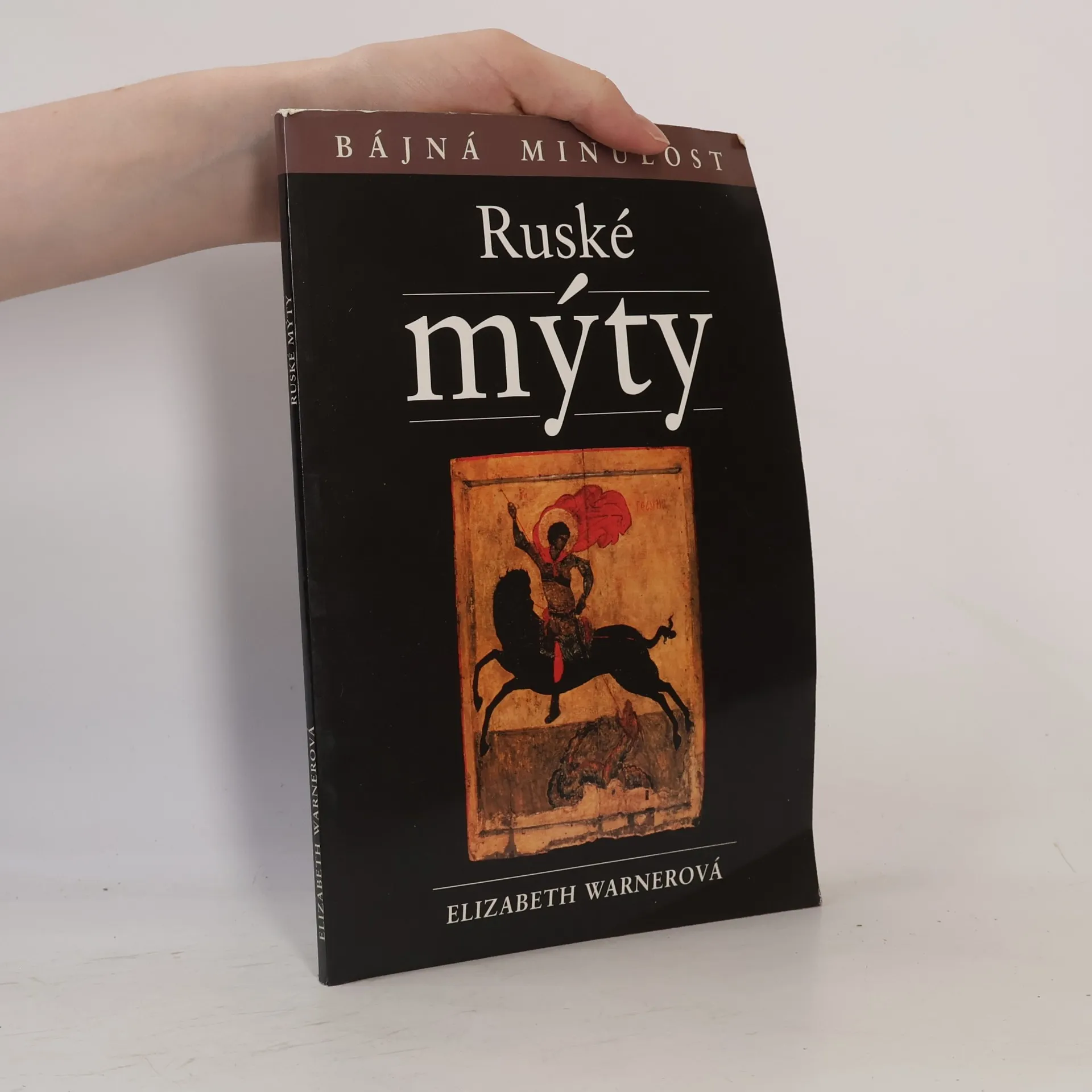
  • Ruské mýty

    • 80pages
    • 3 heures de lecture

    Báje a mýty, které vznikaly na území Ruska, kdy do Kyjevské Rusi začalo pronikat křesťanství a smíchalo se s pohanskými bohy.

    Ruské mýty
    3,7
  • Příručka shrnuje základní příběhy, archetypy a motivy čínské mytologie. Mýty jsou uspořádány do kapitol podle témat (např. stvoření světa, božský kosmos, mýty o katastrofách, bájná flora a fauna) a jsou zasazeny do kontextu světové mytologie.

    Čínské mýty
    3,3
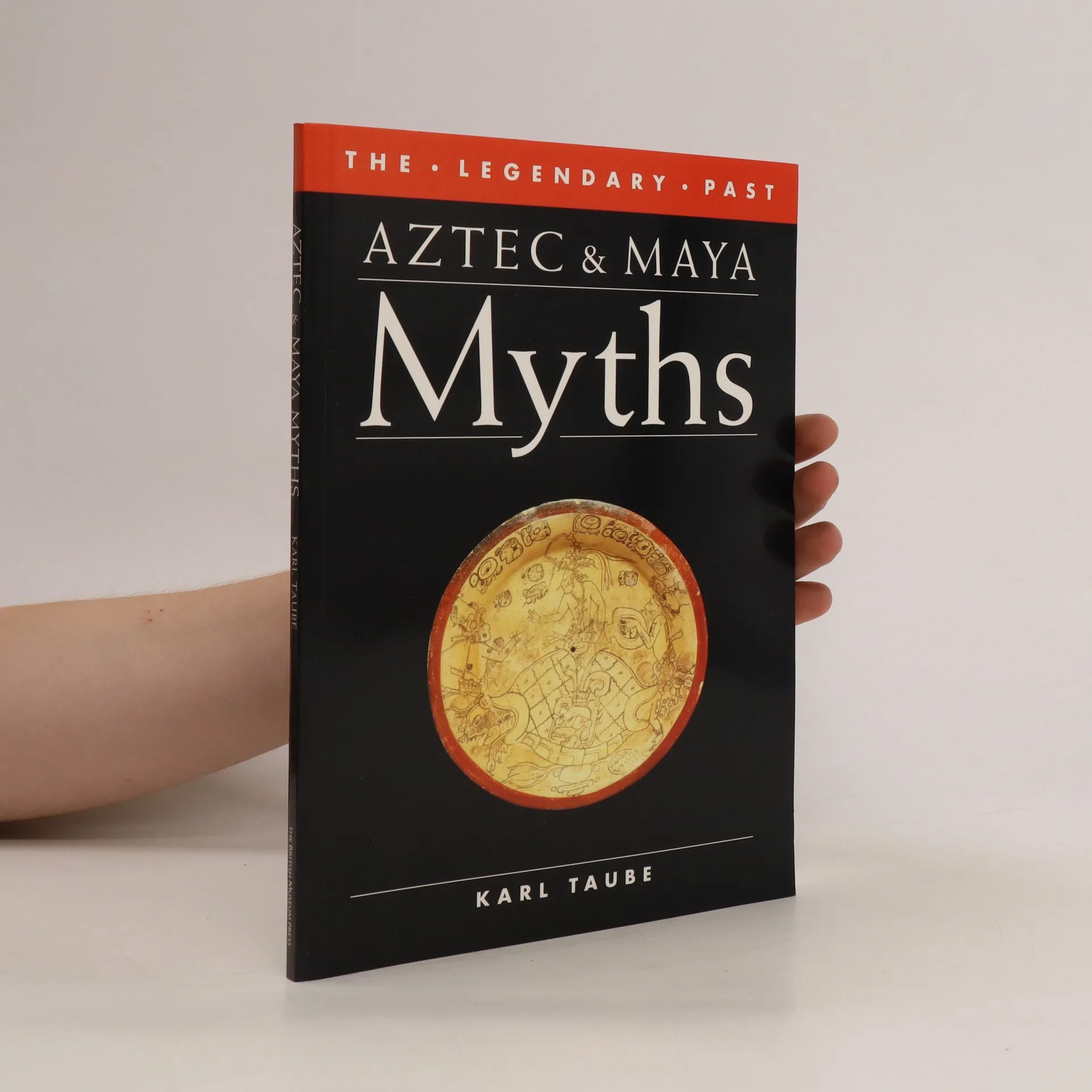
  • Aztec & Maya Myths

    • 80pages
    • 3 heures de lecture

    The myths of the Aztec and Maya derive from a shared Mesoamerican cultural tradition. This is very much a living tradition and many of the motifs and gods mentioned in early sources are still evoked in the lore of contemporary Mexico and Central America. Professor Taube discusses the different sources for Aztec and Maya myths. The Aztec empire began less than 200 years before the Spanish conquests and knowledge of their mythology derives primarily from native colonial documents and manuscripts commissioned by the Spanish. The Maya mythology is far older and evidence survives from native writing and art of the classic period, over 600 years before the Spanish conquest. Drawing upon these sources, as well as 19th- and 20th-century excavations and research, including the interpretation of the codices and decipherment of Maya hieroglyphic writing, the author discusses, amongst others, the "Popol Vuh" myths of the Maya, the flood myth of northern Yucatan and the Aztec creation myths.

    Aztec & Maya Myths
    3,6
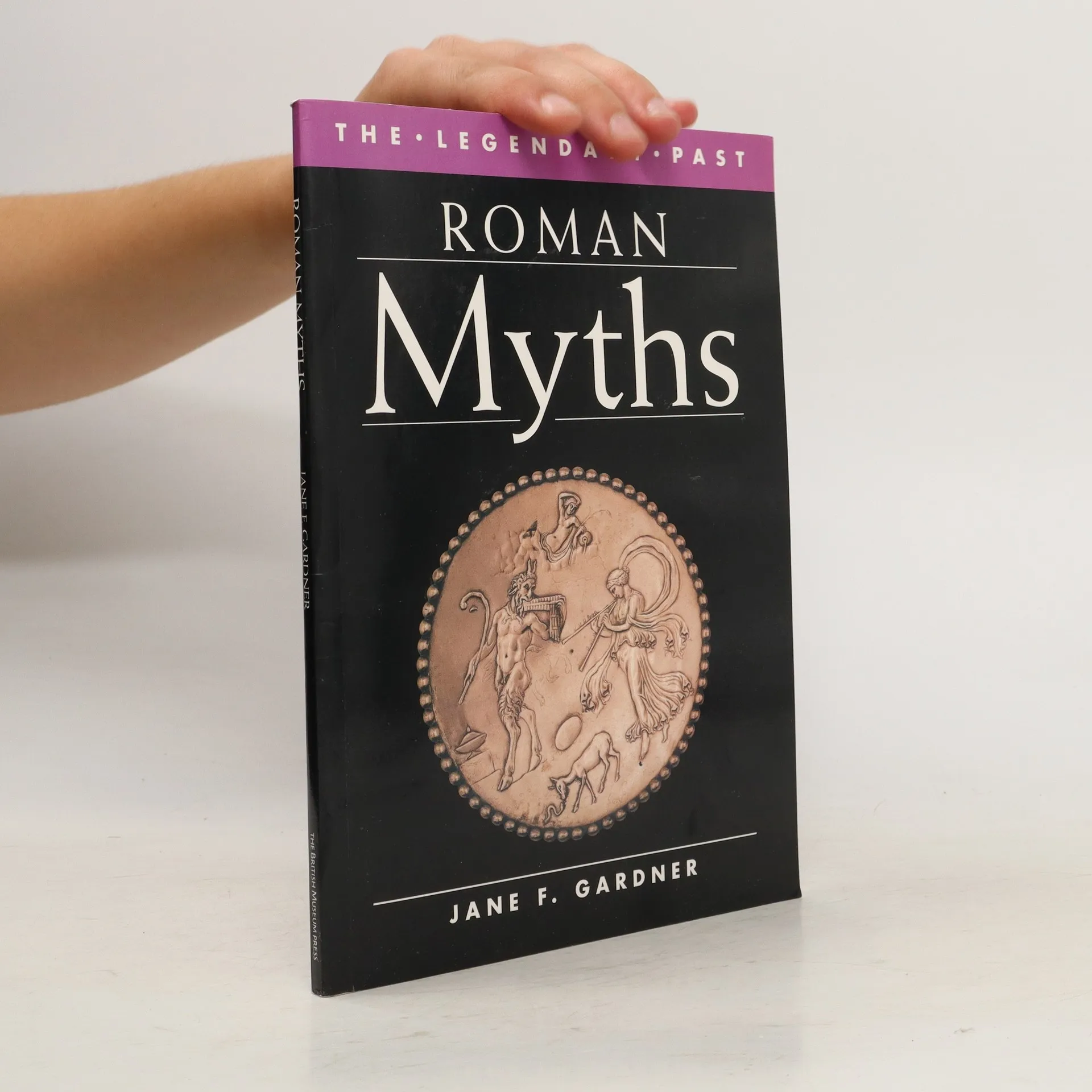
  • Roman Myths

    • 80pages
    • 3 heures de lecture

    The myths of the Romans are stories not about the gods but about the Romans themselves. Writers such as Livy, Virgil and Ovid presented myths as if they were actual histories of the origins and early days of Rome.

    Roman Myths
    3,4
  • Egyptian Myths

    • 80pages
    • 3 heures de lecture

    The rich panorama of ancient Egyptian mythology has survived through tomb paintings, temple inscriptions, and papyri. This account begins with the creation legends of Heliopolis, Memphis, and Hermopolis and illustrates the intellectual struggles of the Egyptians to explain the beginning of the world. The myths that follow range from stories about the gods—the murder of Osiris and vengeance of Horus, Isis and the seven scorpions, Sakhmet and the virtual slaughter of mankind—to fables such as the Shipwrecked Sailor and the Enchanted Island. Through these delightful and often amusing tales, we can appreciate more fully the beliefs and imagination of the ancient Egyptians.

    Egyptian Myths
    2,9
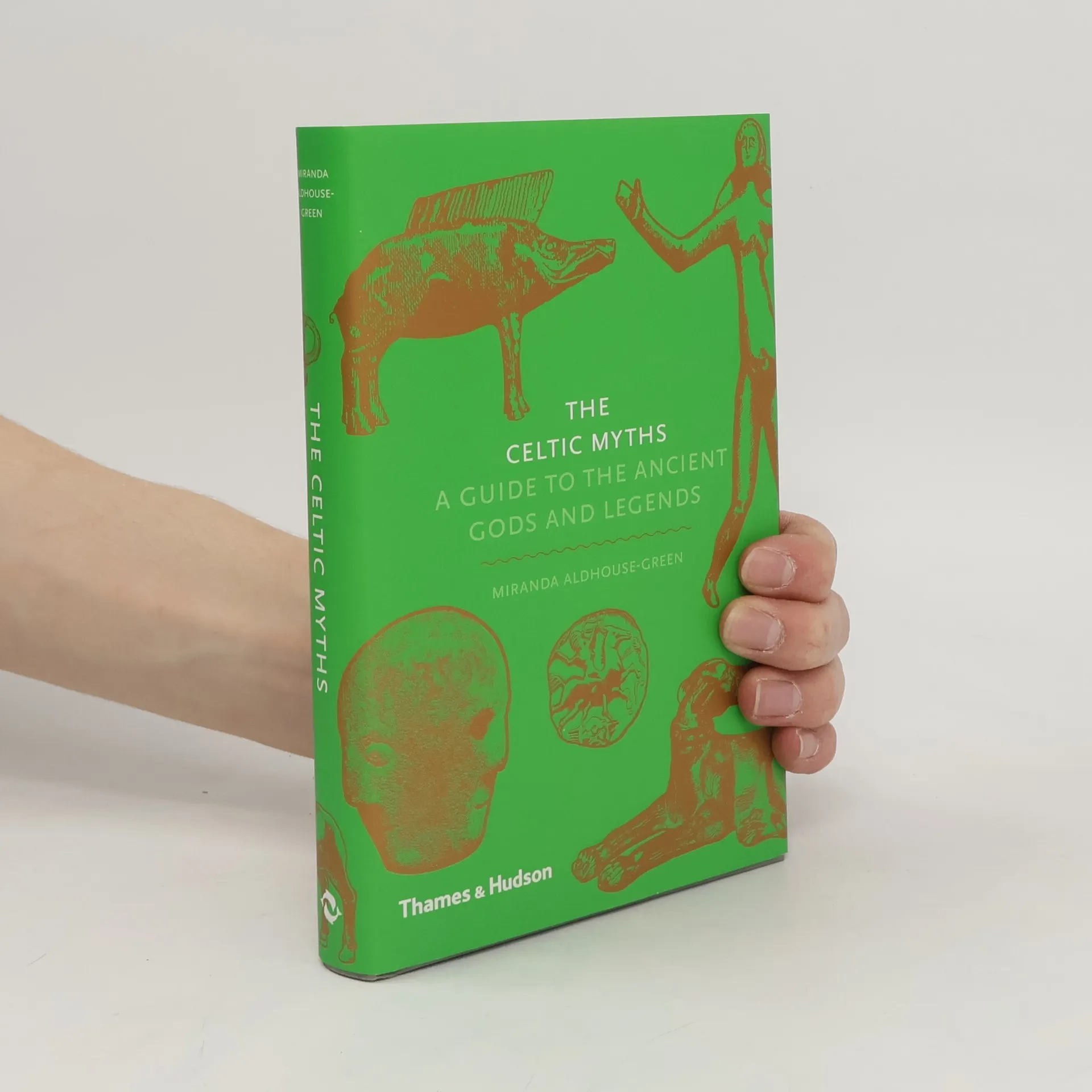
  • The Celtic Myths

    • 207pages
    • 8 heures de lecture

    As well as vividly exploring the tales, the author brings her expertise in the archaeology of the Iron Age and particularly shamanism to bear on the mythical worlds she describes, with evidence as diverse as the Gundestrup Cauldron and the famous bog bodies. She also asks how the myths survived the Christianization of Europe.

    The Celtic Myths
    3,6
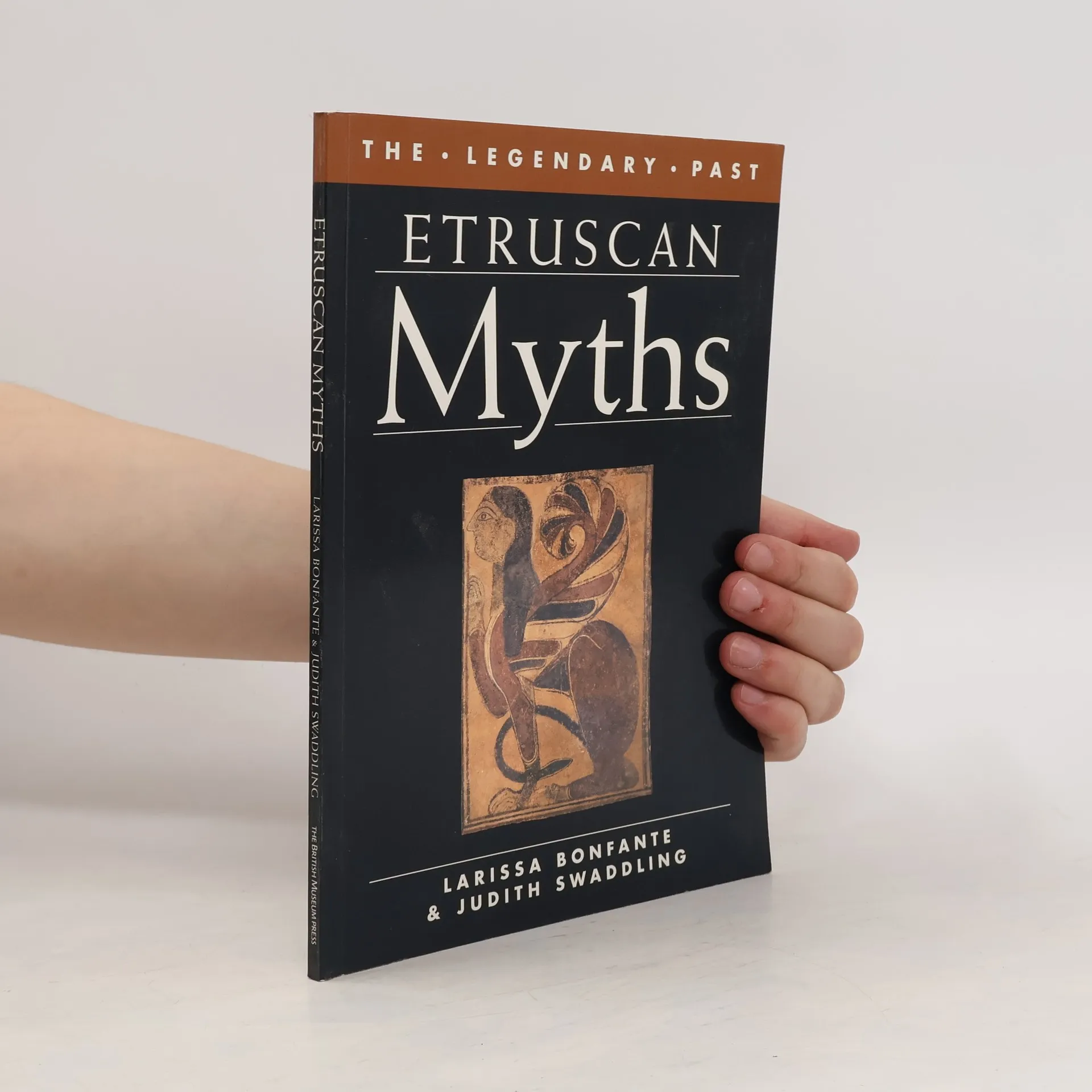
  • Etruscan Myths

    • 84pages
    • 3 heures de lecture

    The Etruscan culture flourished for nearly 1000 years, playing an important part in the history of the Mediterranean alongside the Greeks, Phoenicians and Romans. This title explores their legacy in mythology and beliefs, as well as Etruscan art, which includes interpretations of scenes from Greek mythology.

    Etruscan Myths
    3,7