

The Cork Guide
Auteurs
En savoir plus sur le livre
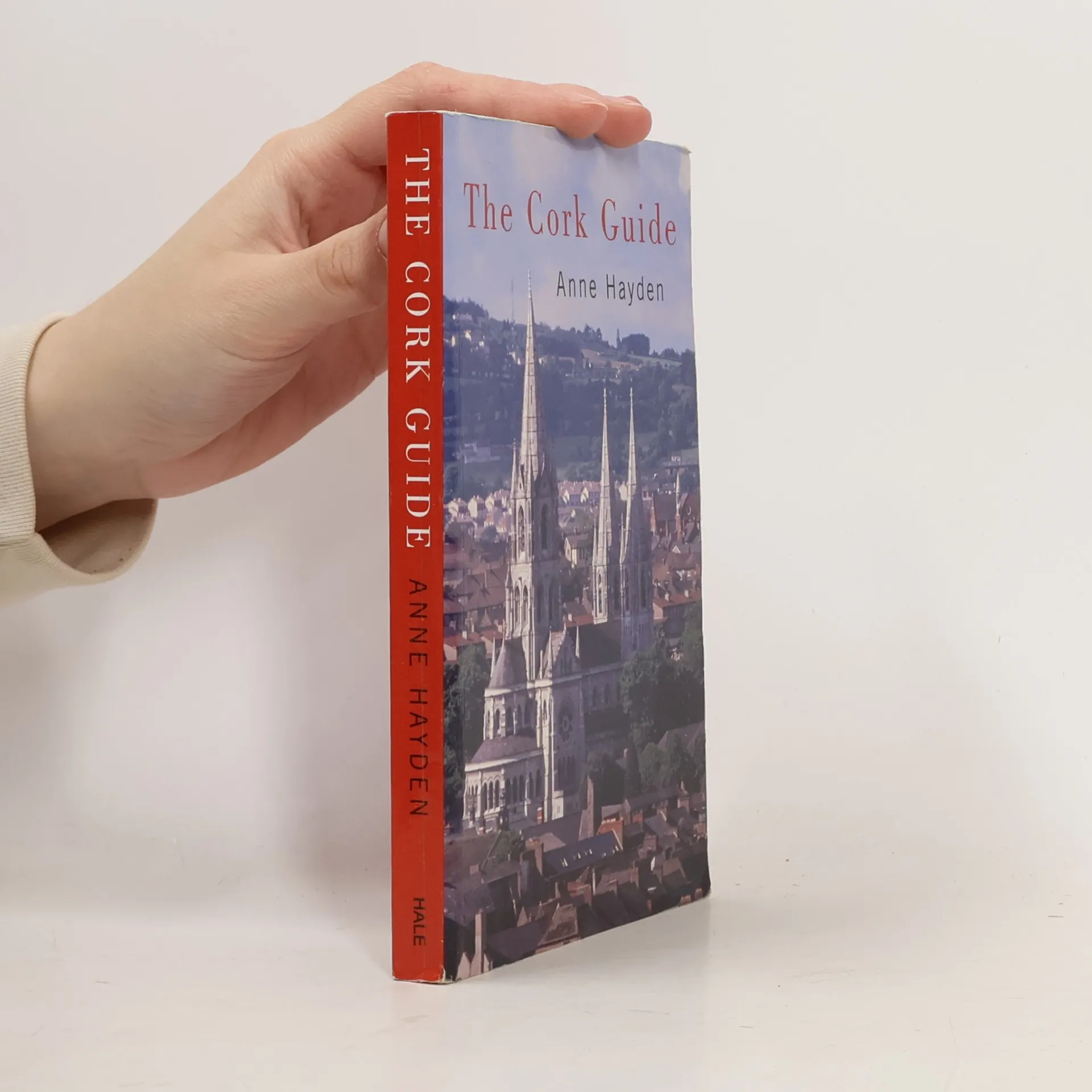
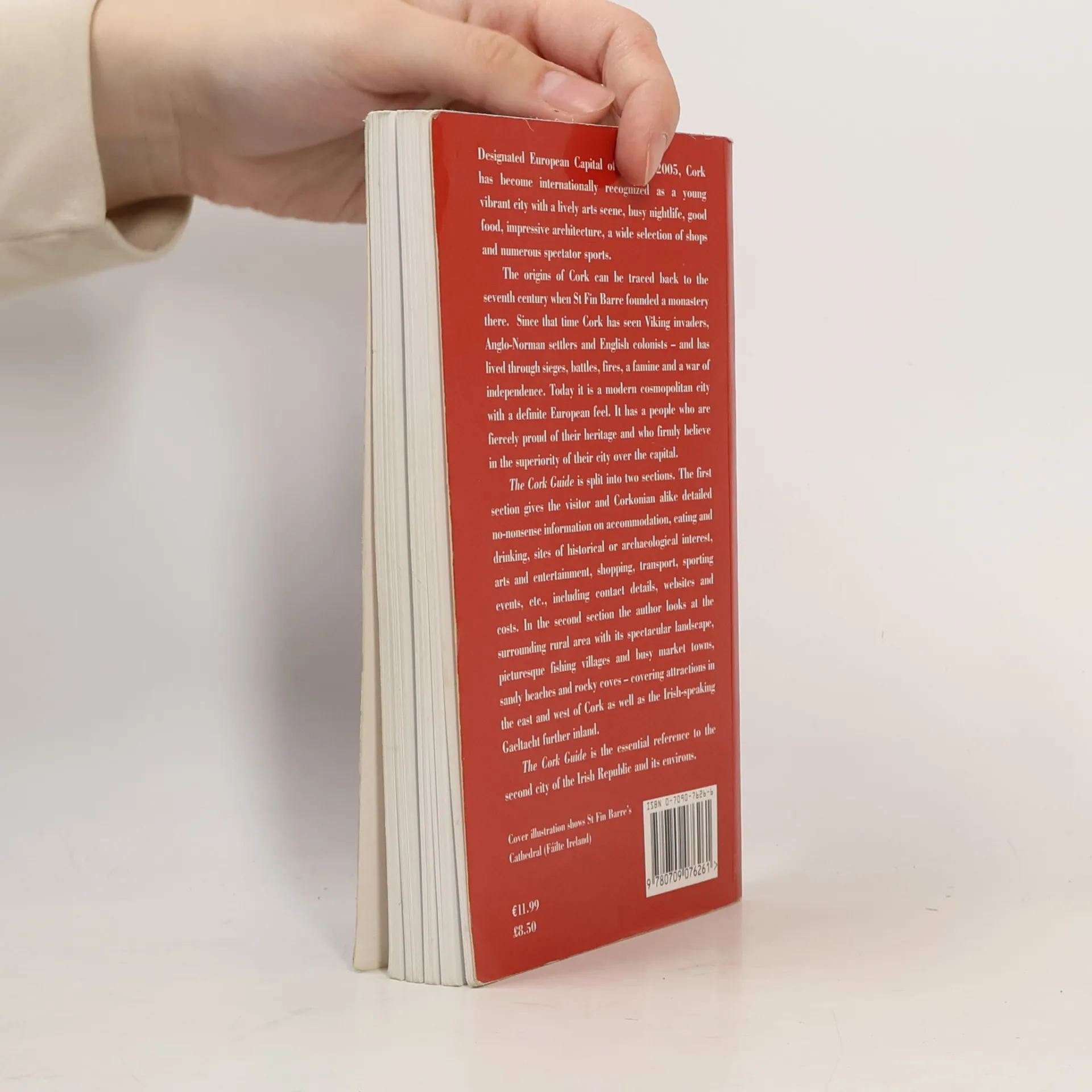
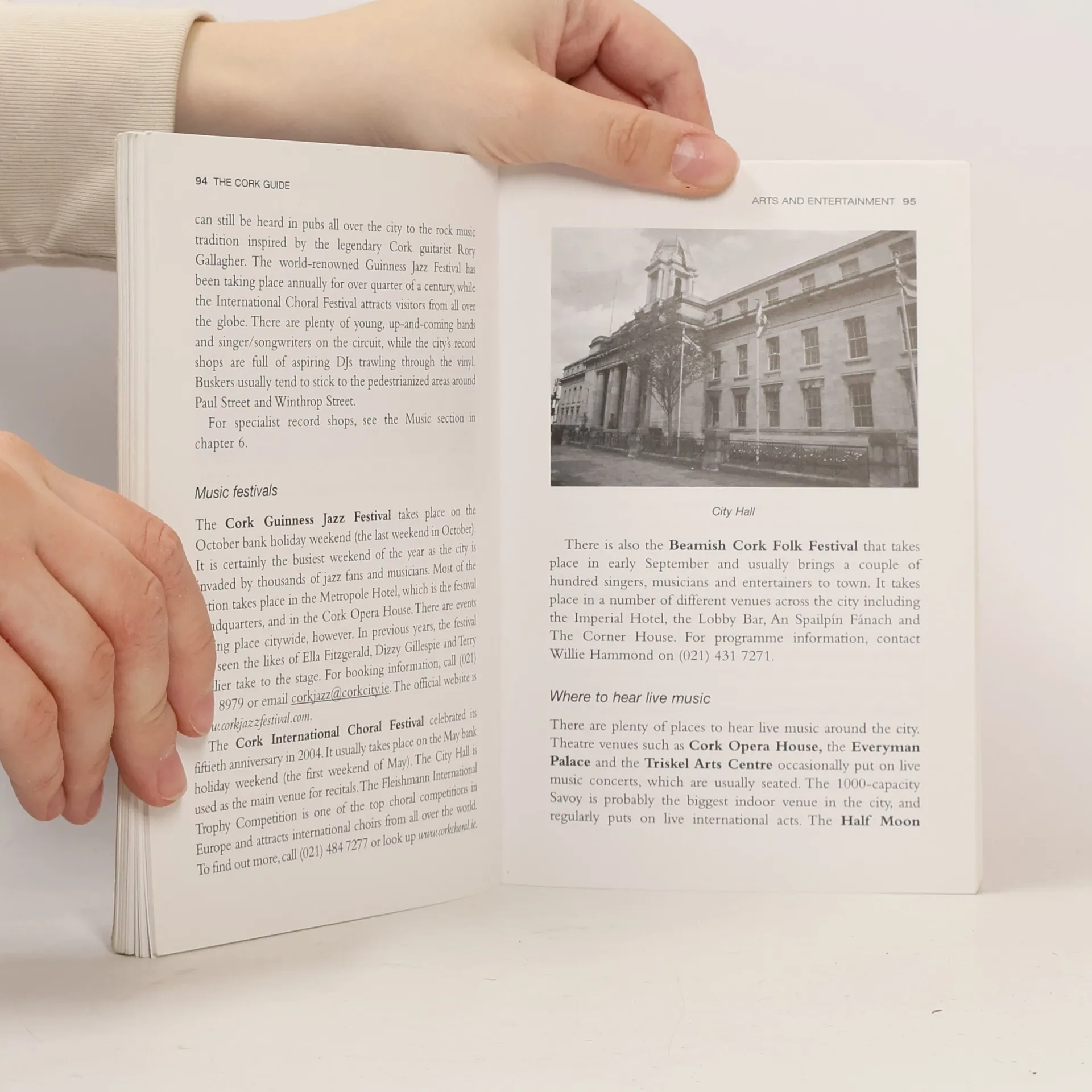
Designated European Capital of Culture 2005, Cork has become internationally recognized as a young vibrant city with a lively arts scene, busy nightlife, good food, impressive architecture, a wide selection of shops and numerous spectator sports. The origins of Cork can be traced back to the 7th century when St Fin Barre founded a monastery there. Since that time, Cork has seen Viking invaders, Anglo-Norman settlers and English colonists - and has lived through sieges, battles, fires, a famine and a war of independence. Today, it is a modern cosmopolitan city with a definite European feel. It has a people who are fiercely proud of their heritage and who firmly believe in the superiority of their city over the capital. The Cork Guide is split into two sections. The first, and larger, section provides the visitor and Corkonian alike with detailed no-nonsense information on accommodation, eating and drinking, sites of historical or archaeological interest, arts and entertainment, shopping, transport and sporting events, including contact details, websites and costs. In the second section, the author looks at the surrounding rural area with its spectacular landscape, picturesque fishing villages and busy market towns, sandy beaches and rocky coves - covering attractions in the east and west of Cork, as well as the Irish-speaking Gaeltacht further inland. The Cork Guide is the essential reference to the second city of the Irish Republic and its environs.
Achat du livre
The Cork Guide, Anne Hayden
- Langue

- Année de publication
- 2005
- Reliure
- (souple),
- État du livre
- Bon
- Prix
- 18,09 €
Modes de paiement
Personne n'a encore évalué .
- Titre
- The Cork Guide
- Langue
- Anglais
- Auteurs
- Anne Hayden
- Éditeur
- Robert Hale
- Publié
- 2005
- Format
- souple
- Pages
- 192
- ISBN10
- 0709076266
- ISBN13
- 9780709076261
- Séries
- Description
- Designated European Capital of Culture 2005, Cork has become internationally recognized as a young vibrant city with a lively arts scene, busy nightlife, good food, impressive architecture, a wide selection of shops and numerous spectator sports. The origins of Cork can be traced back to the 7th century when St Fin Barre founded a monastery there. Since that time, Cork has seen Viking invaders, Anglo-Norman settlers and English colonists - and has lived through sieges, battles, fires, a famine and a war of independence. Today, it is a modern cosmopolitan city with a definite European feel. It has a people who are fiercely proud of their heritage and who firmly believe in the superiority of their city over the capital. The Cork Guide is split into two sections. The first, and larger, section provides the visitor and Corkonian alike with detailed no-nonsense information on accommodation, eating and drinking, sites of historical or archaeological interest, arts and entertainment, shopping, transport and sporting events, including contact details, websites and costs. In the second section, the author looks at the surrounding rural area with its spectacular landscape, picturesque fishing villages and busy market towns, sandy beaches and rocky coves - covering attractions in the east and west of Cork, as well as the Irish-speaking Gaeltacht further inland. The Cork Guide is the essential reference to the second city of the Irish Republic and its environs.