

Paramètres
- 463pages
- 17 heures de lecture
En savoir plus sur le livre
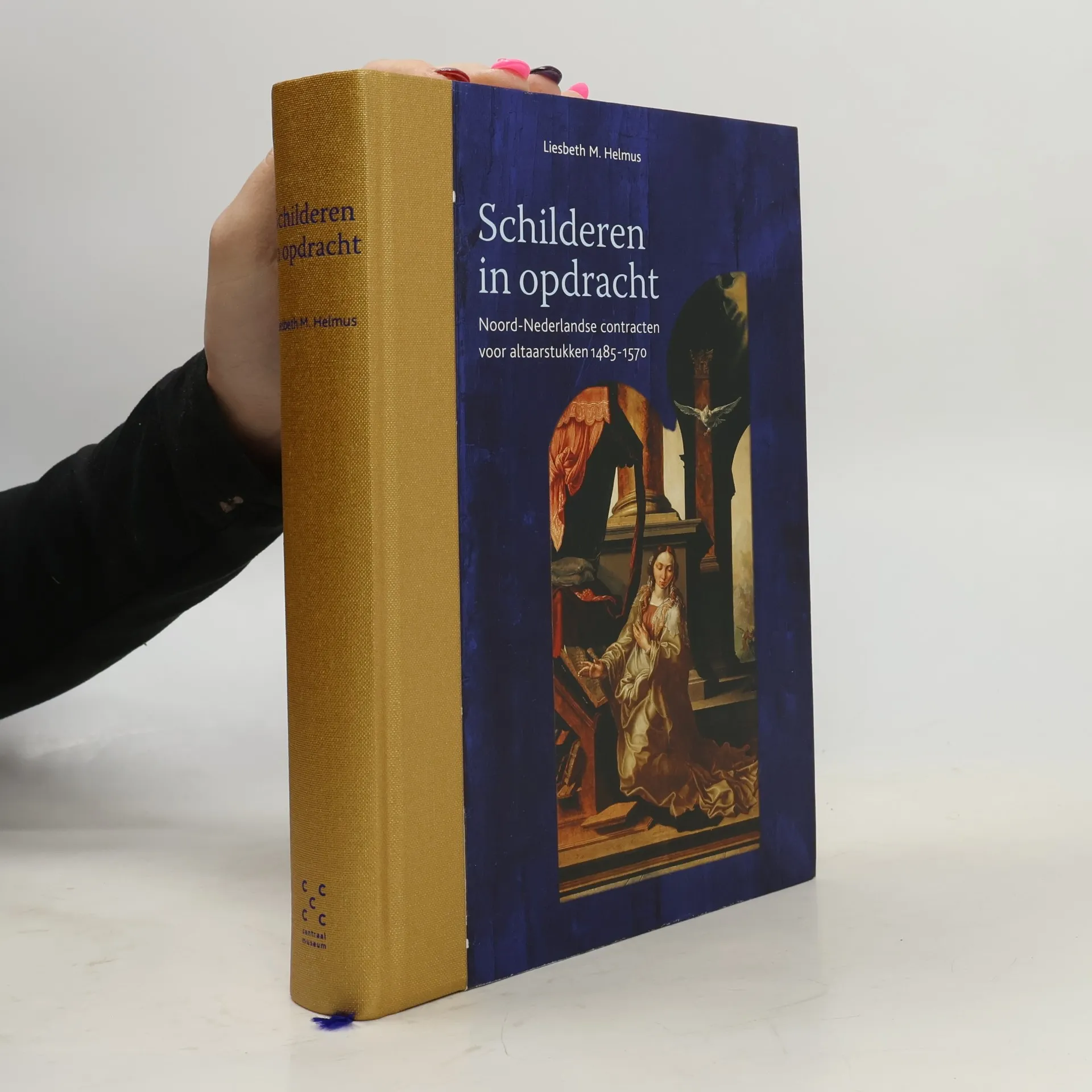
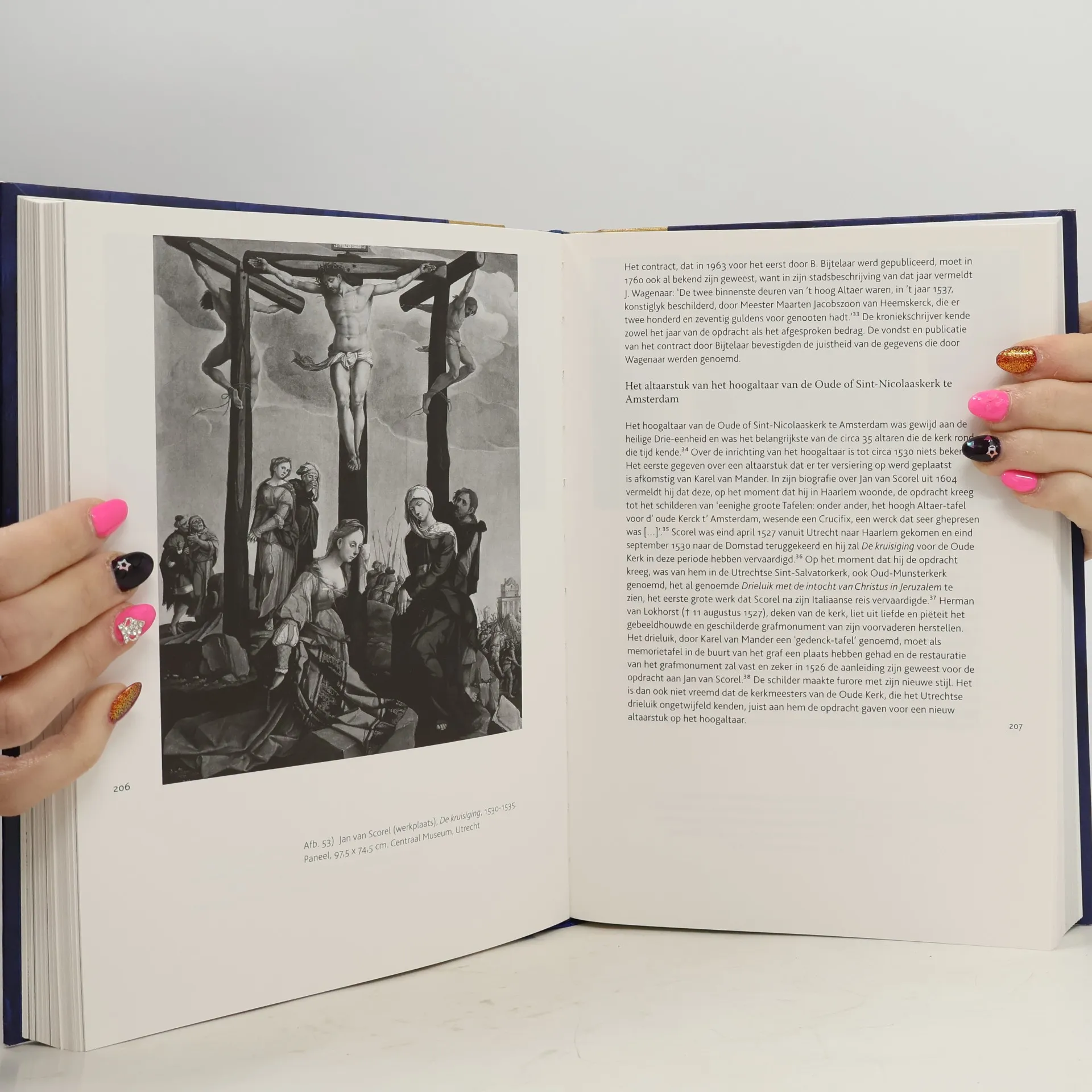
Summary: Although the relationship between patrons and painters has attracted the interest of many art historians over recent decades, "Painting on commission" is the first study of surviving contracts in the Northern regions. In the fifteenth and sixteenth centuries, altarpieces were among the most prestigious commissions. Because of the large sums of money these assignments involved, it was of great importance that proper agreements were made, and that these were consolidated in written documents. The written contract is thus the most important source underlying the genesis of the painted altarpiece. The study addresses whether altarpieces can justifiably be seen as a distinct functional category, and how many altarpieces are likely to have been created. It examines what an artist's contract consisted of, and in which ways it was comparable with other contracts. The contracts for the painted altarpieces in the northern Netherlands are examined in depth.
Achat du livre
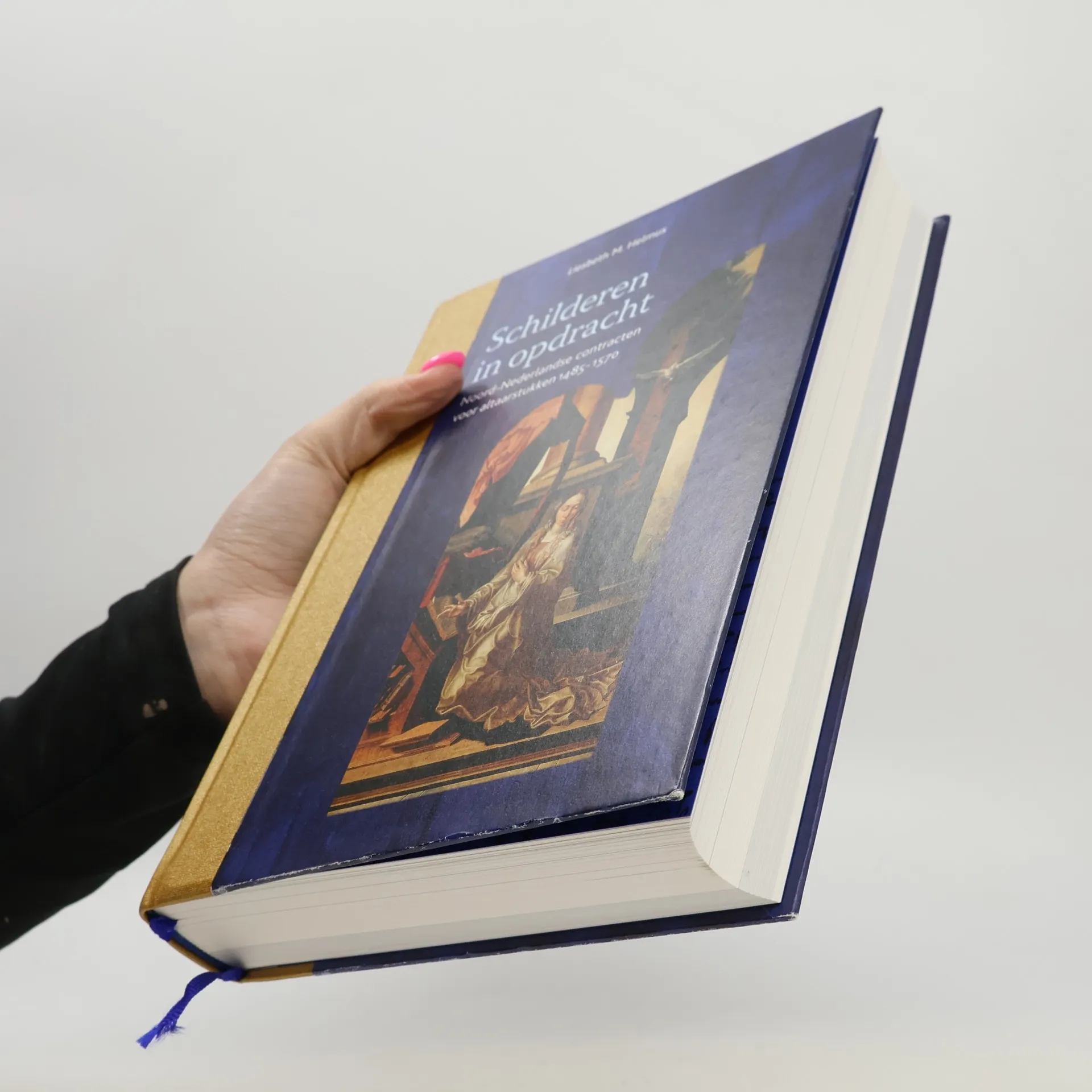
Schilderen in opdracht. Noord-Nederlandse contracten voor altaarstukken 1485-1570, Liesbeth M. Helmus
- Langue

- Année de publication
- 2010
- Reliure
- (rigide),
- État du livre
- Bon
- Prix
- 10,99 €
Modes de paiement
Personne n'a encore évalué .
- Titre
- Schilderen in opdracht. Noord-Nederlandse contracten voor altaarstukken 1485-1570
- Langue
- Néerlandais
- Auteurs
- Liesbeth M. Helmus
- Éditeur
- Centraal Museum
- Publié
- 2010
- Format
- rigide
- Pages
- 463
- ISBN10
- 9059830210
- ISBN13
- 9789059830219
- Séries
- Mots clés
- Description
- Summary: Although the relationship between patrons and painters has attracted the interest of many art historians over recent decades, "Painting on commission" is the first study of surviving contracts in the Northern regions. In the fifteenth and sixteenth centuries, altarpieces were among the most prestigious commissions. Because of the large sums of money these assignments involved, it was of great importance that proper agreements were made, and that these were consolidated in written documents. The written contract is thus the most important source underlying the genesis of the painted altarpiece. The study addresses whether altarpieces can justifiably be seen as a distinct functional category, and how many altarpieces are likely to have been created. It examines what an artist's contract consisted of, and in which ways it was comparable with other contracts. The contracts for the painted altarpieces in the northern Netherlands are examined in depth.