

Paramètres
- 452pages
- 16 heures de lecture
En savoir plus sur le livre
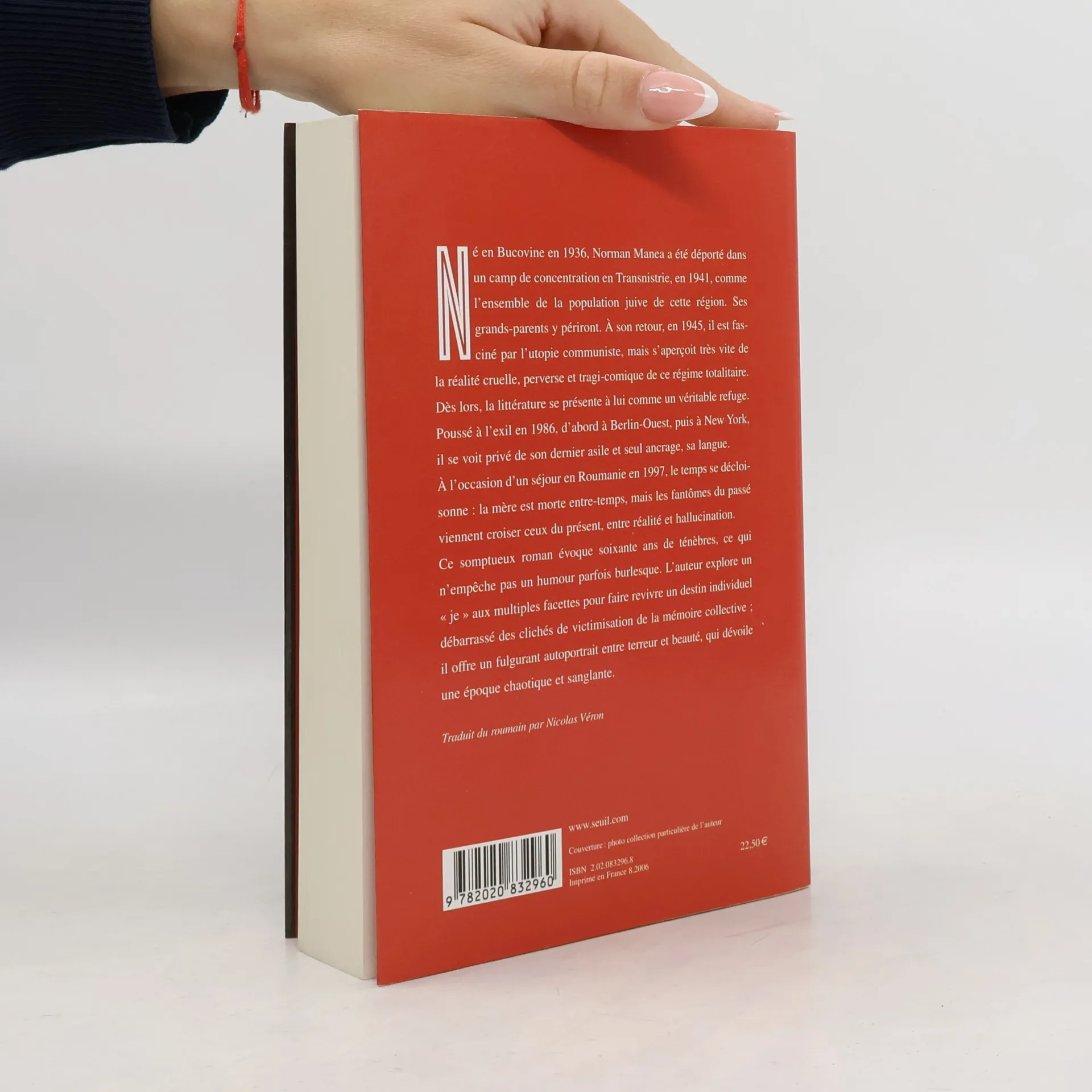
In October 1941, the entire Jewish population of Manea's native Bukovina was deported to the Transnistria concentration camps. Manea was among them, a child at the time, and his family spent four years there before they were able to return home. With startling detail and clear-eyed detachment, he speaks of the brutality of the experience, from the horrifying journey in a cattle car to the appalling treatment that afflicted their everyday lives. He recounts the bravery of a young Christian woman trying to save his family. He writes of the hopes and the ruins of postwar Romania; of the refuge he found in books, friendship, and love; and of friends and family debating whether to stay or leave, perchance never to return. Literature and exile haunt Manea as he moves from adolescence into adulthood and begins his political journey under the Ceausescu regime. As a teenager, he embraced a Communist ethos, presiding over the political downfall of three schoolmates, yet as he matures, he becomes disillusioned with the system in place in his country, having witnessed the demagoguery and the growing injustices of dictatorship and, in the end, the false imprisonment of his father. As a writer, Manea wrestles with the fear of losing his native language - his real homeland - if he leaves his country, though it is clear to him that to stay under such a regime would be well-nigh impossible. Finally, in 1988, he settles in the United States returning to Romania a decade later.
Achat du livre
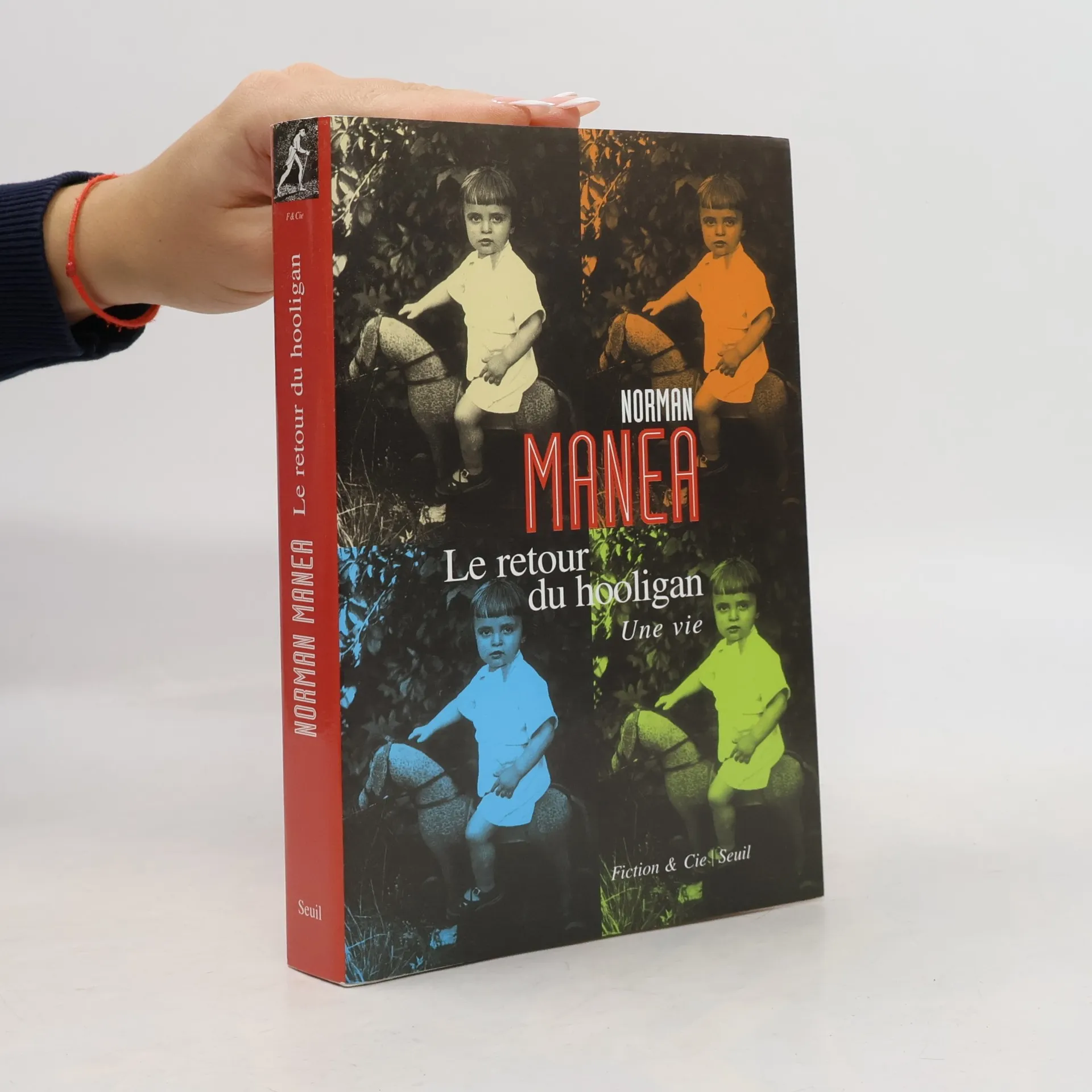
Fiction & Cie: Le retour du hooligan, Norman Manea
- Langue

- Année de publication
- 2006
- Reliure
- (souple),
- État du livre
- Bon
- Prix
- 3,99 €
Modes de paiement
Personne n'a encore évalué .
- Titre
- Fiction & Cie: Le retour du hooligan
- Sous-titre
- Une vie
- Langue
- Français
- Auteurs
- Norman Manea
- Éditeur
- Seuil
- Publié
- 2006
- Format
- souple
- Pages
- 452
- ISBN10
- 2020832968
- ISBN13
- 9782020832960
- Séries
- Catégories
- Mots clés
- Camps de concentration, Roumanie, Littérature roumaine
- Description
- In October 1941, the entire Jewish population of Manea's native Bukovina was deported to the Transnistria concentration camps. Manea was among them, a child at the time, and his family spent four years there before they were able to return home. With startling detail and clear-eyed detachment, he speaks of the brutality of the experience, from the horrifying journey in a cattle car to the appalling treatment that afflicted their everyday lives. He recounts the bravery of a young Christian woman trying to save his family. He writes of the hopes and the ruins of postwar Romania; of the refuge he found in books, friendship, and love; and of friends and family debating whether to stay or leave, perchance never to return. Literature and exile haunt Manea as he moves from adolescence into adulthood and begins his political journey under the Ceausescu regime. As a teenager, he embraced a Communist ethos, presiding over the political downfall of three schoolmates, yet as he matures, he becomes disillusioned with the system in place in his country, having witnessed the demagoguery and the growing injustices of dictatorship and, in the end, the false imprisonment of his father. As a writer, Manea wrestles with the fear of losing his native language - his real homeland - if he leaves his country, though it is clear to him that to stay under such a regime would be well-nigh impossible. Finally, in 1988, he settles in the United States returning to Romania a decade later.