

En savoir plus sur le livre
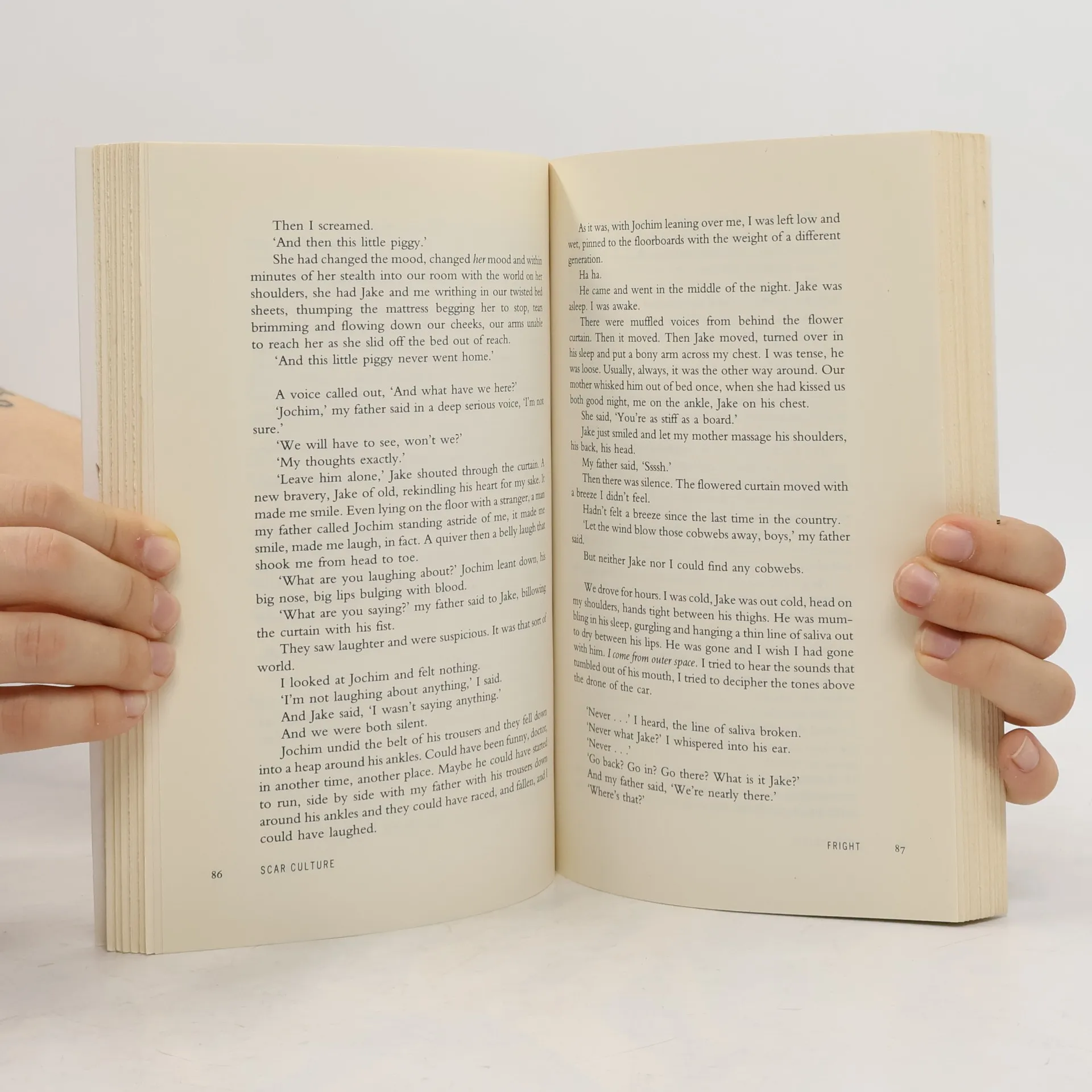
From the beginning of <i>Scar Culture</i>, the reader knows that something has gone wrong: the first-person accounts that form the bulk of Toni Davidson's debut have been found "at the scene." Who has done what to whom is the question driving this novel, moving it beyond the conventions of its psychiatric/criminal frame. In "Click" and "Fright" we are forced up against the more unsettling ways in which children live, or die--the book is part of the contemporary uncovering of the perversity of family life--as well as a few fragile metaphors of survival (if that is what they are). Click takes headshots recording the utter commotion of life with his mother and father, Exit and Panic; Fright passes into a state of waiting for his brother to return, for his (dead) mother "to sing something, anything, into my ear." Sad's narrative starts to pull the book together, or further apart, in its presentation of the madness of analysis, which becomes inseparable from the abuse it is supposed to cure. Within the tradition of a literary challenge to psychotherapy, <i>Scar Culture</i> is taking its chances, too, though it may become, in fact, a powerful contribution to this discipline. <i>--Vicky Lebeau</i>

Achat du livre
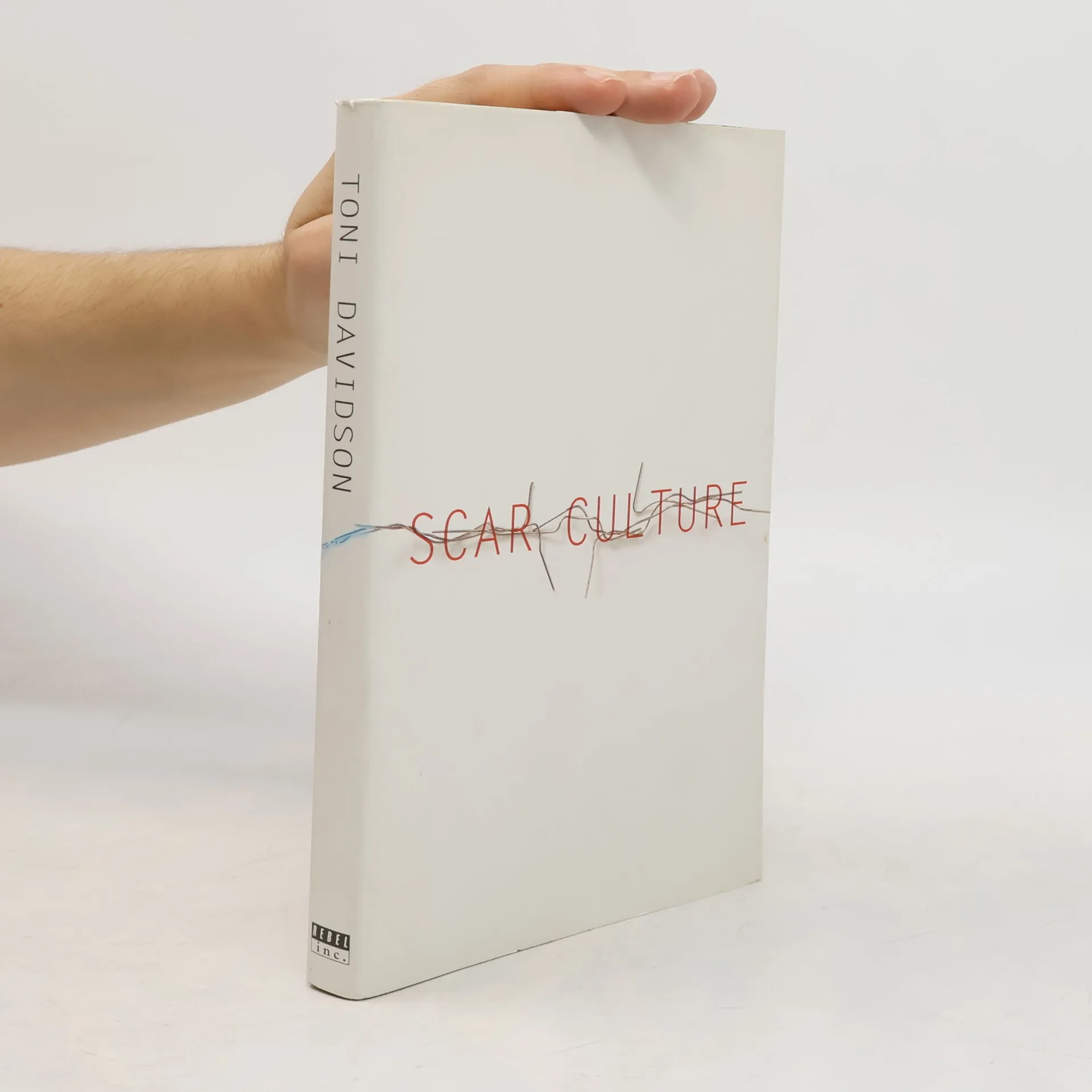
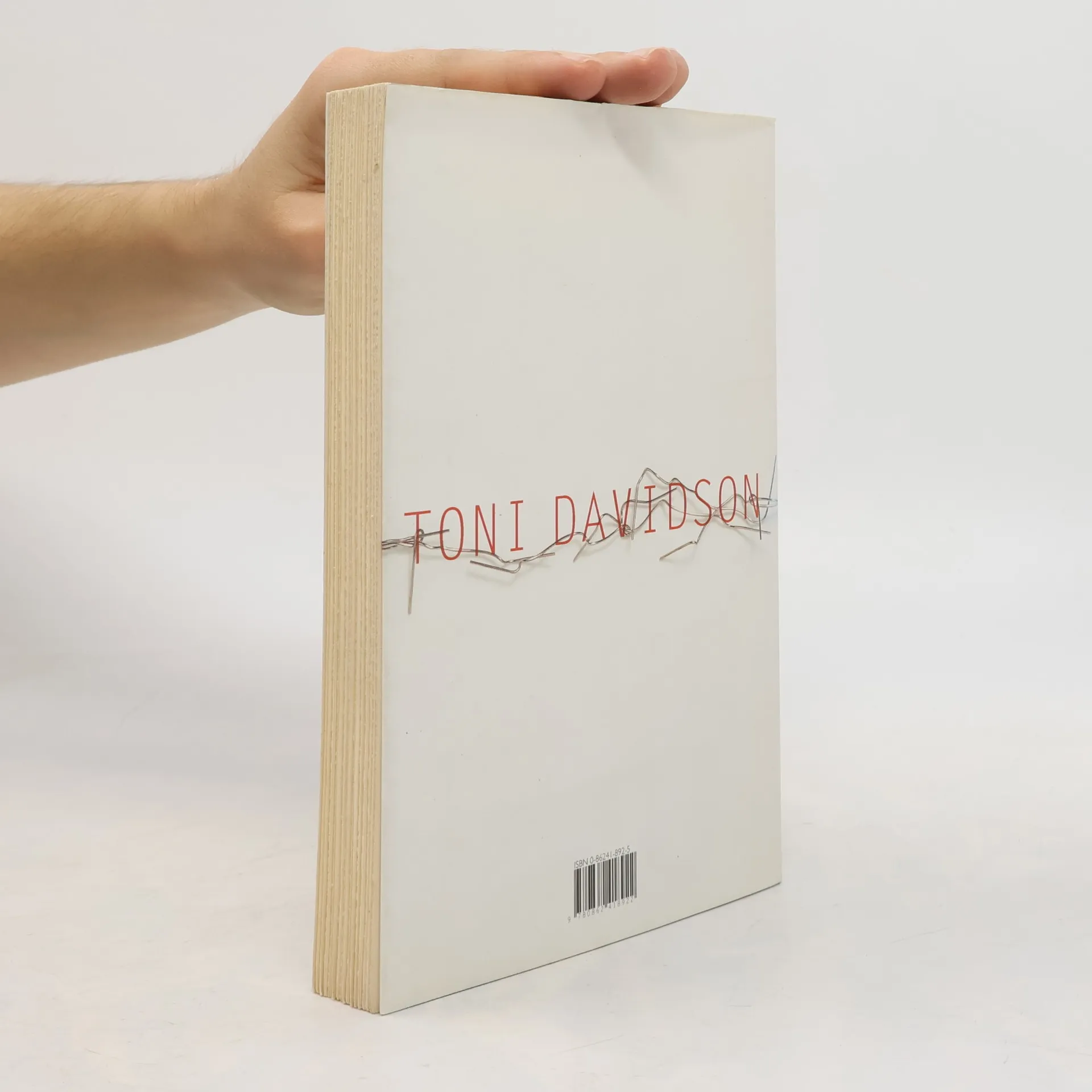
Scar Culture, Toni Davidson
- Langue

- Année de publication
- 1999
- Reliure
- (souple),
- État du livre
- Bon
- Prix
- 6,49 €
Modes de paiement
Personne n'a encore évalué .
- Titre
- Scar Culture
- Langue
- Anglais
- Auteurs
- Toni Davidson
- Éditeur
- Rebel Inc
- Publié
- 1999
- Format
- souple
- Pages
- 320
- ISBN10
- 0862418925
- ISBN13
- 9780862418922
- Séries
- Catégories
- Mots clés
- Thèmes psychologiques, Troubles mentaux
- Titre original
- Scar culture
- Description
- From the beginning of <i>Scar Culture</i>, the reader knows that something has gone wrong: the first-person accounts that form the bulk of Toni Davidson's debut have been found "at the scene." Who has done what to whom is the question driving this novel, moving it beyond the conventions of its psychiatric/criminal frame. In "Click" and "Fright" we are forced up against the more unsettling ways in which children live, or die--the book is part of the contemporary uncovering of the perversity of family life--as well as a few fragile metaphors of survival (if that is what they are). Click takes headshots recording the utter commotion of life with his mother and father, Exit and Panic; Fright passes into a state of waiting for his brother to return, for his (dead) mother "to sing something, anything, into my ear." Sad's narrative starts to pull the book together, or further apart, in its presentation of the madness of analysis, which becomes inseparable from the abuse it is supposed to cure. Within the tradition of a literary challenge to psychotherapy, <i>Scar Culture</i> is taking its chances, too, though it may become, in fact, a powerful contribution to this discipline. <i>--Vicky Lebeau</i>