

En savoir plus sur le livre
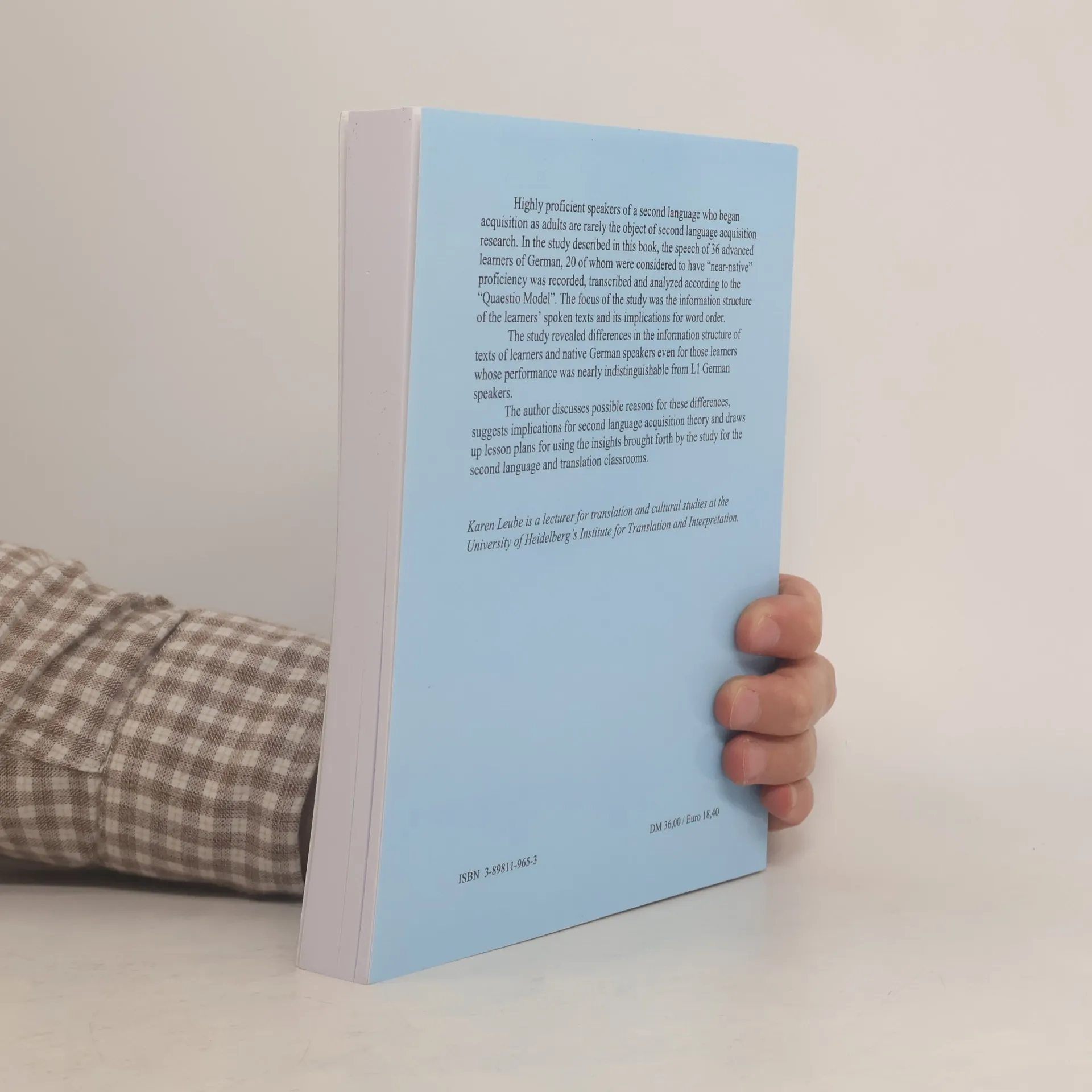
Highly proficient speakers of a second language who began acquisition as adults are rarely the object of second language acquisition research. In the study described in this book, the speech of 36 advanced learners of German, 20 of whom were considered to have "near-native" proficiency was recorded, transcribed and analyzed according to the "Quaestio Model". The focus of the study was the information structure of the learners' spoken texts and its implications for word order. The study revealed differences in the information structure of texts of learners and native German speakers even for those learners whose performance was nearly indistinguishable from L1 German speakers. The author discusses possible reasons for these differences, suggests implications for second language acquisition theory and draws up lesson plans for using the insights brought forth by the study for the second language and translation classrooms.
Achat du livre
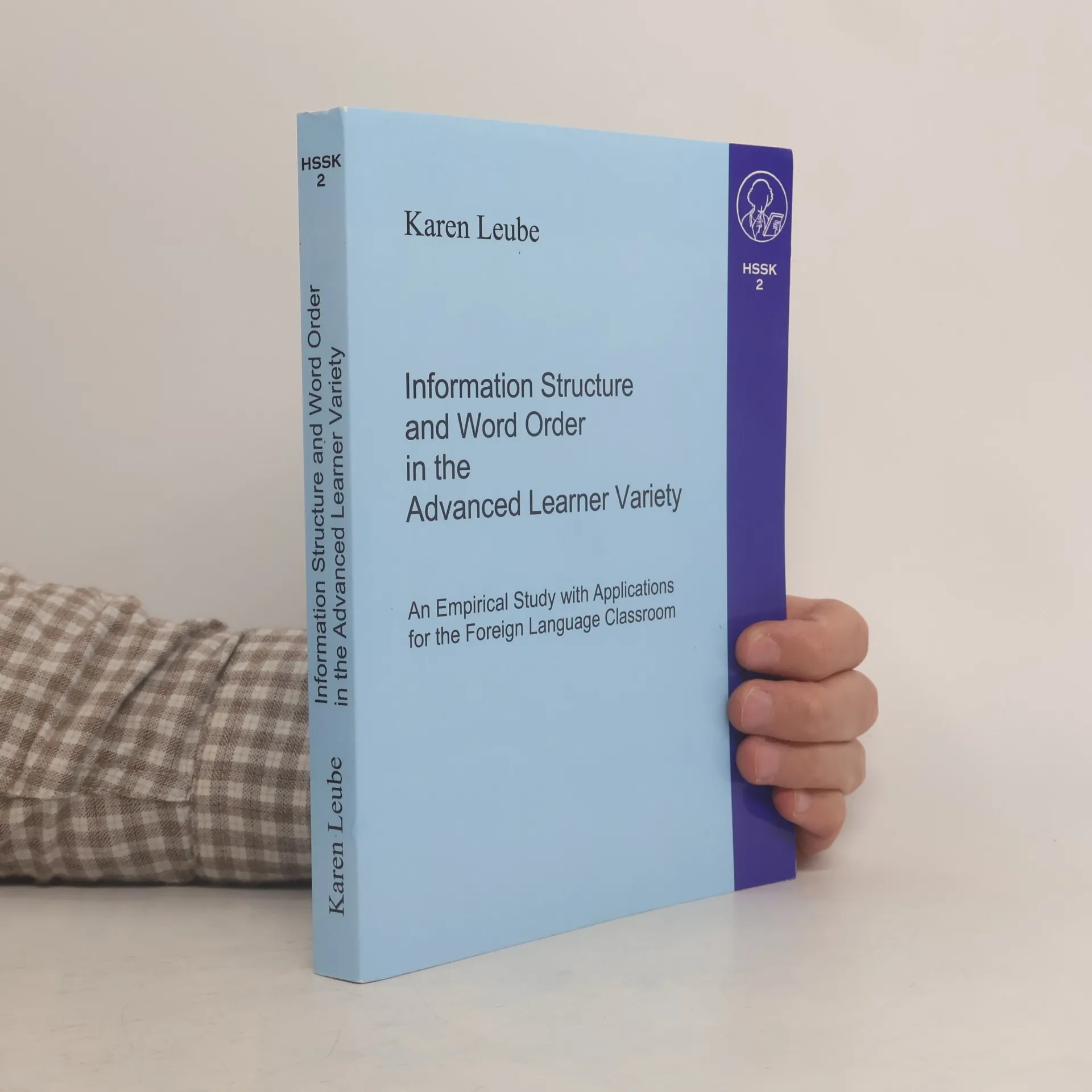
HSSK - 2: Information Structure and Word Order in the Advanced Learner Variety, Karen Leube
- Langue
- Année de publication
- 2000
- Reliure
- (souple),
- État du livre
- Très bon
- Prix
- 14,99 €
Modes de paiement
Personne n'a encore évalué .
- Titre
- HSSK - 2: Information Structure and Word Order in the Advanced Learner Variety
- Sous-titre
- An Empirical Study with Applications for the Foreign Language Classroom
- Auteurs
- Karen Leube
- Éditeur
- K. Leube
- Publié
- 2000
- Format
- souple
- Pages
- 285
- ISBN10
- 3898119653
- ISBN13
- 9783898119658
- Séries
- Mots clés
- Germanistique
- Description
- Highly proficient speakers of a second language who began acquisition as adults are rarely the object of second language acquisition research. In the study described in this book, the speech of 36 advanced learners of German, 20 of whom were considered to have "near-native" proficiency was recorded, transcribed and analyzed according to the "Quaestio Model". The focus of the study was the information structure of the learners' spoken texts and its implications for word order. The study revealed differences in the information structure of texts of learners and native German speakers even for those learners whose performance was nearly indistinguishable from L1 German speakers. The author discusses possible reasons for these differences, suggests implications for second language acquisition theory and draws up lesson plans for using the insights brought forth by the study for the second language and translation classrooms.