

En savoir plus sur le livre
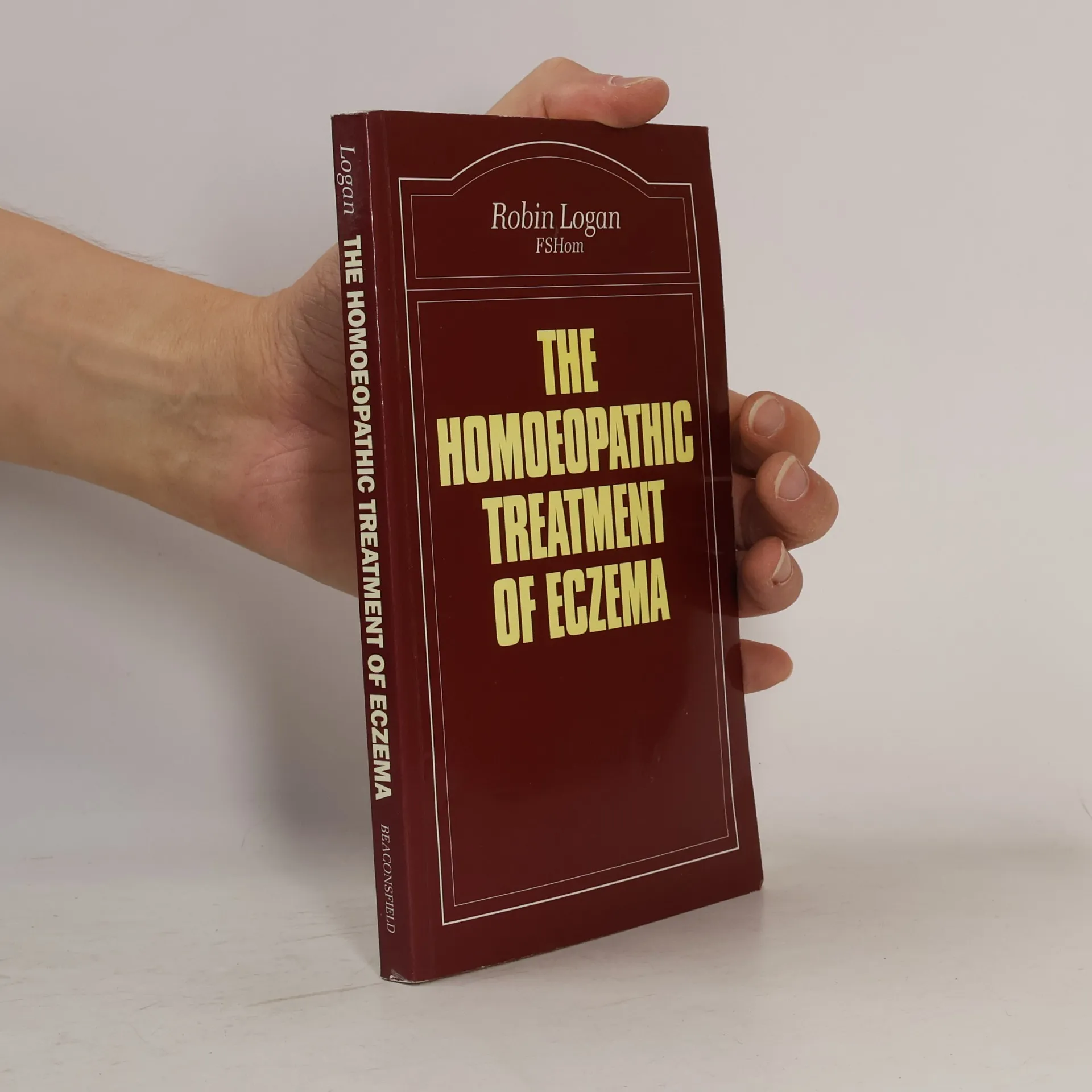
The author begins by outlining the conventional treatment of eczema, acknowledging that most patients will have encountered this approach and its terminology. He then presents case-taking techniques tailored specifically for eczema, followed by an in-depth discussion on case analysis. This includes the significance of particulars in symptom hierarchy and the handling of one-sided cases or those with minimal symptoms, aimed at enhancing the reader's understanding of these complexities. Subsequent chapters address comprehensive case management aspects, such as suppression, aggravation, potency, dose repetition, adjunctive measures, and practical advice, all supported by twenty-two case histories. The book concludes with a concise materia medica featuring forty-two remedies, categorized by their characteristic physical, mental, and general symptoms based on the author's experience. Additionally, it includes a general index, a remedy index, and a rubric index. The author sets a high standard for homeopathic textbooks, beginning with a list of various eczema diagnoses and corresponding repertory rubrics, followed by skin conditions that may mimic eczema. He thoroughly delineates case-taking essentials, from detailed observations of skin eruptions to constitutional inquiries, emphasizing the flexibility needed to interpret diverse eczema cases through illustrative examples and multiple analysis strategies.
Achat du livre
The Homoeopathic Treatment of Eczema, Robin Logan
- Langue

- Année de publication
- 1998
- Reliure
- (souple)
Modes de paiement
Personne n'a encore évalué .
- Titre
- The Homoeopathic Treatment of Eczema
- Langue
- Anglais
- Auteurs
- Robin Logan
- Éditeur
- Beaconsfield Publishers
- Publié
- 1998
- Format
- souple
- Pages
- 152
- ISBN10
- 0906584477
- ISBN13
- 9780906584477
- Séries
- Mots clés
- Thématique philosophique, Logique, Dermatologie, Eczémas
- Description
- The author begins by outlining the conventional treatment of eczema, acknowledging that most patients will have encountered this approach and its terminology. He then presents case-taking techniques tailored specifically for eczema, followed by an in-depth discussion on case analysis. This includes the significance of particulars in symptom hierarchy and the handling of one-sided cases or those with minimal symptoms, aimed at enhancing the reader's understanding of these complexities. Subsequent chapters address comprehensive case management aspects, such as suppression, aggravation, potency, dose repetition, adjunctive measures, and practical advice, all supported by twenty-two case histories. The book concludes with a concise materia medica featuring forty-two remedies, categorized by their characteristic physical, mental, and general symptoms based on the author's experience. Additionally, it includes a general index, a remedy index, and a rubric index. The author sets a high standard for homeopathic textbooks, beginning with a list of various eczema diagnoses and corresponding repertory rubrics, followed by skin conditions that may mimic eczema. He thoroughly delineates case-taking essentials, from detailed observations of skin eruptions to constitutional inquiries, emphasizing the flexibility needed to interpret diverse eczema cases through illustrative examples and multiple analysis strategies.