



En savoir plus sur le livre
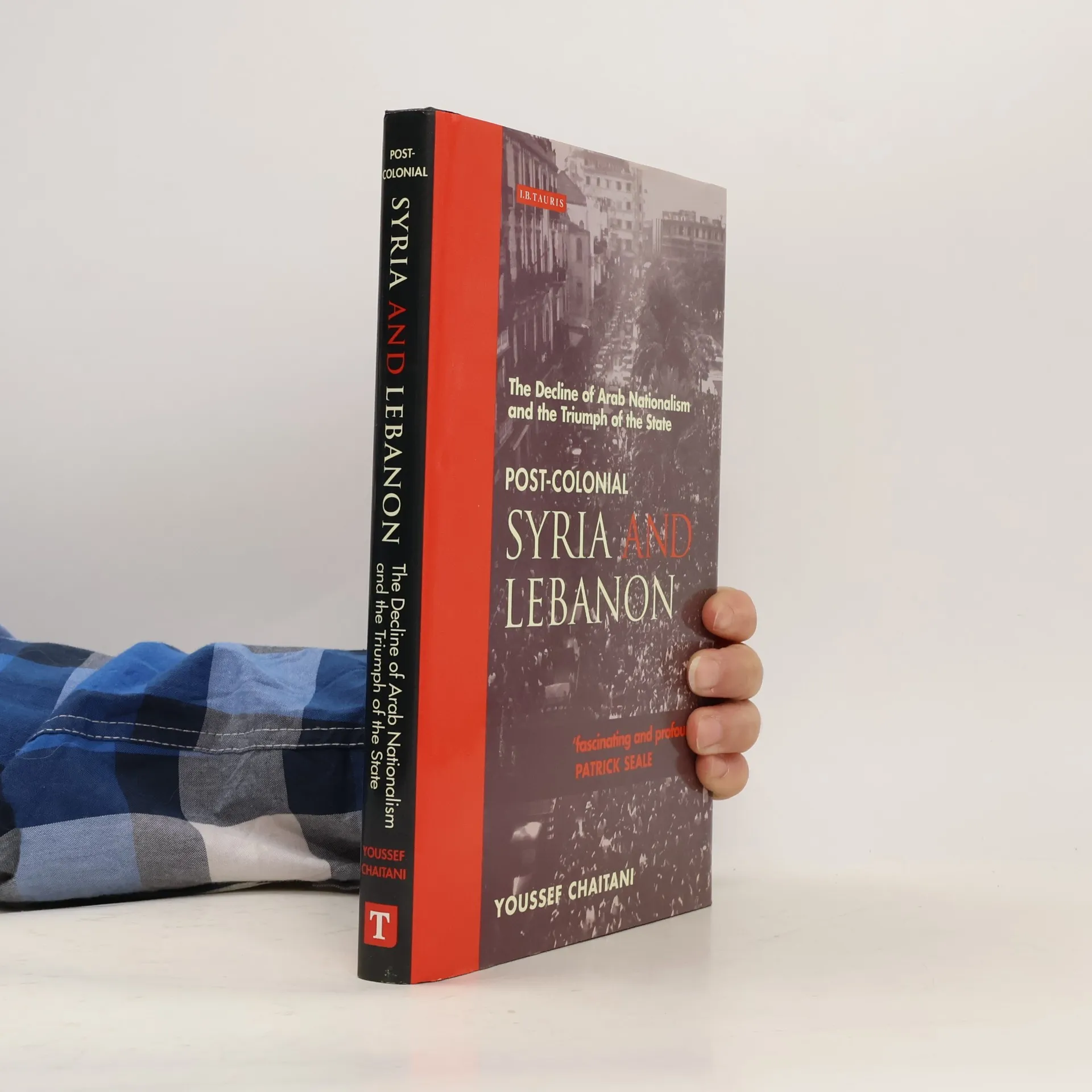
The complex relationship between Syria and Lebanon is the political fulcrum of the Middle East, and has dominated headlines since the withdrawal of French colonial forces from the Levant in 1943. One of the great paradoxes of this relationship is how two such very different political systems emerged in what many Syrian and Lebanese people see as one society. At the time of independence, it was assumed that only the divide-and-rule strategies of foreign powers kept the Arab peoples artificially separated. In this major new book, Youssef Chaitani examines how, despite the prevalence of Arab nationalism and the regression of imperial interference, Syria and Lebanon became more divided, rather than more integrated in the post-independence period. Drawing on untapped sources from the archives of Western foreign offices and the local press, Chaitani uncovers the strategies and motivations of both countries' elites during this period, and produces conclusions which have major implications for our understanding of Arab nationalism, as well as the complexities of the Syrian-Lebanese relationship.
Achat du livre
Library of Modern Middle East Studies: Post-Colonial Syria and Lebanon, Patrick Seale, Youssef Chaitani
- Langue

- Année de publication
- 2007
- Reliure
- (rigide),
- État du livre
- Bon
- Prix
- 71,99 €
Modes de paiement
Personne n'a encore évalué .
- Titre
- Library of Modern Middle East Studies: Post-Colonial Syria and Lebanon
- Sous-titre
- The Decline of Arab Nationalism and the Triumph of the State
- Langue
- Anglais
- Auteurs
- Patrick Seale, Youssef Chaitani
- Éditeur
- I.B. Tauris
- Publié
- 2007
- Format
- rigide
- Pages
- 224
- ISBN10
- 1845112946
- ISBN13
- 9781845112943
- Séries
- Mots clés
- Thème historique, Syrie, Afrique du Nord, Liban
- Description
- The complex relationship between Syria and Lebanon is the political fulcrum of the Middle East, and has dominated headlines since the withdrawal of French colonial forces from the Levant in 1943. One of the great paradoxes of this relationship is how two such very different political systems emerged in what many Syrian and Lebanese people see as one society. At the time of independence, it was assumed that only the divide-and-rule strategies of foreign powers kept the Arab peoples artificially separated. In this major new book, Youssef Chaitani examines how, despite the prevalence of Arab nationalism and the regression of imperial interference, Syria and Lebanon became more divided, rather than more integrated in the post-independence period. Drawing on untapped sources from the archives of Western foreign offices and the local press, Chaitani uncovers the strategies and motivations of both countries' elites during this period, and produces conclusions which have major implications for our understanding of Arab nationalism, as well as the complexities of the Syrian-Lebanese relationship.