

En savoir plus sur le livre
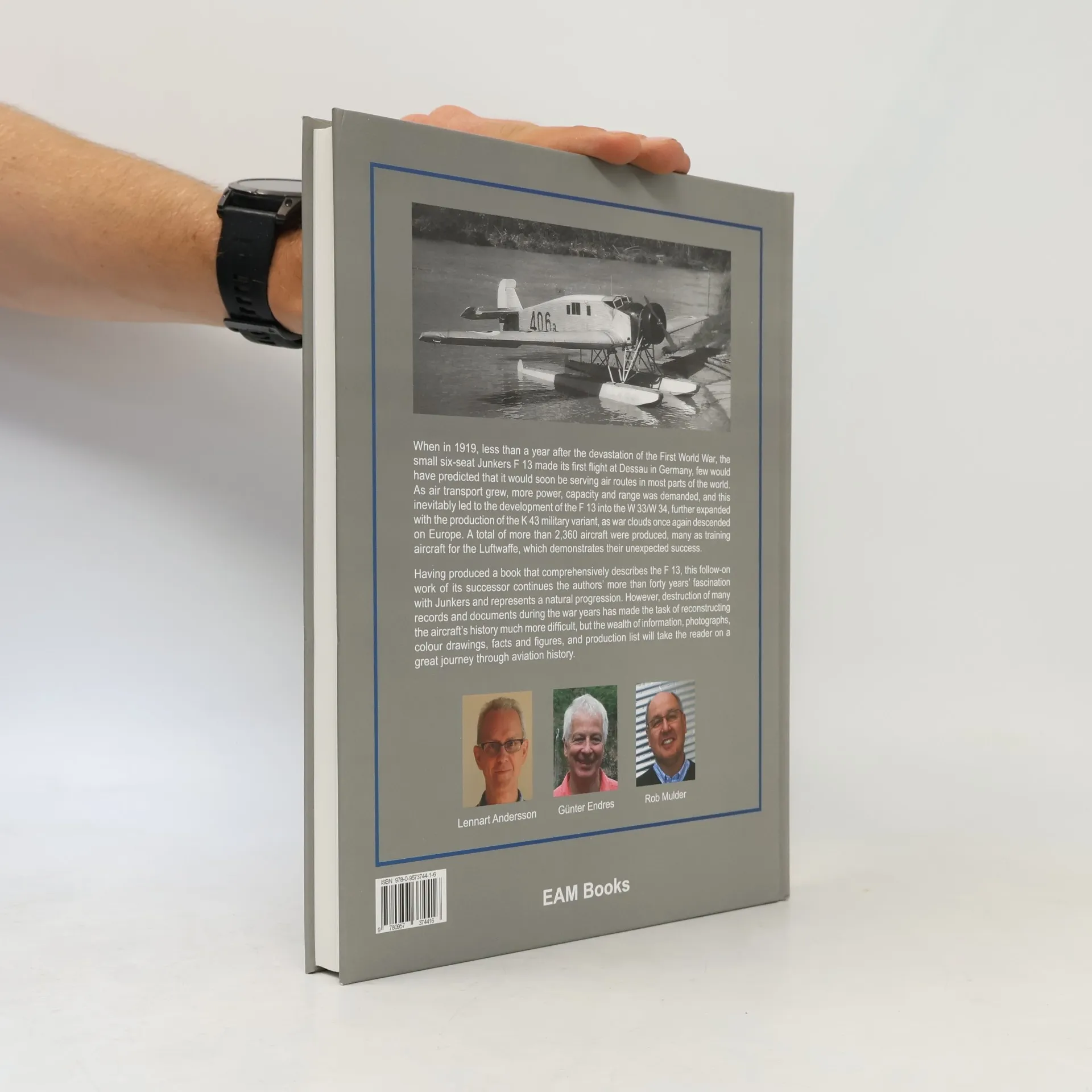
When in 1919, less than a year after the devastation of the First World War, the small six-seat Junkers F 13 made its first flight at Dessau in Germany, few would have predicted that it would soon be serving air routes in most parts of the world. As air transport grew, more power, capacity and range was demanded, and this inevitably led to the development of the F 13 into the W 33/W 34, further expanded with the production of the K 43 military variant, as war clouds once again descended on Europe. A total of more than 2,360 aircraft were produced, many as training aircraft for the Luftwaffe, which demonstrates their unexpected success. Having produced a book that comprehensively describes the F 13, this follow-on work of its successor continues the authors' more than forty years' fascination with Junkers and represents a natural progression. However, destruction of many records and documents during the war years has made the task of reconstructing the aircraft's history much more difficult, but the wealth of information, photographs, colour drawings, facts and figures, and production list will take the reader on a great journey through aviation history.
Achat du livre
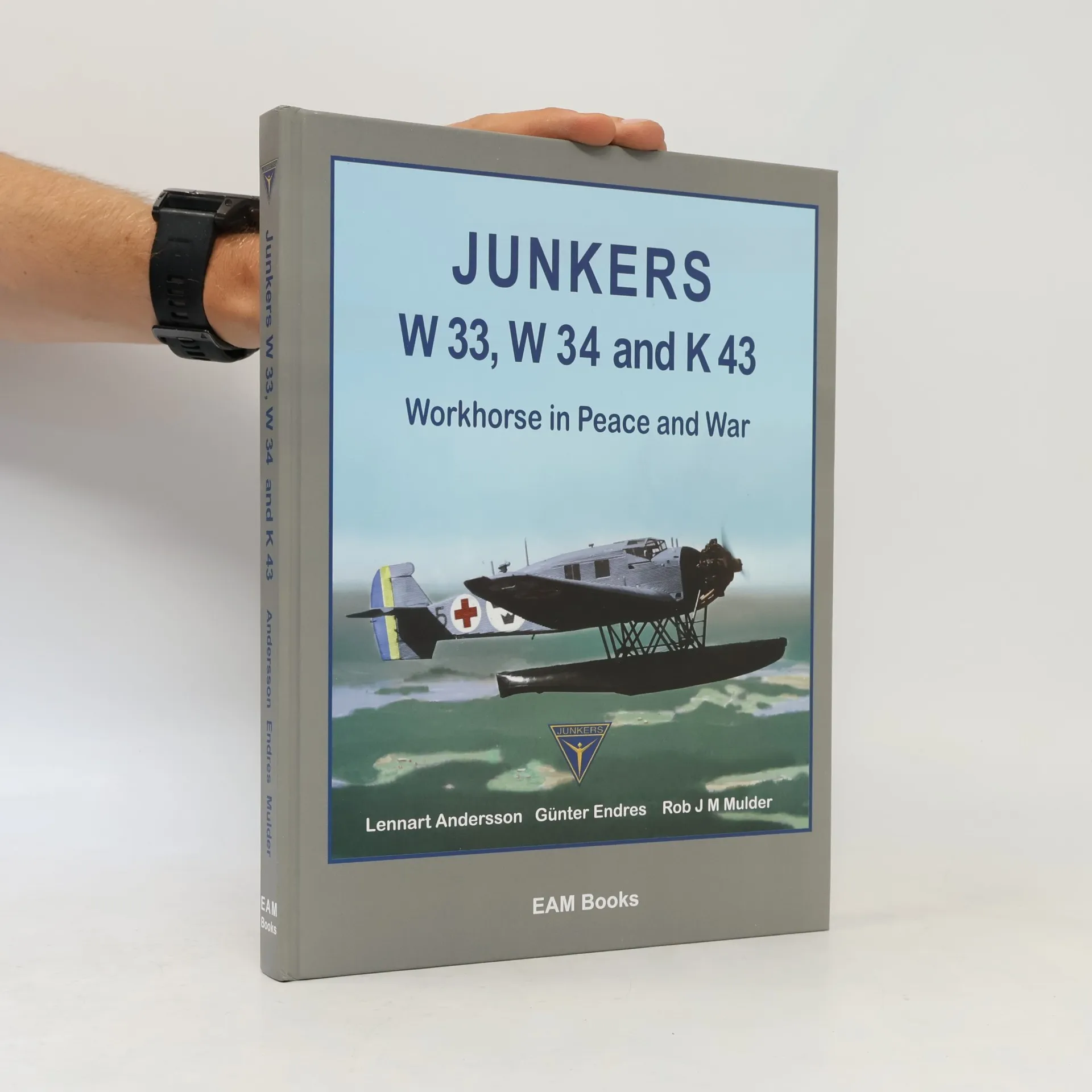
Junkers W 33, W 34 And K 43, Lennart Andersson, Günter Endres, Rob J M Mulder
- Langue

- Année de publication
- 2015
- Reliure
- (rigide),
- État du livre
- Bon
- Prix
- 75,99 €
Modes de paiement
Personne n'a encore évalué .
- Titre
- Junkers W 33, W 34 And K 43
- Sous-titre
- Workhorse In Peace And War
- Langue
- Anglais
- Auteurs
- Lennart Andersson, Günter Endres, Rob J M Mulder
- Éditeur
- EAM Books
- Publié
- 2015
- Format
- rigide
- ISBN10
- 0957374410
- ISBN13
- 9780957374416
- Séries
- Mots clés
- Description
- When in 1919, less than a year after the devastation of the First World War, the small six-seat Junkers F 13 made its first flight at Dessau in Germany, few would have predicted that it would soon be serving air routes in most parts of the world. As air transport grew, more power, capacity and range was demanded, and this inevitably led to the development of the F 13 into the W 33/W 34, further expanded with the production of the K 43 military variant, as war clouds once again descended on Europe. A total of more than 2,360 aircraft were produced, many as training aircraft for the Luftwaffe, which demonstrates their unexpected success. Having produced a book that comprehensively describes the F 13, this follow-on work of its successor continues the authors' more than forty years' fascination with Junkers and represents a natural progression. However, destruction of many records and documents during the war years has made the task of reconstructing the aircraft's history much more difficult, but the wealth of information, photographs, colour drawings, facts and figures, and production list will take the reader on a great journey through aviation history.