

Paramètres
- 336pages
- 12 heures de lecture
En savoir plus sur le livre
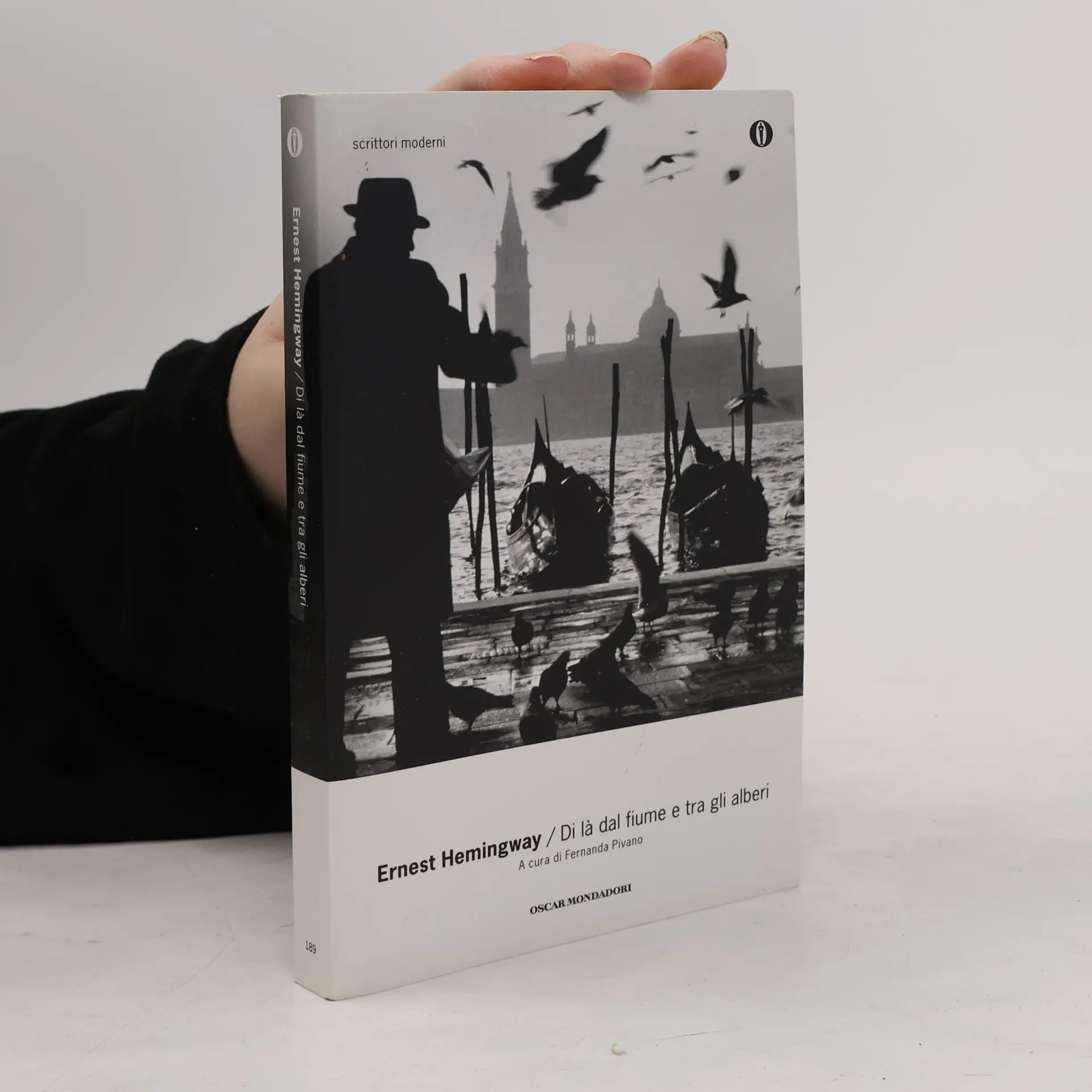
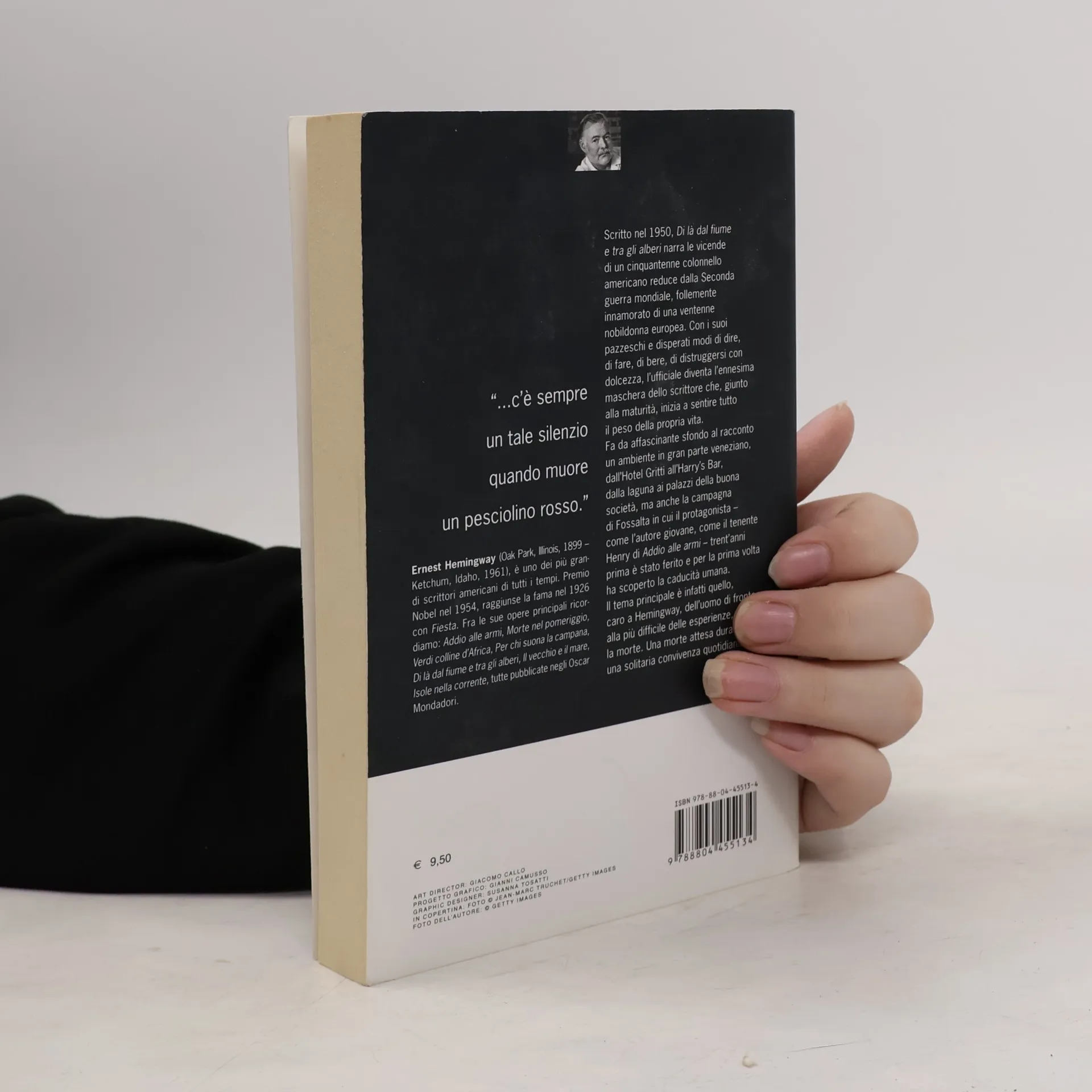
In the fall of 1948, Ernest Hemingway made his first extended visit to Italy in thirty years. His reacquaintance with Venice, a city he loved, provided the inspiration for "Across the River and into the Trees, " the story of Richard Cantwell, a war-ravaged American colonel stationed in Italy at the close of the Second World War, and his love for a young Italian countess. A poignant, bittersweet homage to love that overpowers reason, to the resilience of the human spirit, and to the worldweary beauty and majesty of Venice, "Across the River and into the Trees" stands as Hemingway's statement of defiance in response to the great dehumanizing atrocities of the Second World War. Hemingway's last full-length novel published in his lifetime, it moved John O'Hara in "The New York Times Book Review" to call him "the most important author since Shakespeare."


Achat du livre
Oscar scrittori moderni - 189: Di là dal fiume e tra gli alberi, Ernest Hemingway, Fernanda Pivana
- Langue

- Année de publication
- 1998
- Reliure
- (souple),
- État du livre
- Très bon
- Prix
- 10,19 €
Modes de paiement
Il manque plus que ton avis ici.
- Titre
- Oscar scrittori moderni - 189: Di là dal fiume e tra gli alberi
- Langue
- Italien
- Auteurs
- Ernest Hemingway, Fernanda Pivana
- Éditeur
- Mondadori
- Publié
- 1998
- Format
- souple
- Pages
- 336
- ISBN10
- 8804455136
- ISBN13
- 9788804455134
- Séries
- Mots clés
- Thème historique, Amour, Prose de guerre, Guerres, Seconde Guerre mondiale, Littérature américaine, Mort, Europe du Sud, Italie, Amérique, Première Guerre mondiale (1914–1918), Prix Nobel, Venise
- Évaluation
- 3,35 sur 5
- Description
- In the fall of 1948, Ernest Hemingway made his first extended visit to Italy in thirty years. His reacquaintance with Venice, a city he loved, provided the inspiration for "Across the River and into the Trees, " the story of Richard Cantwell, a war-ravaged American colonel stationed in Italy at the close of the Second World War, and his love for a young Italian countess. A poignant, bittersweet homage to love that overpowers reason, to the resilience of the human spirit, and to the worldweary beauty and majesty of Venice, "Across the River and into the Trees" stands as Hemingway's statement of defiance in response to the great dehumanizing atrocities of the Second World War. Hemingway's last full-length novel published in his lifetime, it moved John O'Hara in "The New York Times Book Review" to call him "the most important author since Shakespeare."