

Paramètres
- 160pages
- 6 heures de lecture
En savoir plus sur le livre
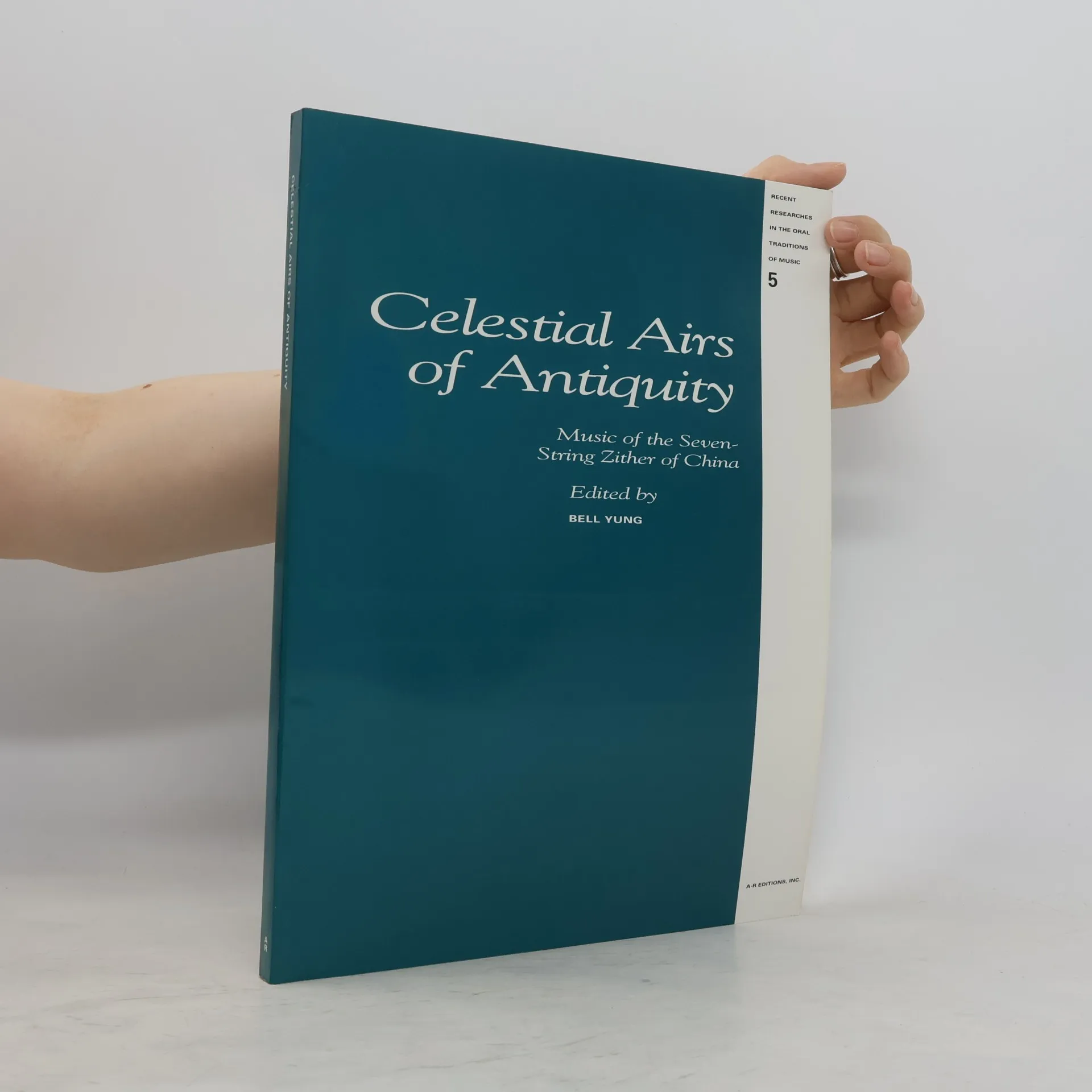
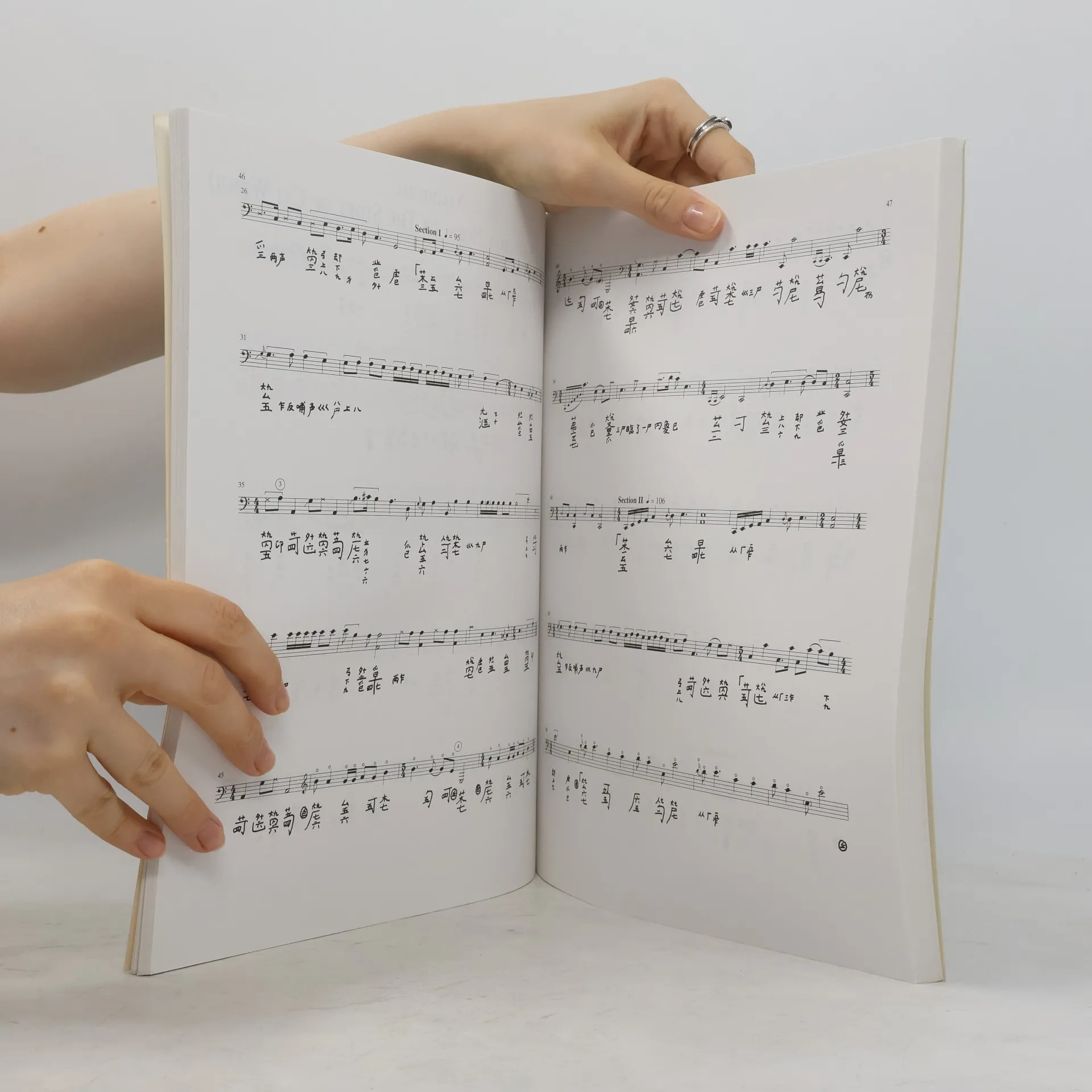
The extensive repertory of the seven-string zither is preserved in its own tablature notation in about 150 collections. One of the earliest is the three-volume collection of 1425 called Shenqui Mipu, with 63 compositions. The notation does not give explicit instructions on the rhythm and phrasing of the music; to perform, the musician must not only research the meaning of the symbols but also interpret them to bring the music to life. This edition presents six works from volume one of Shenqi Mipu as interpreted and performed by the noted contemporary zither player, the late Yao Bingyan of Shanghai. The music is given in its original tablature notation along with Western staff notation as transcribed from Yao's performances and in a compact disc recording. Also included are an introductory essay on the instrument, the music, the Shenqi Mipu collection, and Yao Bingyan; editorial notes on the transcription; and a discussion of musicological issues that arise from the presentation of Chinese zither music in Western staff notation.
Achat du livre
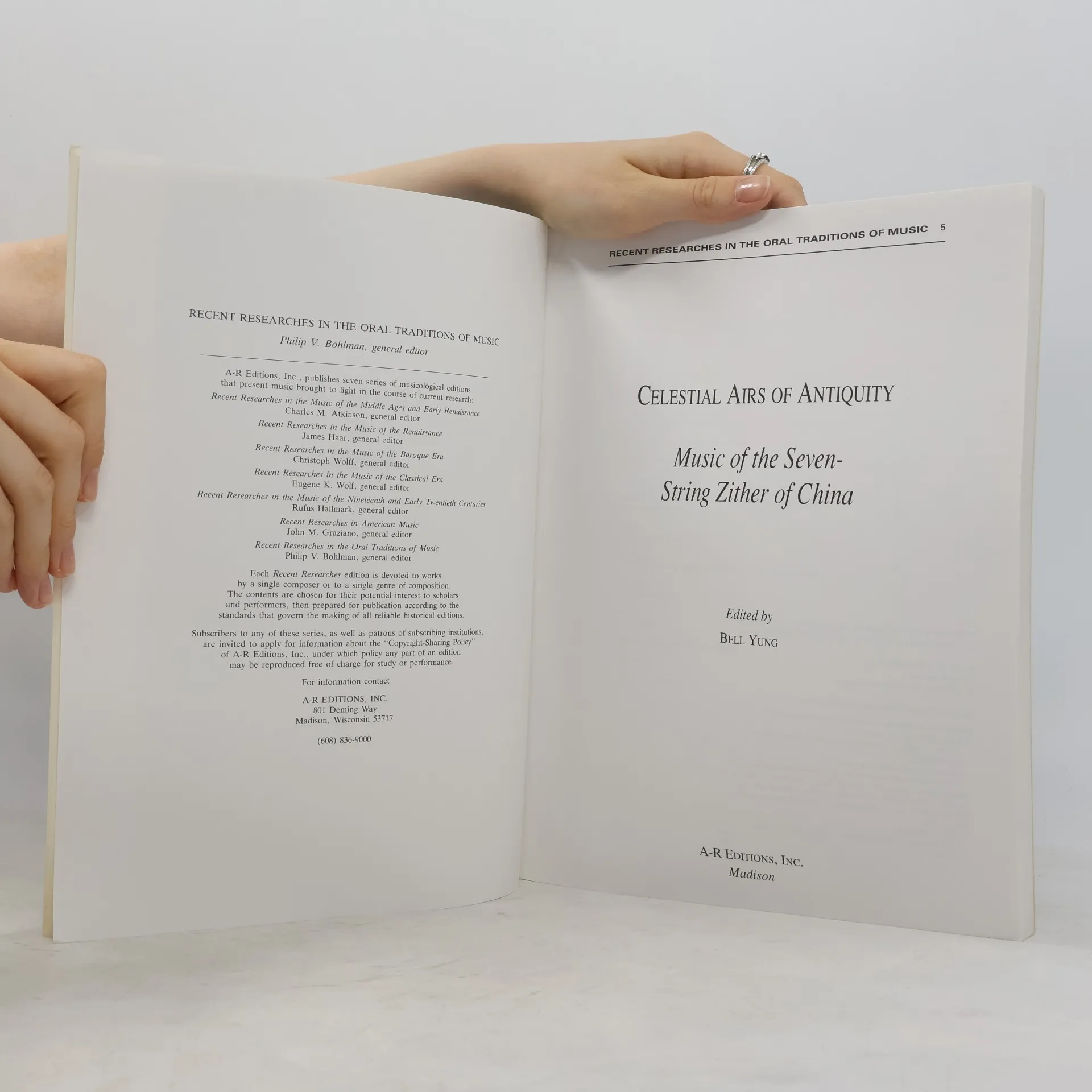
Recent Researches in the Oral Traditions of Music - 5: Celestial Airs of Antiquity, Bell Yung, Yao Bingyan
- Langue

- Année de publication
- 1994
- Reliure
- (souple),
- État du livre
- Bon
- Prix
- 38,99 €
Modes de paiement
Personne n'a encore évalué .
- Titre
- Recent Researches in the Oral Traditions of Music - 5: Celestial Airs of Antiquity
- Sous-titre
- Music of the Seven-String Zither of China
- Langue
- Anglais
- Auteurs
- Bell Yung, Yao Bingyan
- Éditeur
- A-R Editions, Inc.
- Publié
- 1994
- Format
- souple
- Pages
- 160
- ISBN10
- 089579313X
- ISBN13
- 9780895793133
- Séries
- Mots clés
- Description
- The extensive repertory of the seven-string zither is preserved in its own tablature notation in about 150 collections. One of the earliest is the three-volume collection of 1425 called Shenqui Mipu, with 63 compositions. The notation does not give explicit instructions on the rhythm and phrasing of the music; to perform, the musician must not only research the meaning of the symbols but also interpret them to bring the music to life. This edition presents six works from volume one of Shenqi Mipu as interpreted and performed by the noted contemporary zither player, the late Yao Bingyan of Shanghai. The music is given in its original tablature notation along with Western staff notation as transcribed from Yao's performances and in a compact disc recording. Also included are an introductory essay on the instrument, the music, the Shenqi Mipu collection, and Yao Bingyan; editorial notes on the transcription; and a discussion of musicological issues that arise from the presentation of Chinese zither music in Western staff notation.