

Paramètres
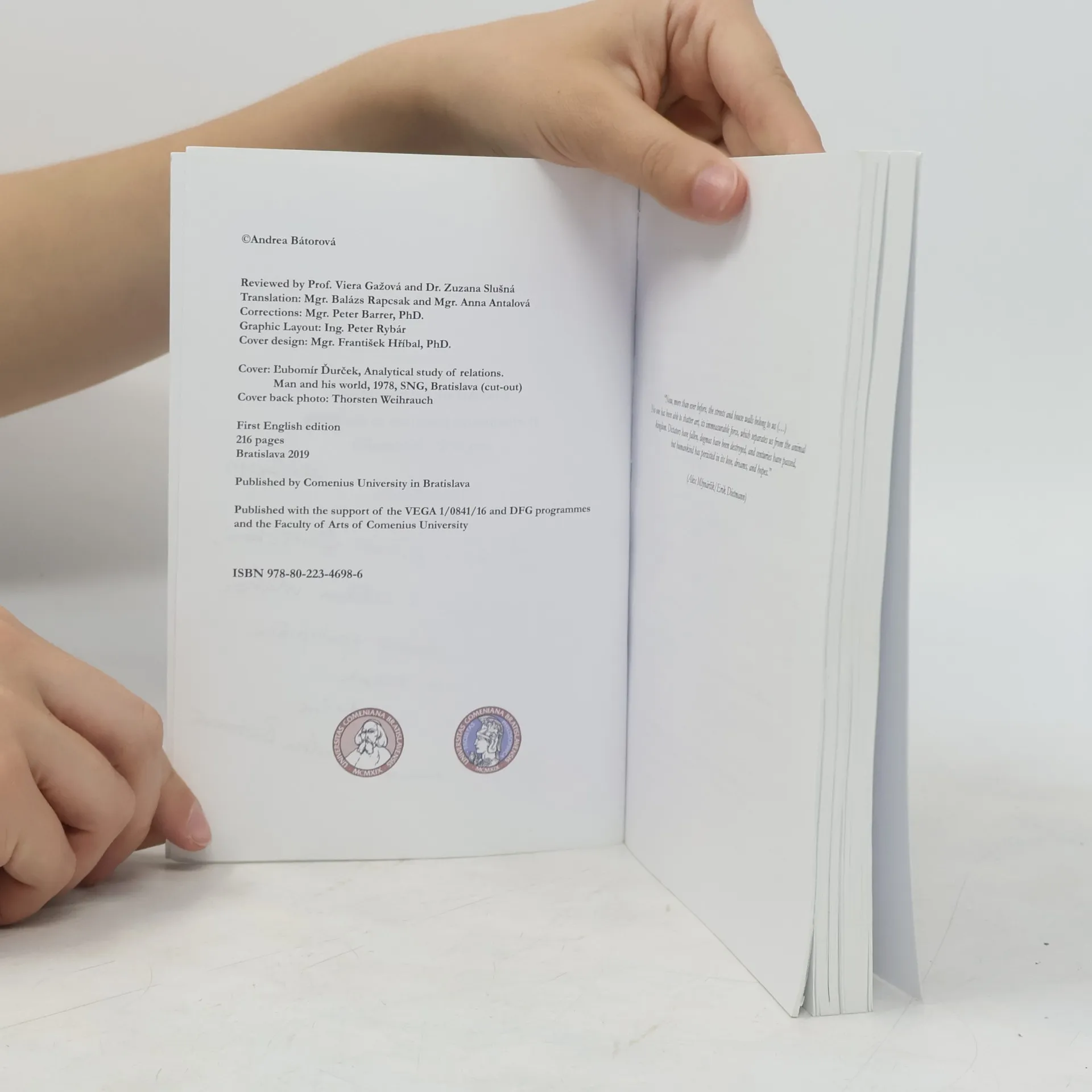
- 216pages
- 8 heures de lecture
En savoir plus sur le livre
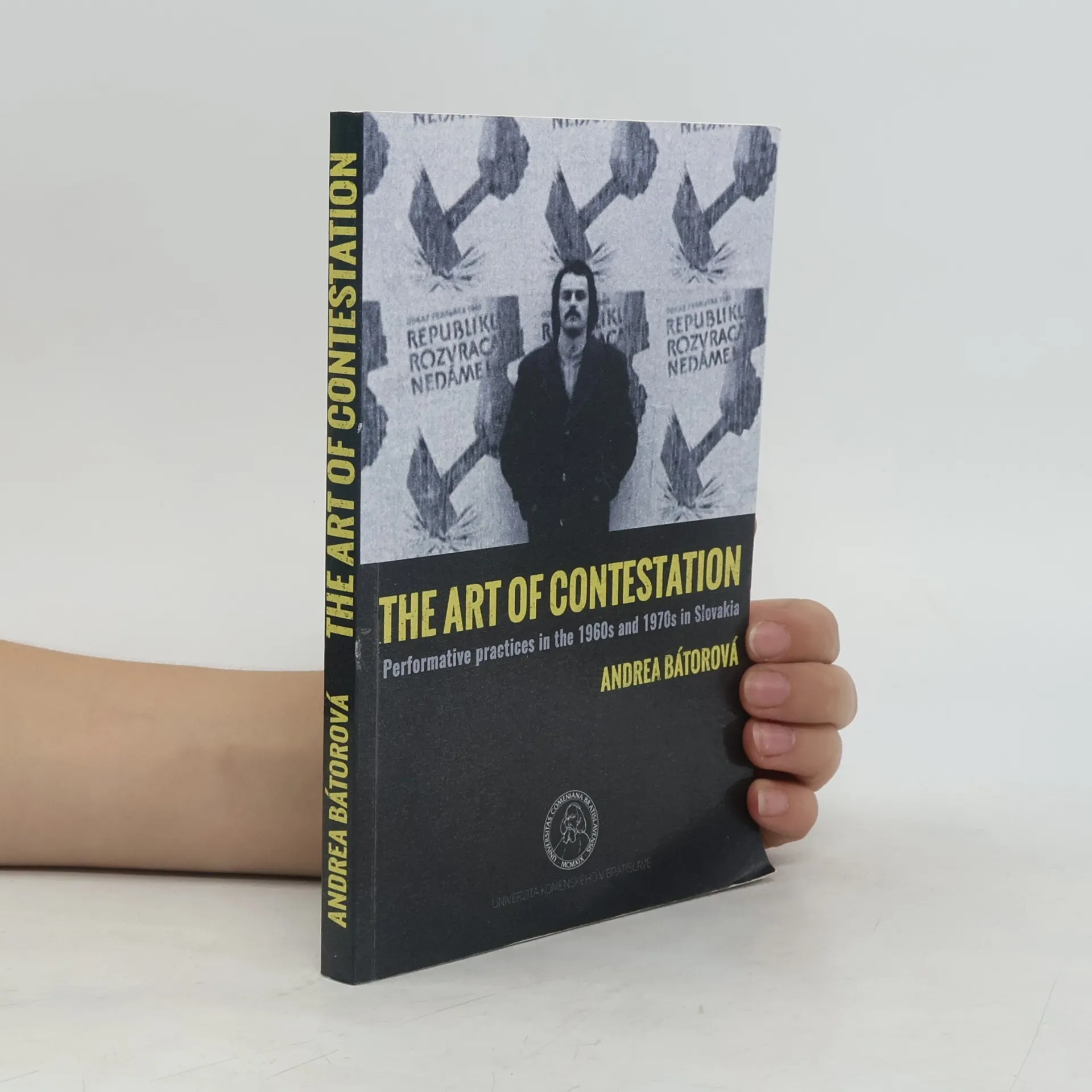
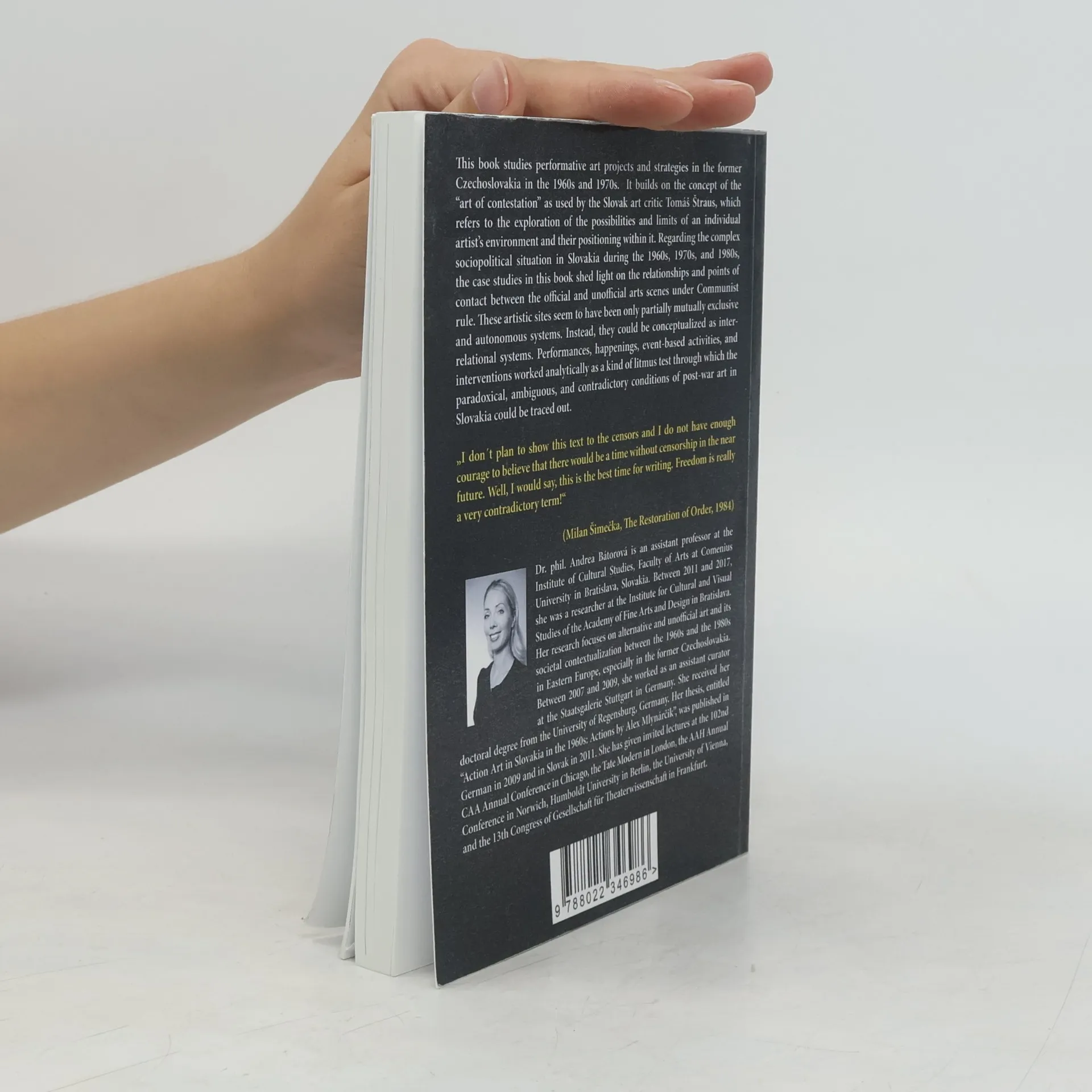
This book studies performative art projects and strategies in the former Czechoslovakia in the 1960s and 1970s. It builds on the concept of the "art of contestation" as used by the Slovak art critic Tomáš Štraus, which refers to the exploration of the possibilities and limits of an individual artist's environment and their positioning within it. Regarding the complex sociopolitical situation in Slovakia during the 1960s, 1970s, and 1980s, the case studies in this book shed light on the relationships and points of contact between the official and unofficial arts scenes under Communist rule. These artistic sites seem to have been only partially mutually exclusive and autonomous systems. Instead, they could be conceptualized as interrelational systems. Performances, happenings, event-based activities, and interventions worked analytically as a kind of litmus test through which the paradoxical, ambiguous, and contradictory conditions of post-war art in Slovakia could be traced out.
Achat du livre
The Art of Contestation, Andrea Euringer Bátorová
- Langue

- Année de publication
- 2019
- Reliure
- (souple)
Modes de paiement
Personne n'a encore évalué .
- Titre
- The Art of Contestation
- Sous-titre
- Performative Practices in the 1960s and 1970s in Slovakia
- Langue
- Anglais
- Auteurs
- Andrea Euringer Bátorová
- Publié
- 2019
- Format
- souple
- Pages
- 216
- ISBN10
- 8022346985
- ISBN13
- 9788022346986
- Séries
- Mots clés
- Description
- This book studies performative art projects and strategies in the former Czechoslovakia in the 1960s and 1970s. It builds on the concept of the "art of contestation" as used by the Slovak art critic Tomáš Štraus, which refers to the exploration of the possibilities and limits of an individual artist's environment and their positioning within it. Regarding the complex sociopolitical situation in Slovakia during the 1960s, 1970s, and 1980s, the case studies in this book shed light on the relationships and points of contact between the official and unofficial arts scenes under Communist rule. These artistic sites seem to have been only partially mutually exclusive and autonomous systems. Instead, they could be conceptualized as interrelational systems. Performances, happenings, event-based activities, and interventions worked analytically as a kind of litmus test through which the paradoxical, ambiguous, and contradictory conditions of post-war art in Slovakia could be traced out.