



En savoir plus sur le livre
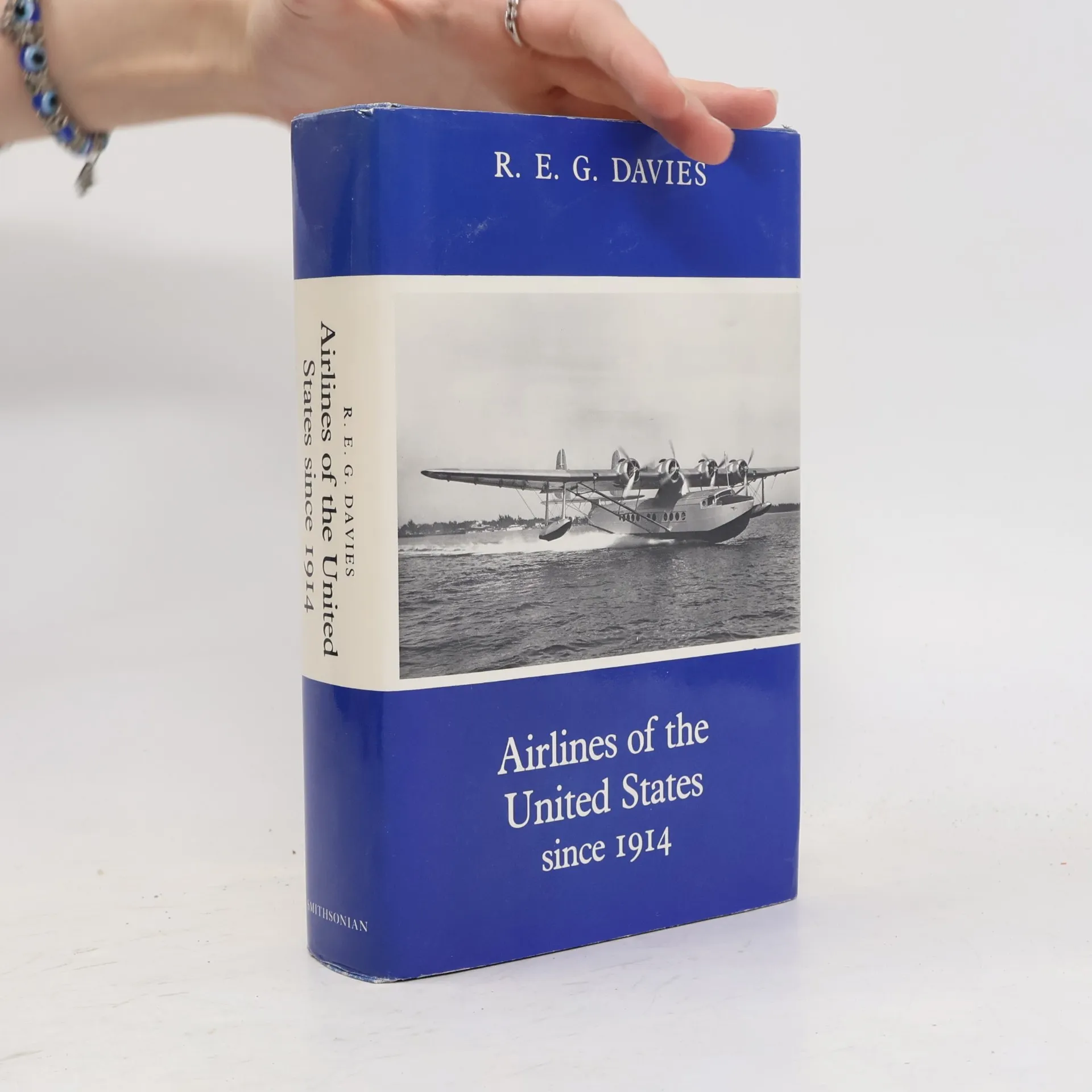
The world's first scheduled air service began before World War I with flying-boats in Florida. By the mid-1920s, passenger airlines emerged, and the U.S. aircraft industry produced iconic models like the Ford Tri-Motor, Boeing 247, and Douglas DC-3. These aircraft established the U.S. as a leader in global air transport, contributing to its dominance of the world's air routes. This work traces the journey from the initial flights in 1914 to the present, where the U.S. air transport system accounts for half of all air passengers outside the USSR. It covers every significant development in airline history, including the pioneering days before the Air Mail Act of 1925, the adventurous late 1920s and early 1930s, the Air Mail Scandal of 1934, and the era of the DC-3 leading to the Civil Aeronautics Act of 1938, which laid the foundation for the modern airline industry. The book discusses various airline categories, including Trunks, Local Service, International, Supplemental, and All-Cargo, alongside the historical development of routes and fleets. The narrative balances individual initiative with government regulation, competition, international policy, and public opinion. Numerous tables, maps, and charts provide reference data, enhancing the exploration of this rich airline history by author R. E. G. Davies, a noted aerospace historian.
Achat du livre
Airlines of the United States since 1914, R. E. G. Davies
- Langue

- Année de publication
- 1982
- Reliure
- (rigide)
Modes de paiement
Personne n'a encore évalué .
- Titre
- Airlines of the United States since 1914
- Langue
- Anglais
- Auteurs
- R. E. G. Davies
- Publié
- 1982
- Format
- rigide
- Pages
- 746
- ISBN10
- 0874743567
- ISBN13
- 9780874743562
- Séries
- Mots clés
- Thème historique, États-Unis, Compagnies aériennes
- Description
- The world's first scheduled air service began before World War I with flying-boats in Florida. By the mid-1920s, passenger airlines emerged, and the U.S. aircraft industry produced iconic models like the Ford Tri-Motor, Boeing 247, and Douglas DC-3. These aircraft established the U.S. as a leader in global air transport, contributing to its dominance of the world's air routes. This work traces the journey from the initial flights in 1914 to the present, where the U.S. air transport system accounts for half of all air passengers outside the USSR. It covers every significant development in airline history, including the pioneering days before the Air Mail Act of 1925, the adventurous late 1920s and early 1930s, the Air Mail Scandal of 1934, and the era of the DC-3 leading to the Civil Aeronautics Act of 1938, which laid the foundation for the modern airline industry. The book discusses various airline categories, including Trunks, Local Service, International, Supplemental, and All-Cargo, alongside the historical development of routes and fleets. The narrative balances individual initiative with government regulation, competition, international policy, and public opinion. Numerous tables, maps, and charts provide reference data, enhancing the exploration of this rich airline history by author R. E. G. Davies, a noted aerospace historian.