Bookbot

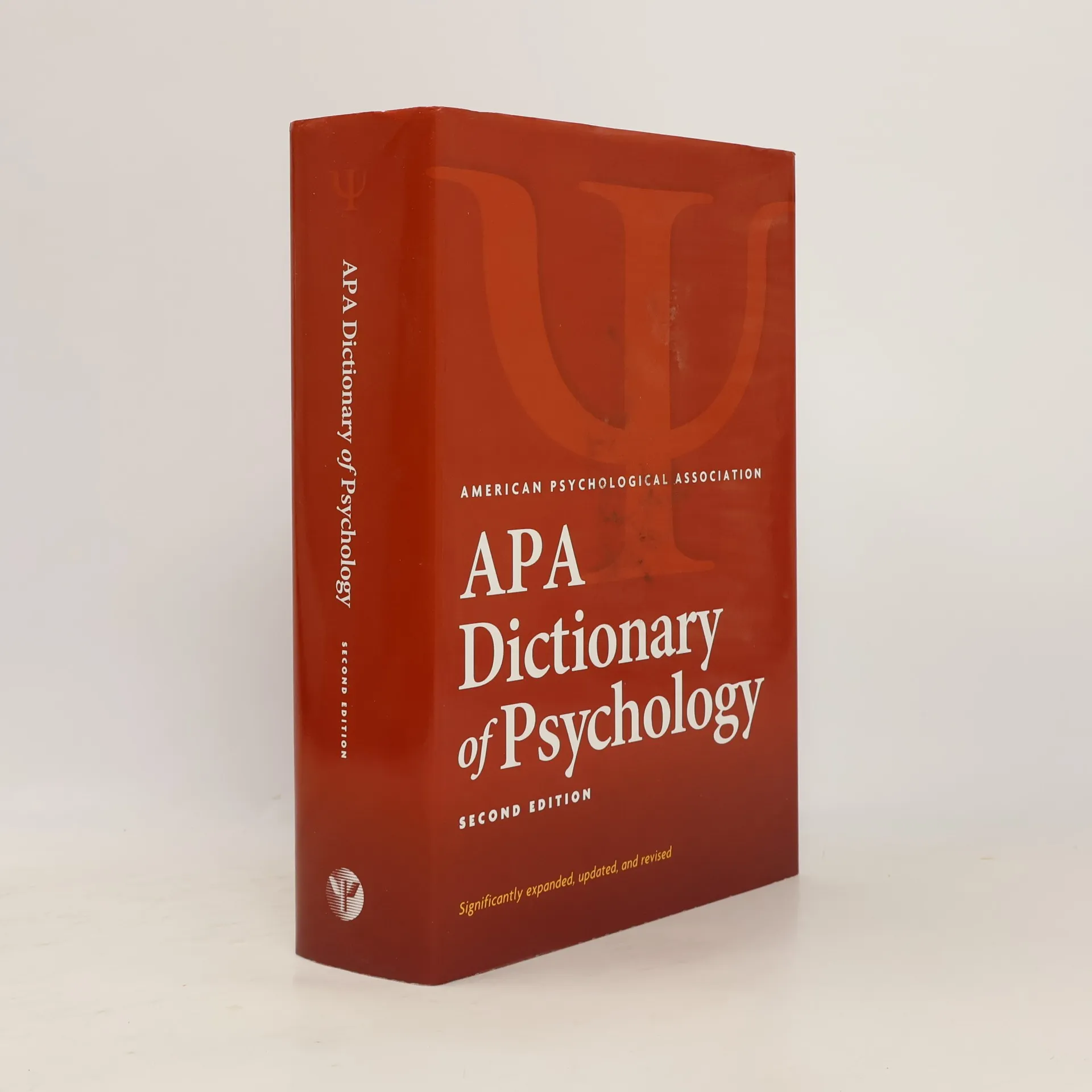
The APA Dictionary of Psychology

Paramètres

  • 1024pages
  • 36 heures de lecture

En savoir plus sur le livre

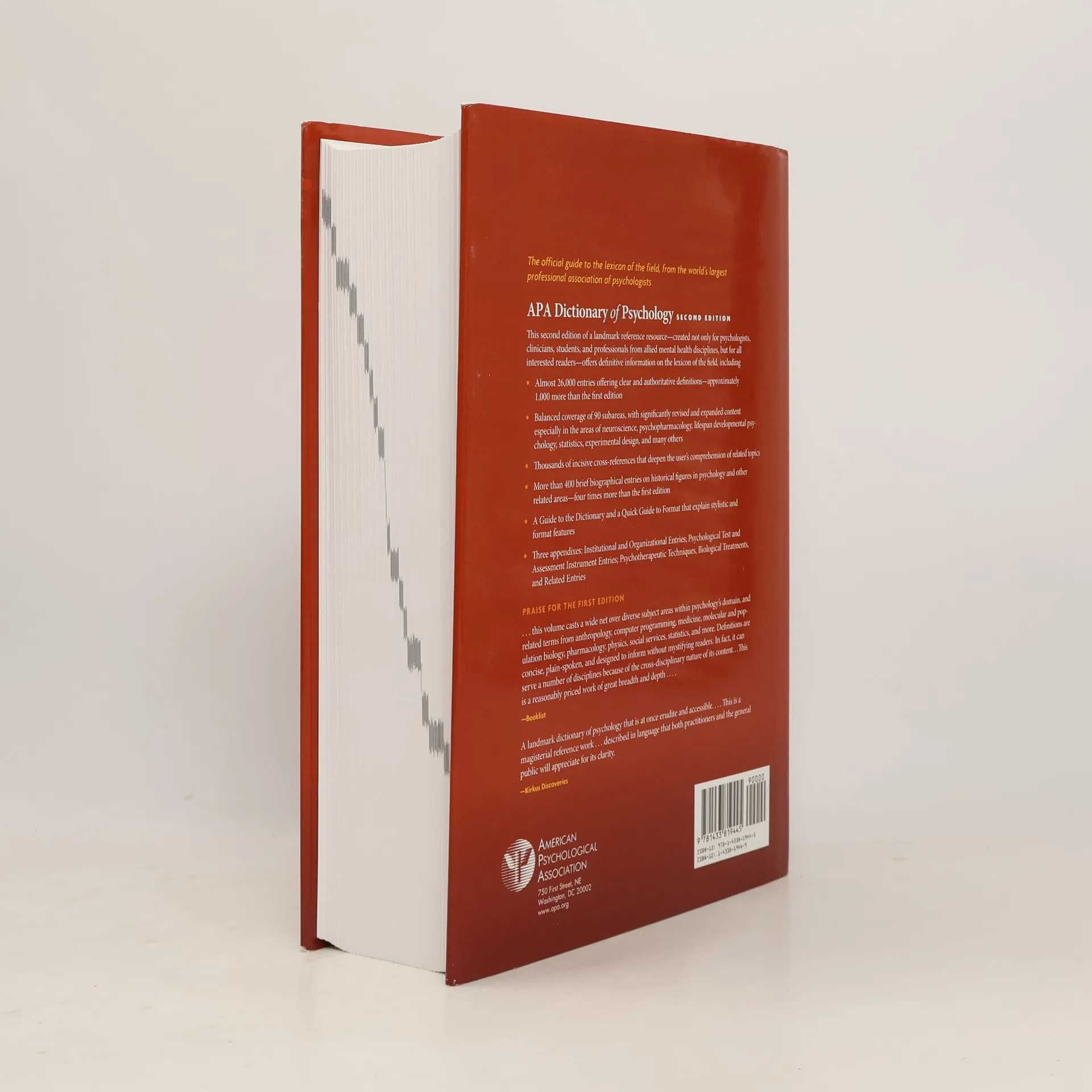
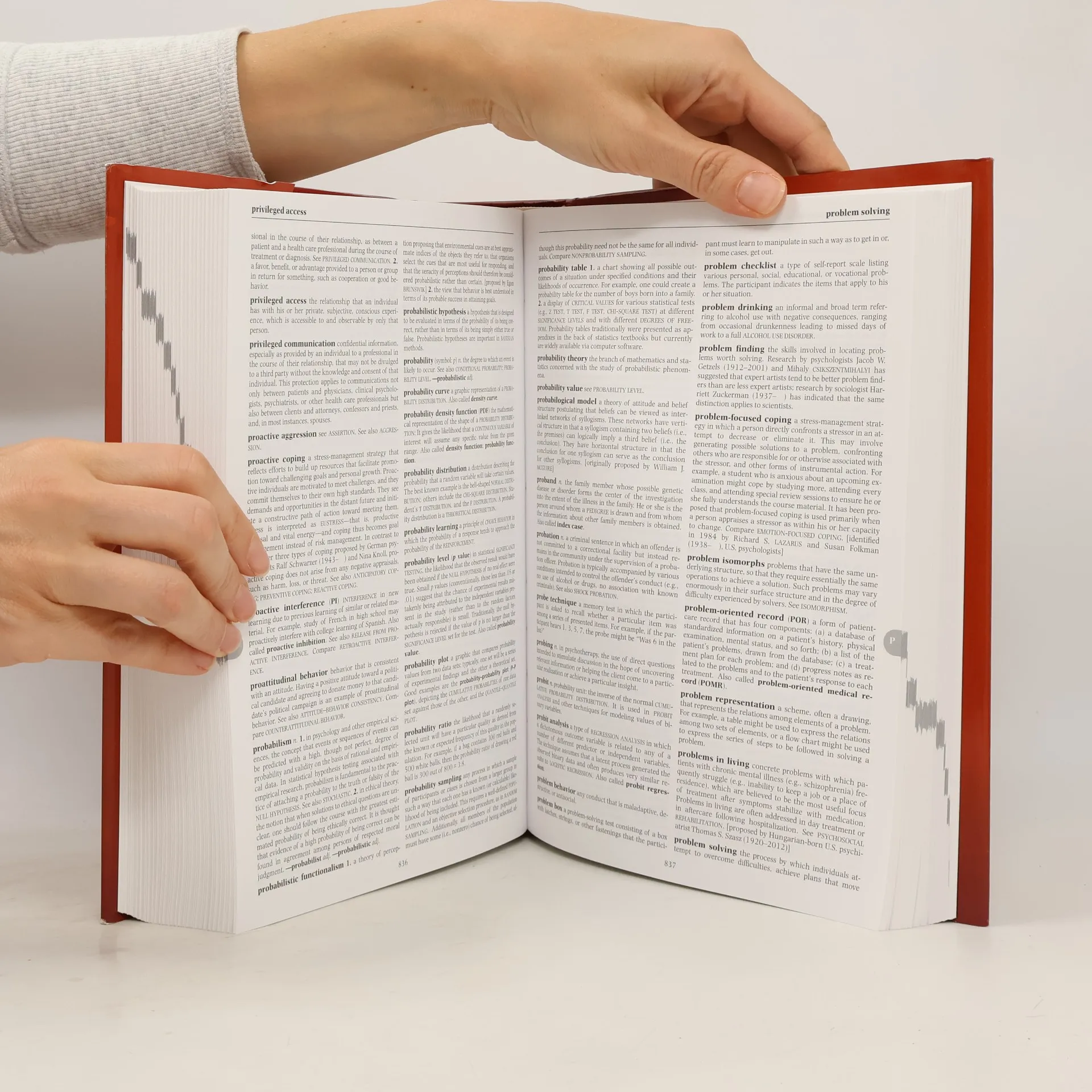
The largest association of psychologists in the world - the American Psychological Association - presents the definitive information on the language of the field, 25,000 entries offering clear and authoritative definitions; balanced coverage of over 90 subareas across the field of psychology - including clinical, experimental, neuropsychology, cognitive, personality and social, developmental, health, psychopharmacology, methodology and statistics, and many others; thousands of cross-references that deepen the user's understanding of related topics; close to 200 concise entries on major figures in the history of psychology and central organizations, institutions, and associations; a Guide to the Dictionary and Quick Guide to Format that explain stylistic and format features; and 4 appendixes on entries from these biographies; institutions, organizations, and associations; psychological tests and assessment instruments; and psychotherapies and psychotherapeutic approaches.

Achat du livre

The APA Dictionary of Psychology, Gary R. VandenBos, American Psychological Association

Langue
Année de publication
2006
product-detail.submit-box.info.binding
(rigide)
Nous vous informerons par e-mail dès que nous l’aurons retrouvé.

Modes de paiement

Personne n'a encore évalué .Évaluer

Titre
The APA Dictionary of Psychology
Langue
Anglais
Format
rigide
Pages
1024
ISBN10
1591473802
ISBN13
9781591473800
Séries
Description
The largest association of psychologists in the world - the American Psychological Association - presents the definitive information on the language of the field, 25,000 entries offering clear and authoritative definitions; balanced coverage of over 90 subareas across the field of psychology - including clinical, experimental, neuropsychology, cognitive, personality and social, developmental, health, psychopharmacology, methodology and statistics, and many others; thousands of cross-references that deepen the user's understanding of related topics; close to 200 concise entries on major figures in the history of psychology and central organizations, institutions, and associations; a Guide to the Dictionary and Quick Guide to Format that explain stylistic and format features; and 4 appendixes on entries from these biographies; institutions, organizations, and associations; psychological tests and assessment instruments; and psychotherapies and psychotherapeutic approaches.