



Paramètres
- 259pages
- 10 heures de lecture
En savoir plus sur le livre
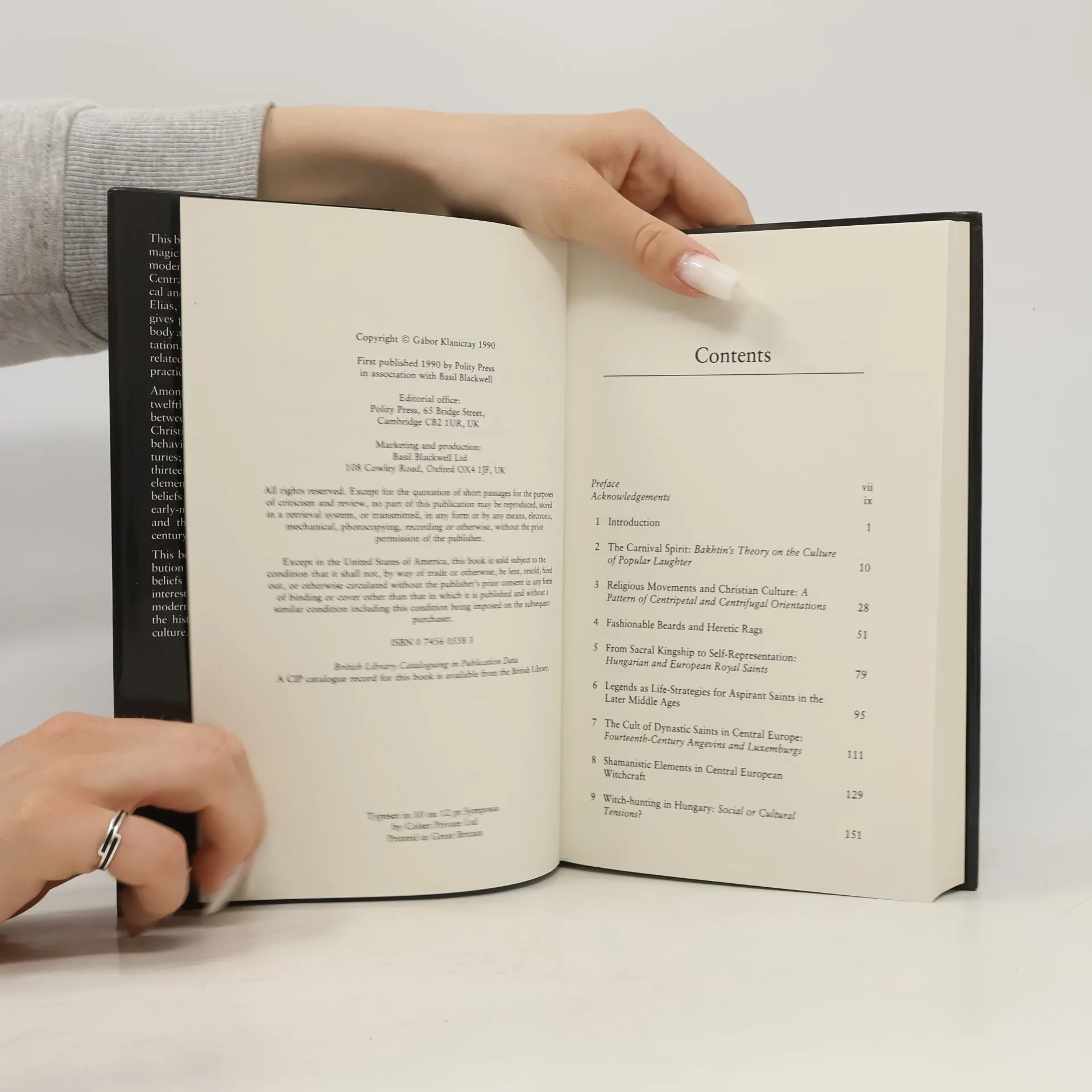
This book explores religion, magic, and witchcraft in medieval and early modern Europe, focusing on Central Europe. The author employs various theoretical and methodological approaches, emphasizing the history of the body, gesture, symbolism, and representation, and their connections to religious and mystical beliefs. Key topics include 12th-century conflicts within Christianity, the tension between popular and learned urban Christianity, heretical behaviors in the 12th and 13th centuries, and the celestial courts of holy princesses in 13th-century Central Europe. It also examines shamanistic elements in Central European witchcraft, witch hunting in early modern Hungary, and the transition from witchcraft to vampire legends in the 18th-century Habsburg Monarchy. The contents cover themes such as the carnival spirit, religious movements, fashionable beards and heretic rags, the evolution from sacral kingship to self-representation, legends as strategies for aspiring saints, the cult of dynastic saints, and witch-hunting dynamics. Written by Gábor Klaniczay and translated by Susan Singerman, with editing by Karen Margolis, this work provides a comprehensive analysis of the interplay between religion, magic, and social dynamics in historical contexts.
Achat du livre
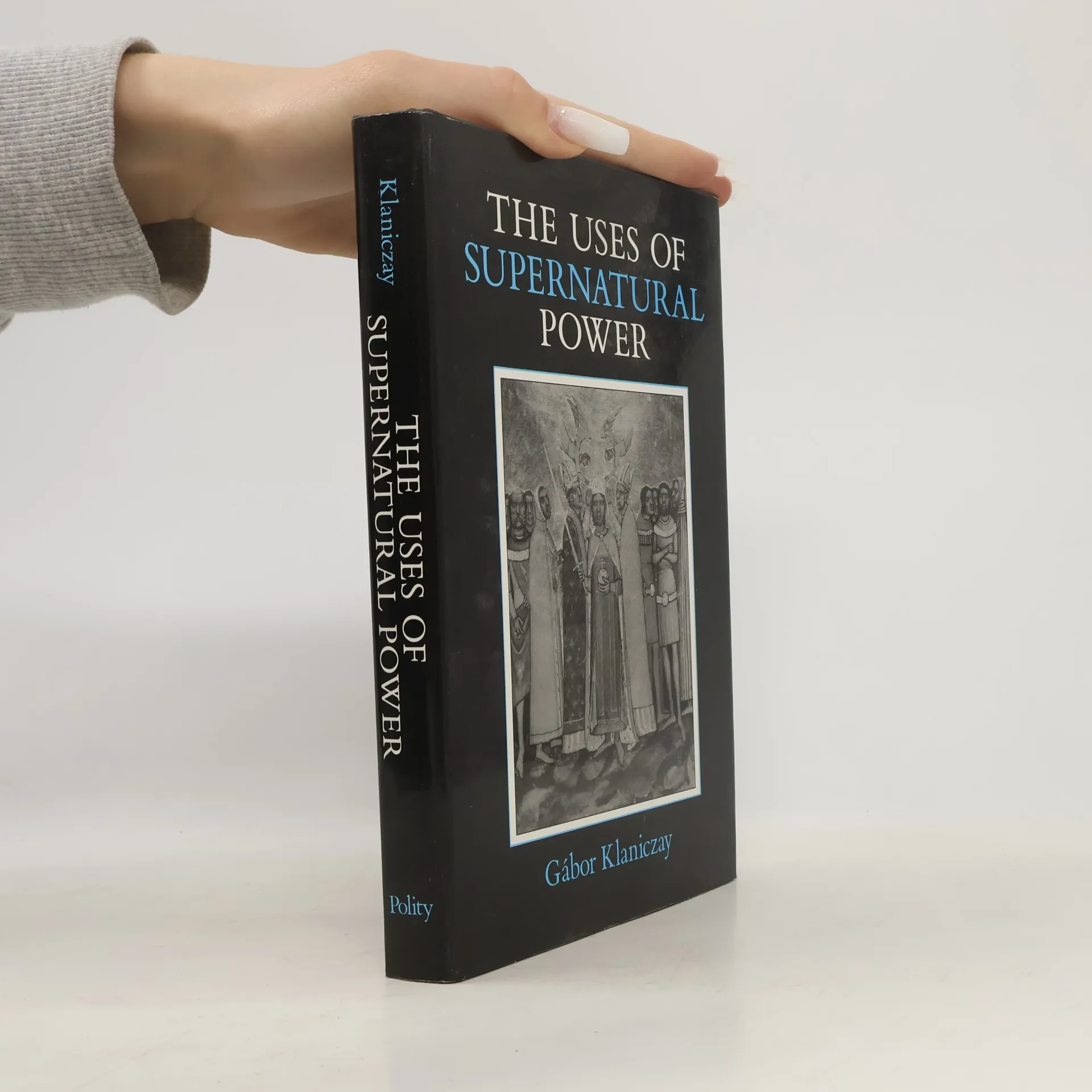
The Uses of Supernatural Power, Susan Singerman, Gábor Klaniczay
- Langue

- Année de publication
- 1990
- Reliure
- (rigide)
Modes de paiement
Personne n'a encore évalué .
- Titre
- The Uses of Supernatural Power
- Sous-titre
- The Transformation of Popular Religion in Mediaeval and Early Modern Europe
- Langue
- Anglais
- Auteurs
- Susan Singerman, Gábor Klaniczay
- Éditeur
- Polity / Basil Blackwell
- Publié
- 1990
- Format
- rigide
- Pages
- 259
- ISBN10
- 0745605583
- ISBN13
- 9780745605586
- Séries
- Mots clés
- Description
- This book explores religion, magic, and witchcraft in medieval and early modern Europe, focusing on Central Europe. The author employs various theoretical and methodological approaches, emphasizing the history of the body, gesture, symbolism, and representation, and their connections to religious and mystical beliefs. Key topics include 12th-century conflicts within Christianity, the tension between popular and learned urban Christianity, heretical behaviors in the 12th and 13th centuries, and the celestial courts of holy princesses in 13th-century Central Europe. It also examines shamanistic elements in Central European witchcraft, witch hunting in early modern Hungary, and the transition from witchcraft to vampire legends in the 18th-century Habsburg Monarchy. The contents cover themes such as the carnival spirit, religious movements, fashionable beards and heretic rags, the evolution from sacral kingship to self-representation, legends as strategies for aspiring saints, the cult of dynastic saints, and witch-hunting dynamics. Written by Gábor Klaniczay and translated by Susan Singerman, with editing by Karen Margolis, this work provides a comprehensive analysis of the interplay between religion, magic, and social dynamics in historical contexts.