

Paramètres
- 384pages
- 14 heures de lecture
En savoir plus sur le livre
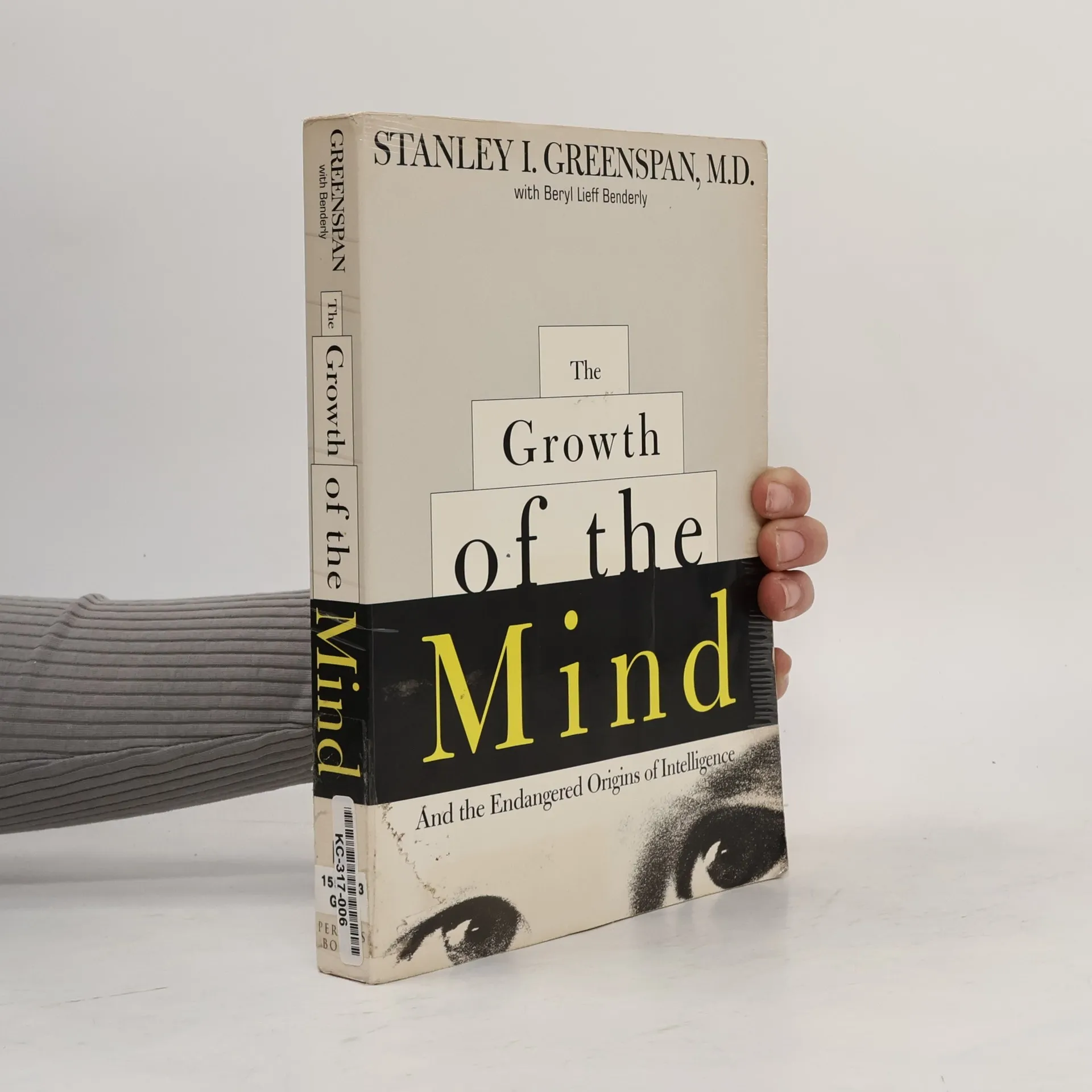
This compelling book reveals the six fundamental levels that form the architecture of our minds. The growth of these levels, four of which are deeper even than the unconscious, depends on a series of critical but subtle emotional transactions between an infant and a devoted caregiver. In mapping these interactions, Dr. Greenspan formulates the elusive building blocks of creative and analytic thinking and provides an exciting missing link between recent discoveries in neuroscience and the qualities that make us most fully human. He also sounds a warning: these mind-building experiences are being eroded in child-rearing and educational practices. He offers specific solutions to restoring them in families, daycare, schools and in social policy.

Achat du livre
The Growth of the Mind, Stanley I Greenspan, Beryl Lieff Benderly
- Langue

- Année de publication
- 1998
- Reliure
- (souple)
Modes de paiement
Personne n'a encore évalué .
- Titre
- The Growth of the Mind
- Sous-titre
- And the Endangered Origins of Intelligence
- Langue
- Anglais
- Éditeur
- Da Capo Press
- Publié
- 1998
- Format
- souple
- Pages
- 384
- ISBN10
- 0738200263
- ISBN13
- 9780738200262
- Séries
- Catégories
- Mots clés
- Thèmes psychologiques, Thématique philosophique, Science, Éducation, système scolaire, Parentalité, Neurosciences
- Titre original
- The growth of the mind and the endangered origins of intelligence
- Description
- This compelling book reveals the six fundamental levels that form the architecture of our minds. The growth of these levels, four of which are deeper even than the unconscious, depends on a series of critical but subtle emotional transactions between an infant and a devoted caregiver. In mapping these interactions, Dr. Greenspan formulates the elusive building blocks of creative and analytic thinking and provides an exciting missing link between recent discoveries in neuroscience and the qualities that make us most fully human. He also sounds a warning: these mind-building experiences are being eroded in child-rearing and educational practices. He offers specific solutions to restoring them in families, daycare, schools and in social policy.