

En savoir plus sur le livre
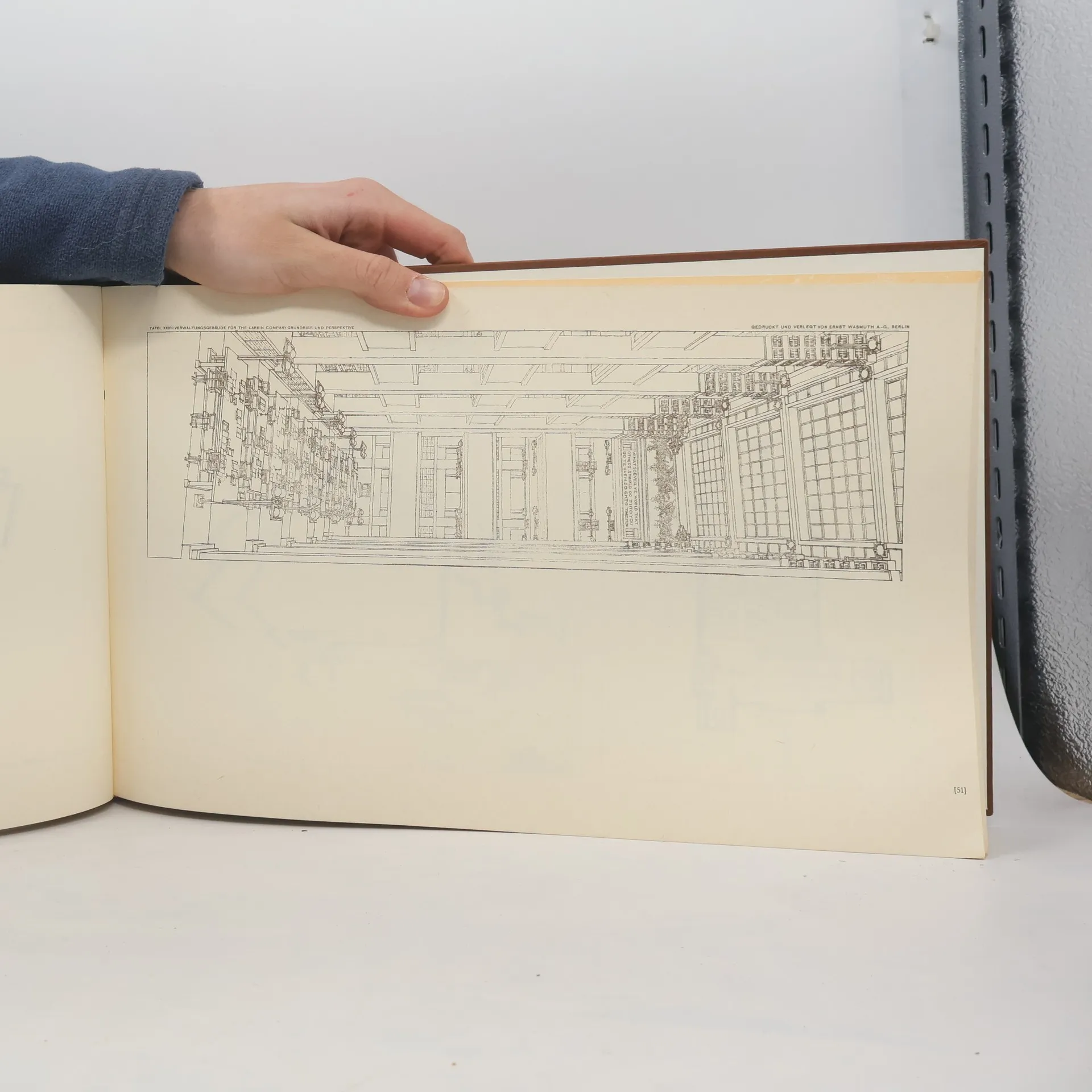
Frank Lloyd Wright's Wasmuth folios, one of the most important publications on modern architecture in the 20th century, is available once again from Rizzoli. First published in Germany in 1910, these 100 plates of Wright's early work had enormous influence on the architects of the time and will provide a valuable resource to historians and architects today. This facsimile edition includes the original selection of presentation and working drawings form the Oak Park period, the years perhaps most crucial to Wright's development. Also faithfully reproduced are the architect's own introduction and his comments on each project. A new foreword discusses the recently discovered historic background of these folios and Wright's intention to proffer them as a primer for a new democratic American architecture.
Achat du livre
Studies and Executed Buildings by Frank Lloyd Wright, Frank Lloyd Wright
- Langue

- Année de publication
- 1986
- Reliure
- (rigide)
Modes de paiement
Il manque plus que ton avis ici.
- Titre
- Studies and Executed Buildings by Frank Lloyd Wright
- Langue
- Anglais
- Auteurs
- Frank Lloyd Wright
- Publié
- 1986
- Format
- rigide
- Pages
- 22
- ISBN10
- 0847806871
- ISBN13
- 9780847806874
- Séries
- Mots clés
- Architecture
- Évaluation
- 4,65 sur 5
- Description
- Frank Lloyd Wright's Wasmuth folios, one of the most important publications on modern architecture in the 20th century, is available once again from Rizzoli. First published in Germany in 1910, these 100 plates of Wright's early work had enormous influence on the architects of the time and will provide a valuable resource to historians and architects today. This facsimile edition includes the original selection of presentation and working drawings form the Oak Park period, the years perhaps most crucial to Wright's development. Also faithfully reproduced are the architect's own introduction and his comments on each project. A new foreword discusses the recently discovered historic background of these folios and Wright's intention to proffer them as a primer for a new democratic American architecture.