

En savoir plus sur le livre
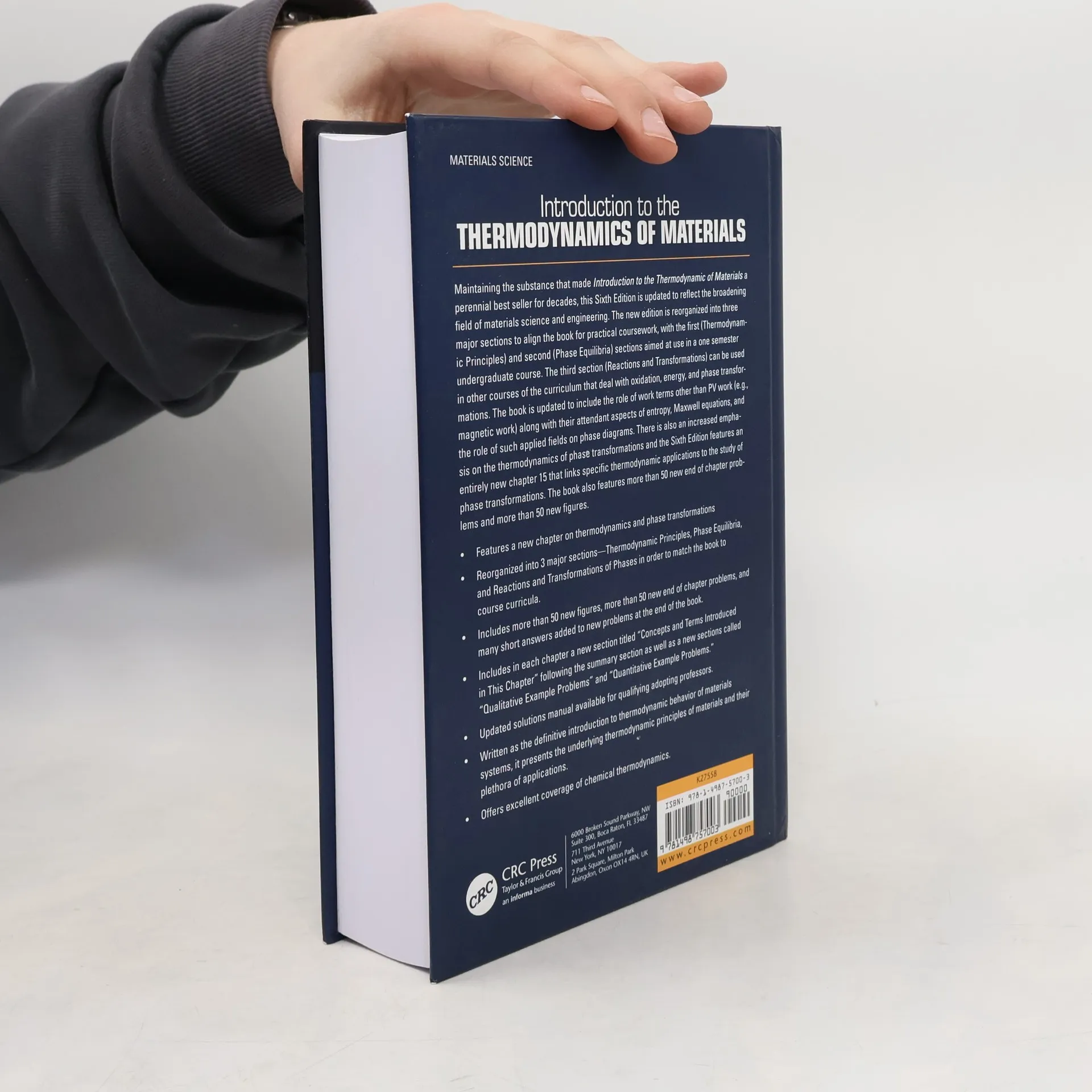
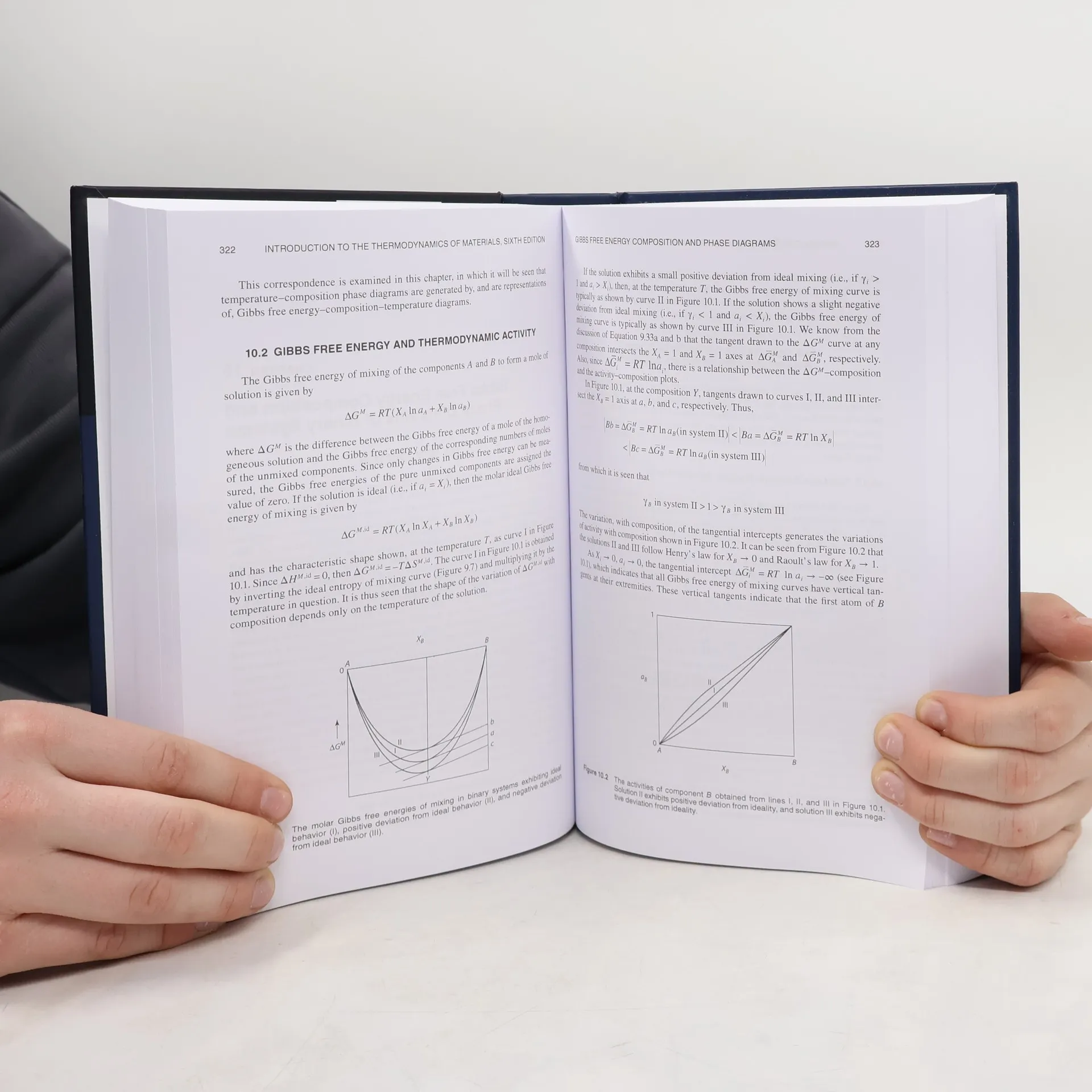
Maintaining the substance that made Introduction to the Thermodynamic of Materials a perennial best seller for decades, this Sixth Edition is updated to reflect the broadening field of materials science and engineering. The new edition is reorganized into three major sections to align the book for practical coursework, with the first (Thermodynamic Principles) and second (Phase Equilibria) sections aimed at use in a one semester undergraduate course. The third section (Reactions and Transformations) can be used in other courses of the curriculum that deal with oxidation, energy, and phase transformations. The book is updated to include the role of work terms other than PV work (e.g., magnetic work) along with their attendant aspects of entropy, Maxwell equations, and the role of such applied fields on phase diagrams. There is also an increased emphasis on the thermodynamics of phase transformations and the Sixth Edition features an entirely new chapter 15 that links specific thermodynamic applications to the study of phase transformations. The book also features more than 50 new end of chapter problems and more than 50 new figures.


Achat du livre
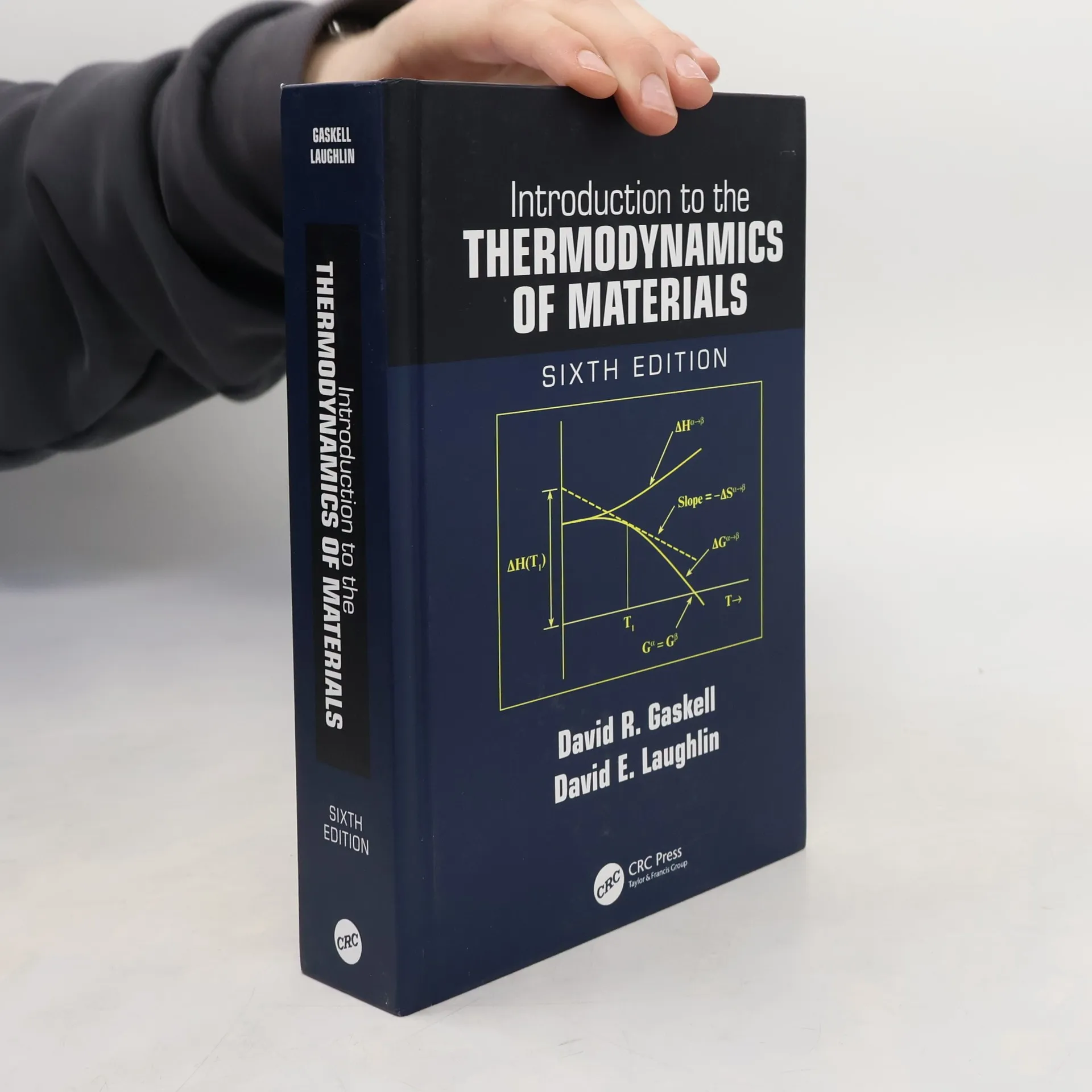
Introduction to the Thermodynamics of Materials, David R. Gaskell, David E. Laughlin
- Langue

- Année de publication
- 2017
- Reliure
- (rigide)
Modes de paiement
Il manque plus que ton avis ici.
- Titre
- Introduction to the Thermodynamics of Materials
- Sous-titre
- Sixth Edition
- Langue
- Anglais
- Auteurs
- David R. Gaskell, David E. Laughlin
- Éditeur
- CRC Press
- Publié
- 2017
- Format
- rigide
- Pages
- 694
- ISBN10
- 1498757006
- ISBN13
- 9781498757003
- Séries
- Catégories
- Mots clés
- Manuels, Science, États-Unis, Ingénierie, Mécanique, Thermodynamique, Métallurgie
- Évaluation
- 3,85 sur 5
- Description
- Maintaining the substance that made Introduction to the Thermodynamic of Materials a perennial best seller for decades, this Sixth Edition is updated to reflect the broadening field of materials science and engineering. The new edition is reorganized into three major sections to align the book for practical coursework, with the first (Thermodynamic Principles) and second (Phase Equilibria) sections aimed at use in a one semester undergraduate course. The third section (Reactions and Transformations) can be used in other courses of the curriculum that deal with oxidation, energy, and phase transformations. The book is updated to include the role of work terms other than PV work (e.g., magnetic work) along with their attendant aspects of entropy, Maxwell equations, and the role of such applied fields on phase diagrams. There is also an increased emphasis on the thermodynamics of phase transformations and the Sixth Edition features an entirely new chapter 15 that links specific thermodynamic applications to the study of phase transformations. The book also features more than 50 new end of chapter problems and more than 50 new figures.