

Paramètres
En savoir plus sur le livre
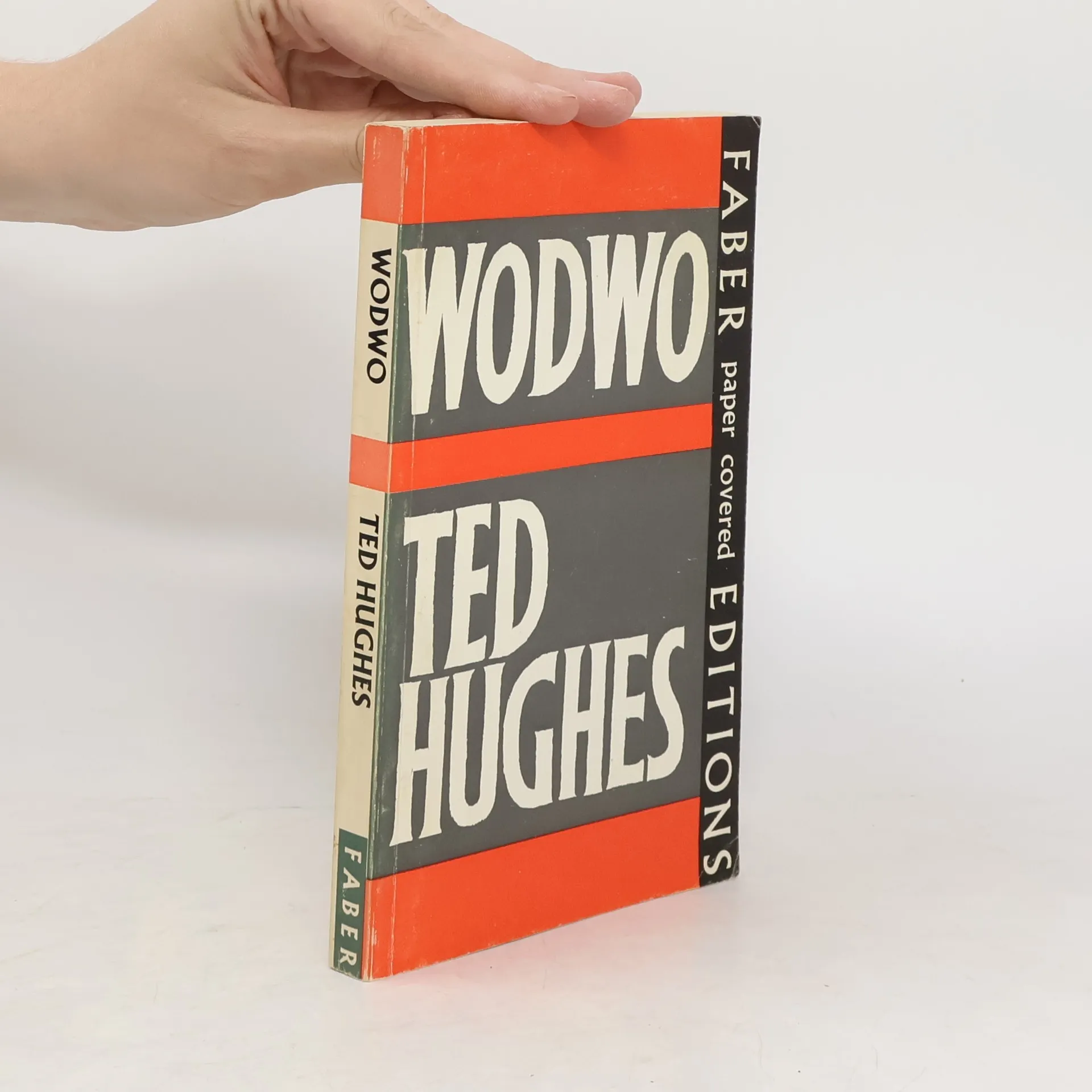
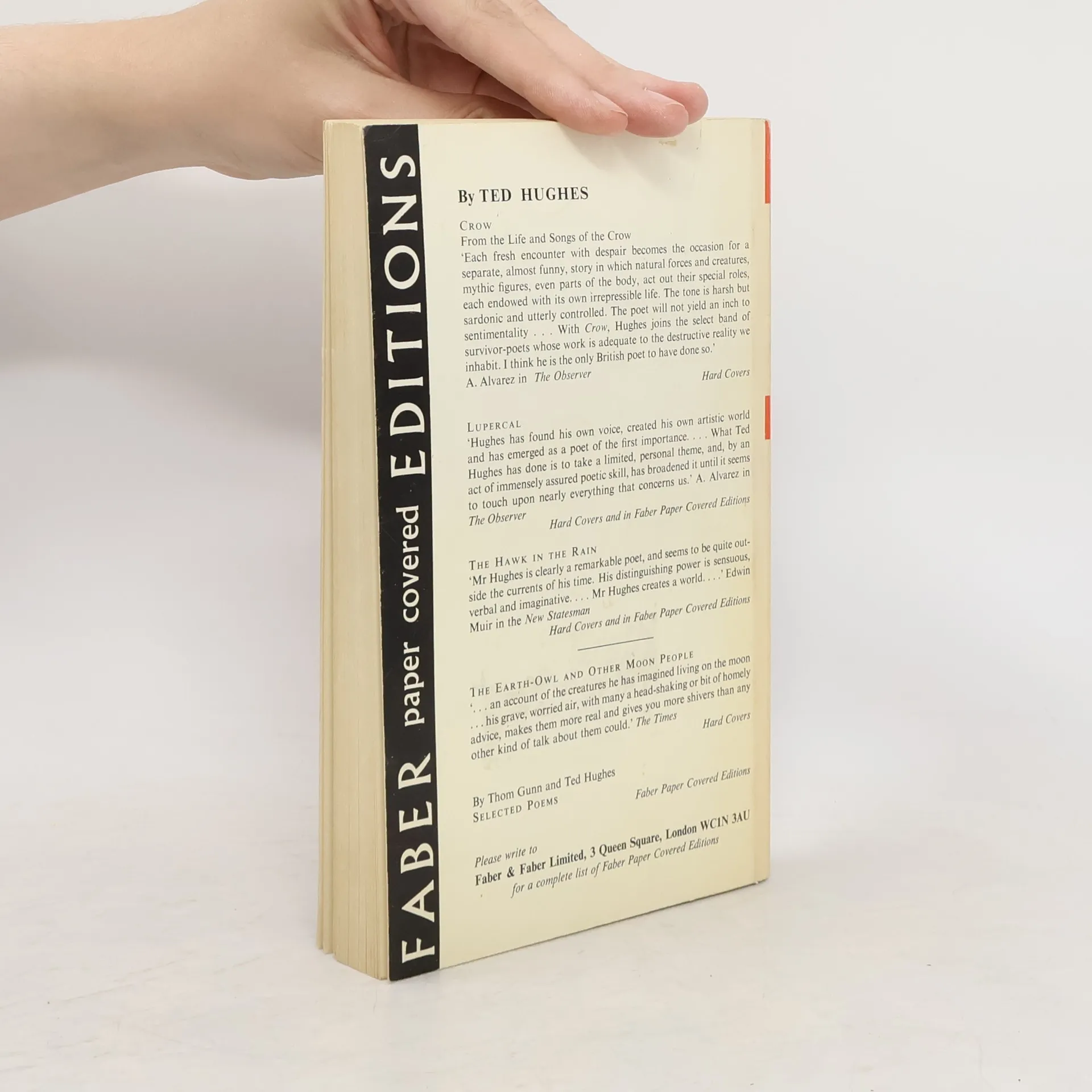
'... the best English poet of his generation. Forty poems, five stories (including that extraordinary celebration of panic The Rain Horse), and a play. In them move the ghostly shapes of beasts, predators and prey, the Norsemen, and the damaged Tommies, and all the figures of that mythology through which Ted Hughes communicates his disturbing vision of England and its history.' The Guardian'. . . he is the most powerful and original poet now writing in this country.' A. Alvarez in The Observer'. . . quite the best book by an English poet since Philip Larkin's The Whitsun Wed-dings . . . the passion and exactness with which he looks at skylarks, stones, hare-bells, gnats, ferns and thistles, and makes them his own in an entirely fresh way, is extremely intense and thrilling.' Derwent May in The Times

Achat du livre
Wodwo, Ted Hughes
- Langue

- Année de publication
- 1985
- Reliure
- (souple)
Modes de paiement
Il manque plus que ton avis ici.
- Titre
- Wodwo
- Langue
- Anglais
- Auteurs
- Ted Hughes
- Éditeur
- Faber & Faber
- Publié
- 1985
- Format
- souple
- ISBN10
- 0571097146
- ISBN13
- 9780571097142
- Séries
- Mots clés
- Nouvelles, Pièces de théâtre
- Évaluation
- 3,9 sur 5
- Description
- '... the best English poet of his generation. Forty poems, five stories (including that extraordinary celebration of panic The Rain Horse), and a play. In them move the ghostly shapes of beasts, predators and prey, the Norsemen, and the damaged Tommies, and all the figures of that mythology through which Ted Hughes communicates his disturbing vision of England and its history.' The Guardian'. . . he is the most powerful and original poet now writing in this country.' A. Alvarez in The Observer'. . . quite the best book by an English poet since Philip Larkin's The Whitsun Wed-dings . . . the passion and exactness with which he looks at skylarks, stones, hare-bells, gnats, ferns and thistles, and makes them his own in an entirely fresh way, is extremely intense and thrilling.' Derwent May in The Times