



Évaluation du livre
En savoir plus sur le livre
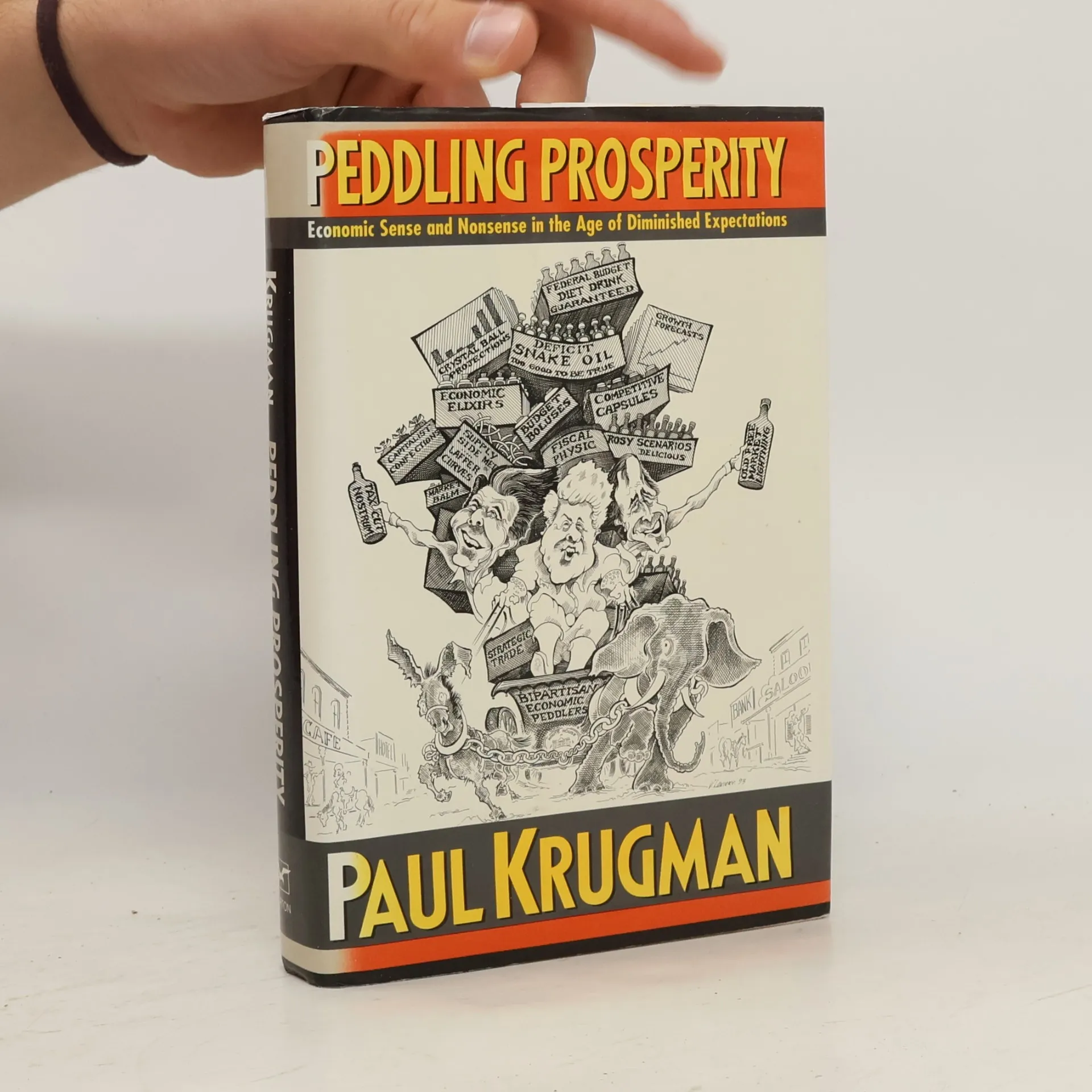
The past two decades in the United States have been marked by economic disappointment and intense debate as competing ideologies vie for influence. This period has seen the rise of the policy entrepreneur—the economic snake-oil salesman—who offers simplistic solutions to complex problems. Initially, conservative economists, led by Milton Friedman, effectively argued against activist government, placing liberals on the defensive. However, when Ronald Reagan ascended to power, it was not serious thinkers but supply-siders with overly simplistic ideas that dominated the narrative, ultimately leaving a $3 trillion debt without resolving the issues at hand. As the 1980s progressed, despite conservative dominance, ideas supporting government intervention gained traction. Yet, liberals also embraced their own version of supply-side thinking through strategic traders, whose oversimplified view of the U.S. economy as locked in win-lose competition with other nations appealed more to politicians than nuanced realities. This new approach risks causing as much harm as the previous one. In this thought-provoking exploration, Paul Krugman examines the ideological pendulum's swing from left to right and the peculiar transformations economic ideas undergo on their journey to power.


Achat du livre
Peddling Prosperity, Paul R. Krugman
- Langue

- Année de publication
- 1994
- Reliure
- (rigide),
- État du livre
- Bon
- Prix
- 4,49 €
Modes de paiement
Il manque plus que ton avis ici.
- Titre
- Peddling Prosperity
- Sous-titre
- Economic Sense and Nonsense in the Age of Diminished Expectations
- Langue
- Anglais
- Auteurs
- Paul R. Krugman
- Éditeur
- W W Norton & Co Inc
- Publié
- 1994
- Format
- rigide
- Pages
- 303
- ISBN10
- 0393036022
- ISBN13
- 9780393036022
- Séries
- Catégories
- Mots clés
- Thème historique, Commerce, Politique, Finance
- Évaluation
- 3,95 sur 5
- Description
- The past two decades in the United States have been marked by economic disappointment and intense debate as competing ideologies vie for influence. This period has seen the rise of the policy entrepreneur—the economic snake-oil salesman—who offers simplistic solutions to complex problems. Initially, conservative economists, led by Milton Friedman, effectively argued against activist government, placing liberals on the defensive. However, when Ronald Reagan ascended to power, it was not serious thinkers but supply-siders with overly simplistic ideas that dominated the narrative, ultimately leaving a $3 trillion debt without resolving the issues at hand. As the 1980s progressed, despite conservative dominance, ideas supporting government intervention gained traction. Yet, liberals also embraced their own version of supply-side thinking through strategic traders, whose oversimplified view of the U.S. economy as locked in win-lose competition with other nations appealed more to politicians than nuanced realities. This new approach risks causing as much harm as the previous one. In this thought-provoking exploration, Paul Krugman examines the ideological pendulum's swing from left to right and the peculiar transformations economic ideas undergo on their journey to power.