



En savoir plus sur le livre
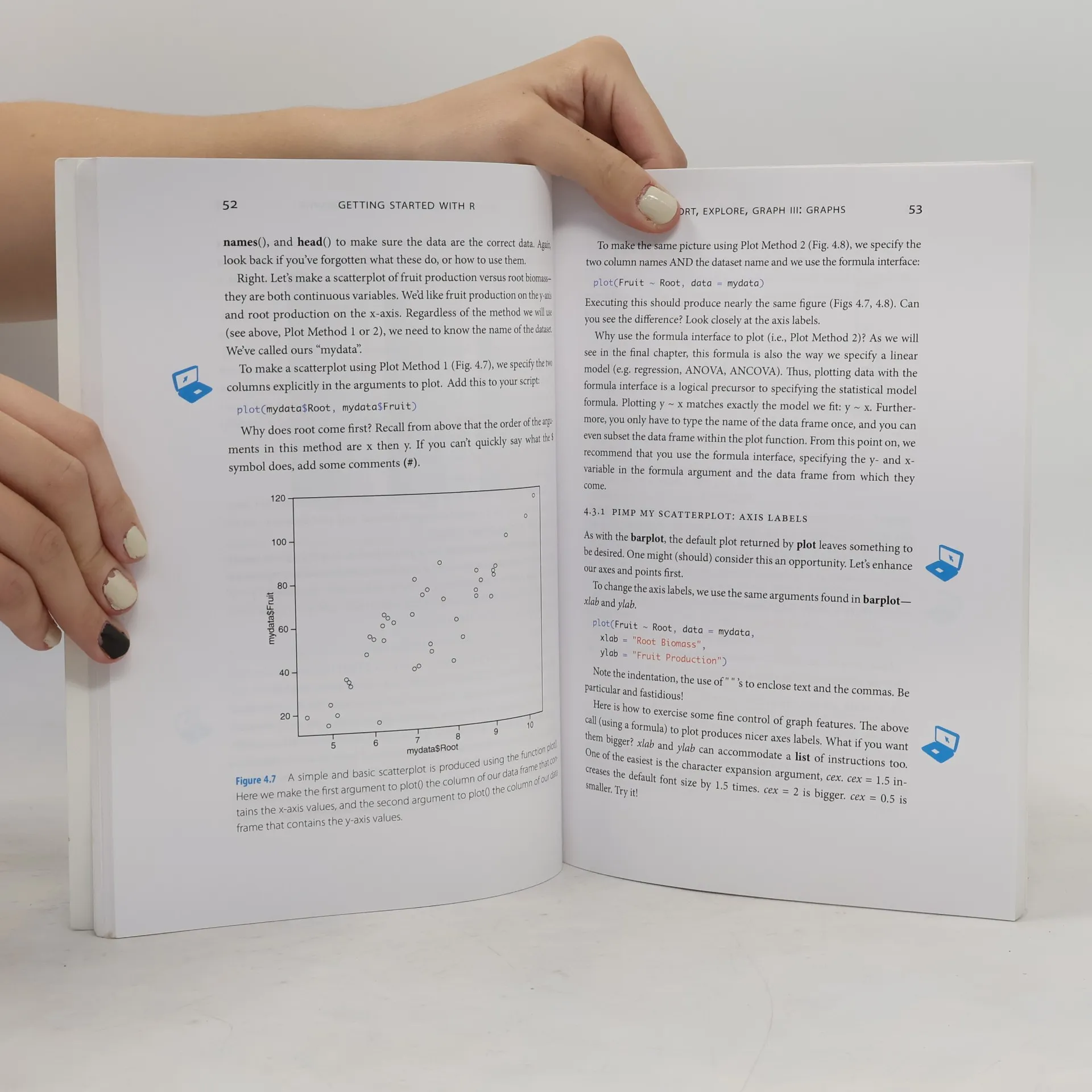
Learning how to get answers from data is an integral part of modern training in the natural, physical, social, and engineering sciences. One of the most exciting changes in data management and analysis during the last decade has been the growth of open source software. The open source statistics and programming language R has emerged as a critical component of any researcher's toolbox. Indeed, R is rapidly becoming the standard software for analyses, graphical presentations, and programming in the biological sciences. This book provides a functional introduction for biologists new to R. While teaching how to import, explore, graph, and analyse data, it keeps readers focused on their ultimate goals - communicating their data in oral presentations, posters, papers, and reports. It also provides a consistent method (workflow) for using R that is simple, efficient, reliable, accurate, and reproducible. The material in the book reproduces the engaging and sometimes humorous nature of the three-day course on which it is based.


Achat du livre
Getting Started with R, Owen L. Petchey, Andrew P. Beckerman
- Langue

- Année de publication
- 2012
- Reliure
- (souple),
- État du livre
- Bon
- Prix
- 20,99 €
Modes de paiement
Il manque plus que ton avis ici.
- Titre
- Getting Started with R
- Sous-titre
- An Introduction for Biologists
- Langue
- Anglais
- Auteurs
- Owen L. Petchey, Andrew P. Beckerman
- Éditeur
- Oxford University Press
- Publié
- 2012
- Format
- souple
- Pages
- 128
- ISBN10
- 0199601623
- ISBN13
- 9780199601622
- Séries
- Mots clés
- Sciences naturelles, Manuels de biologie
- Évaluation
- 4,25 sur 5
- Description
- Learning how to get answers from data is an integral part of modern training in the natural, physical, social, and engineering sciences. One of the most exciting changes in data management and analysis during the last decade has been the growth of open source software. The open source statistics and programming language R has emerged as a critical component of any researcher's toolbox. Indeed, R is rapidly becoming the standard software for analyses, graphical presentations, and programming in the biological sciences. This book provides a functional introduction for biologists new to R. While teaching how to import, explore, graph, and analyse data, it keeps readers focused on their ultimate goals - communicating their data in oral presentations, posters, papers, and reports. It also provides a consistent method (workflow) for using R that is simple, efficient, reliable, accurate, and reproducible. The material in the book reproduces the engaging and sometimes humorous nature of the three-day course on which it is based.