


Séries
- Commissaire Zen7 sur 11
En savoir plus sur le livre
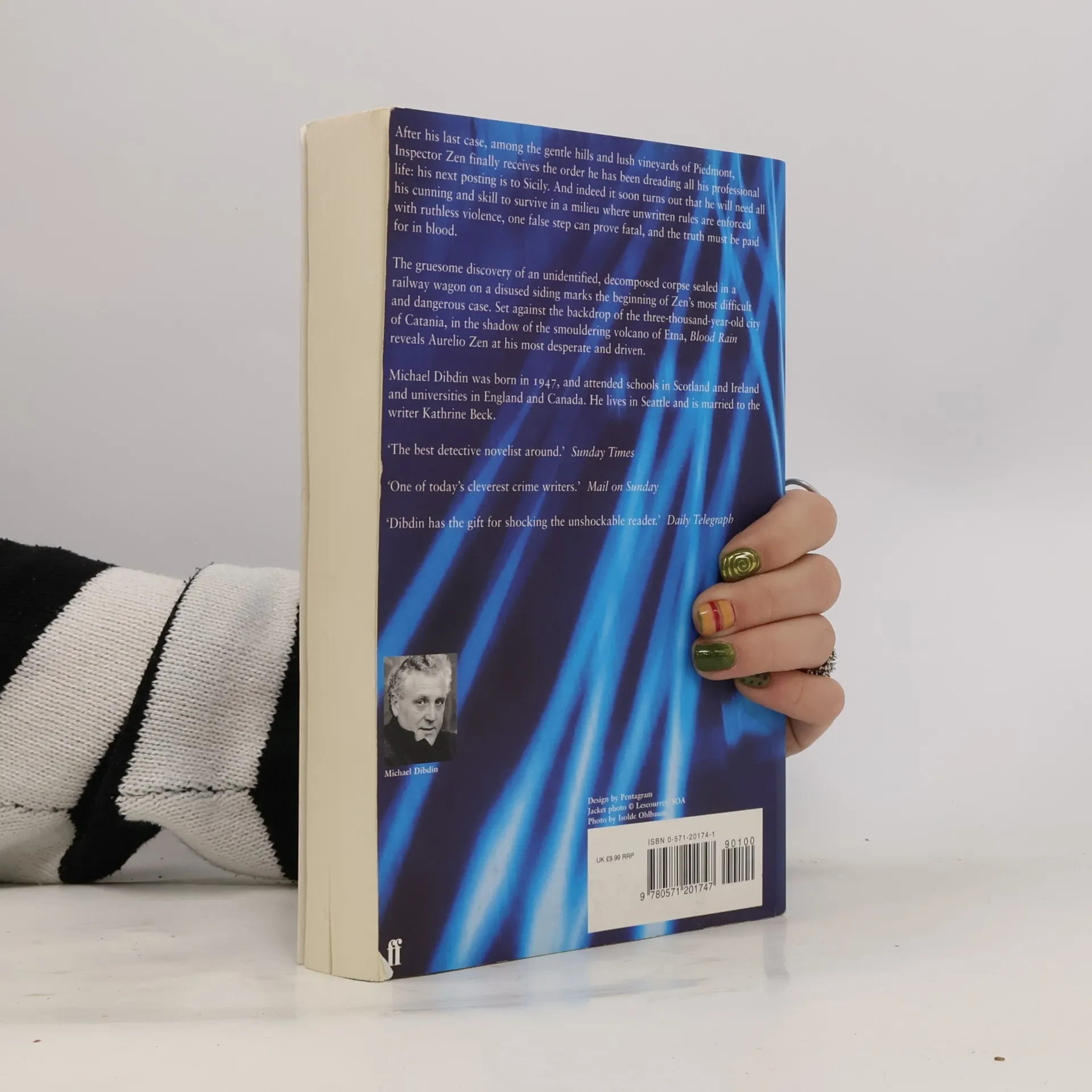
Writing a review of a Michael Dibdin novel is challenging, as all superlatives have been exhausted. In Blood Rain, Dibdin’s Italian detective, Aurelio Zen, is sent to Catania to assess spy operations aimed at infiltrating the Mafia. The physical dangers arise from the area's violence, while spiritual challenges stem from his interactions with his adopted daughter and his mother’s declining health. An American author might tackle this material with either a melancholic or tough-guy approach, likely set in L.A. or Florida. However, Dibdin infuses a Fellini-esque quality into his narrative, portraying a world rich in human experiences—sorrow, humor, fear, reflection, and poetry—where society reflects the complexities of humanity rather than being strictly good or bad. Despite the decay and corruption Zen faces, the novel lacks real anger. Zen embodies wisdom and acceptance, functioning as a detective in both literal and metaphysical senses, all without pretension. This novel stands out as an excellent and edifying read, offering a refreshing alternative to typical thrillers. Dibdin's introspective style is a welcome change from more sensational works.



Achat du livre
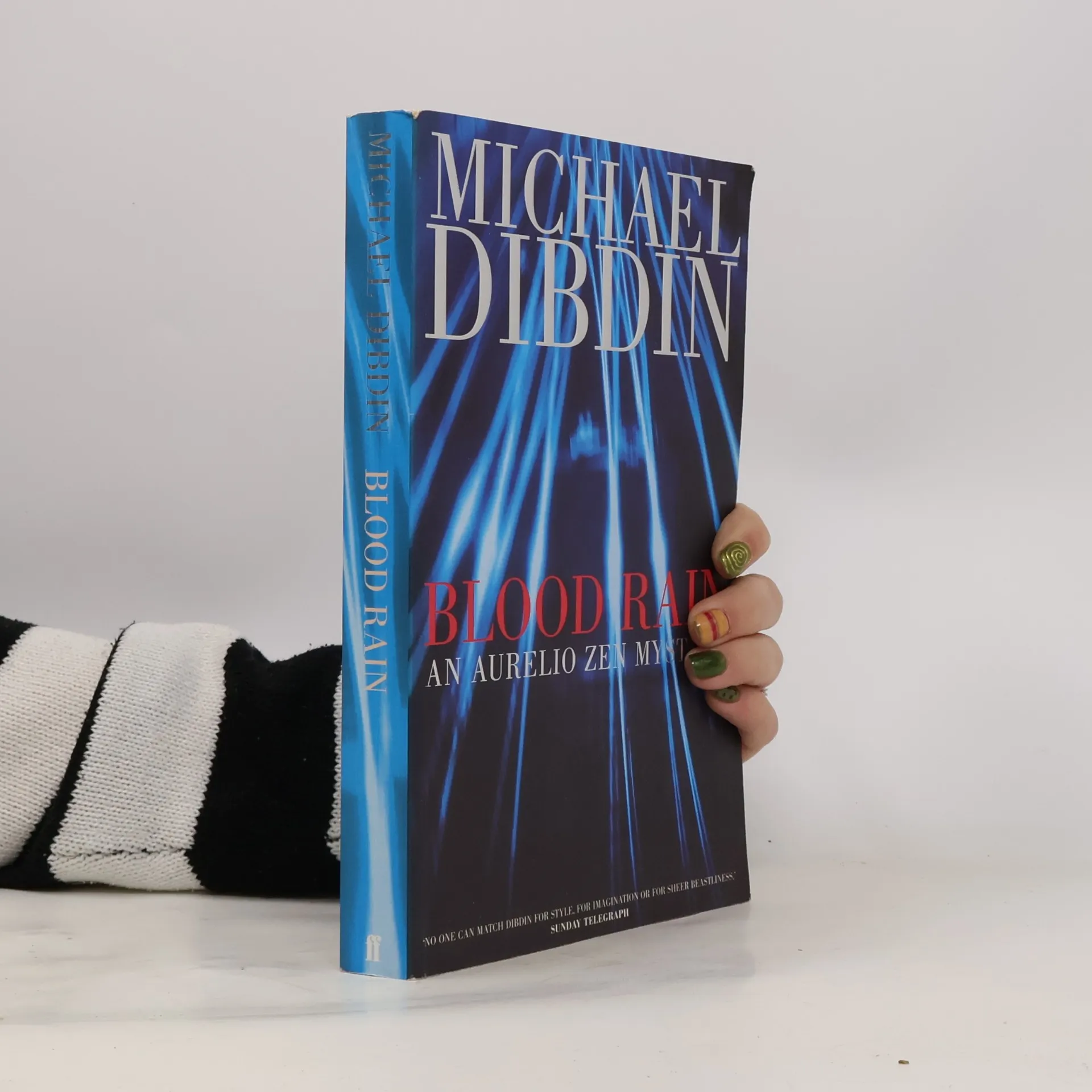
Aurelio Zen: Blood Rain, Michael Dibdin
- Langue

- Année de publication
- 1999
- Reliure
- (souple),
- État du livre
- Bon
- Prix
- 4,89 €
Modes de paiement
Il manque plus que ton avis ici.
- Titre
- Aurelio Zen: Blood Rain
- Langue
- Anglais
- Auteurs
- Michael Dibdin
- Éditeur
- Faber & Faber
- Publié
- 1999
- Format
- souple
- Pages
- 284
- ISBN10
- 0571201741
- ISBN13
- 9780571201747
- Séries
- Commissaire Zen
- Titre original
- Blood rain
- Évaluation
- 3,7 sur 5
- Description
- Writing a review of a Michael Dibdin novel is challenging, as all superlatives have been exhausted. In Blood Rain, Dibdin’s Italian detective, Aurelio Zen, is sent to Catania to assess spy operations aimed at infiltrating the Mafia. The physical dangers arise from the area's violence, while spiritual challenges stem from his interactions with his adopted daughter and his mother’s declining health. An American author might tackle this material with either a melancholic or tough-guy approach, likely set in L.A. or Florida. However, Dibdin infuses a Fellini-esque quality into his narrative, portraying a world rich in human experiences—sorrow, humor, fear, reflection, and poetry—where society reflects the complexities of humanity rather than being strictly good or bad. Despite the decay and corruption Zen faces, the novel lacks real anger. Zen embodies wisdom and acceptance, functioning as a detective in both literal and metaphysical senses, all without pretension. This novel stands out as an excellent and edifying read, offering a refreshing alternative to typical thrillers. Dibdin's introspective style is a welcome change from more sensational works.