


En savoir plus sur le livre
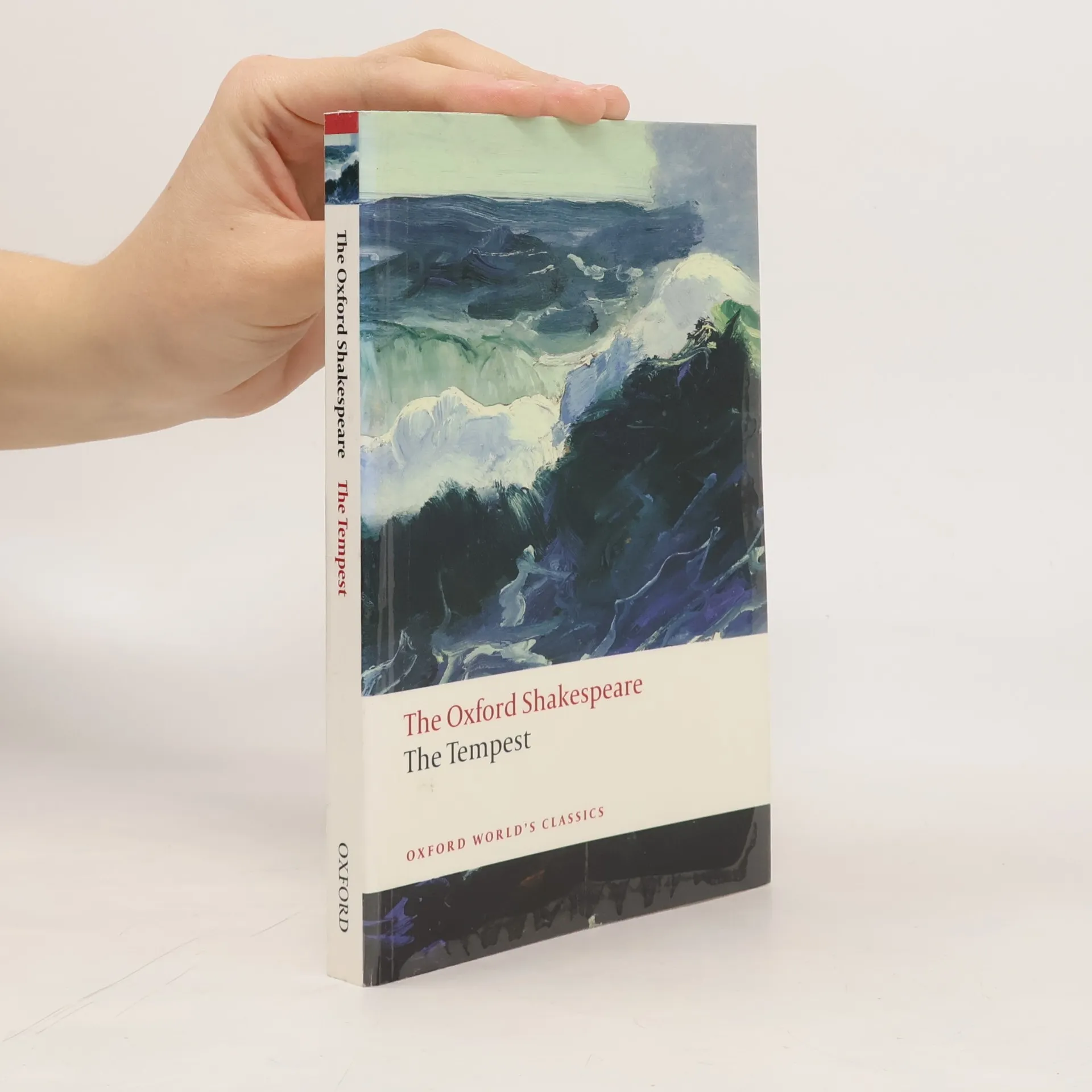
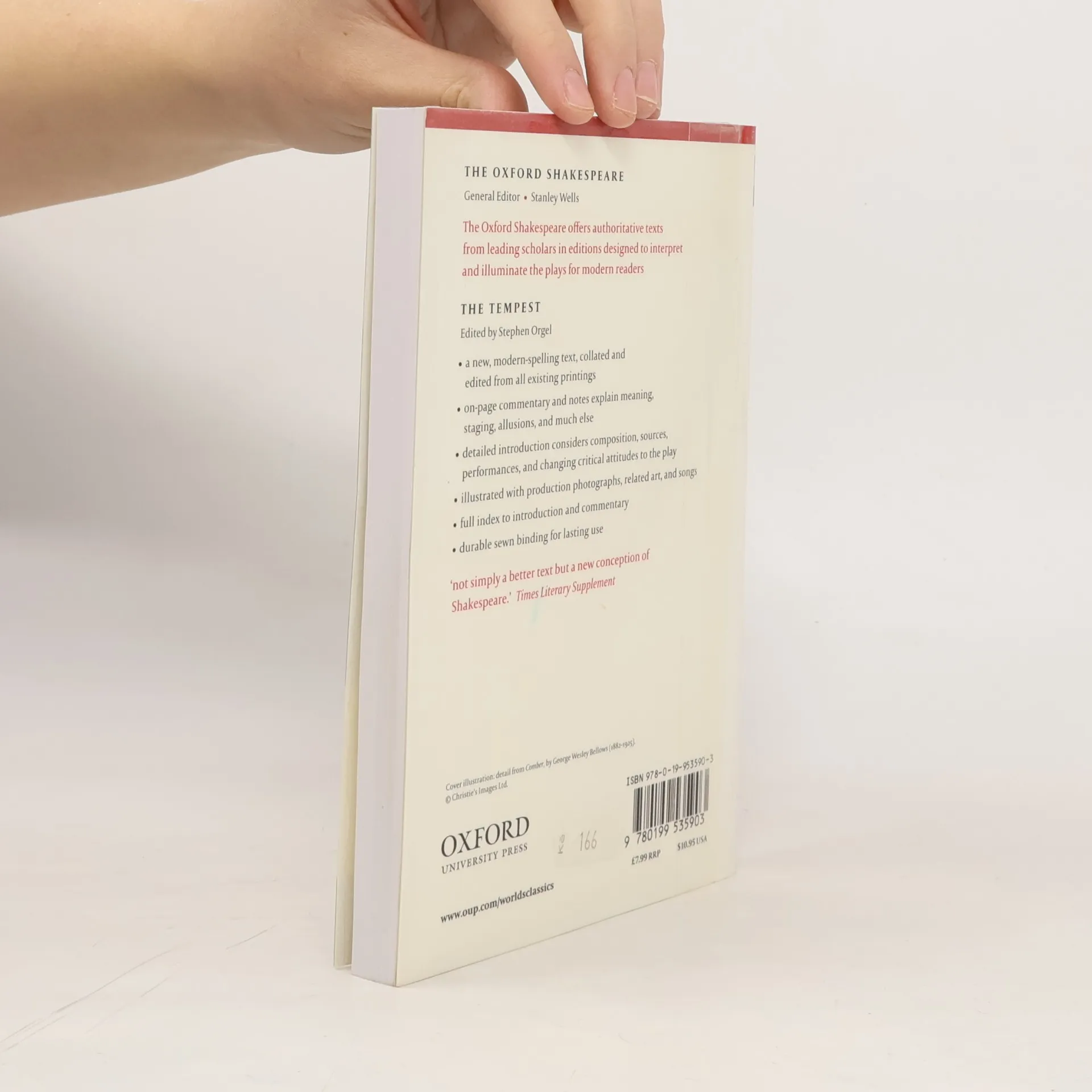
Performed variously as escapist fantasy, celebratory fiction, and political allegory, The Tempest is one of the plays in which Shakespeare's genius as a poetic dramatist found its fullest expression. Significantly, it was placed first when published in the First Folio of 1623, and is now generally seen as the playwright's most penetrating statement about his art. Stephen Orgel's wide-ranging introduction examines changing attitudes to The Tempest, and reassesses the evidence behind the various readings. He focuses on key characters and their roles and relationships, as well as on the dramatic, historical, and political context, finding the play to be both more open and more historically determined than traditional views have allowed.





Achat du livre
The Oxford Shakespeare: The Tempest, William Shakespeare
- Langue

- Année de publication
- 2008
- Reliure
- (souple),
- État du livre
- Bon
- Prix
- 8,59 €
Modes de paiement
Il manque plus que ton avis ici.
- Titre
- The Oxford Shakespeare: The Tempest
- Langue
- Anglais
- Auteurs
- William Shakespeare
- Éditeur
- Oxford Paperbacks
- Publié
- 2008
- Format
- souple
- Pages
- 248
- ISBN10
- 0199535906
- ISBN13
- 9780199535903
- Séries
- Mots clés
- Amour, Pièces de théâtre, Littérature anglaise, Îles, Haine, Exil, Expulsion
- Première publication
- 1611
- Titre original
- The Tempest
- Évaluation
- 3,75 sur 5
- Description
- Performed variously as escapist fantasy, celebratory fiction, and political allegory, The Tempest is one of the plays in which Shakespeare's genius as a poetic dramatist found its fullest expression. Significantly, it was placed first when published in the First Folio of 1623, and is now generally seen as the playwright's most penetrating statement about his art. Stephen Orgel's wide-ranging introduction examines changing attitudes to The Tempest, and reassesses the evidence behind the various readings. He focuses on key characters and their roles and relationships, as well as on the dramatic, historical, and political context, finding the play to be both more open and more historically determined than traditional views have allowed.