

Épuisé, mais très demandé!
Évaluation du livre
Paramètres
- 808pages
- 29 heures de lecture
En savoir plus sur le livre
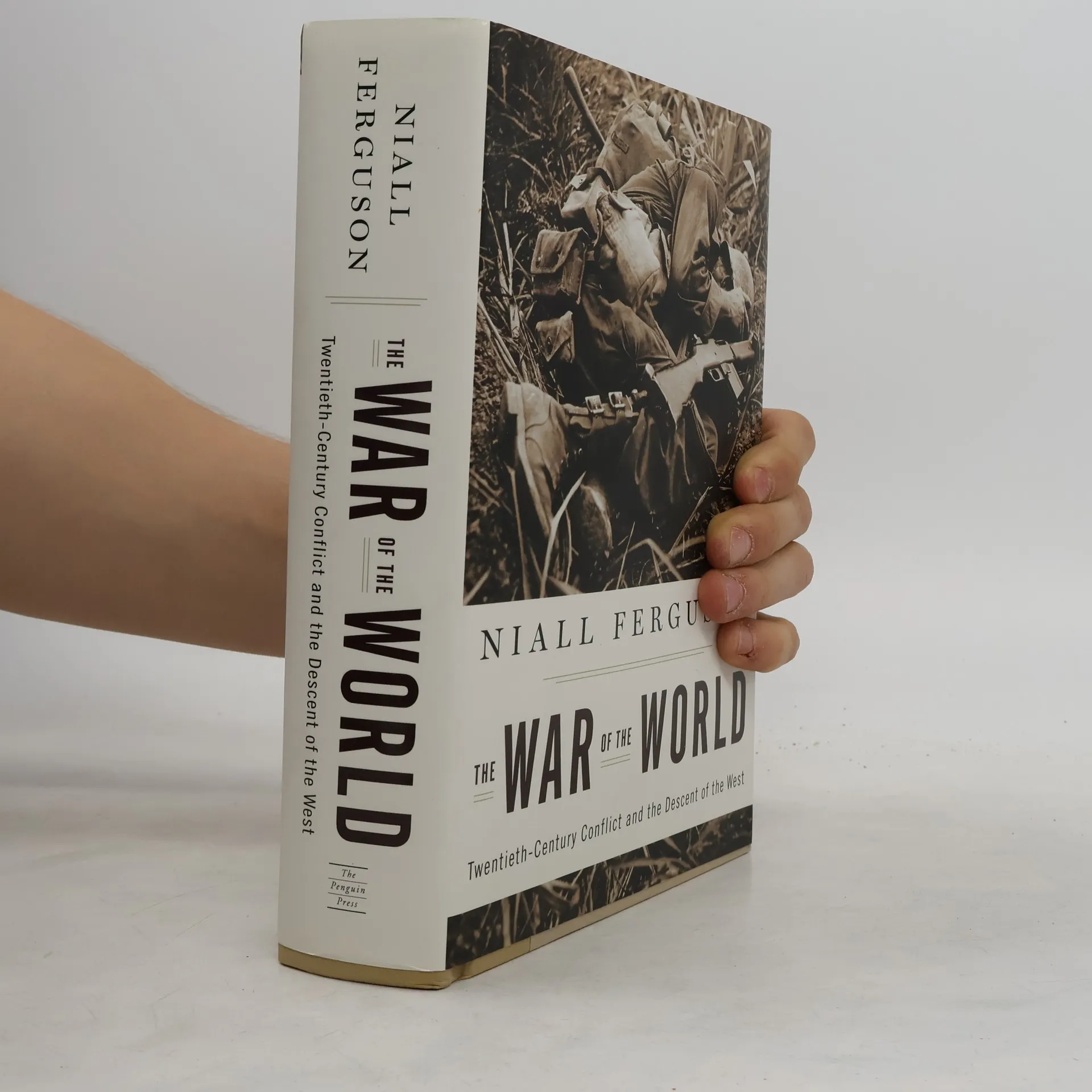
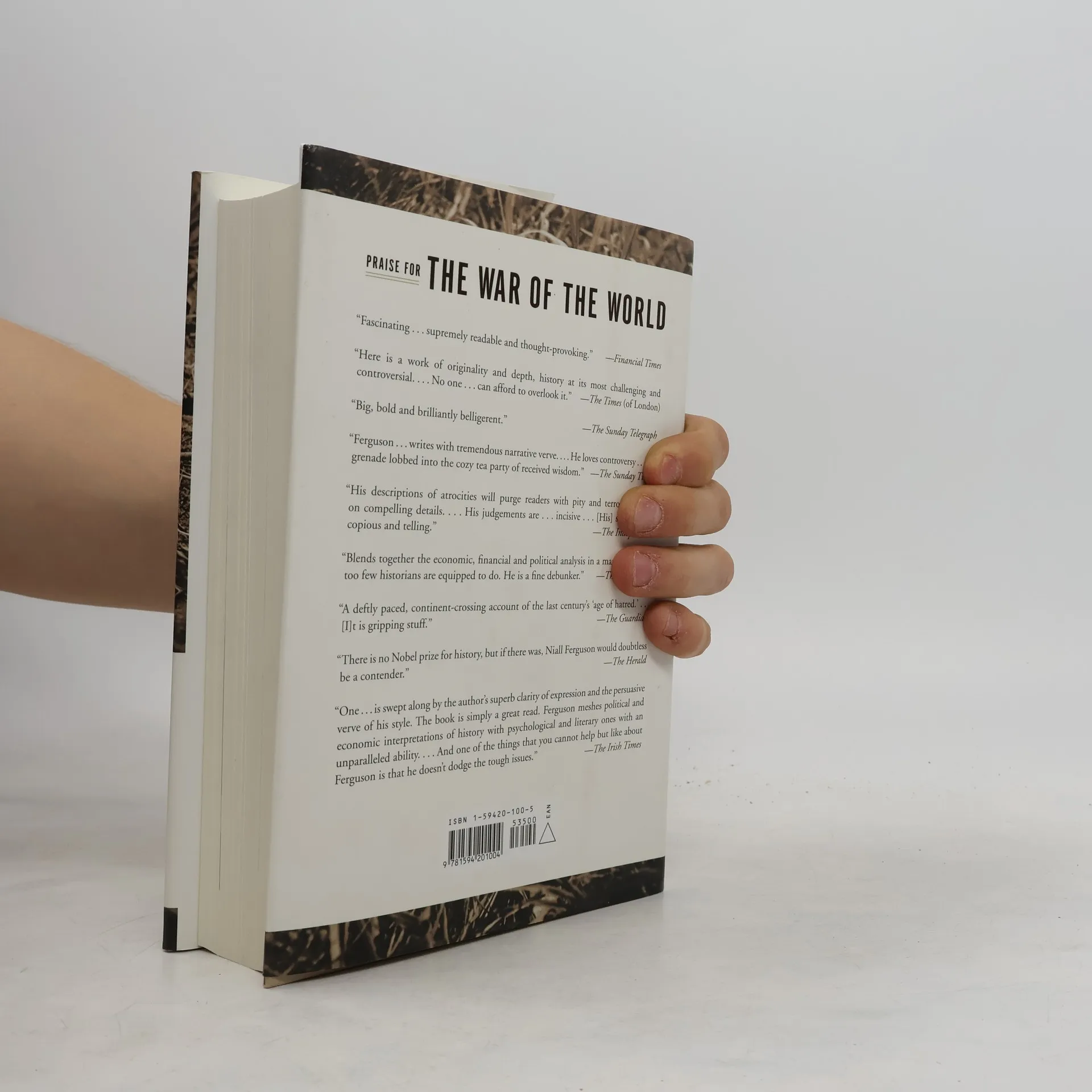
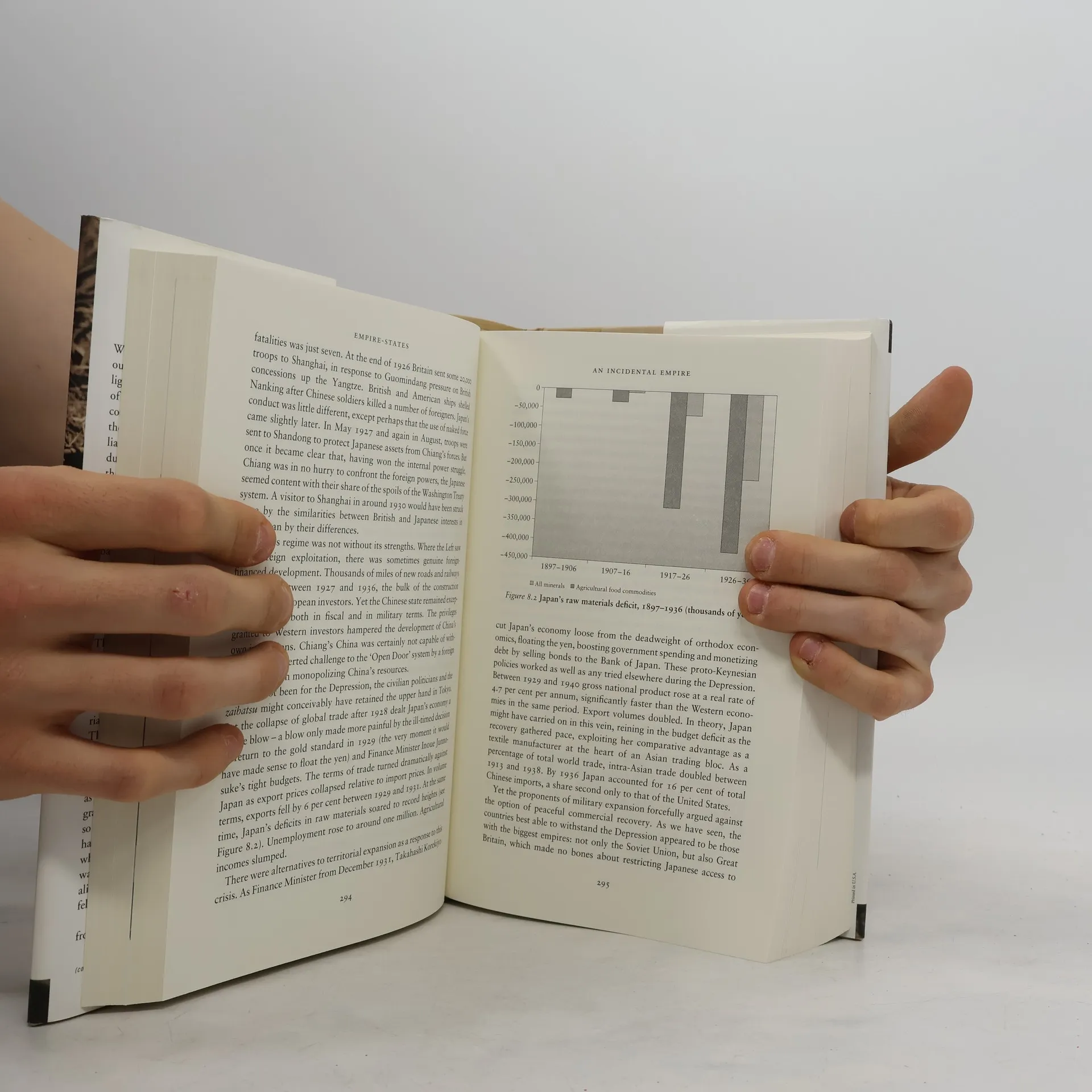
Astonishing in its scope and erudition, this is the magnum opus that Niall Ferguson's numerous acclaimed works have been leading up to. In it, he grapples with perhaps the most challenging questions of modern history: Why was the twentieth century history's bloodiest by far? Why did unprecedented material progress go hand in hand with total war and genocide? His quest for new answers takes him from the walls of Nanjing to the bloody beaches of Normandy, from the economics of ethnic cleansing to the politics of imperial decline and fall. The result, as brilliantly written as it is vital, is a great historian's masterwork.





Achat du livre
The War of the World, Niall Ferguson
- Langue

- Année de publication
- 2006
- Reliure
- (rigide)
Nous vous informerons par e-mail dès que nous l’aurons retrouvé.
Modes de paiement
Il manque plus que ton avis ici.
- Titre
- The War of the World
- Sous-titre
- Twentieth-Century Conflict and the Descent of the West
- Langue
- Anglais
- Auteurs
- Niall Ferguson
- Éditeur
- Penguin Press HC, The
- Publié
- 2006
- Format
- rigide
- Pages
- 808
- ISBN10
- 1594201005
- ISBN13
- 9781594201004
- Séries
- Catégories
- Mots clés
- Thème historique, Politique, Prose de guerre, Guerres, 20e siècle, Seconde Guerre mondiale, Histoire de l'Europe, Holocauste, Nazisme, Première Guerre mondiale (1914–1918), Communisme, Guerre Froide, Adolf Hitler, Josif Vissarionovitch Staline, 1879-1953, Génocide, Guerre de Corée
- Première publication
- 2006
- Titre original
- The War of the World: History's Age of Hatred
- Évaluation
- 4,05 sur 5
- Description
- Astonishing in its scope and erudition, this is the magnum opus that Niall Ferguson's numerous acclaimed works have been leading up to. In it, he grapples with perhaps the most challenging questions of modern history: Why was the twentieth century history's bloodiest by far? Why did unprecedented material progress go hand in hand with total war and genocide? His quest for new answers takes him from the walls of Nanjing to the bloody beaches of Normandy, from the economics of ethnic cleansing to the politics of imperial decline and fall. The result, as brilliantly written as it is vital, is a great historian's masterwork.