



En savoir plus sur le livre
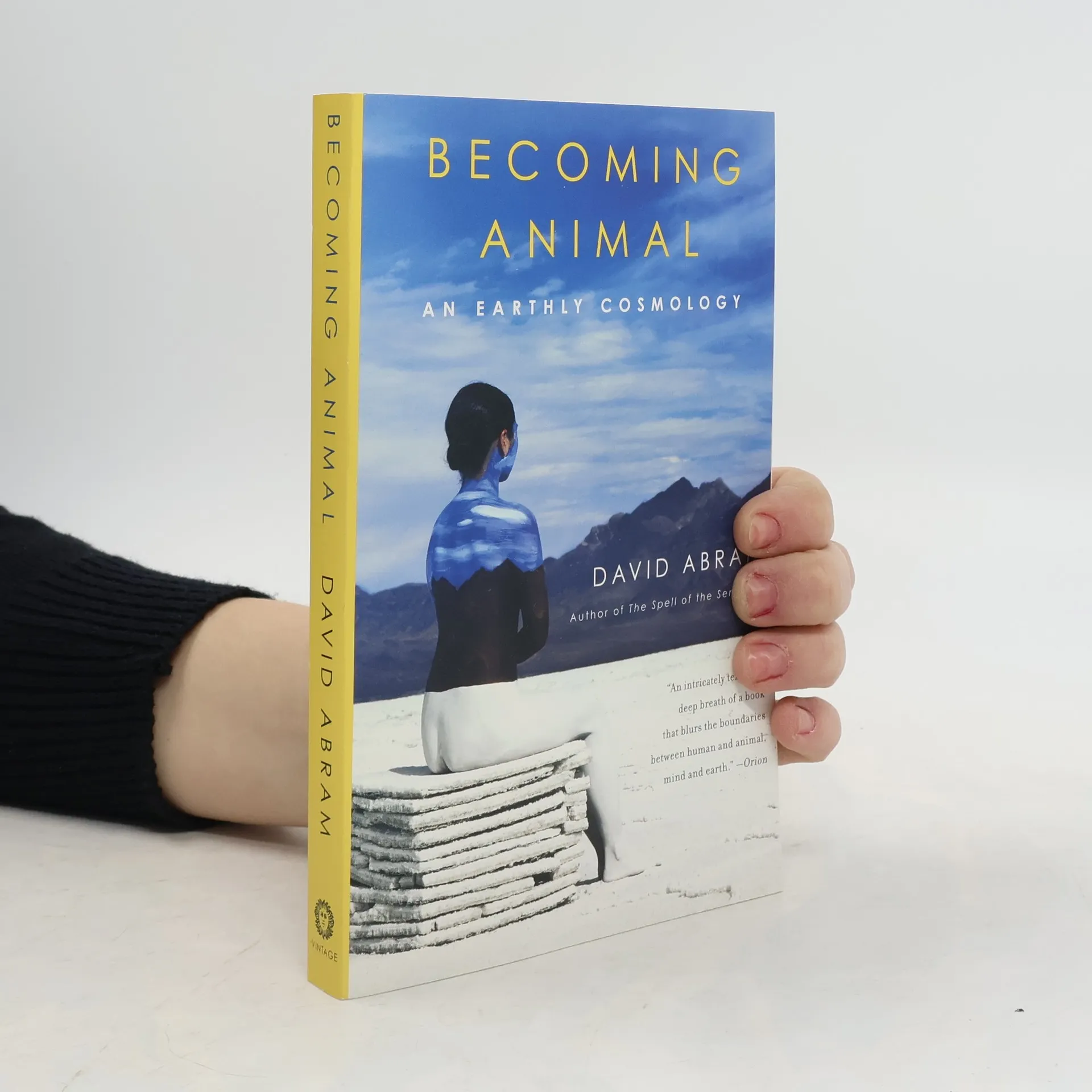
Between humanity and nature, there is no barrier, boundary, or difference. We are the same. We have just forgotten it. It is a common habit of Western culture to speak and write about the body, nature, or the physical world as something external, separate from human experience and thought. This separation has also made it possible to transform almost everything living and non-living into resources, bringing the planet to the brink of collapse. Therefore, to confront environmental problems, we cannot only address the consequences of human actions; we must also focus on the mental and cultural patterns that precede them. Philosopher David Abram presents such a transformation of thought in his remarkable book, Becoming Animal. However, this is not an intellectual transformation, but a physical one. Abram situates the human mind back to where it fled centuries ago, back to the earth, among stones and bird calls, into the immediate experience of the tangible world. He returns people among wildlife and animals back into humanity.

Achat du livre
Becoming Animal, David Abram
- Langue

- Année de publication
- 2010
- Reliure
- (souple)
Modes de paiement
Il manque plus que ton avis ici.
- Titre
- Becoming Animal
- Langue
- Anglais
- Auteurs
- David Abram
- Éditeur
- Pantheon
- Publié
- 2010
- Format
- souple
- Pages
- 338
- ISBN10
- 0375713697
- ISBN13
- 9780375713699
- Séries
- Mots clés
- La nature, Thématique philosophique, Spiritualité et spiritualisme, Science, Thématique écologique
- Évaluation
- 4,15 sur 5
- Description
- Between humanity and nature, there is no barrier, boundary, or difference. We are the same. We have just forgotten it. It is a common habit of Western culture to speak and write about the body, nature, or the physical world as something external, separate from human experience and thought. This separation has also made it possible to transform almost everything living and non-living into resources, bringing the planet to the brink of collapse. Therefore, to confront environmental problems, we cannot only address the consequences of human actions; we must also focus on the mental and cultural patterns that precede them. Philosopher David Abram presents such a transformation of thought in his remarkable book, Becoming Animal. However, this is not an intellectual transformation, but a physical one. Abram situates the human mind back to where it fled centuries ago, back to the earth, among stones and bird calls, into the immediate experience of the tangible world. He returns people among wildlife and animals back into humanity.