

En savoir plus sur le livre
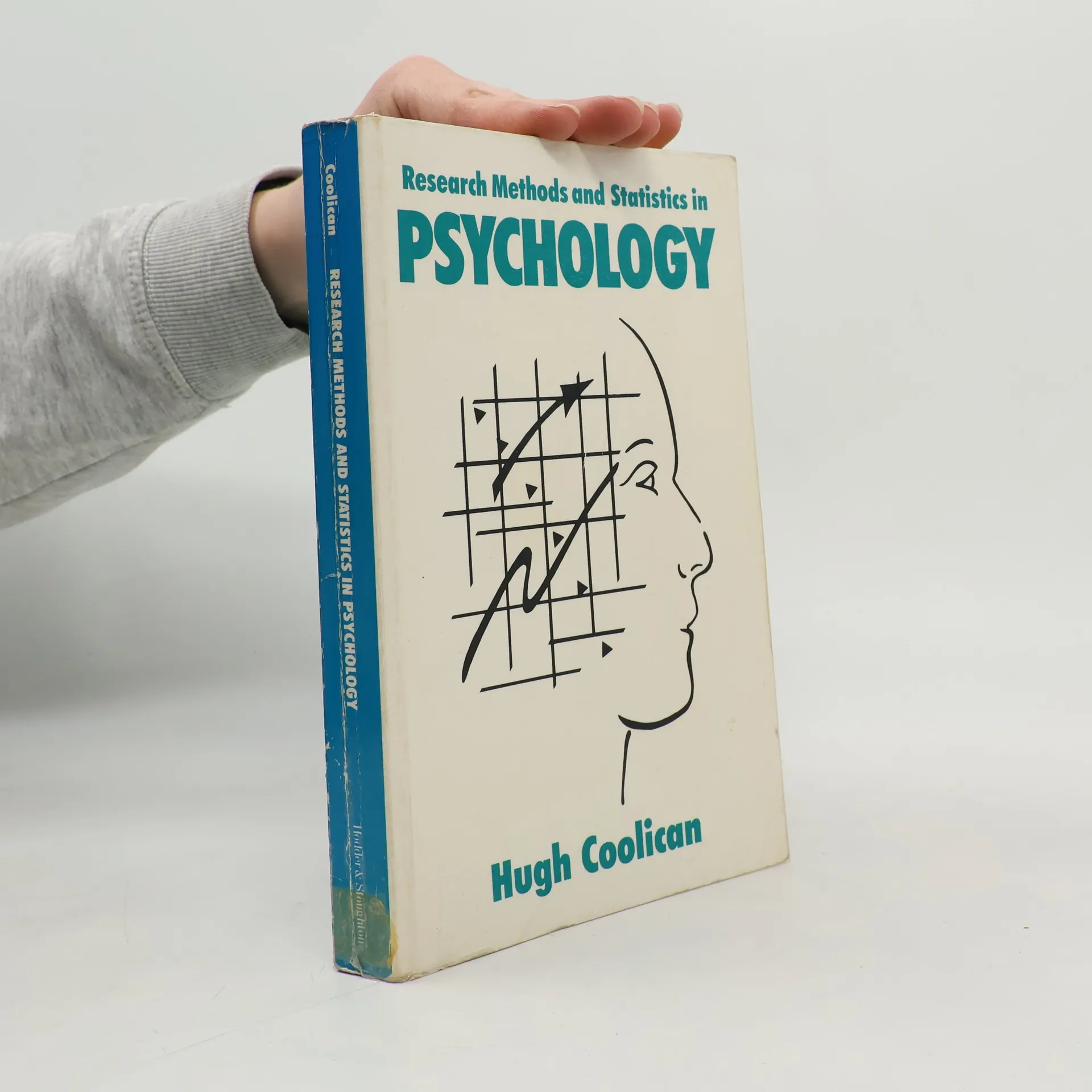
Research Methods and Statistics in Psychology provides a comprehensive survey of current research methods in psychology combined with a clearly and carefully explained guide to statistical ideas and techniques. Both non-experimental and traditional experimental methods are treated in depth. In addition, quantitative and qualitative approaches are fully covered. Each chapter deals with a different topic and ends with an exercise section to test material covered in that chapter. There are also ten structured questions at the end of the book, modelled on the A-level practical questions, involving all topics covered in the book. The book's clear, friendly approach will make this notoriously problematic area much more accessible to students of psychology at A-level or in higher or further education.



Achat du livre
Research Methods and Statistics in Psychology, Hugh Coolican
- Langue

- Année de publication
- 1990
- Reliure
- (souple)
Modes de paiement
Il manque plus que ton avis ici.
- Titre
- Research Methods and Statistics in Psychology
- Langue
- Anglais
- Auteurs
- Hugh Coolican
- Éditeur
- Edward Arnold
- Publié
- 1990
- Format
- souple
- Pages
- 314
- ISBN10
- 0340524049
- ISBN13
- 9780340524046
- Séries
- Mots clés
- Science, Éducation, système scolaire, Recherche
- Évaluation
- 3,5 sur 5
- Description
- Research Methods and Statistics in Psychology provides a comprehensive survey of current research methods in psychology combined with a clearly and carefully explained guide to statistical ideas and techniques. Both non-experimental and traditional experimental methods are treated in depth. In addition, quantitative and qualitative approaches are fully covered. Each chapter deals with a different topic and ends with an exercise section to test material covered in that chapter. There are also ten structured questions at the end of the book, modelled on the A-level practical questions, involving all topics covered in the book. The book's clear, friendly approach will make this notoriously problematic area much more accessible to students of psychology at A-level or in higher or further education.