

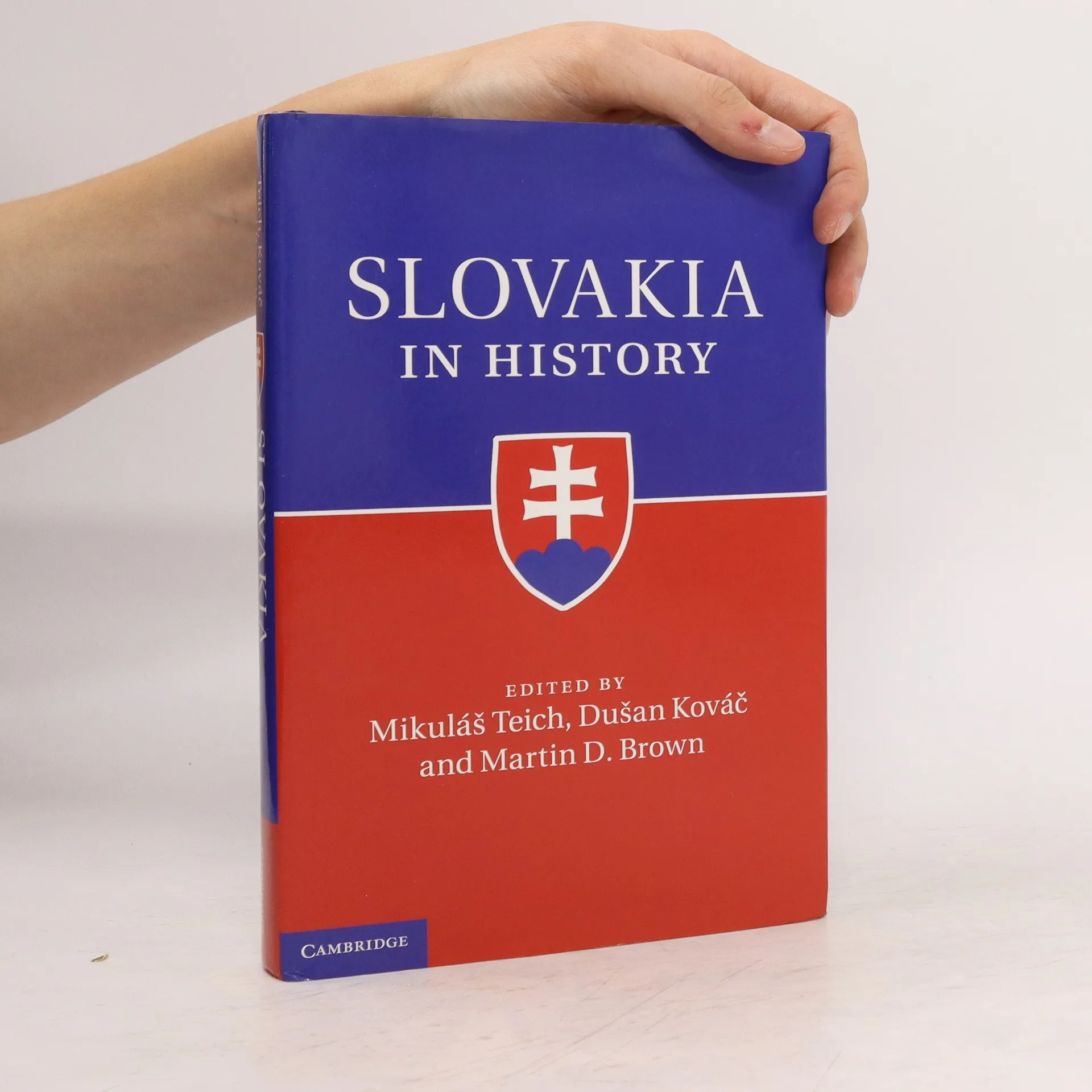


En savoir plus sur le livre
Until the dissolution of Czechoslovakia, Slovakia's identity seemed inextricably linked with that of the former state. This book explores the key moments and themes in the history of Slovakia from the Duchy of Nitra's ninth-century origins to the establishment of independent Slovakia at midnight 1992-1993. Leading scholars chart the gradual ethnic awakening of the Slovaks during the Reformation and Counter-Reformation and examine how Slovak national identity took shape with the codification of standard literary Slovak in 1843 and the subsequent development of the Slovak national movement. They show how, after a thousand years of Magyar-Slovak coexistence, Slovakia became part of the new Czechoslovak Republic from 1918-1939 and shed new light on its role as a Nazi client state as well as on the postwar developments leading up to full statehood in the aftermath of the collapse of Communism in 1989. There is no comparable book in English on the subject.
Édition

Achat du livre
Slovakia in History, Martin David Brown, Mikuláš Teich, Dušan Kováč
- Langue

- Année de publication
- 2011
- Reliure
- (rigide)
Modes de paiement
Il manque plus que ton avis ici.
- Titre
- Slovakia in History
- Langue
- Anglais
- Auteurs
- Martin David Brown, Mikuláš Teich, Dušan Kováč
- Éditeur
- Cambridge University Press
- Publié
- 2011
- Format
- rigide
- Pages
- 434
- ISBN10
- 0521802539
- ISBN13
- 9780521802536
- Séries
- Mots clés
- Thème historique
- Évaluation
- 4,1 sur 5
- Description
- Until the dissolution of Czechoslovakia, Slovakia's identity seemed inextricably linked with that of the former state. This book explores the key moments and themes in the history of Slovakia from the Duchy of Nitra's ninth-century origins to the establishment of independent Slovakia at midnight 1992-1993. Leading scholars chart the gradual ethnic awakening of the Slovaks during the Reformation and Counter-Reformation and examine how Slovak national identity took shape with the codification of standard literary Slovak in 1843 and the subsequent development of the Slovak national movement. They show how, after a thousand years of Magyar-Slovak coexistence, Slovakia became part of the new Czechoslovak Republic from 1918-1939 and shed new light on its role as a Nazi client state as well as on the postwar developments leading up to full statehood in the aftermath of the collapse of Communism in 1989. There is no comparable book in English on the subject.