



En savoir plus sur le livre
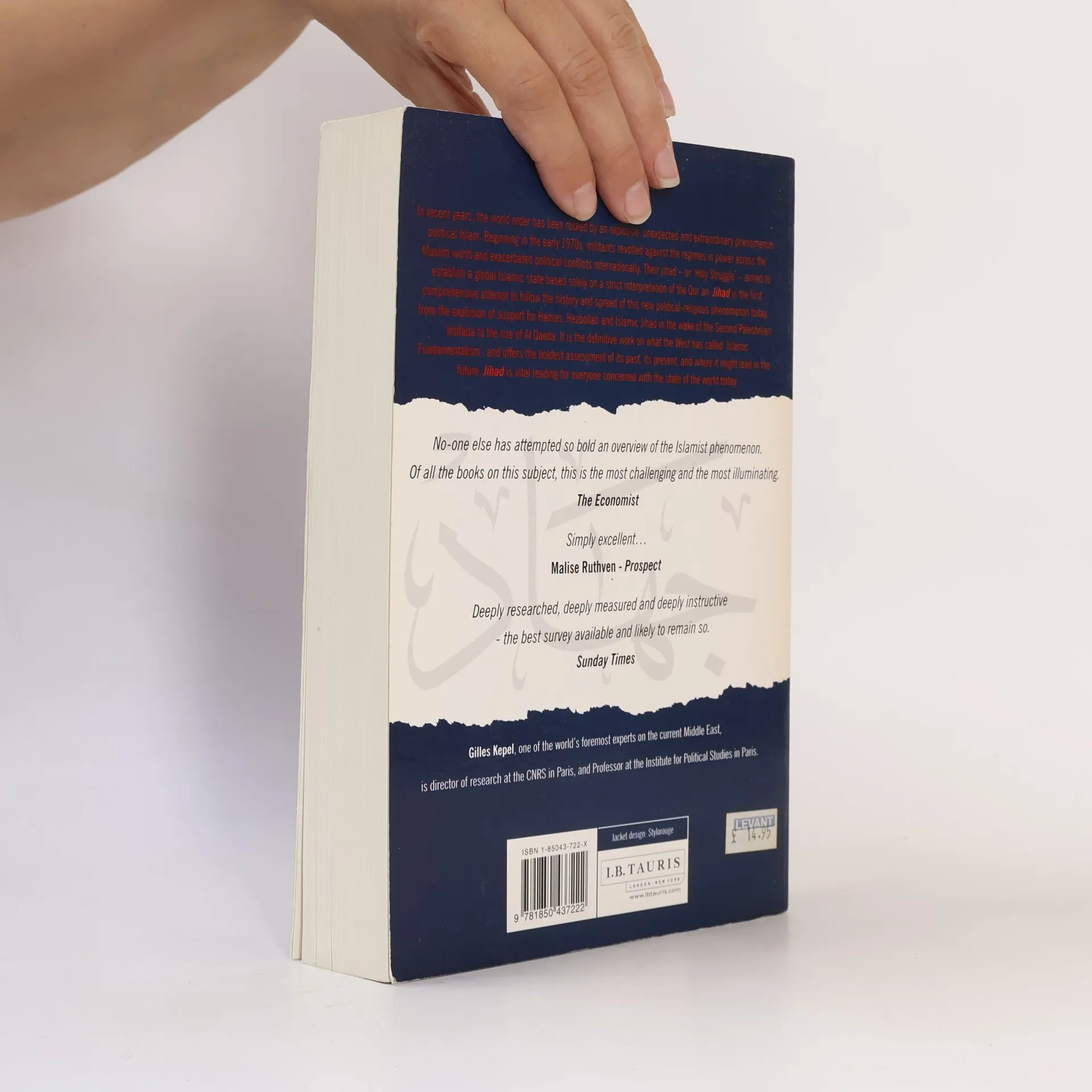
The late twentieth century saw the rise of Islamist political movements, beginning in the early 1970s when militants revolted against existing regimes across the Muslim world, intensifying political conflicts. Their jihad, or "Holy Struggle," aimed to create a global Islamic state based on a strict interpretation of the Koran. This religious ideology united diverse followers, from students and the urban poor to middle-class professionals. Following an initial success with the Islamic revolution in Iran, the movement engaged in jihad against the USSR in Afghanistan, marking the introduction of extreme violence as a doctrine. By the late 1990s, the inability to achieve political power elsewhere led to a division: moderates proposed concepts of "Muslim democracy," while extremists resorted to widespread terrorist attacks globally. This work represents the first comprehensive attempt to trace the history and geography of this complex political-religious phenomenon. Fluent in Arabic, the author traveled extensively throughout the Muslim world, collecting documents, interviews, and archival materials that are often inaccessible to scholars. This research provides a thorough understanding of Islamist movements, their history, and their current implications, helping us navigate the ongoing threat of terrorism to our lives and freedoms.





Achat du livre
Jihad, Gilles Kepel
- Langue

- Année de publication
- 2004
- Reliure
- (souple)
Modes de paiement
Il manque plus que ton avis ici.
- Titre
- Jihad
- Sous-titre
- The Trail of Political Islam - Revised Edition
- Langue
- Anglais
- Auteurs
- Gilles Kepel
- Éditeur
- I.B. Tauris
- Publié
- 2004
- Format
- souple
- Pages
- 472
- ISBN10
- 185043722X
- ISBN13
- 9781850437222
- Séries
- Catégories
- Mots clés
- Thème historique, Thèmes religieux, Politique, Terrorisme
- Évaluation
- 3,85 sur 5
- Description
- The late twentieth century saw the rise of Islamist political movements, beginning in the early 1970s when militants revolted against existing regimes across the Muslim world, intensifying political conflicts. Their jihad, or "Holy Struggle," aimed to create a global Islamic state based on a strict interpretation of the Koran. This religious ideology united diverse followers, from students and the urban poor to middle-class professionals. Following an initial success with the Islamic revolution in Iran, the movement engaged in jihad against the USSR in Afghanistan, marking the introduction of extreme violence as a doctrine. By the late 1990s, the inability to achieve political power elsewhere led to a division: moderates proposed concepts of "Muslim democracy," while extremists resorted to widespread terrorist attacks globally. This work represents the first comprehensive attempt to trace the history and geography of this complex political-religious phenomenon. Fluent in Arabic, the author traveled extensively throughout the Muslim world, collecting documents, interviews, and archival materials that are often inaccessible to scholars. This research provides a thorough understanding of Islamist movements, their history, and their current implications, helping us navigate the ongoing threat of terrorism to our lives and freedoms.