

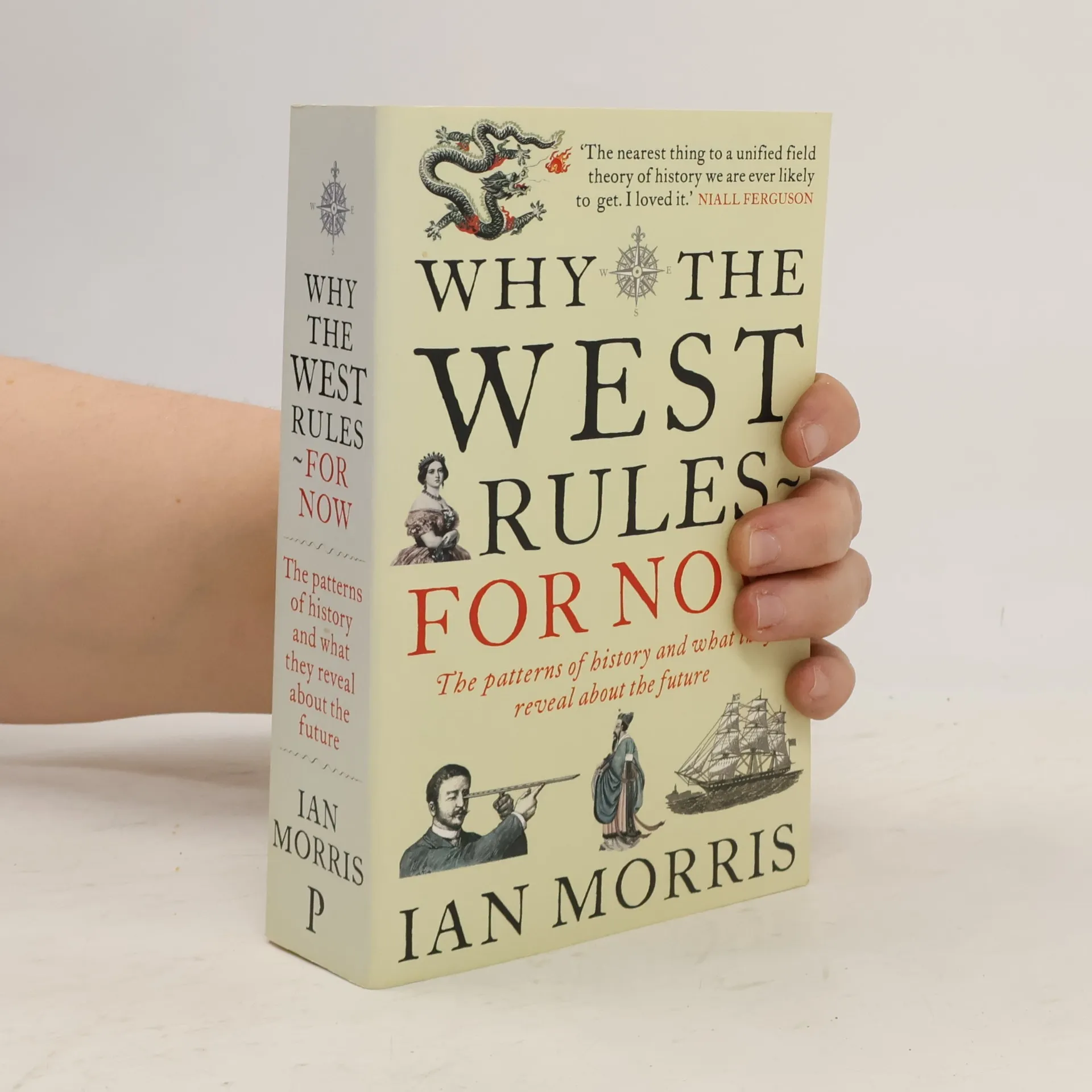
En savoir plus sur le livre
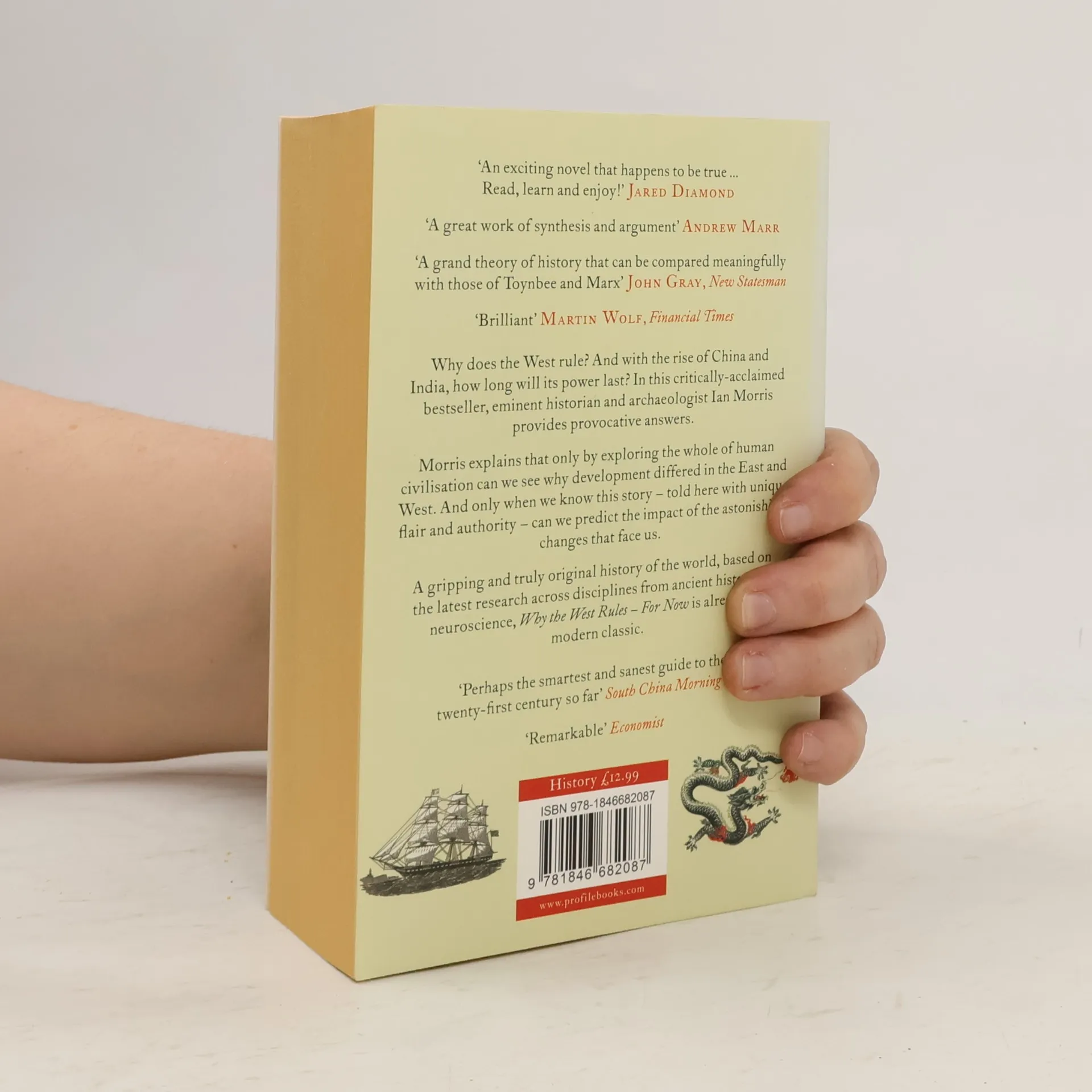
In the middle of the eighteenth century, British entrepreneurs unleashed the astounding energies of steam and coal and the world changed forever. Factories, railways and gunboats then propelled the West's rise to power, and computers and nuclear weapons in the twentieth century secured its global supremacy. Today, however, many worry that the emergence of China and India spell the end of the West as a superpower.How long will the power of the West last? In order to find out we need to know: why has the West been so dominant for the past two hundred years?With flair and authority, historian and achaeologist Ian Morris draws uniquely on 15,000 years of history to offer fresh insights on what the future will bring. Deeply researched and brilliantly argued, Why The West Rules - For Now is a gripping and truly original history of the world.



Achat du livre
Why the West Rules - For Now, Ian Morris
- Langue

- Année de publication
- 2010
- Reliure
- (souple),
- État du livre
- Abîmé
- Prix
- 3,47 €
Modes de paiement
Il manque plus que ton avis ici.
- Titre
- Why the West Rules - For Now
- Langue
- Anglais
- Auteurs
- Ian Morris
- Éditeur
- Profile Books
- Publié
- 2010
- Format
- souple
- Pages
- 750
- ISBN10
- 1846682088
- ISBN13
- 9781846682087
- Séries
- Catégories
- Mots clés
- Thème historique, Commerce, Thèmes religieux, Manuels et guides, Politique, Europe, Afrique, Asie, Chine, Archéologie, Amérique, Histoires culturelles
- Évaluation
- 4,15 sur 5
- Description
- In the middle of the eighteenth century, British entrepreneurs unleashed the astounding energies of steam and coal and the world changed forever. Factories, railways and gunboats then propelled the West's rise to power, and computers and nuclear weapons in the twentieth century secured its global supremacy. Today, however, many worry that the emergence of China and India spell the end of the West as a superpower.How long will the power of the West last? In order to find out we need to know: why has the West been so dominant for the past two hundred years?With flair and authority, historian and achaeologist Ian Morris draws uniquely on 15,000 years of history to offer fresh insights on what the future will bring. Deeply researched and brilliantly argued, Why The West Rules - For Now is a gripping and truly original history of the world.