


En savoir plus sur le livre
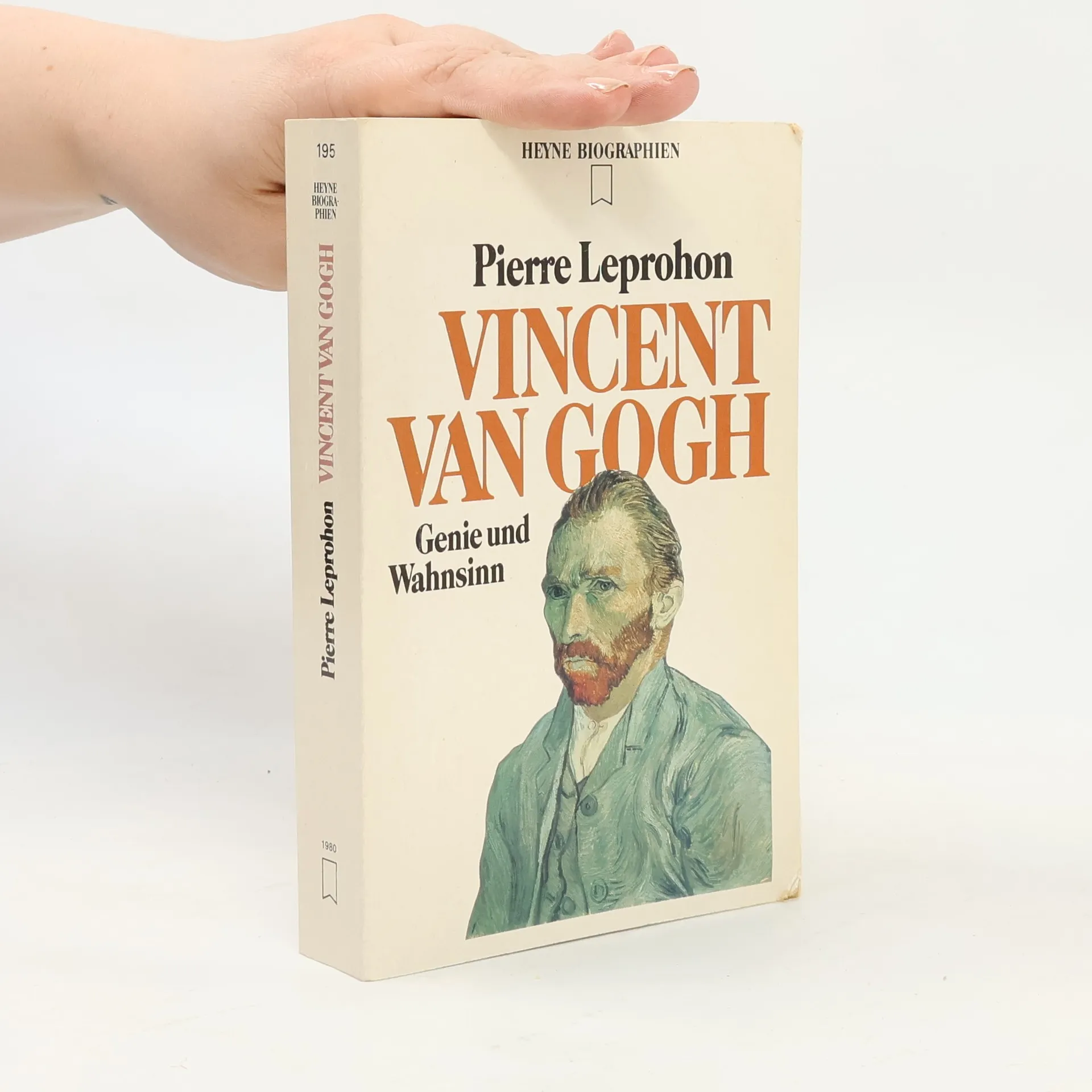
Behind every artwork there is an artist, meaning, a man. And nothing can be more useful for knowing the artwork than knowing the circumstances, the requirements and the passions which determined it. When speaking of Van Gogh, it can be said that this artwork is in the first place his life. Because not even one creator has given himself totally to his work and has not put his life in the game to achieve his work. The life of Van Gogh is the creating process of a painting work whose ambitions and reasons pass beyond art. In this book there will not be found insidious theories that tend to insert this singular genius in the fragile scaffold of the painting schools in which it is tried to build the Art History, nor any psychoanalyst's scholarly deductions references, that are often arbitrary. Instead, starting from facts and artwork, we will try to approach Vincent Van Gogh, this 'painting madman' whose acts can be explained, first, if not even only, by logic and lucidity.

Achat du livre
Vincent van Gogh, Pierre Leprohon
- Langue

- Année de publication
- 1990
- Reliure
- (souple)
Modes de paiement
Il manque plus que ton avis ici.
- Titre
- Vincent van Gogh
- Langue
- Allemand
- Auteurs
- Pierre Leprohon
- Éditeur
- Heyne
- Publié
- 1990
- Format
- souple
- Pages
- 475
- ISBN10
- 345304259X
- ISBN13
- 9783453042599
- Séries
- Mots clés
- Art
- Titre original
- Vincent van Gogh
- Évaluation
- 5 sur 5
- Description
- Behind every artwork there is an artist, meaning, a man. And nothing can be more useful for knowing the artwork than knowing the circumstances, the requirements and the passions which determined it. When speaking of Van Gogh, it can be said that this artwork is in the first place his life. Because not even one creator has given himself totally to his work and has not put his life in the game to achieve his work. The life of Van Gogh is the creating process of a painting work whose ambitions and reasons pass beyond art. In this book there will not be found insidious theories that tend to insert this singular genius in the fragile scaffold of the painting schools in which it is tried to build the Art History, nor any psychoanalyst's scholarly deductions references, that are often arbitrary. Instead, starting from facts and artwork, we will try to approach Vincent Van Gogh, this 'painting madman' whose acts can be explained, first, if not even only, by logic and lucidity.