

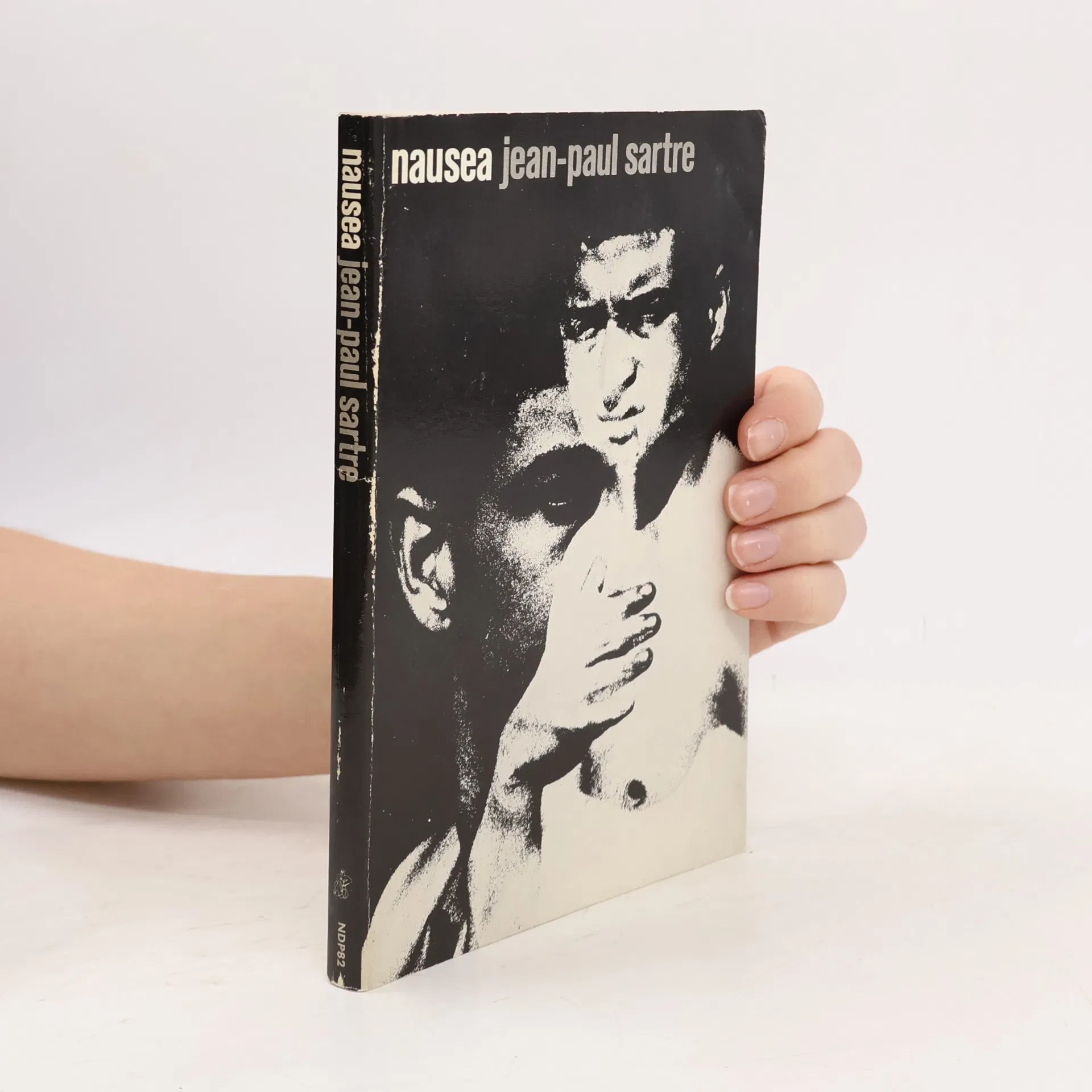

Nausea
Auteurs
Paramètres
- 178pages
- 7 heures de lecture
En savoir plus sur le livre
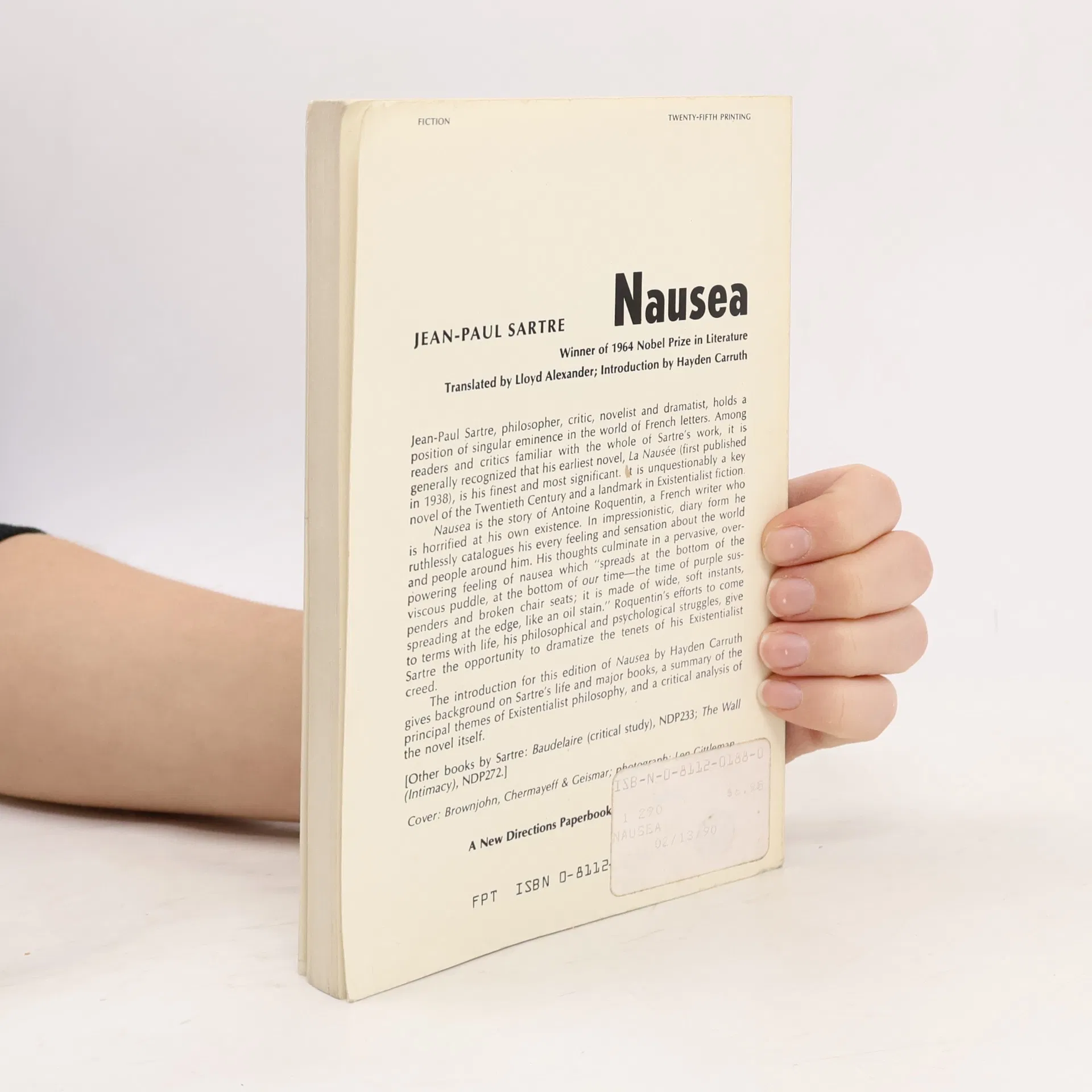
<i>Nausea</i> is the story of Antoine Roquentin, a French writer who is horrified at his own existence. In impressionistic, diary form he ruthlessly catalogues his every feeling and sensation about the world and people around him. His thoughts culminate in a pervasive, overpowering feeling of nausea which "spread at the bottom of the viscous puddle, at the bottom of <i>our</i> time, the time of purple suspenders and broken chair seats; it is made of wide, soft instants, spreading at the edge, like an oil stain." Roquentin's efforts to try and come to terms with his life, his philosophical and psychological struggles, give Sartre the opportunity to dramatize the tenets of his Existentialist creed. The introduction for this edition of <i>Nausea</i> by Hayden Carruth gives background on Sartre's life and major works, a summary of the principal themes of Existentialist philosophy, and a critical analysis of the novel itself.
Achat du livre
Nausea, Jean-Paul Sartre
- Langue

- Année de publication
- 1969,
- État du livre
- Bon
- Prix
- 8,59 €
Modes de paiement
Personne n'a encore évalué .
- Titre
- Nausea
- Langue
- Anglais
- Auteurs
- Jean-Paul Sartre
- Publié
- 1969
- Pages
- 178
- ISBN10
- 0811201880
- ISBN13
- 9780811201889
- Séries
- Catégories
- Mots clés
- Thématique philosophique, France, 20e siècle, Littérature française, Critique littéraire, Romans courts, Prix Nobel, Modernisme, Existentialisme, Philosophes, Années 1930
- Description
- <i>Nausea</i> is the story of Antoine Roquentin, a French writer who is horrified at his own existence. In impressionistic, diary form he ruthlessly catalogues his every feeling and sensation about the world and people around him. His thoughts culminate in a pervasive, overpowering feeling of nausea which "spread at the bottom of the viscous puddle, at the bottom of <i>our</i> time, the time of purple suspenders and broken chair seats; it is made of wide, soft instants, spreading at the edge, like an oil stain." Roquentin's efforts to try and come to terms with his life, his philosophical and psychological struggles, give Sartre the opportunity to dramatize the tenets of his Existentialist creed. The introduction for this edition of <i>Nausea</i> by Hayden Carruth gives background on Sartre's life and major works, a summary of the principal themes of Existentialist philosophy, and a critical analysis of the novel itself.