

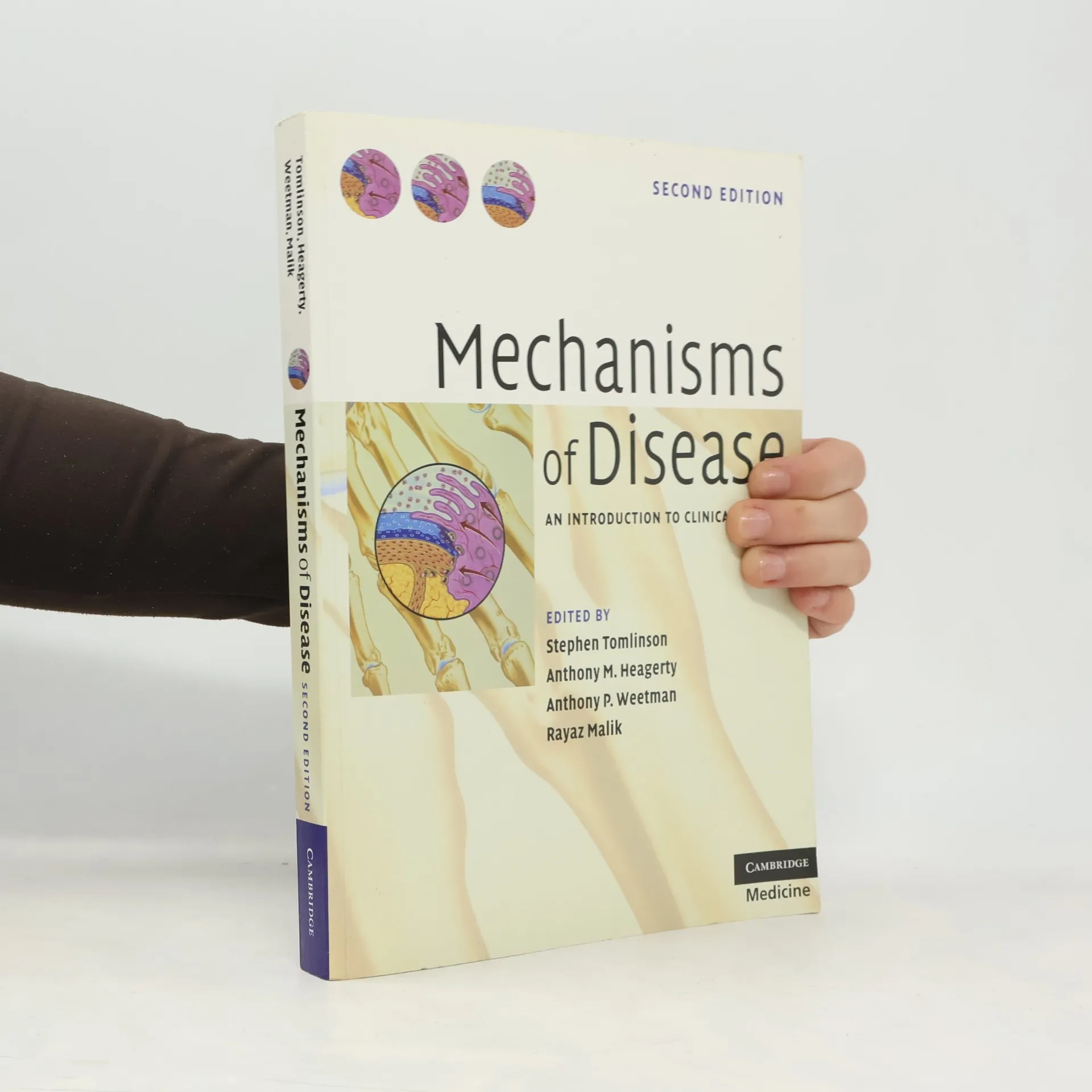

Cambridge Medicine: Mechanisms of Disease
An Introduction to Clinical Science - Second Edition
En savoir plus sur le livre
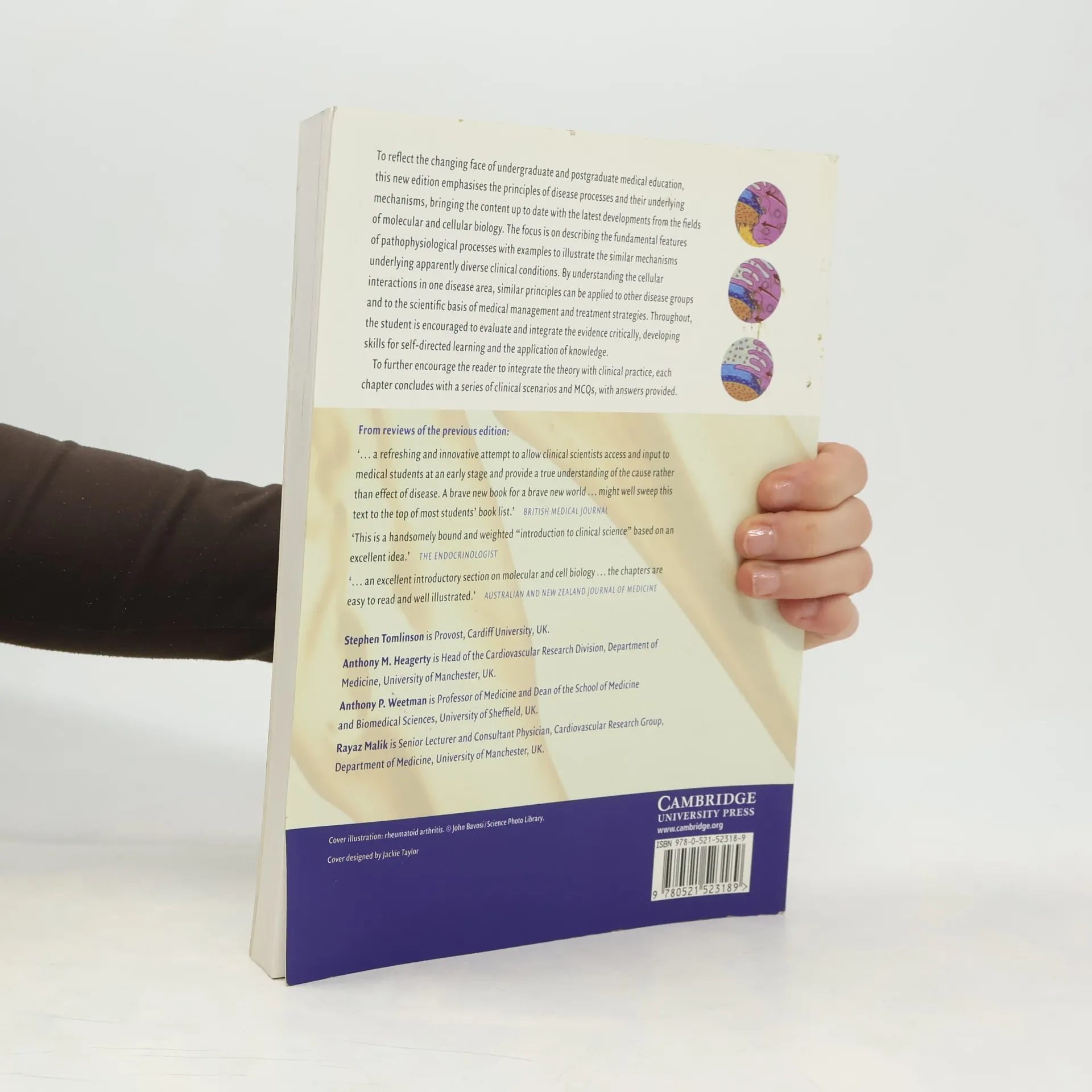
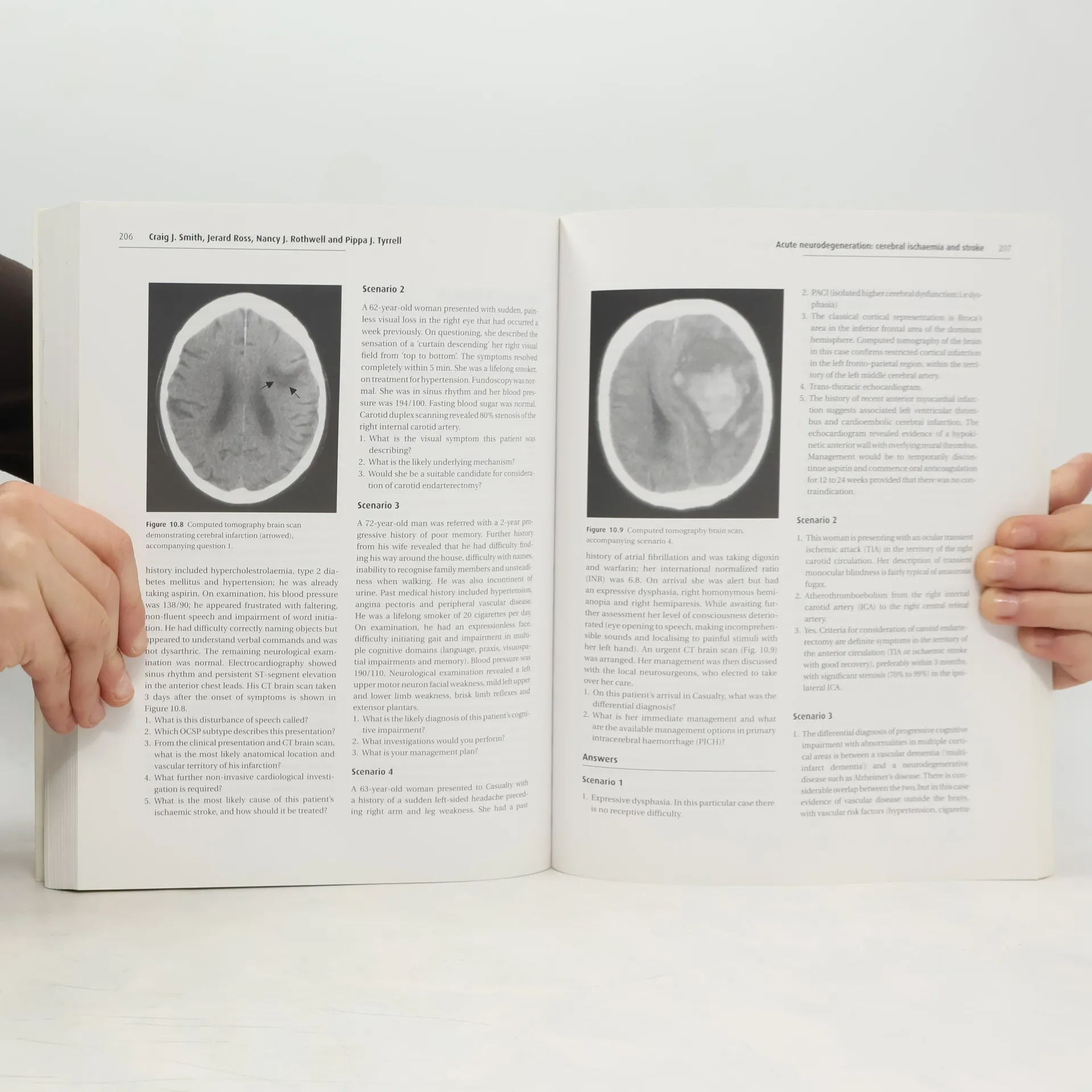
To reflect the changing face of undergraduate and postgraduate medical education, this new edition emphasises the principles of disease processes and their underlying mechanisms, bringing the content up to date with the latest developments from the fields of molecular and cellular biology. The focus is on describing the fundamental features of pathophysiological processes with examples to illustrate the similar mechanisms underlying apparently diverse clinical conditions. By understanding the cellular interactions in one disease area, similar principles can be applied to other disease groups and to the scientific basis of medical management and treatment strategies. Throughout, the student is encouraged to evaluate and integrate the evidence critically, developing skills for self-directed learning and the application of knowledge. To further encourage the reader to integrate the theory with clinical practice, each chapter concludes with a series of clinical scenarios and MCQs, with answers provided.
Achat du livre
Cambridge Medicine: Mechanisms of Disease, Stephen Tomlinson, Anthony P. Weetman, Rayaz A. Malik, Anthony M. Heagerty
- Langue

- Année de publication
- 2008
- Reliure
- (souple),
- État du livre
- Abîmé
- Prix
- 7,29 €
Modes de paiement
Personne n'a encore évalué .
- Titre
- Cambridge Medicine: Mechanisms of Disease
- Sous-titre
- An Introduction to Clinical Science - Second Edition
- Langue
- Anglais
- Éditeur
- Cambridge University Press
- Publié
- 2008
- Format
- souple
- Pages
- 340
- ISBN10
- 0521523184
- ISBN13
- 9780521523189
- Séries
- Mots clés
- Médecine, Maladies, Pathologie
- Description
- To reflect the changing face of undergraduate and postgraduate medical education, this new edition emphasises the principles of disease processes and their underlying mechanisms, bringing the content up to date with the latest developments from the fields of molecular and cellular biology. The focus is on describing the fundamental features of pathophysiological processes with examples to illustrate the similar mechanisms underlying apparently diverse clinical conditions. By understanding the cellular interactions in one disease area, similar principles can be applied to other disease groups and to the scientific basis of medical management and treatment strategies. Throughout, the student is encouraged to evaluate and integrate the evidence critically, developing skills for self-directed learning and the application of knowledge. To further encourage the reader to integrate the theory with clinical practice, each chapter concludes with a series of clinical scenarios and MCQs, with answers provided.