
Bookbot

Gilbert Lupfer

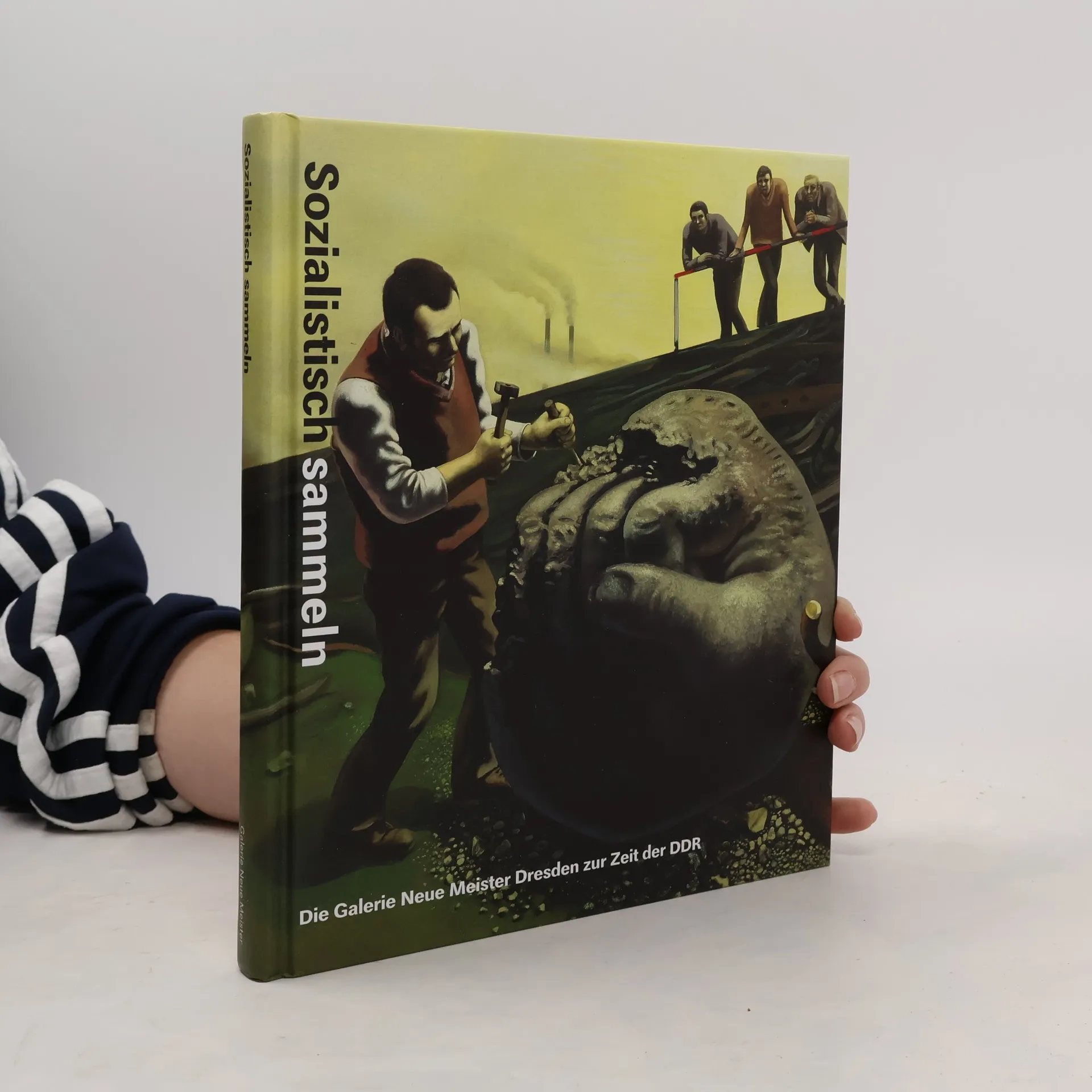
    Sozialistisch sammeln
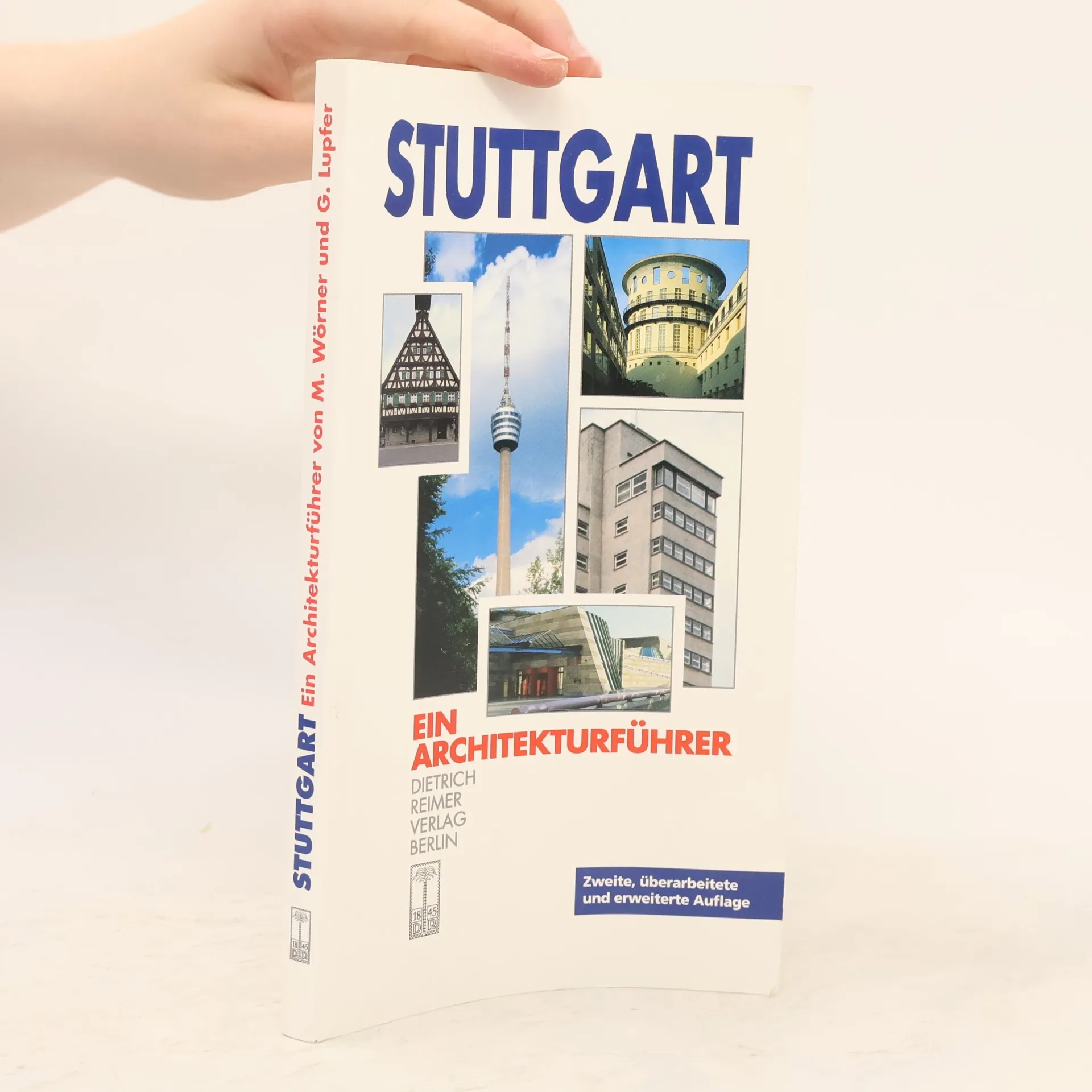
    Stuttgart - Zweite, überarbeitete und erweiterte Auflage
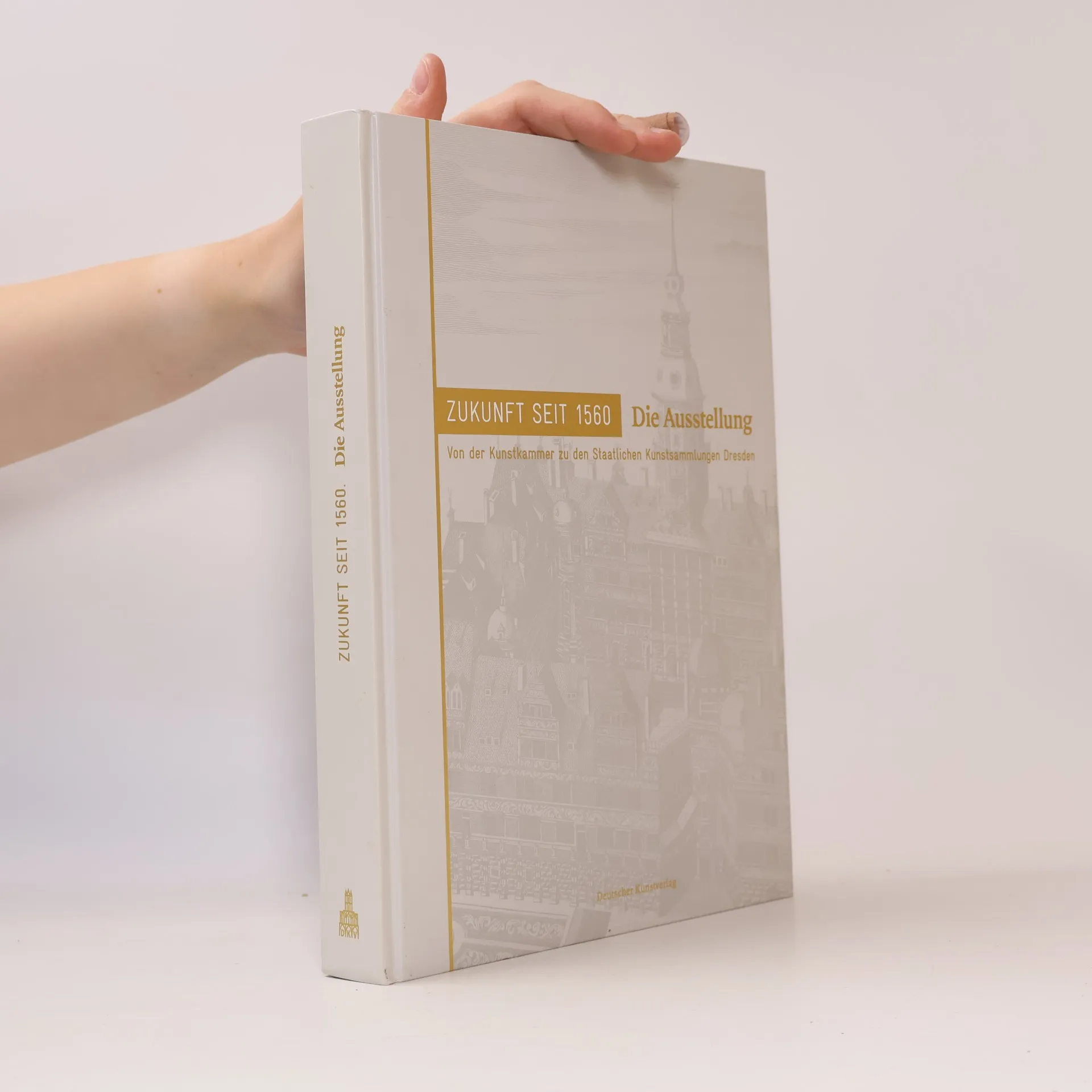
    Zukunft seit 1560: Die Ausstellung
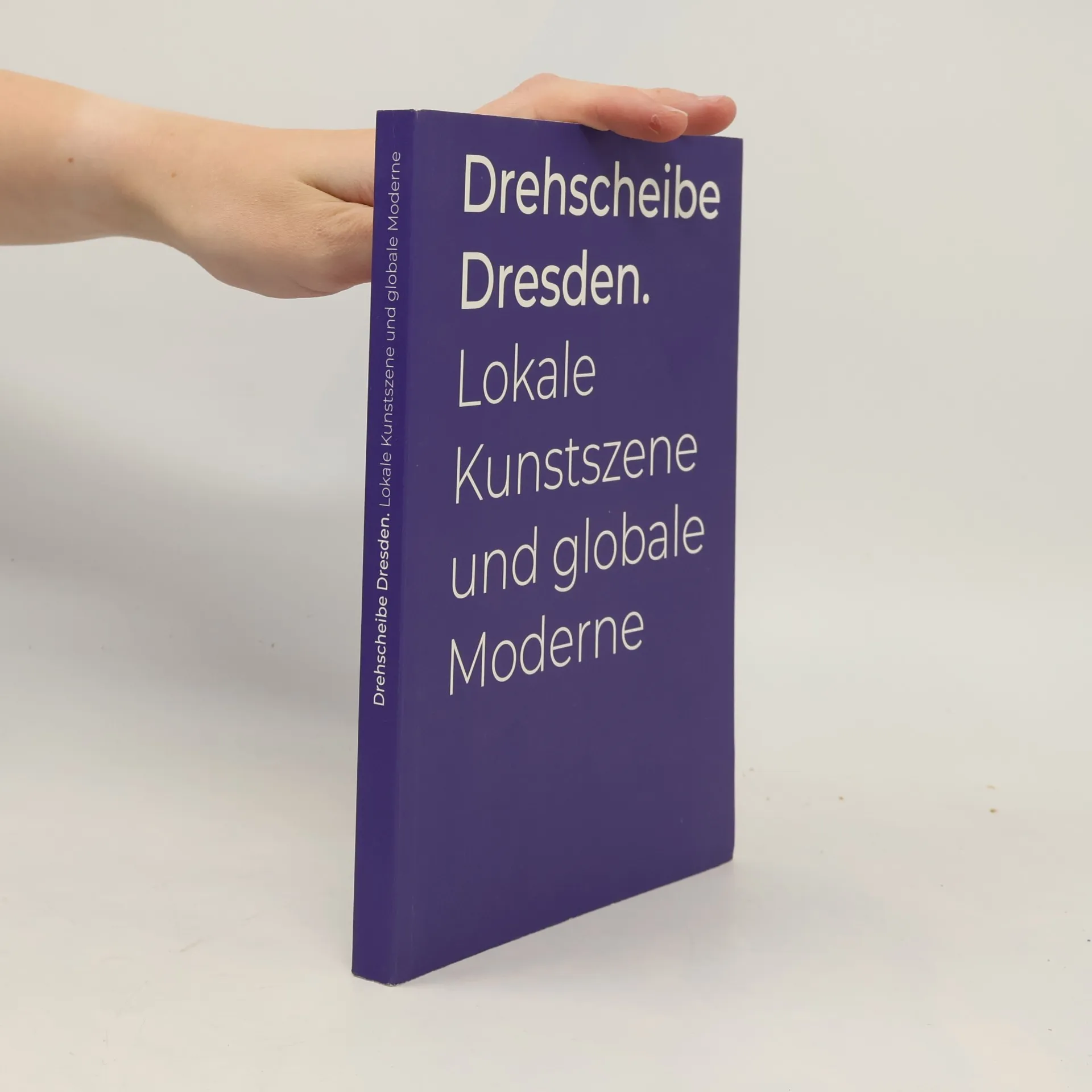
    Drehscheibe Dresden
    Zukunft seit 1560: Die Chronik
    Walter Gropius
    • Walter Gropius

      • 96pages
      • 4 heures de lecture

      Neue Sachlichkeit, Deutscher Werkbund, Gesamtkunstwerk, Bauhaus, Purismus de la forme, acier et verre, Neues Frankfurt, Siemensstadt, TAC, le « Baukasten im Großen », Hansaviertel, Gropiusstadt – ces termes centraux et jalons marquants de la modernité caractérisent le parcours de Walter Gropius (1883–1969), fondateur et directeur du Bauhaus. Gropius a laissé une empreinte indélébile en tant que créateur et architecte, influençant notre environnement de vie. Certains de ces concepts brillent encore aujourd'hui, tandis que d'autres ont perdu leur éclat. Cette introduction examine le développement et l'influence de ce grand visionnaire du XXe siècle à travers vingt de ses projets les plus significatifs, du bâtiment du Bauhaus à Dessau à la cité de Siemensstadt, en passant par le Harvard University Graduate Center et la Gropiusstadt à Berlin. Nous analysons son rôle en tant que maître d'œuvre, écrivain et enseignant, non seulement en tant que pionnier du Bauhaus, mais aussi – aux côtés de Ludwig Mies van der Rohe – en tant que représentant majeur du style international.

      Walter Gropius
      4,0
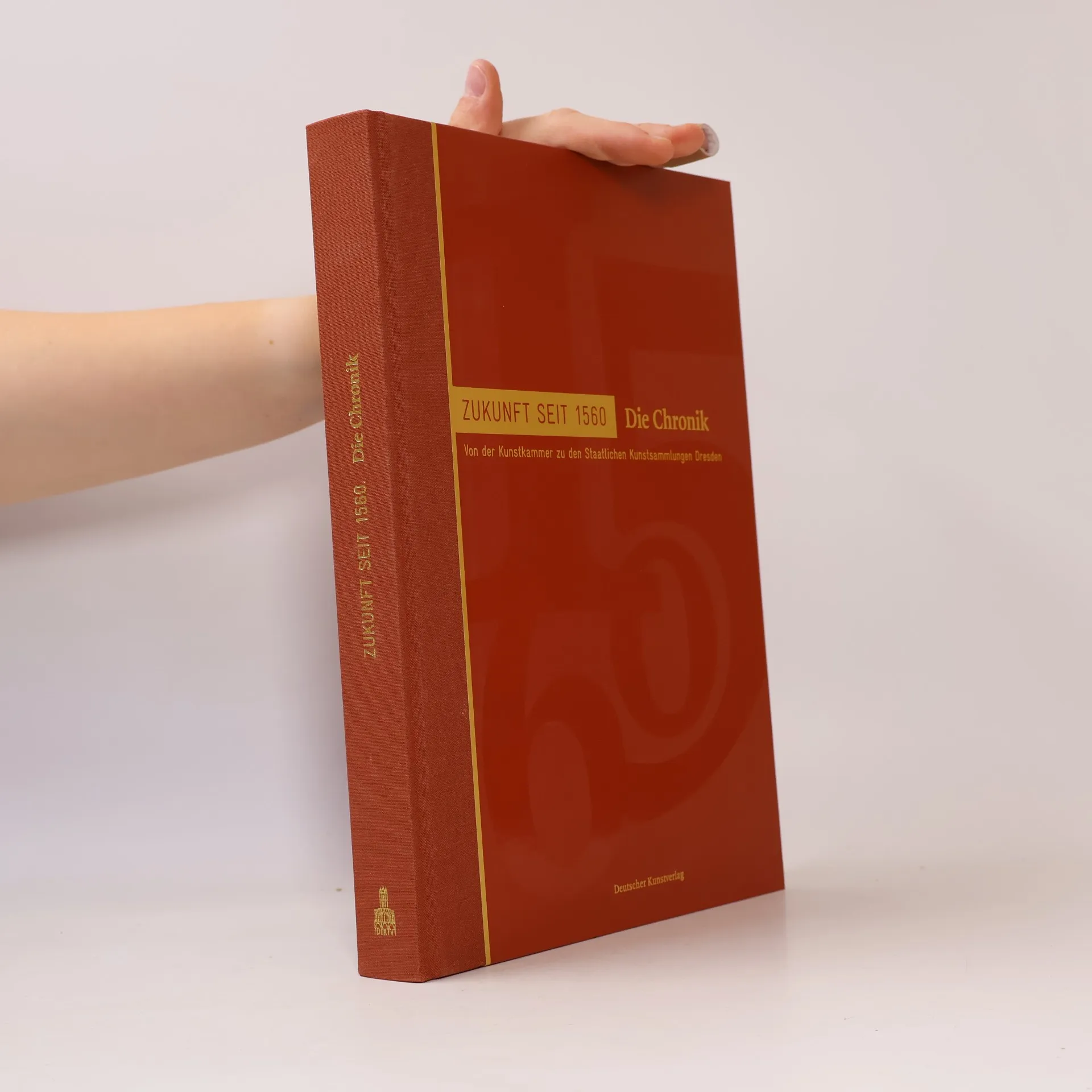
    • Zukunft seit 1560: Die Chronik

      Von der Kunstkammer zu den Staatlichen Kunstsammlungen Dresden

      • 231pages
      • 9 heures de lecture

      Deutscher Kunstverlag, Berlin, (2010). 286 S., Pbd. mit Lesebndchen, quart - neuwertig -

      Zukunft seit 1560: Die Chronik
    • Drehscheibe Dresden

      • 159pages
      • 6 heures de lecture

      Dresden as a Hub. Local Art Scene and and Global Modernity For centuries, Dresden has been a city where different cultures overlap and where products from other cultures were collected and incorporated into the courtly and bourgeois cultures. However, there also existed, and exists, a refusal to relate the local art and culture to global phenomena. In this, the historical perspective assumed by the history of art is capable of playing a special role. To what extent are artistic traditions tied to places and impregnated with regional or national connotations? What factors constitute the centers and peripheries of the avant-garde? What significance do topographical and spatial aspects, questions concerning human migration, objects and techniques have for the contemporary art practice? The contributions to this volume examine different examples of exchange relationships and interactions in the fields of art production, art distribution, and art reception in the 20th century, critically questioning the topos of an only locally effective art.

      Drehscheibe Dresden
    • Sozialistisch sammeln

      Die Galerie Neue Meister Dresden zur Zeit der DDR

      • 191pages
      • 7 heures de lecture

      Das Buch widmet sich der Sammlungsgeschichte der Galerie Neue Meister zur Zeit der Sowjetischen Besatzungszone und der DDR. Der Bestand des Museums umfasst Gemälde von der Romantik bis zur Gegenwart, darunter allein über 600 Werke, die zwischen 1945 bis 1990 entstanden sind. Erstmals wird exemplarisch für ein ostdeutsches Museum rekonstruiert, auf welchen Wegen damals Gemälde in eine öffentliche Sammlung gelangten. Die Autoren legen dar, nach welchen Gesichtspunkten die Galeriedirektoren den Bestand erweiterten, welchen Handlungsspielraum sie dabei hatten und wie die Einflussnahme durch kulturpolitische Institutionen wie zum Beispiel dem Kulturfonds der DDR zu bewerten ist. Eine ausführliche, reich bebilderte Chronologie dokumentiert die Erwerbungen zwischen 1948 bis zum Ende der DDR.

      Sozialistisch sammeln