Terra alta
- 23pages
- 1 heure de lecture



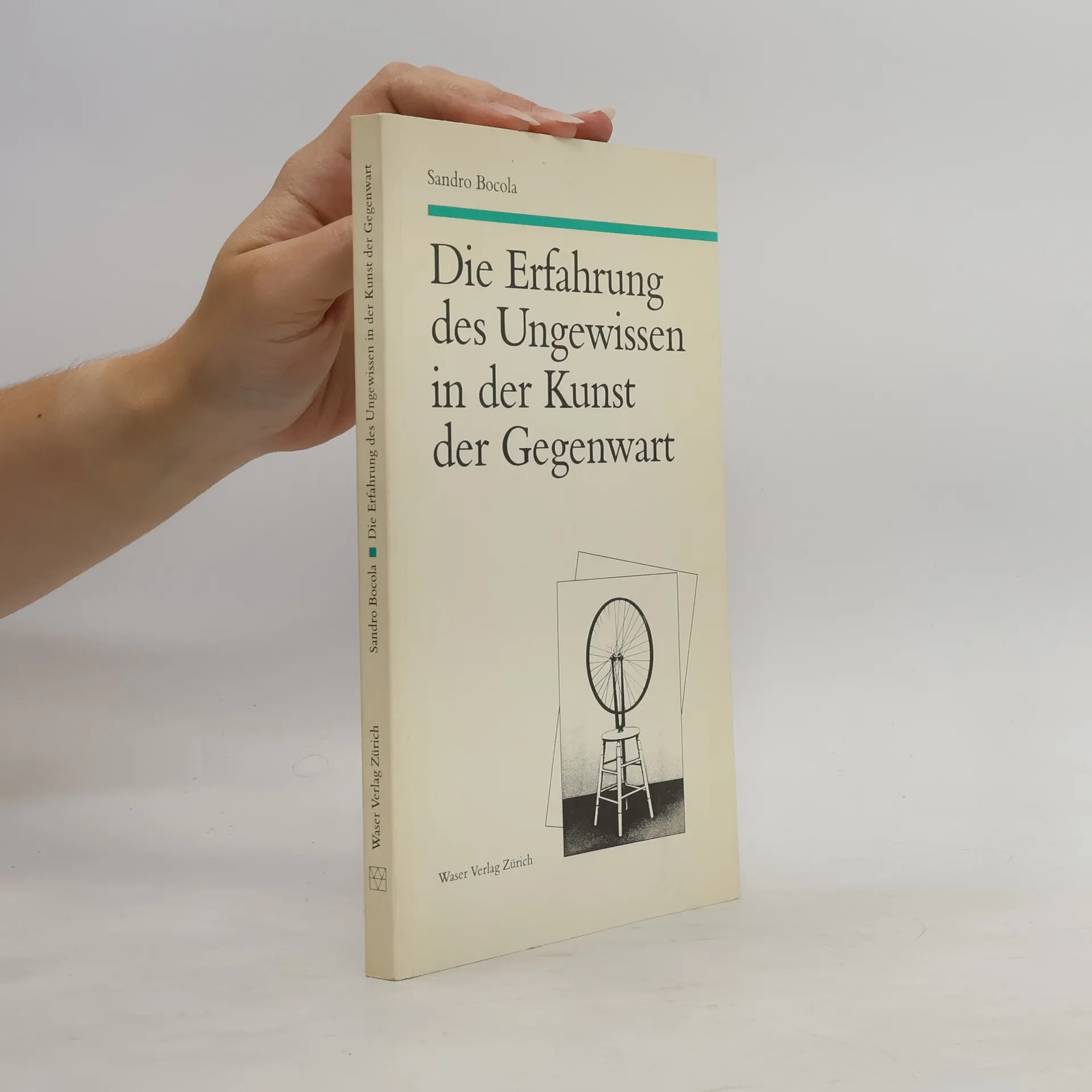
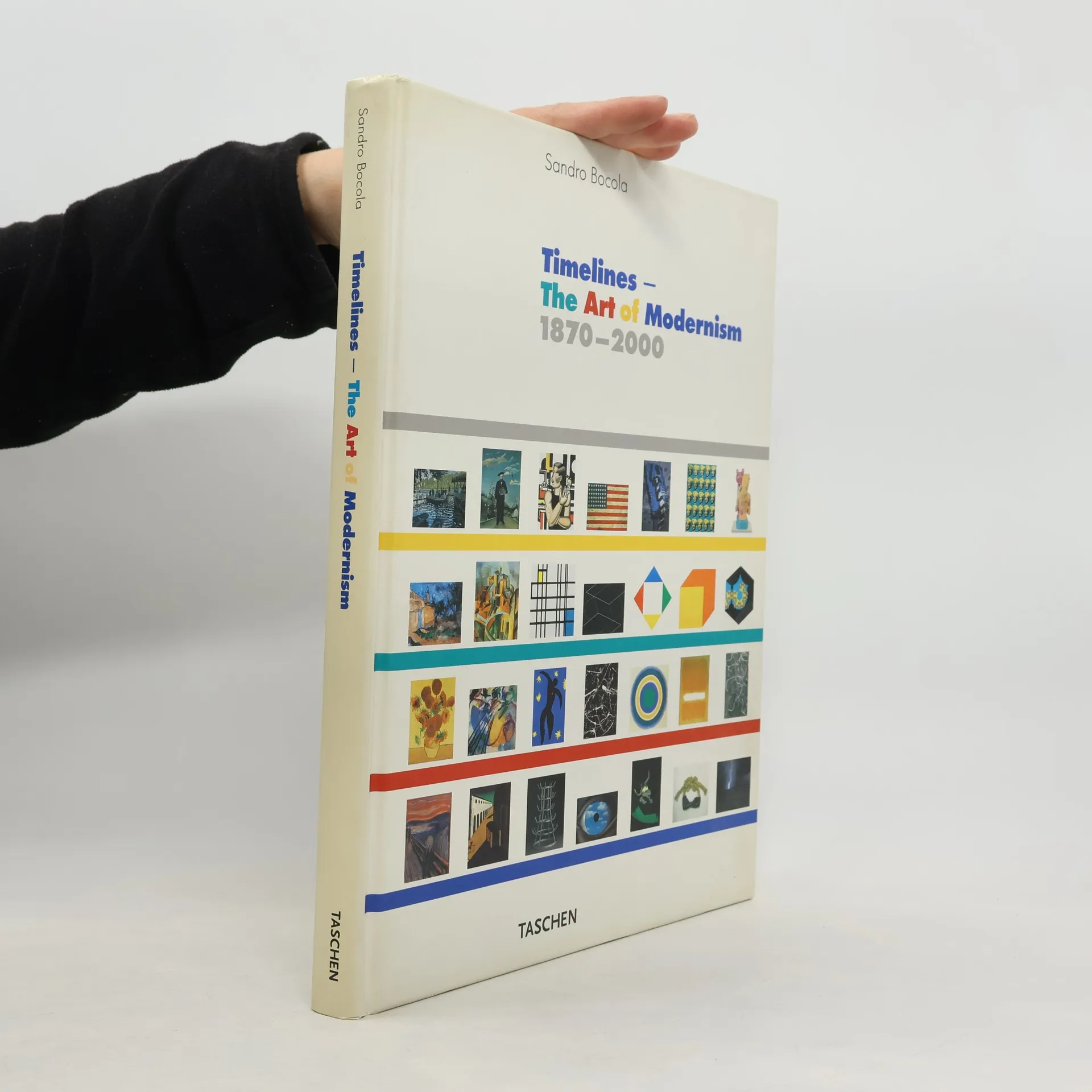
Visual art - Modernism in pictures This groundbreaking visual guide to the evolution of Modernist art is an indispensable reference for any art lover or student. From its Impressionistic beginnings in the late 19th century to the pluralistic art scene of the present, the development of Modernism is presented as a coherent, unified, and meaningful process. Description and analysis have been eliminated in favor of a colorful, well-organized, and highly visual presentation, which shows the simultaneous, chronological evolutions of four categories of Modernist realistic, structural, romantic, and symbolist. From Manet to Pop Art, from Cézanne to Minimal Art, from Van Gogh to Abstract Expressionism, from Ensor to Surrealism and Arte Povera - a wide range of modern art movements and artists are represented and compared, allowing the reader to locate artwork psychologically, stylistically, and historically. A beautiful and original work, a new way to study art.
El autor comprende la evolución artística de la modernidad como un proceso continuo. Evita considerar el arte moderno como un fenómeno aislado; remitiéndolo en cada momento a sus condiciones socio-históricas y psicológicas. Dedica varios capítulos a la evolución política, científica y cultural de los siglos XIX y XX, mientras discute la estructura y el dinamismo psíquicos en los que se fundamenta el proceso creativo, exponiendo de forma clara y convincente los procesos. Resumen del índice: Prólogo a la edición española.- Introducción.- Tesis 1: los dos principios de la creación artística.- Tesis 2: el desarrollo cíclico de la evolución artística.- Tesis 3: las cuatro actitudes artísticas fundamentales.- El fin de la Edad Moderna.- La realidad de la pintura y el comienzo de la modernidad.- La realidad invisible y la estética de lo universal.- El nuevo paradigma: concepción del mundo y del hombre en la modernidad.- Crisis y renovación.- El levantamiento político contra la modernidad.- Triunfo y culminación.- La pérdida de la realidad: el fin de la modernidad.- Bibliografía.
An in-depth portrayal of the artistic development of modern art from its impressionistic beginnings in the 18th century to the pluralistic art scene of the present, showing this movement as a completed development in art history.
Les sièges africains possèdent une puissance sculpturale exceptionnelle, allant d'objets intégrant des figures sculptées à des formes abstraites d'un minimalisme étonnant. Aucune autre culture non européenne ne peut revendiquer une telle variété de sièges. En plus d'une multitude de tabourets et de dossiers utilisés au quotidien et propres à un groupe particulier, on trouve des sièges rituels décorés de représentations symboliques, des tabourets cérémoniels et des chaises partiellement inspirées par l'Europe, réservées aux chefs de famille, princes tribaux et rois. S'appuyant sur plus de 170 exemples, cet ouvrage propose un aperçu des sièges de l'Afrique subsaharienne, partie intégrante d'une culture traditionnelle en voie de disparition. Les différents essais d'ethnologues reconnus abordent les histoires culturelles et l'esthétique des sièges africains et d'autres objets, ainsi que leurs caractéristiques régionales. De plus, une richesse de preuves photographiques documente l'utilisation des sièges et leurs contextes d'origine, tant passés que présents.