
Bookbot

Emanuel Rubin

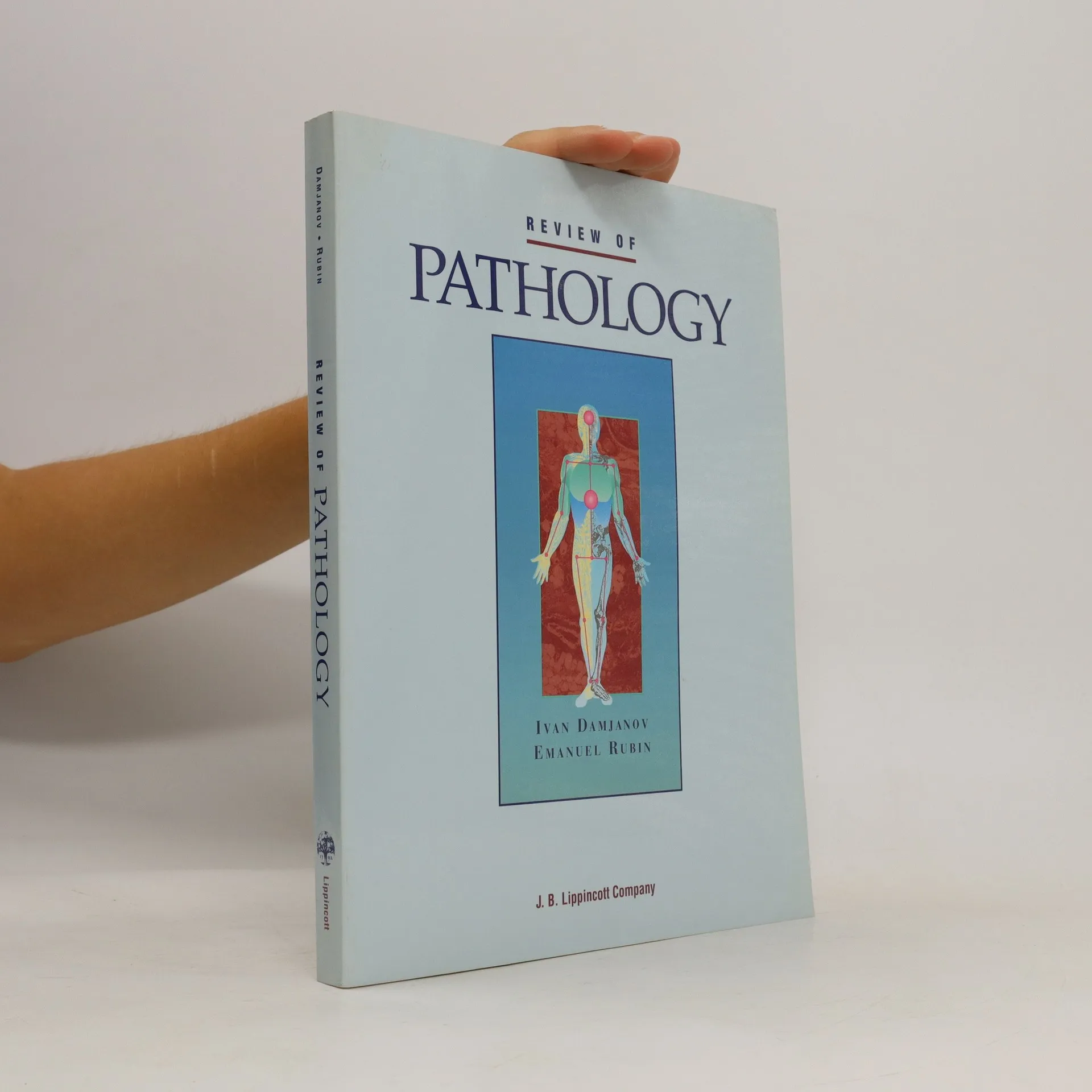
    Review of Pathology
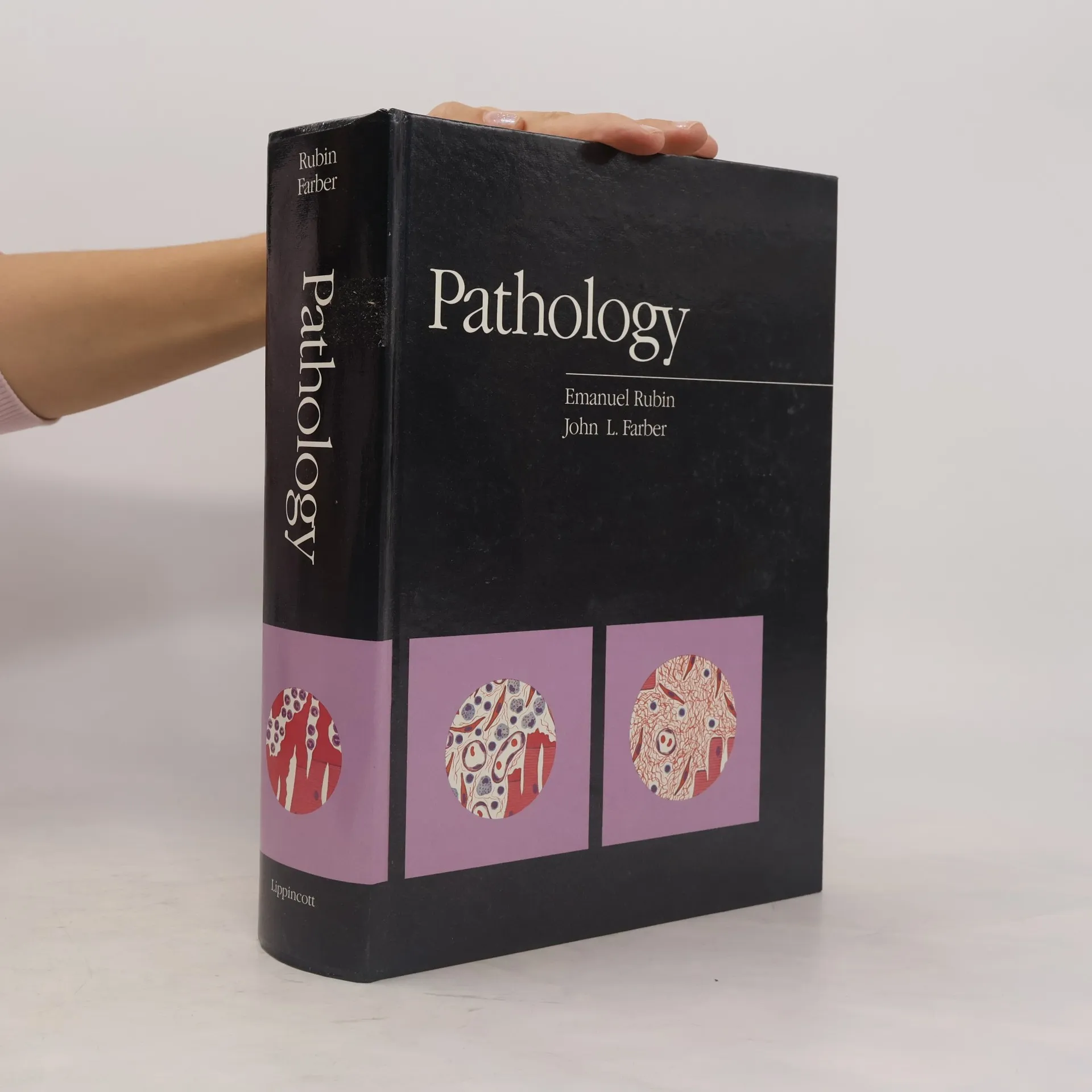
    Rubin's pathology
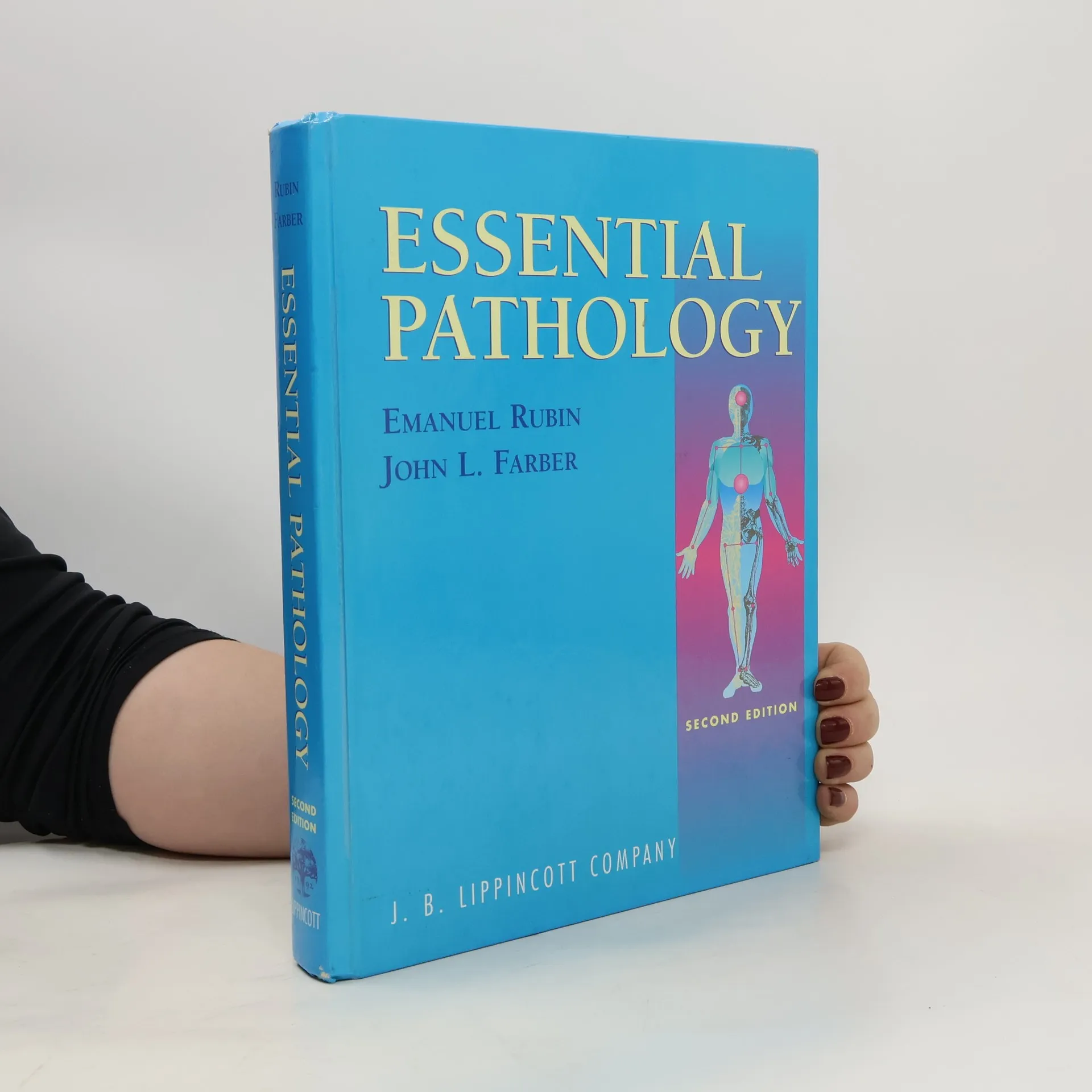
    Essential Pathology
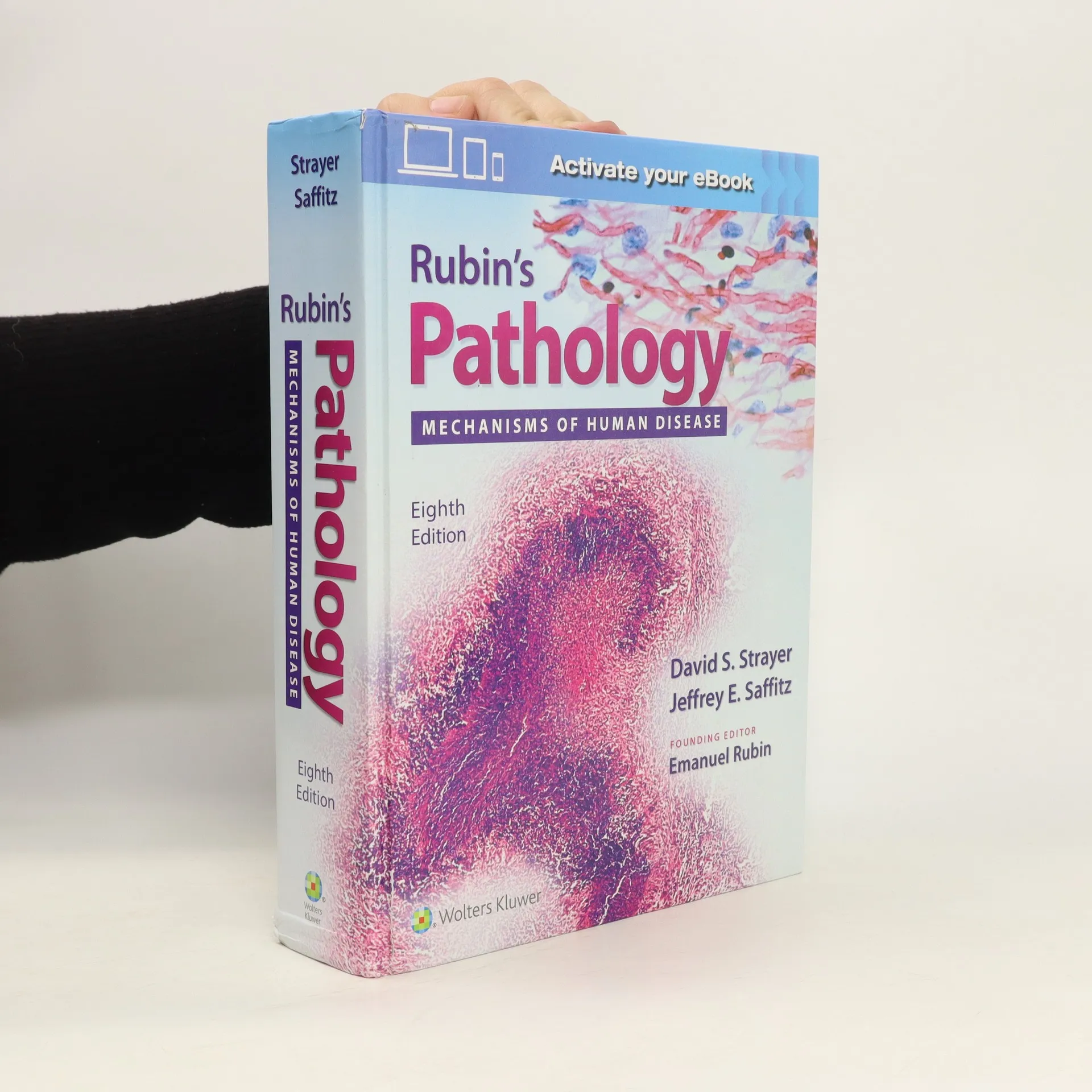
    Rubin's pathology : mechanisms of human disease
    • This highly acclaimed foundational text for medical students examines disease processes and their effects on cells, organs, and individuals. Streamlined coverage presents clinical application of chapter concepts, while icons signal discussions of pathogenesis, pathology, epidemiology, etiological factors, and clinical features. Rubin's Pathology features full-color graphic illustrations, gross pathology photos, and micrographs, all of which prepare students for the clinical environment.

      Rubin's pathology : mechanisms of human disease
      5,0
    • Covers general and systemic pathology. This text presents all the key concepts of the evolution and expression of disease and assigns priorities based upon the importance and heuristic relevance of individual diseases. Photographs depict microscopic images and definitions of diseases are provided.

      Essential Pathology
      4,0
    • Rubin's Pathology, Fifth Edition has won First Prize in Pathology in the British Medical Association Book Competition Awards, 2008. Widely acclaimed for its clinical approach to pathology and superb full-color illustrations, Rubin's Pathology is now in its Fifth Edition—with a new editorial team, fully updated chapters, enhanced illustrations, and a complete new suite of online supplements for students and faculty. This edition includes over 200 new full-color schematic drawings, photographs, and micrographs, and timely coverage of bioterrorism, emerging diseases, and stem cell research. A new design feature visually highlights the pathogenesis information on pathologic conditions to help students quickly locate and focus on this crucial material. A brand-new companion Website on thePoint includes fully searchable text, interactive case studies, images, audio lectures, and teaching tools.

      Rubin's pathology
      4,1
    • This book contains over 2,000 incisive questions that will help students test their knowledge and pinpoint areas for further study. This comprehensive text provides a close review of both general and systemic pathology, as well as cover key differences between normal and abnormal states and a variety of disease processes. An excellent preparatory tool for the USMLE and FLEX it, also includes a self-test with color gross photographs and micrographs like those found on standardized exams, questions pertaining to graphs to help students interpret visual data and helpful lists of mosts which include information such as tumors that most often metastasize to the bones and most common cause of osteoporosis.

      Review of Pathology