
« Face aux inégalités qui explosent, aux désastres politiques et aux catastrophes environnementales qui menacent de toutes parts, cet ouvrage montre que tout n'est pas perdu. Si des choix de politiques publiques nous ont menés où nous sommes, rien n'empêche d'en faire d'autres. À condition de dresser, d'abord, un constat honnête. Ces pages traquent les fausses évidences sur toutes les questions les plus pressantes : immigration, libre-échange, croissance, inégalités, changement climatique. Elles montrent où et quand les économistes ont échoué, aveuglés par l'idéologie. Mais l'ouvrage ne fait pas que renverser les idées reçues. Il répond à l'urgence de temps troublés en offrant un panel d'alternatives aux politiques actuelles. Une bonne science économique peut faire beaucoup. Appuyée sur les dernières avancées de la recherche, sur des expériences et des données fiables, elle est un levier pour bâtir un monde plus juste et plus humain. En cela, Économie utile pour des temps difficiles est aussi un appel à l'action. »-- Quatrième de couverture

Abhijit V. Banerjee Ordre des livres (chronologique)
Abhijit Vinayak Banerjee est un économiste indien distingué, reconnu pour son approche expérimentale pionnière visant à atténuer la pauvreté mondiale. Son travail se caractérise par un engagement profond à comprendre les causes profondes de la pauvreté à travers des études rigoureusement conçues. Il exploite les données empiriques et la recherche sur le terrain pour identifier des solutions efficaces, façonnant ainsi de manière significative la théorie et la pratique économiques modernes. Les méthodologies innovantes et le dévouement de Banerjee à la justice sociale offrent des perspectives critiques pour relever des défis mondiaux complexes.


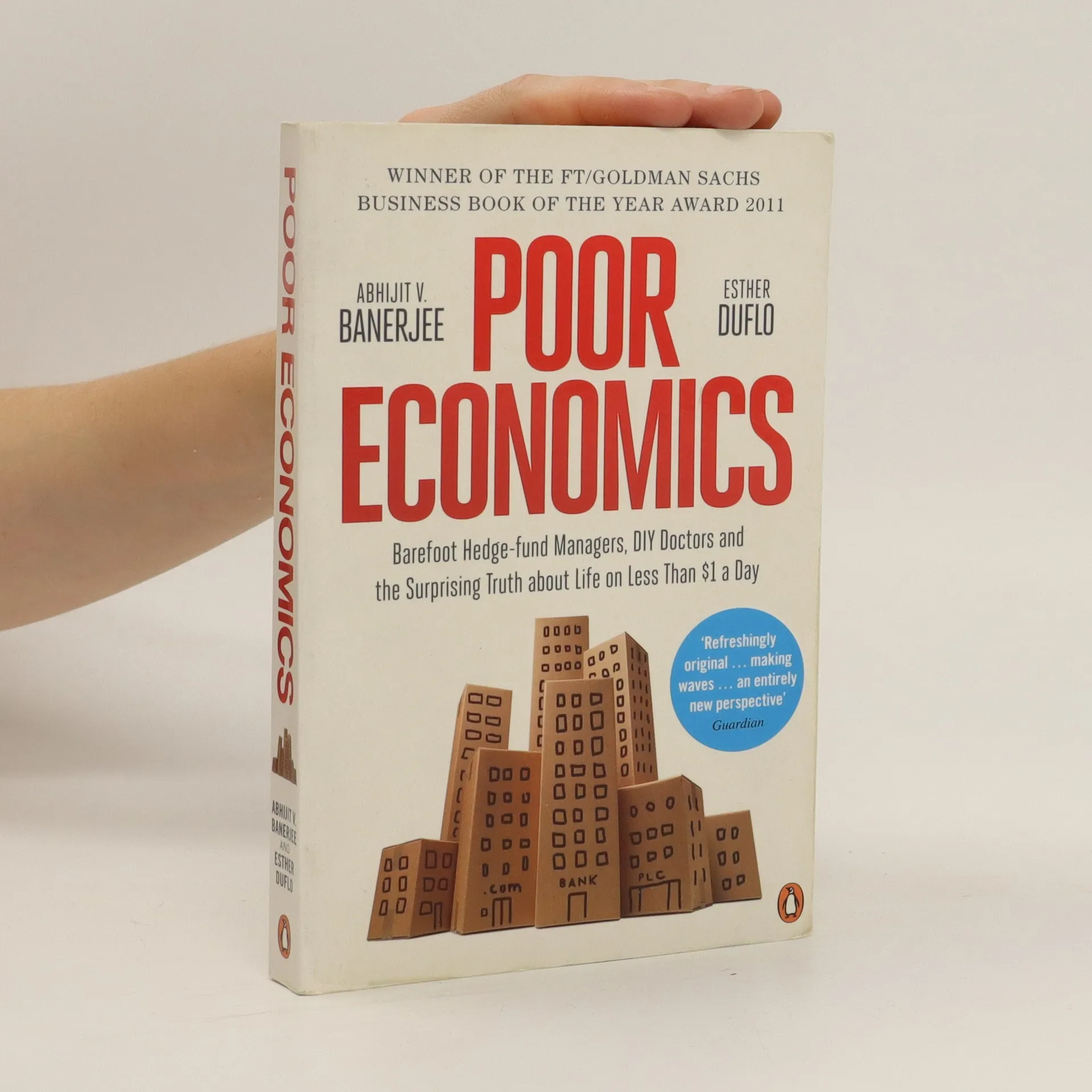
Poor economics. A radical rethinking of the way to fight global poverty
- 320pages
- 12 heures de lecture
From the award-winning founders of the Abdul Latif Jameel Poverty Action Lab at MIT: A transformative reappraisal of the world of the extreme poor, their lives, desires, and frustrations.
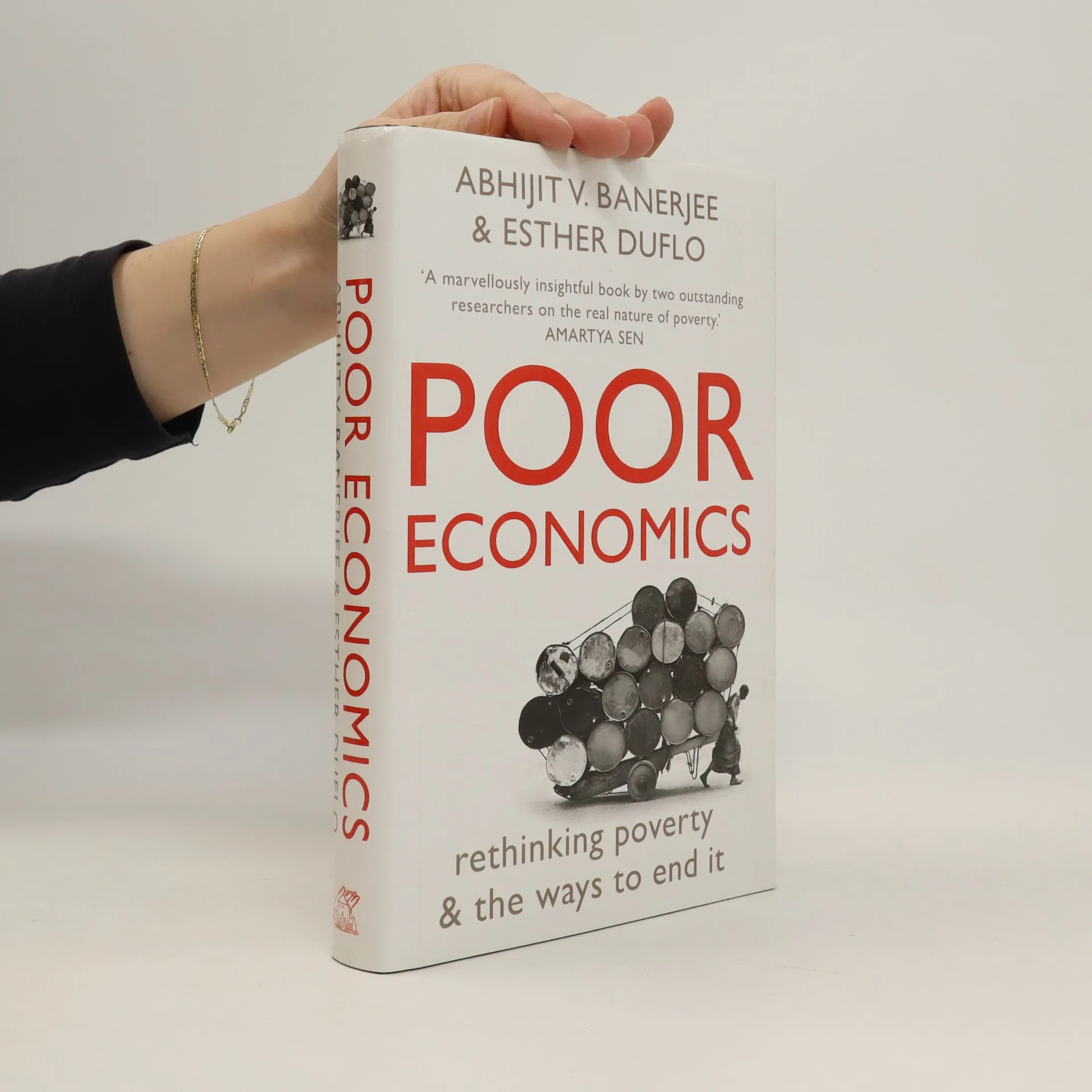
Poor Economics : Rethinking Poverty & The Ways To End It
- 320pages
- 12 heures de lecture
Winner of the 2011 Financial Times/Goldman Sachs Best Business Book of the Year Award Billions of government dollars, and thousands of charitable organizations and NGOs, are dedicated to helping the world's poor. But much of their work is based on assumptions that are untested generalizations at best, harmful misperceptions at worst. Abhijit Banerjee and Esther Duflo have pioneered the use of randomized control trials in development economics. Work based on these principles, supervised by the Poverty Action Lab, is being carried out in dozens of countries. Drawing on this and their 15 years of research from Chile to India, Kenya to Indonesia, they have identified wholly new aspects of the behavior of poor people, their needs, and the way that aid or financial investment can affect their lives. Their work defies certain presumptions: that microfinance is a cure-all, that schooling equals learning, that poverty at the level of 99 cents a day is just a more extreme version of the experience any of us have when our income falls uncomfortably low. This important book illuminates how the poor live, and offers all of us an opportunity to think of a world beyond poverty.
Boston Review: Making Aid Work
- 170pages
- 6 heures de lecture
With over a billion people living on less than a dollar a day and eight million dying annually due to extreme poverty, global poverty presents a significant moral challenge. Despite the flow of millions in aid to poor countries, results often fall short. In this context, Abhijit Banerjee, an "aid optimist," asserts that aid can be effective, but inefficiencies arise from a lack of analysis regarding which programs truly work. This inefficiency breeds unwarranted pessimism about aid's role in economic development. Banerjee calls on aid donors to improve their approaches by employing field experiments and randomized trials to evaluate programs, similar to the methods used for new drug assessments. He suggests that current development assistance could focus exclusively on programs with proven success. In response, prominent figures in the field, such as Nicholas Stern and Angus Deaton, question whether randomized trials are universally applicable for evaluating success. They also explore broader issues regarding the role of aid in economic development and the types of interventions—whether micro or macro, political or economic—that will genuinely enhance the lives of impoverished individuals. With one in six people living in extreme poverty, finding effective solutions is imperative.