



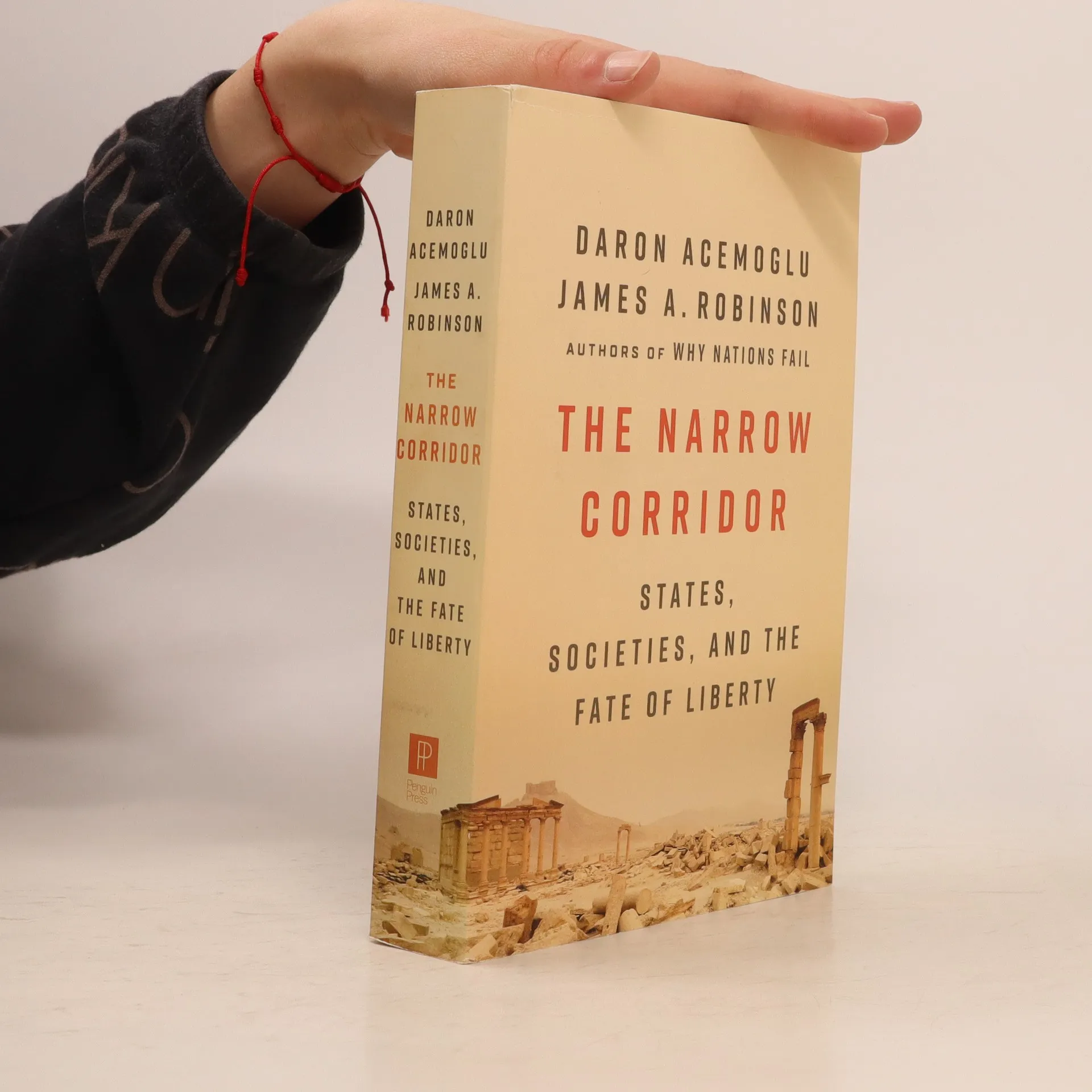
"A crucial new big-picture framework that answers the question of how liberty flourishes in some states but falls to authoritarianism or anarchy in others--and explains how it can continue to thrive despite new threats"-- Provided by publisher
James A. Robinson Livres
Cet économiste et politologue britannique se concentre sur le développement économique et politique comparé, en particulier dans une perspective à long terme et avec un intérêt marqué pour l'Amérique latine et l'Afrique subsaharienne. Son travail explore les facteurs structurels qui façonnent les nations et les sociétés. Grâce à des recherches approfondies menées dans divers pays, il cherche à comprendre les forces clés qui influencent les trajectoires de développement. Son approche repose sur une analyse quantitative rigoureuse et une compréhension approfondie des contextes historiques et institutionnels.


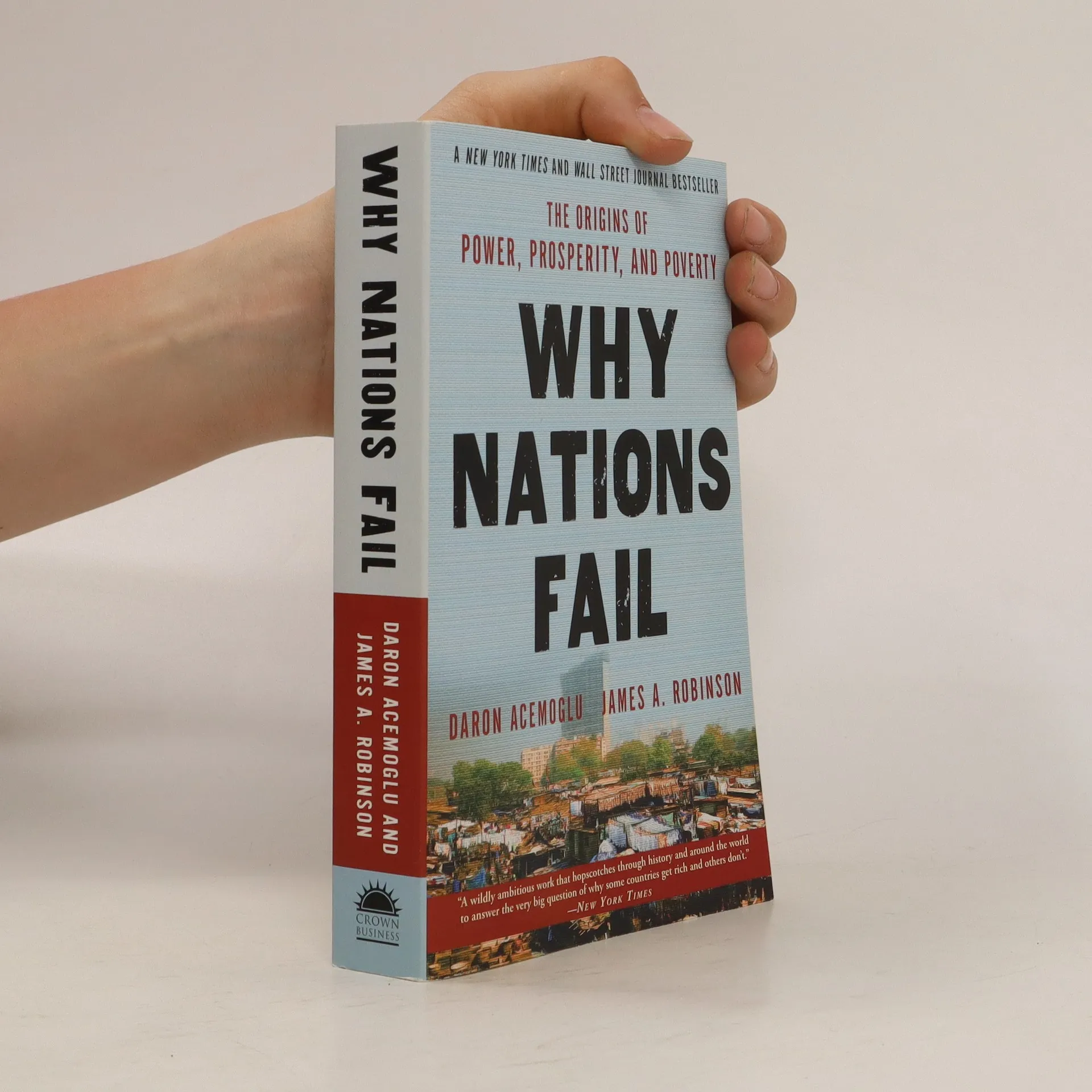
Why Nations Fail
- 544pages
- 20 heures de lecture
About the failure of many countries to achieve economic prosperity.
Economic Origins of Dictatorship and Democracy
- 434pages
- 16 heures de lecture
The book explores the factors that contribute to the establishment and sustainability of democracies across different countries. It delves into political, economic, and social elements that influence governance, examining case studies to highlight the varying paths nations take toward democratic development. Through a comprehensive analysis, it reveals the complexities behind democratic transitions and the challenges faced by non-democratic regimes.
Почему одни страны богатые а другие бедные? Pochemu odni strany bogatyye a drugiye bednyye?
- 692pages
- 25 heures de lecture
Почему одни страны богатые, а другие бедные — это нехудожественная книга, написанная турецко-американским экономистом Дароном Аджемоглу и Джеймсом Робинсоном. Книга обсуждает теории институциональной экономики, экономики развития и экономической истории, чтобы ответить на вопрос, почему страны развиваются по-разному, где одни достигают силы и процветания, в то время как другие терпят неудачу. Человеческие институты, а не географическое или историческое положение, определяют, станет ли страна богатой или бедной. Институциональные изменения, открытость общества и готовность к креативному разрушению и верховенству закона способствуют экономическому развитию. Страны могут избежать бедности только при наличии эффективных экономических институтов и плюралистической политической системы.
Die Ursprünge der modernen Welt
- 677pages
- 24 heures de lecture
Die Tempelruinen von Angkor Wat, die Pyramiden der Maya -Spuren einstmals blühender Kulturen. Warum nahm die Geschichte auf den verschiedenen Kontinenten einen so unterschiedlichen Verlauf? Der amerikanische Evolutionsbiologe Jared Diamond, der Politikwissenschaftler James Robinson und weitere renommierte Wissenschaftler ziehen historische Vergleiche und spüren den Kräften nach, die Geschichte in Bewegung versetzen.