

Bookbot

T. Berry Brazelton

    10 mai 1918 – 13 mars 2018

    Thomas Berry Brazelton était un pédiatre et auteur américain qui a développé l'échelle d'évaluation comportementale du nouveau-né (NBAS). Son travail se concentre sur la compréhension du développement précoce de l'enfant et sur la promotion de liens parent-enfant solides. L'approche de Brazelton met l'accent sur la sensibilité aux besoins individuels de chaque enfant, favorisant la confiance et la compétence des parents. Ses réflexions ont profondément marqué la compréhension de l'enfance et de la parentalité, tant en pédiatrie qu'au-delà.

    Discipline : the Brazelton way
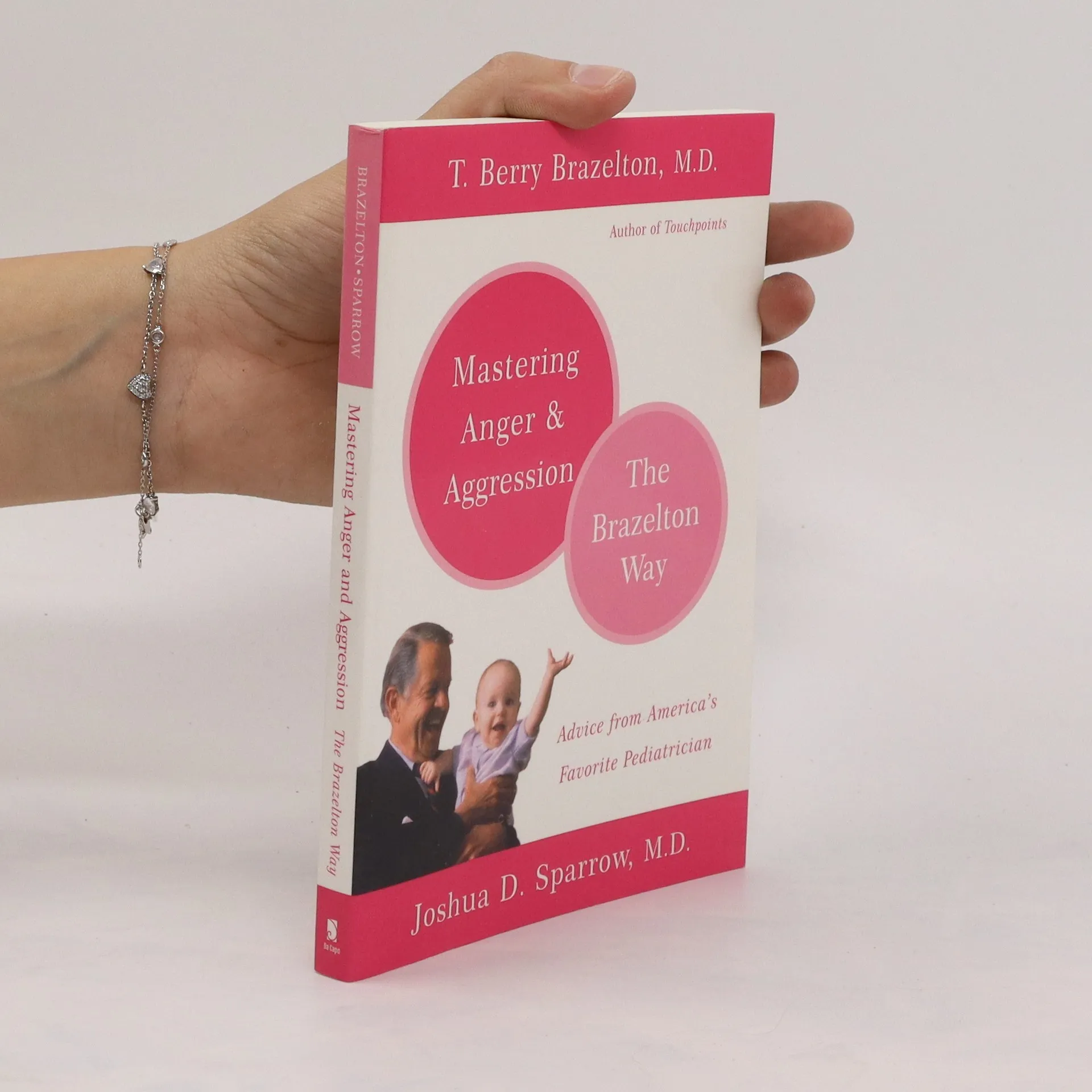
    Mastering anger and aggression : the Brazelton way
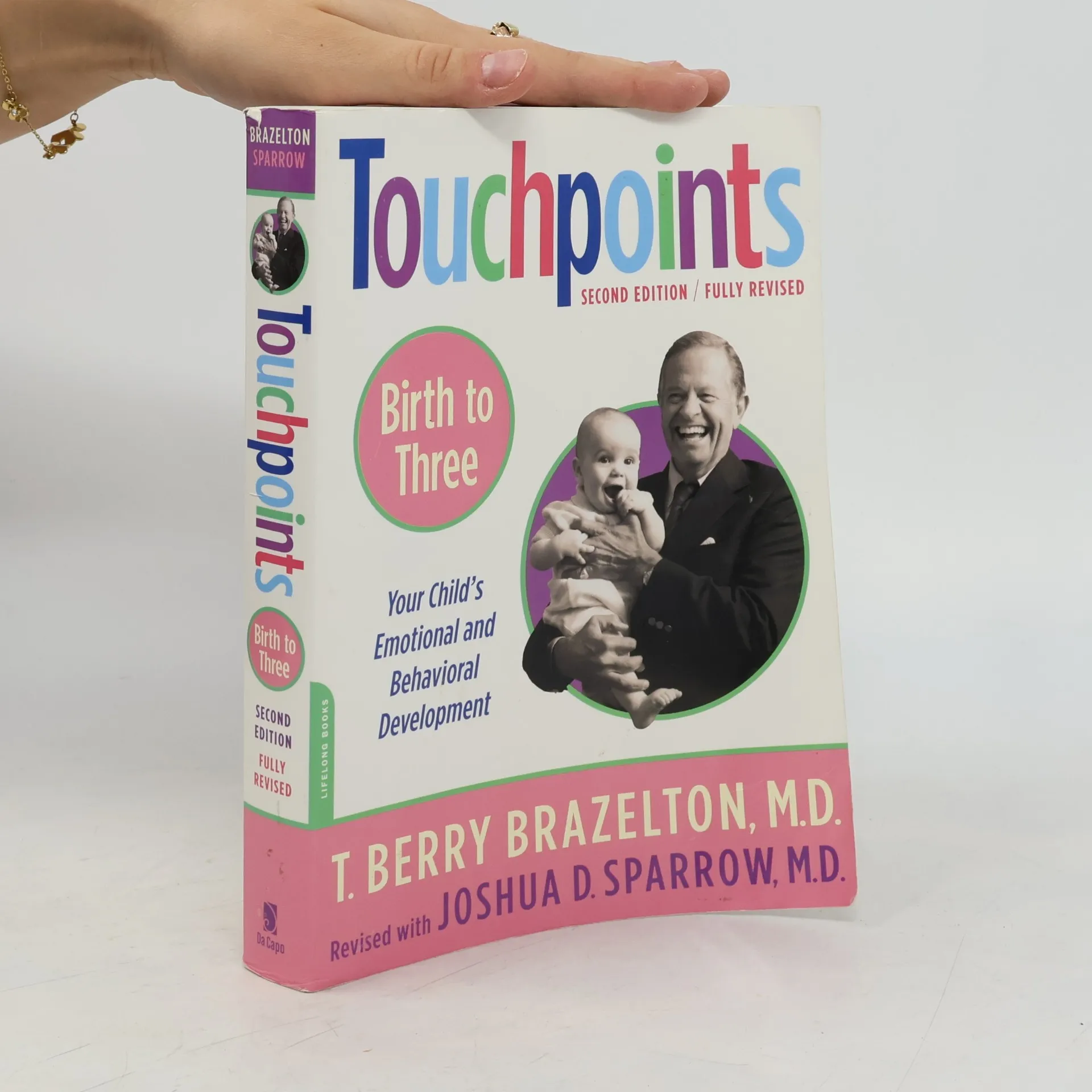
    Touchpoints. Birth to Three
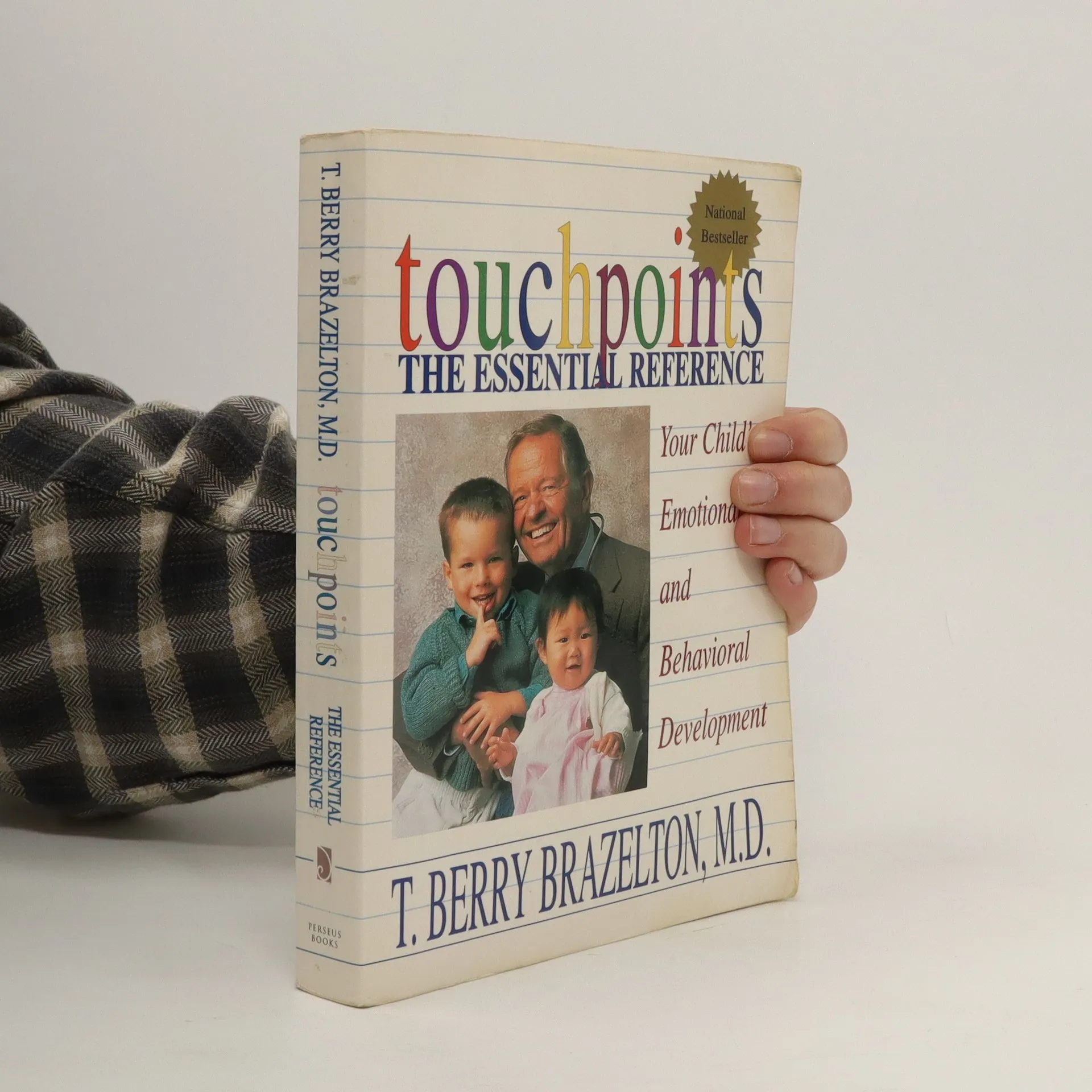
    Touchpoints : Your child's emotional and behavioral development
    Ecoutez votre enfant
    Petite Bibliothèque Payot - 587: L'âge des premiers pas
    • Petite Bibliothèque Payot - 587: L'âge des premiers pas

      Une déclaration d'indépendance

      • 336pages
      • 12 heures de lecture

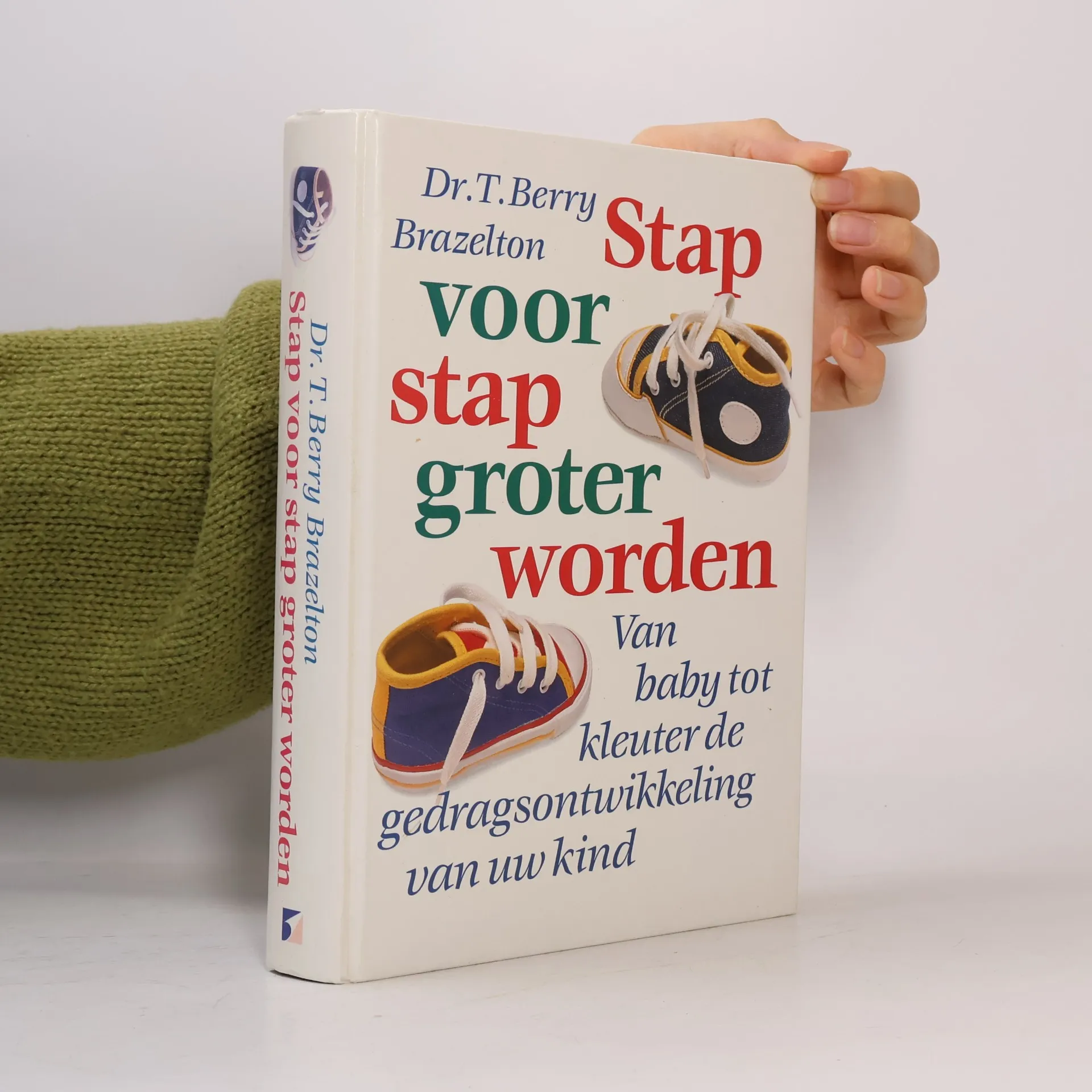
      Entre un et trois ans, tous les enfants traversent une période capitale pour leur développement il leur faut s'affirmer en tant que personne à part entière et, ainsi, acquérir peu à peu leur indépendance. Cela ne va pas sans mal, le comportement de l'enfant semblant fait avant tout de refus, d'oppositions, voire d'affrontements avec l'entourage. Déculpabilisant les parents qui se sentent dépassés par les événements, le docteur Brazelton montre qu'il s'agit là d'une période très saine, normale, indispensable à l'enfant qui construit sa personnalité.

      Petite Bibliothèque Payot - 587: L'âge des premiers pas
    • Ecoutez votre enfant

      • 221pages
      • 8 heures de lecture

      Informations sur la psychologie de l'enfant et conseils pour bien élever et éduquer les jeunes enfants. Quatorze chapitres rédigés à partir d'articles parus dans la revue ##Redbook##, sur des questions particulières: l'amour, la peur, sucer le pouce, intervalles entre enfants, la discipline, l'alimentation, le sommeil, l'asthme, etc. [SDM].

      Ecoutez votre enfant
    • Based on over three decades of practice and research, this childcare reference by a pediatrician with medical and psychoanalytic training offers a comprehensive understanding of child development from physical, cognitive, emotional, and behavioral perspectives. It uniquely provides empathetic insights into parents' emotions and includes both chronological chapters and alphabetical topics addressing issues from conception through age six. "Touchpoints" refer to universal developmental spurts and the regression periods that accompany them, serving as windows for parents to understand their child's behavior and prevent future challenges. The first part presents a chronological account of early childhood stages, covering essential topics such as feeding, crying, temperament, social learning, discipline, and more. The second part serves as an alphabetical reference, detailing how to understand and address potential problems like allergies, bedwetting, hyperactivity, and sibling rivalry. Each entry offers guidance on defusing issues and promoting healthy development. The final section highlights the significant roles of various individuals in a child's life, including parents, caregivers, and doctors, underscoring the collaborative effort required to support healthy growth and development.

      Touchpoints : Your child's emotional and behavioral development
      4,0
    • A pediatrician and a child psychiatrist examine the cognitive, behavioral, and emotional development of children from birth to age three

      Touchpoints. Birth to Three
      3,9
    • How to react when your toddler bites his playmate or your kindergartner confronts a bully? Drs. Brazelton and Sparrow bring their much-admired insight and support to this crucial, and ever more timely, childrearing challenge. From an early age, babies and toddlers need to assert themselves in a daunting world, yet eventually learn to do this without hurting others. After showing how aggression emerges at each age, Brazelton and Sparrow offer practical, wise advice on anger, fights, self-defense, the fears and nightmares that arise when children become aware of their own and others -- aggression, the effects of TV and video games, and of experiencing real life violence. They offer specific, effective ways to help children understand their own aggressive feelings and channel them into healthy self-assertion in schoolwork, games, and sports.

      Mastering anger and aggression : the Brazelton way
      3,7
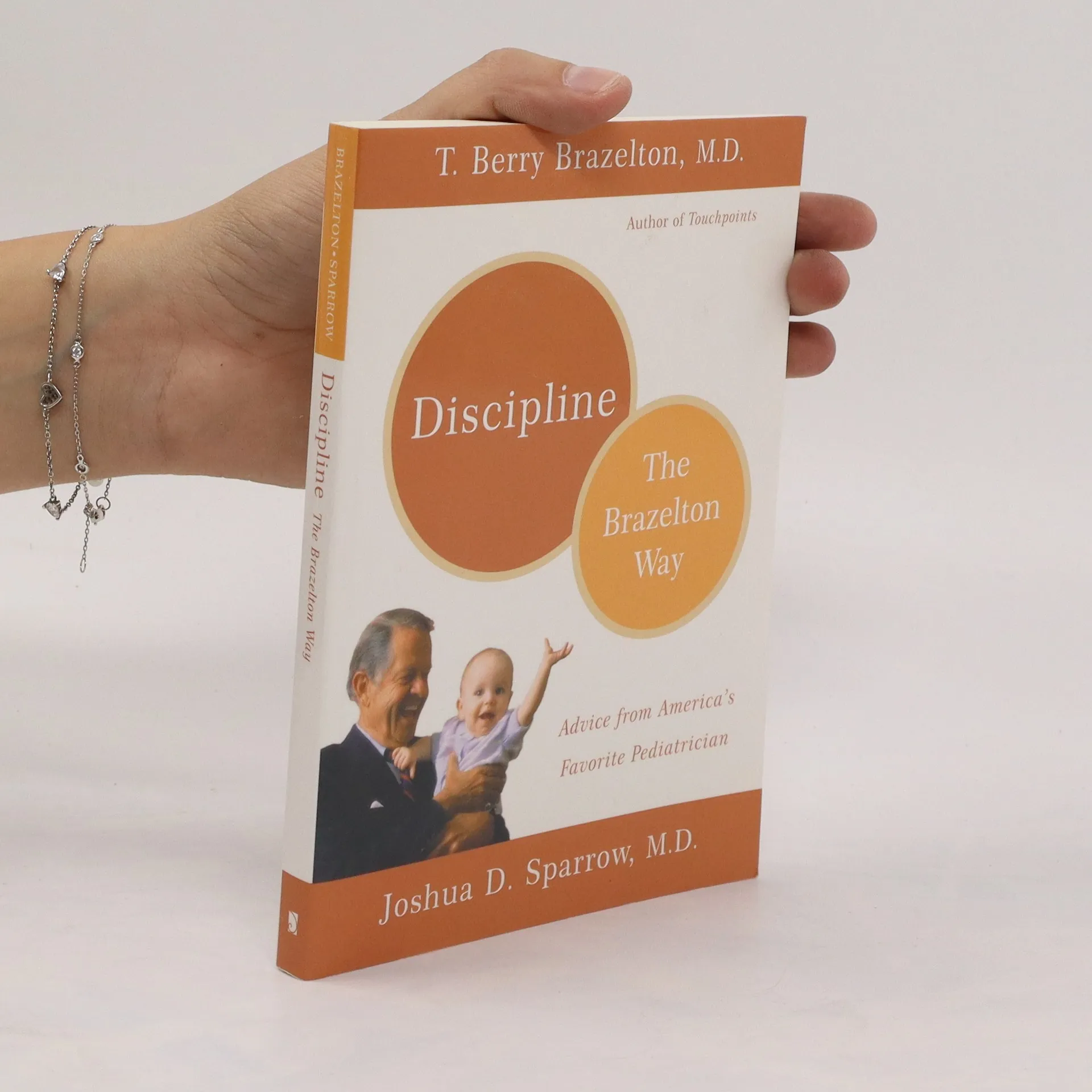
    • Discipline : the Brazelton way

      • 176pages
      • 7 heures de lecture

      World renowned pediatricians T. Berry Brazelton and Joshua Sparrow see discipline as a parent’s gift to a child. By following the doctors’ unique approach, which emphasizes teaching over punishment, parents will find effective solutions for common behavior problems. Not only will parents feel more confident and at ease but they will also experience the joy of raising children who learn to discipline themselves. The vital advice covers six stages of discipline, the power of consequences, ways to encourage moral development and empathy, dealing with misbehavior (from biting and fighting to cheating, lying and using foul language), and special disciplinary challenges (including academic pressure, illness, and digital technology).

      Discipline : the Brazelton way
      3,7
    • Calming Your Fussy Baby

      • 128pages
      • 5 heures de lecture

      Sleepless nights, wailing babies, and defiant toddlers-these are universal issues for new parents. Now beloved pediatrician T. Berry Brazelton and his esteemed colleague the child psychiatrist Joshua Sparrow come to the rescue with these highly effective and affordable guides. Full of empathy, warmth, and wisdom, each book in the Brazelton Way series leads parents step-by-step through these trying struggles. Courtesy of Dr. Brazelton's unparalleled under-standing and experience, parents will emerge from the turmoil relieved, empowered, and full of new pleasure in the strength and progress of their individual child.

      Calming Your Fussy Baby
      3,5
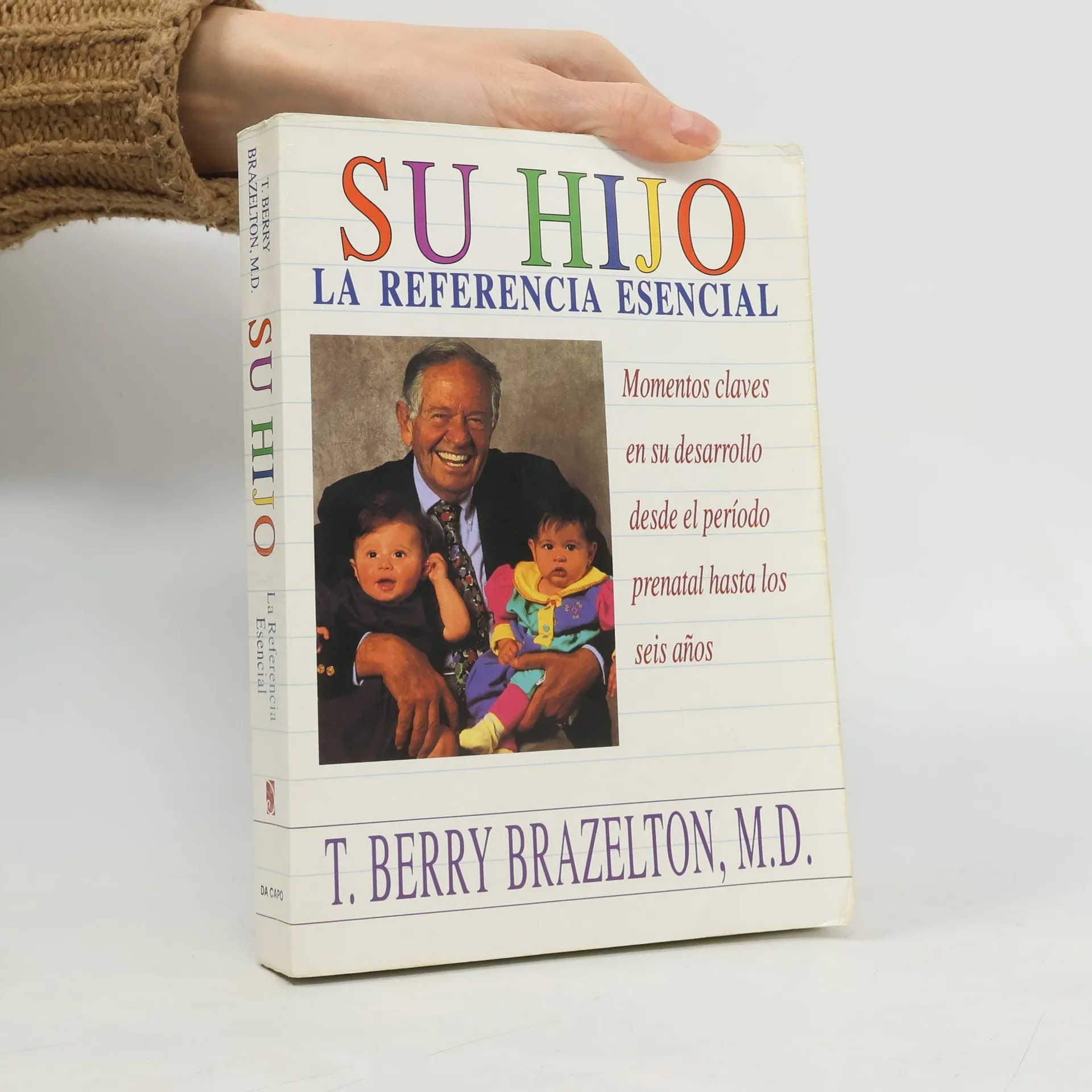
    • Su Hijo

      Momentos claves en su desarrollo desde el periodo prenatal hasta los seis años

      • 560pages
      • 20 heures de lecture

      The Spanish language edition of Touchpoints ; Brazelton's long-awaited reference book is destined to be a best-seller for decades.

      Su Hijo
      4,5
    • Il bambino da 0 a 3 anni

      Guida allo sviluppo fisico, emotivo e comportamentale del bambino

      • 540pages
      • 19 heures de lecture

      La bibbia di ogni neogenitore alle prese con ansie e dubbi sul modo migliore di crescere i propri figli: con il suo metodo, Brazelton risponde a tutte le domande sul comportamento, la salute, i sentimenti e lo sviluppo dei piccoli da 0 a 3 anni.

      Il bambino da 0 a 3 anni
      3,6
    • Die frühe Bindung

      • 288pages
      • 11 heures de lecture

      Ein weltweit anerkannter Kinderarzt und Experte für Säuglingspsychiatrie vereinen erstmals die Forschung zur Säuglingsentwicklung mit psychoanalytischen Einsichten in die Emotionen und Fantasien der Eltern.

      Die frühe Bindung
    • Und was ist mit den Kindern?

      • 273pages
      • 10 heures de lecture

      Brazelton untersucht die Entscheidungen und Dilemmata dieser drei Familien, wie zum Beispiel den Zeitpunkt der Rückkehr zur Arbeit, die Wahl der Tagesbetreuung und den Umgang mit speziellen Problemen wie Ernährung, Stillen, Schlafen, Töpfchentraining, Krankheit usw. Seine Stimme ist mitfühlend, während er die schwierigen Entscheidungen, die diese Menschen treffen müssen, nachvollzieht, und sein Rat ist praktisch.

      Und was ist mit den Kindern?
    • Beltz Taschenbuch - 188: Die sieben Grundbedürfnisse von Kindern

      Was jedes Kind braucht, um gesund aufzuwachsen, gut zu lernen und glücklich zu sein

      • 360pages
      • 13 heures de lecture

      Was können Eltern tun, damit ihre Kinder glücklich und gesund aufwachsen? Amerikas anerkannteste Experten für eine gesunde Entwicklung von Kindern verständigen sich darauf, was jedes Kind in seinen ersten fünf bis sieben Jahren unbedingt braucht. Der Kinderarzt T. Berry Brazelton und der Kinderpsychiater Stanley I. Greenspan formulieren sieben Grundbedürfnisse von Kindern, die sie für absolut unverzichtbar halten und die in den westlichen Wohlstandsgesellschaften fast überall zu kurz kommen. Dabei gehen sie auch kontroversen Fragen nicht aus dem Weg: Wie viel Zeit braucht ein Kind mit seinen Eltern? Wie wirken sich wechselnde Betreuungspersonen aus? Warum nehmen wir schulisches Versagen und Schulunlust unserer Kinder in Kauf ? Ein Buch für alle, denen die Zukunft unserer Kinder am Herzen liegt: Väter und Mütter ebenso wie Erzieher/innen, Lehrer/innen, Ärzte und Psychiater, Sozial- und Bildungspolitiker. Jede dieser Zielgruppen findet eine Fülle von für sie relevanten Gedanken und Tipps.

      Beltz Taschenbuch - 188: Die sieben Grundbedürfnisse von Kindern
    • So schläft mein Kind die ganze Nacht

      • 128pages
      • 5 heures de lecture

      Wenn der Nachwuchs nicht recht einschlafen oder gar nicht durchschlafen kann, sind Eltern schnell am Ende ihrer Kräfte. Statt der altbekannten harten Erziehungsmaßnahmen bietet die erfolgreiche Brazelton-Methode liebevolle Einschlafrituale, die den individuellen Bedürfnissen des Kindes gerecht werden – auch für alle Problemfälle von Albträumen bis zum Zähneknirschen. Endlich eine sanftes Ende des »Nachtterrors«!

      So schläft mein Kind die ganze Nacht
    • Babys erstes Lebensjahr

      • 320pages
      • 12 heures de lecture

      Babys erstes Lebensjahr - bk1605; DTV Verlag; T. Berry Brazelton; pocket_book; 1997

      Babys erstes Lebensjahr
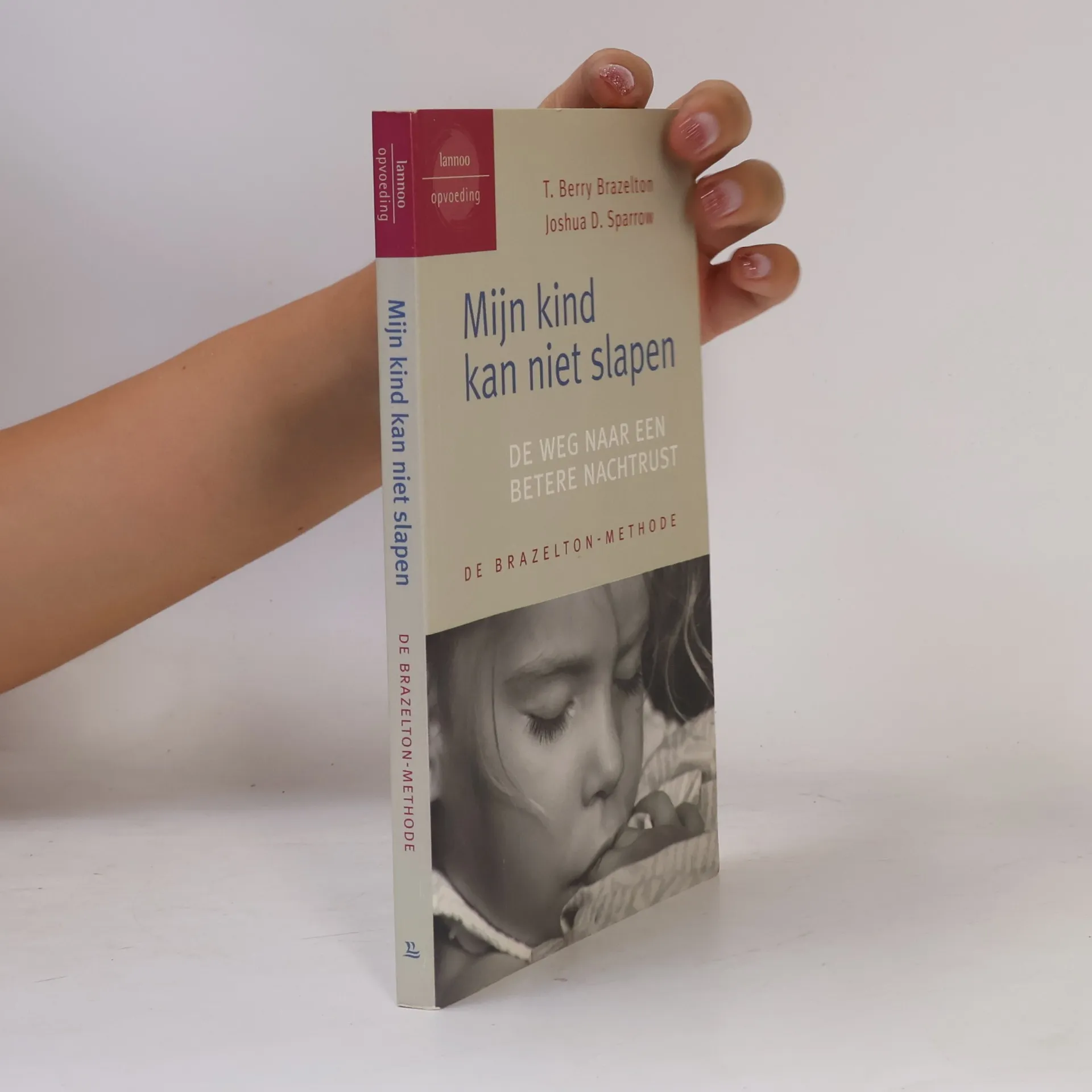
    • Mijn kind kan niet slapen

      De weg naar een betere nachtrust - druk 1

      • 99pages
      • 4 heures de lecture

      Adviezen aan ouders van kinderen tot ongeveer zes jaar.

      Mijn kind kan niet slapen
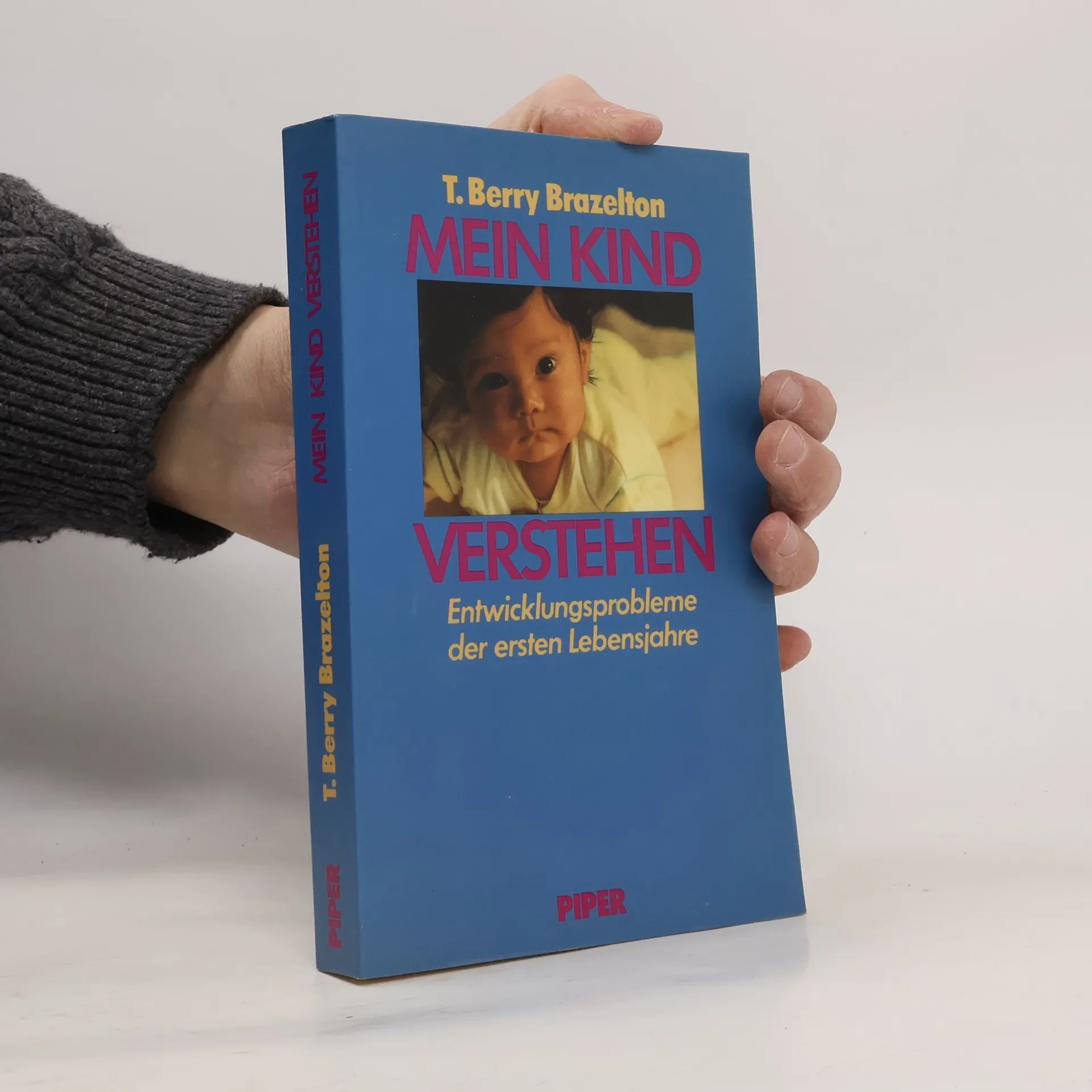
    • Mein Kind verstehen

      Entwicklungsprobleme der ersten Lebensjahre

      • 245pages
      • 9 heures de lecture
      Mein Kind verstehen