

Bookbot

Michael Hewitt

    Composition for Computer Musicians
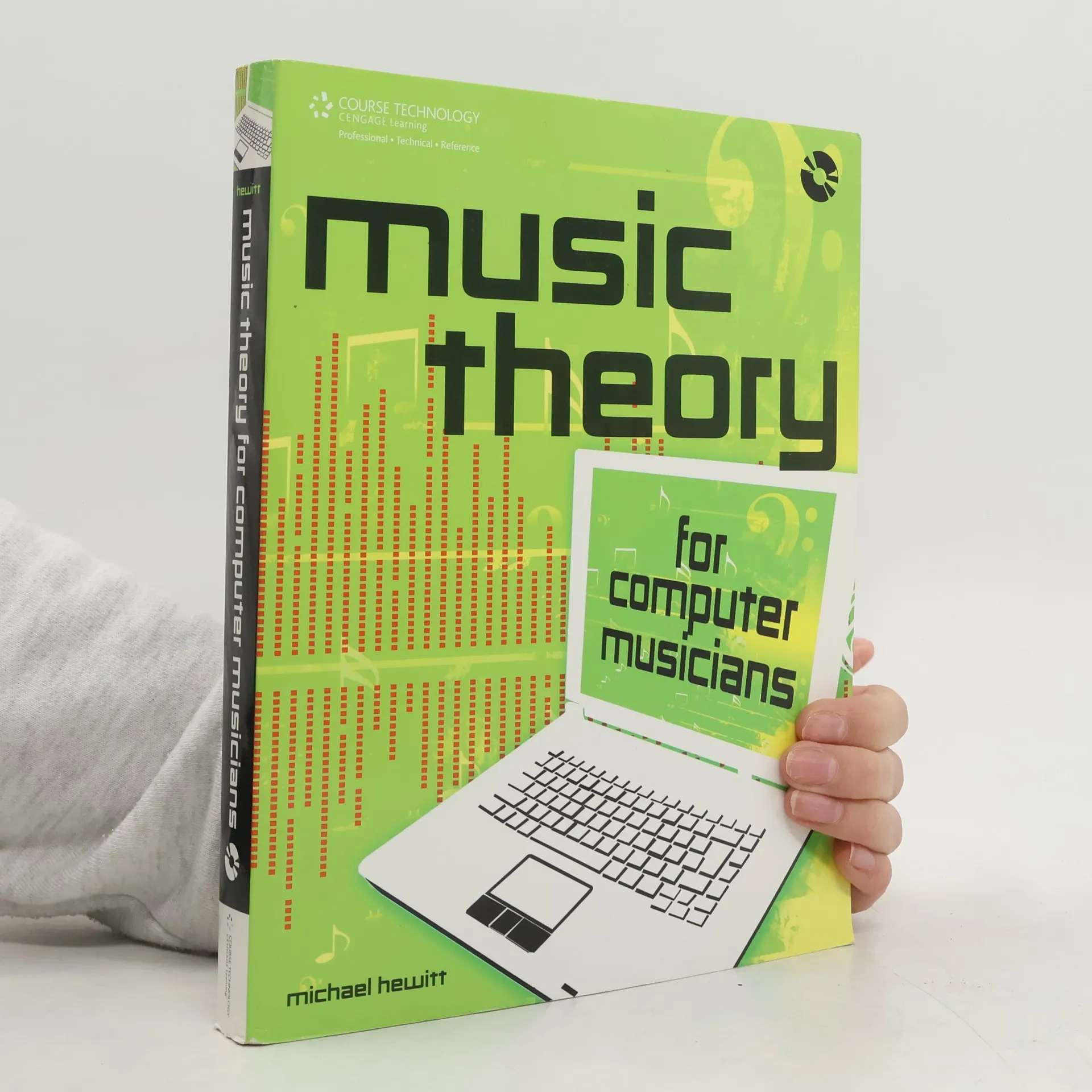
    Music theory for computer musicians
    • Music theory for computer musicians

      • 309pages
      • 11 heures de lecture

      Many DJs, gigging musicians, and electronic music producers understand how to play their instruments or make music on the computer, but they lack the basic knowledge of music theory needed to take their music-making to the next level and compose truly professional tracks. Beneath all the enormously different styles of modern electronic music lie certain fundamentals of the musical language that are exactly the same no matter what kind of music you write. It is very important to acquire an understanding of these fundamentals if you are to develop as a musician and music producer. Put simply, you need to know what you are doing with regard to the music that you are writing. Music Theory for Computer Musicians explains these music theory fundamentals in the most simple and accessible way possible. Concepts are taught using the MIDI keyboard environment and today's computer composing and recording software. By reading this book and following the exercises contained within it, you, the aspiring music producer/computer musician, will find yourself making great progress toward understanding and using these fundamentals of the music language. The result will be a great improvement in your ability to write and produce your own original music

      Music theory for computer musicians
      4,3
    • Composition for Computer Musicians

      • 220pages
      • 8 heures de lecture

      You might be extremely knowledgeable about the software that you use, have a good understanding of your own genre, and even have a good basic understanding of music theory. However, this does not necessarily mean that you can write effective music tracks. You need another kind of knowledge as well - the knowledge of composition. This friendly guide explains the basics of composing songs and music on the computer using any music using any music creation and recording program, whether you choose Reason, Live, Cubase, Logic, Pro Tools, Digital Performer, Finale, Sibelius, FL Studio, SONAR, or anything else. It's not as hard as it sounds, and this book eases the learning curve so you'll be making music in no time. You�ll quickly learn how to program rhythm and drums, create basslines and melodic leads, and use FX and samples. You'll also learn about mixing and mastering your track and distributing it to a mass audience. Composition for Computer Musicians explains it all while showing you the basics of music theory throughout so you'll be sure you're not just making noise on the computer - you're using your computer to make professional-sounding music.

      Composition for Computer Musicians