


Cet auteur explore des sujets qui l'ont captivé depuis l'enfance, apportant à son œuvre une riche expérience en critique littéraire et en journalisme. Son écriture témoigne d'une profonde compréhension des formes artistiques, allant de la littérature et du cinéma aux livrets d'opéra. Après avoir publié des essais et des critiques pendant deux décennies, il a perfectionné un style distinctif et une perspective pointue sur la culture. Son œuvre témoigne d'une passion de toute une vie pour le verbe et les arts.
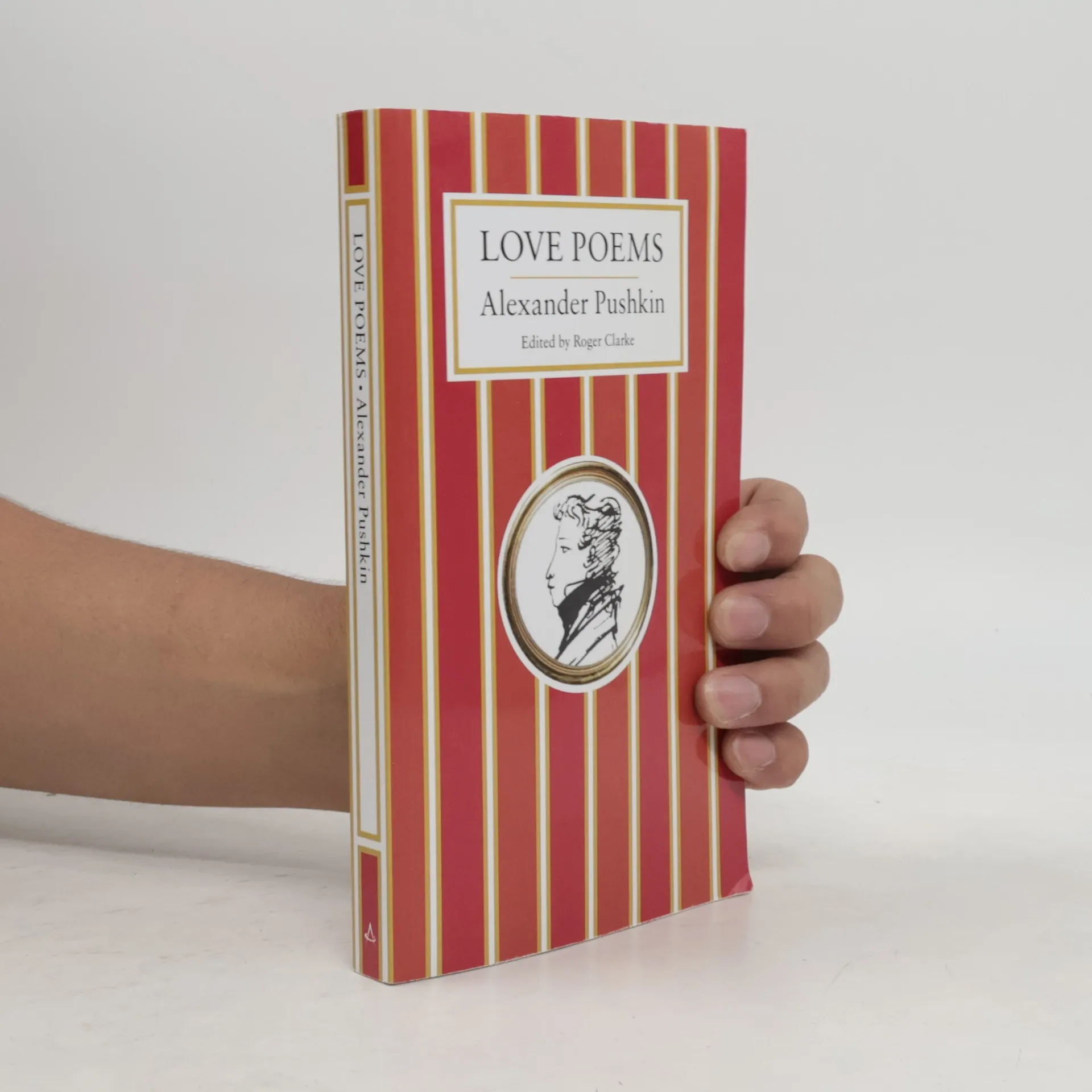
One of the many aspects of Alexander Pushkin's immense contribution to Russian language and literature, and perhaps the one he is most popular for, is his mastery of the love poem, a genre which he perfected like few others before or after him. This volume contains a selection of his most famous and enduring verse explorations of love, such as 'I Loved You', 'Night' and 'I Well Recall a Wondrous Meeting', pieces which are crowning achievements of the European canon and still have the same timeless emotional resonance today.
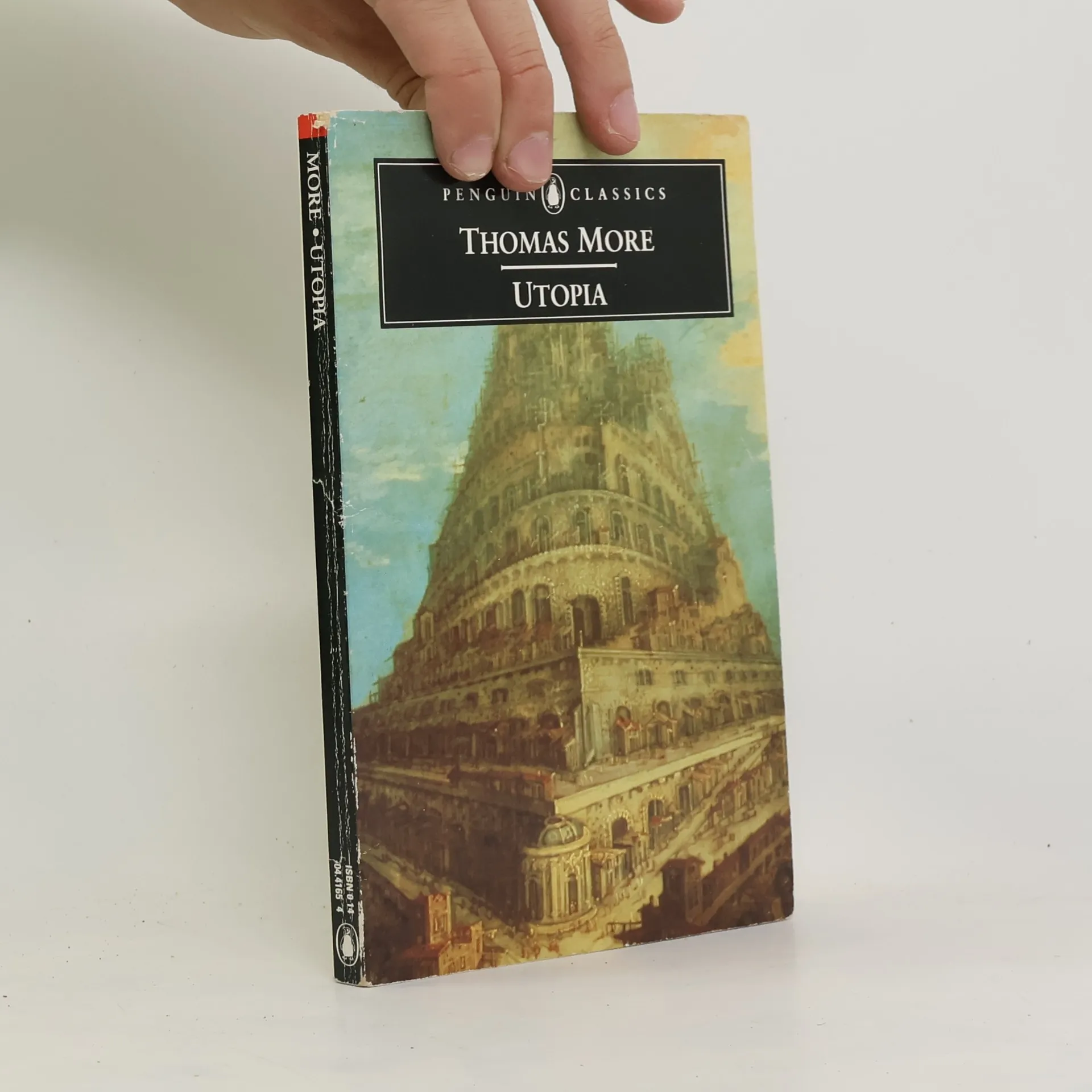
Saint Thomas More's "Utopia" is one of the most important works of European humanism and serves as a key text in survey courses on Western intellectual history, the Renaissance, political theory, and many other subjects. Preeminent More scholar Clarence H. Miller does justice to the full range of More's rhetoric in this masterful translation. In a new afterword to this edition, Jerry Harp contextualizes More's life and "Utopia" within the wider frames of European humanism and the Renaissance. "Clarence H. Miller's fine translation tracks the supple variations of More's Latin with unmatched precision, and his Introduction and notes are masterly. Jerry Harp's new Afterword adroitly places More's wonderful little book into its broader contexts in intellectual history."--George M. Logan, author of "The Meaning of More's "Utopia"" "Sir Thomas More's "Utopia" is not merely one of the foundational texts of western culture, but also a book whose most fundamental concerns are as urgent now as they were in 1516 when it was written. Clarence H. Miller's wonderful translation of More's classic is now happily once again available to readers. This is the English edition that best captures the tone and texture of More's original Latin, and its notes and introduction, along with the lively afterward by Jerry Harp, graciously supply exactly the kinds of help a modern reader might desire."--David Scott Kastan, Yale University
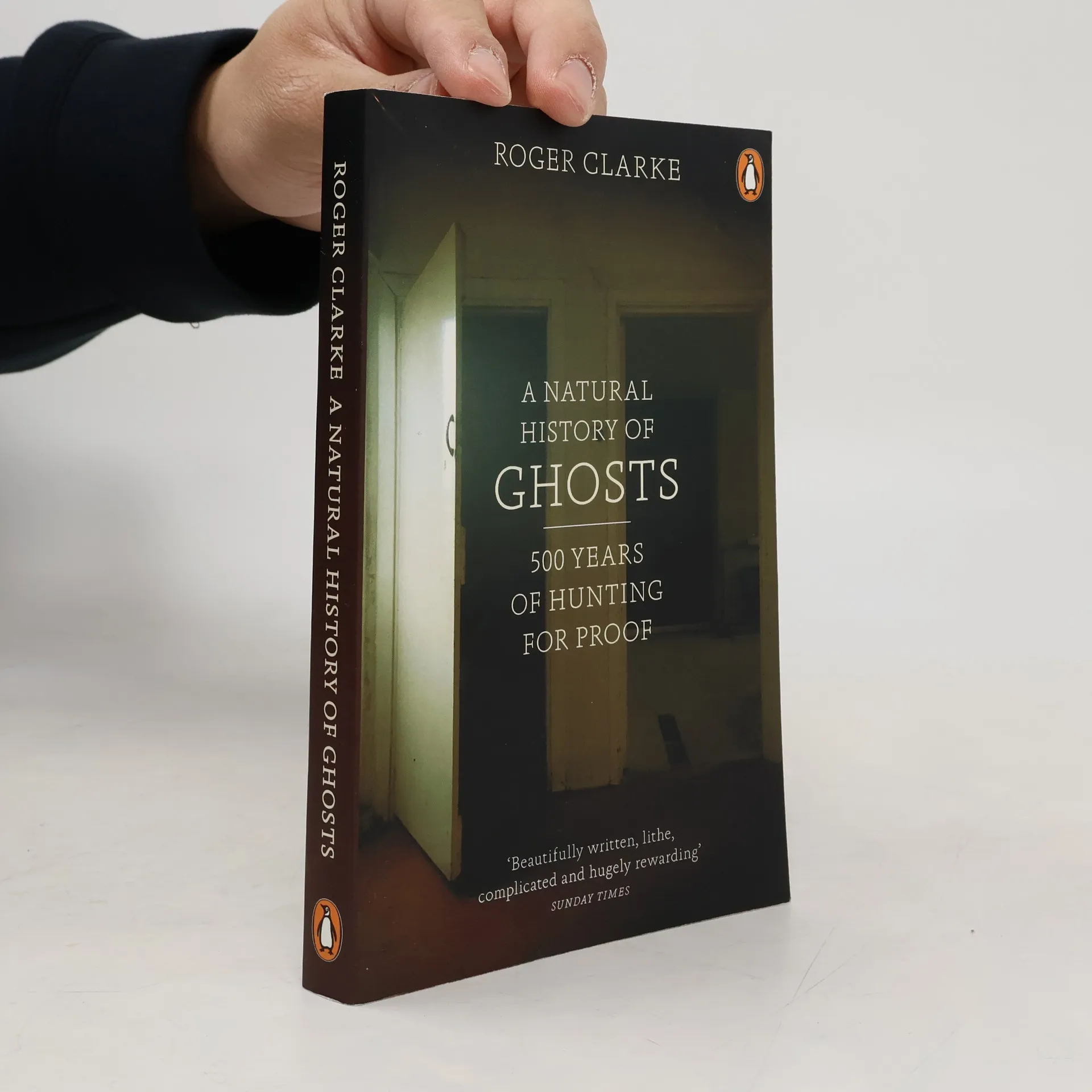
What explains sightings of ghosts? Why do they fascinate us? What exactly did the haunted see? What did they believe? And what proof is there? This title deals with these questions
The subject of whether ghosts exist has fascinated some of the finest minds in history and it remains a subject of overwhelming interest today. This comprehensive history of the evolution of the ghost in the West examines the subject in its preferred environment - through the stories we tell each other.
Wer hatte im Dunklen noch nie das Gefühl, verfolgt zu werden, wer hat noch nie unerklärliche Geräusche gehört ? Egal wie aufgeklärt wir unser Leben gestalten, nur wenige von uns sind völlig immun gegen die Erfahrung des Unheimlichen, gegen wohligen Grusel und nächtliche Angst. Doch was steckt hinter dem, was wir ›Spuk‹ nennen, worüber reden wir, wenn wir von ›Gespenstern‹ sprechen ? Diese Fragen treiben Roger Clarke seit frühester Jugend um. Das Ergebnis seiner lebenslangen Recherche und Obsession ist dieses ungeheuer unterhaltsame Buch, geschrieben nicht ohne ironische Distanz, doch stets präzise wie eine kriminalistische Beweisaufnahme. Clarke nimmt an Séancen teil und übernachtet in verhexten Häusern, beleuchtet okkulte Praktiken und übernatürliche Phänomene, er erzählt die Schauder erregendsten Geistergeschichten von der Antike bis in unsere Gegenwart. Clarke berichtet von Praktiken der Geisterbeschwörungen und Kontaktaufnahmen ins Jenseits ebenso wie von den modernsten Techniken der Gespensterjäger, untersucht aber auch die physikalischen und sozialen Aspekte des Spuks. Er entwirft eine Taxonomie der Gespenster, klassifiziert Wiedergänger und Poltergeister, Zeitreisephänomene und beseelte Gegenstände: Roger Clarkes ›Naturgeschichte‹ ist ein gelehrter Universalführer durch die Welt der Spuks.