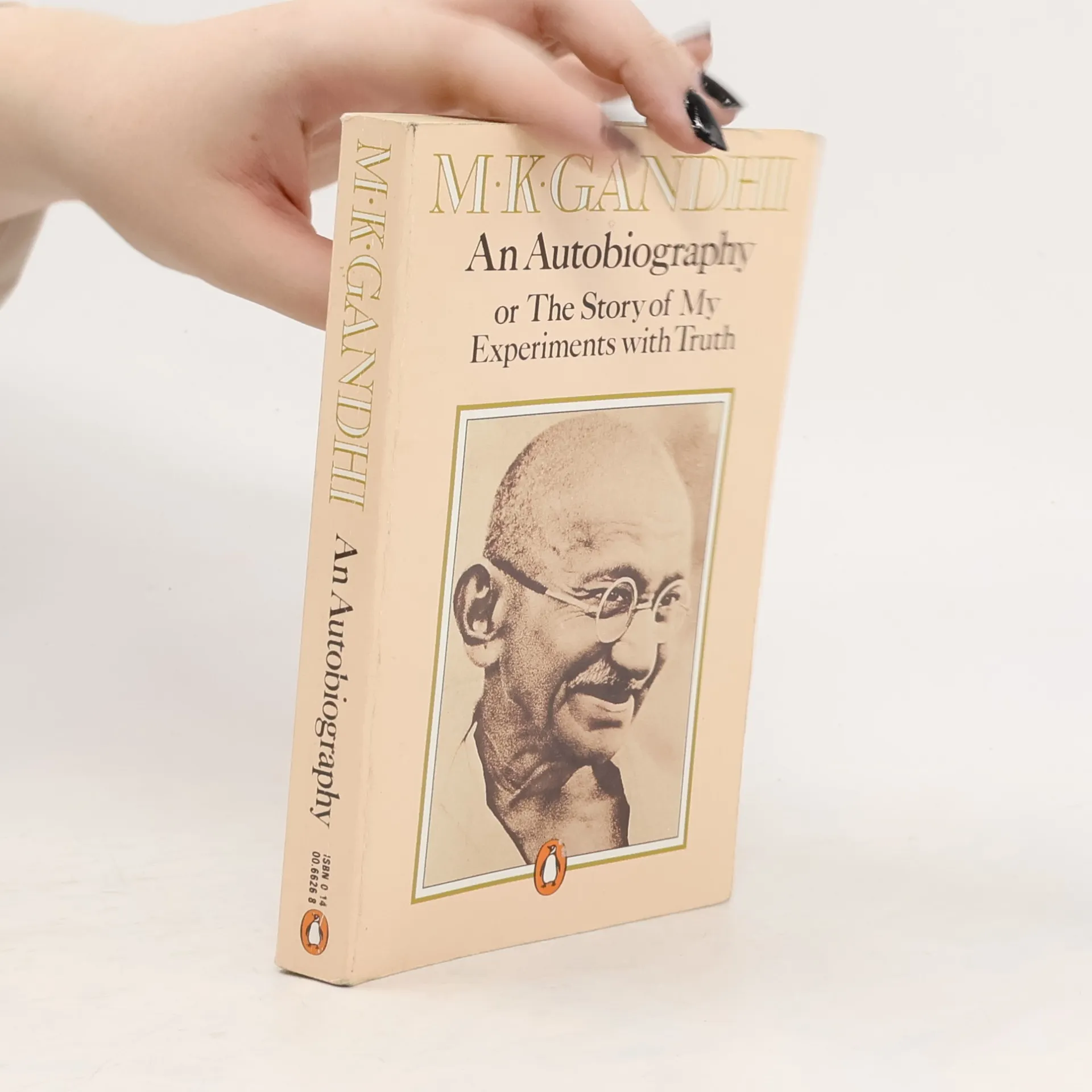
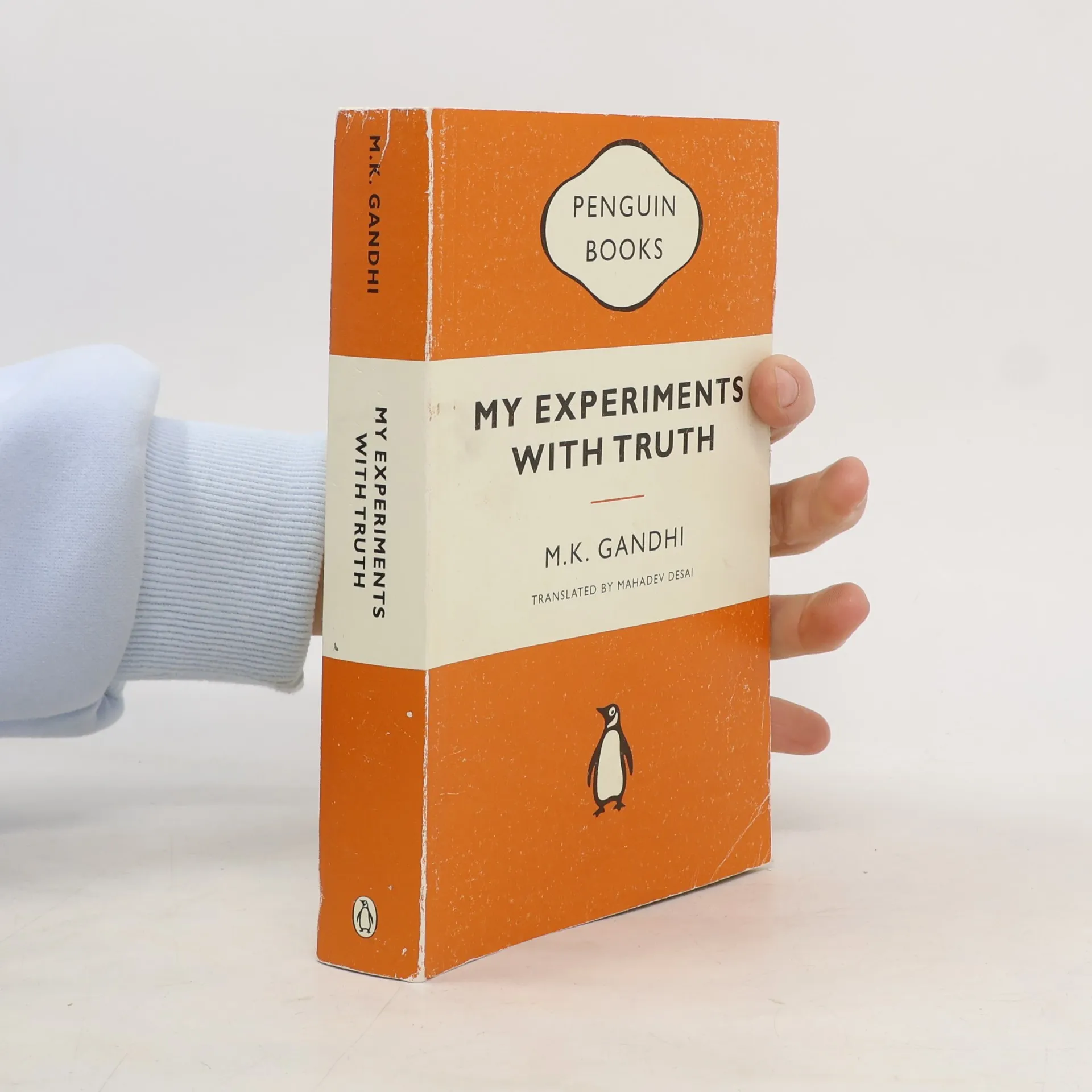
An undisputed classic of modern Indian literature, Mahatma Gandhi’s autobiography— from boyhood to the early phase of his part in India’s freedom struggle—remains a powerful and inspirational account of his lifelong search for Absolute Truth, the supreme principle behind his struggle against racism, violence and colonialism. ‘I have nothing new to teach the world. Truth and non-violence are as old as the hills’—Gandhi
The aim here is not to create a traditional autobiography, but rather to share the journey of my experiments with truth, which inherently reflects my life. True identification with all living beings requires self-purification; without it, the principle of Ahimsa becomes a mere illusion. A pure heart is essential for realizing God. Self-purification must permeate every aspect of life, and its infectious nature means that personal purification can lead to the betterment of one's environment. However, the journey toward self-purification is challenging. Achieving perfect purity demands freedom from passion in thought, speech, and action, transcending love and hatred, attachment and aversion. Despite my relentless striving, I acknowledge that I have not yet attained this triple purity. Consequently, the praise of the world does not affect me; rather, it often feels like a sting. I find the conquest of my subtle passions to be more daunting than any physical battle. Since returning to India, I have confronted the dormant passions within me, which has been humbling yet enriching. I recognize the difficult path ahead and the necessity of diminishing my ego. True salvation comes when one willingly places oneself last among others, as Ahimsa embodies the ultimate humility.