Bookbot

Michael Mandelbaum

    23 septembre 1946
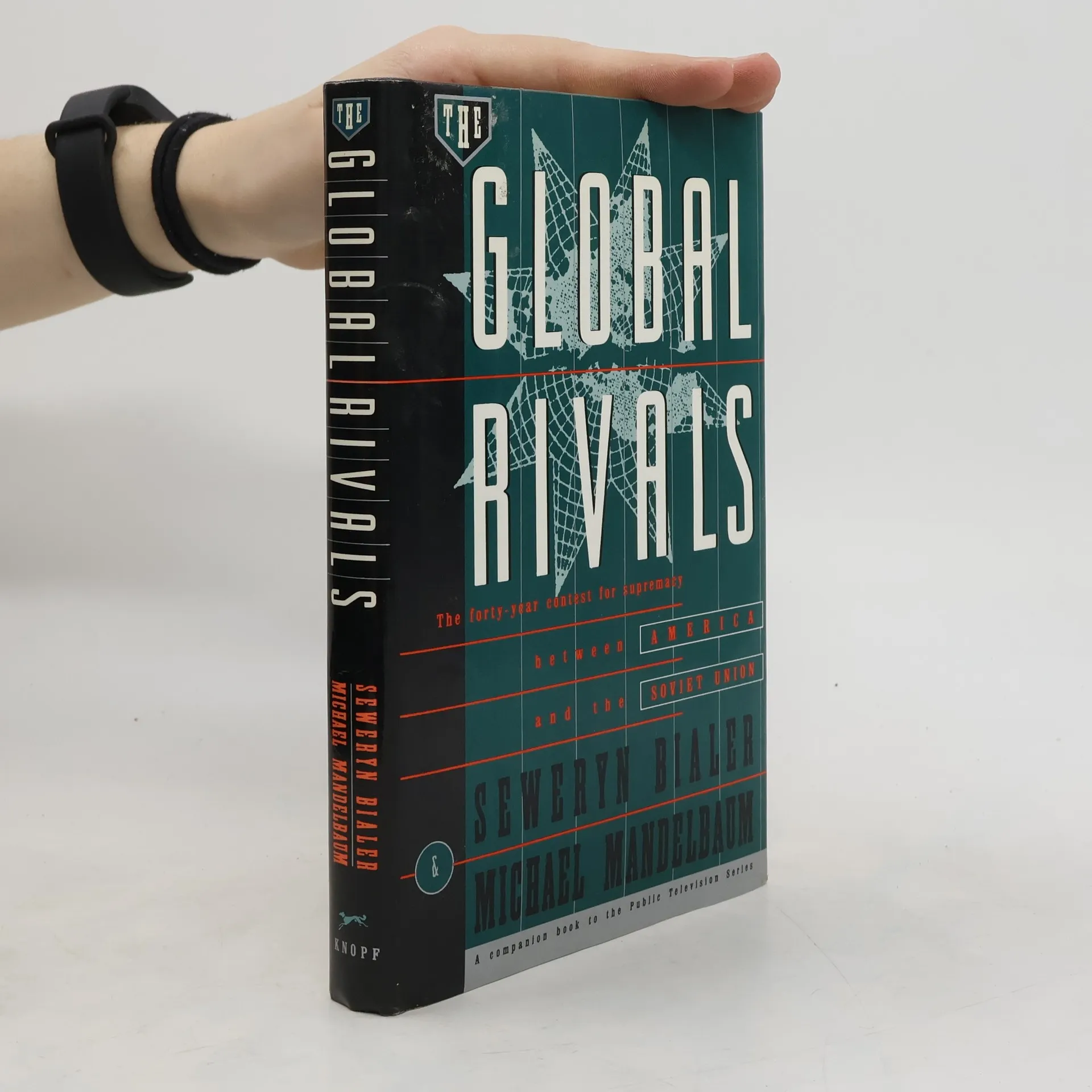
    The Global Rivals
    The Case for Goliath
    That used to be US : what went wrong with America - and how it can come back
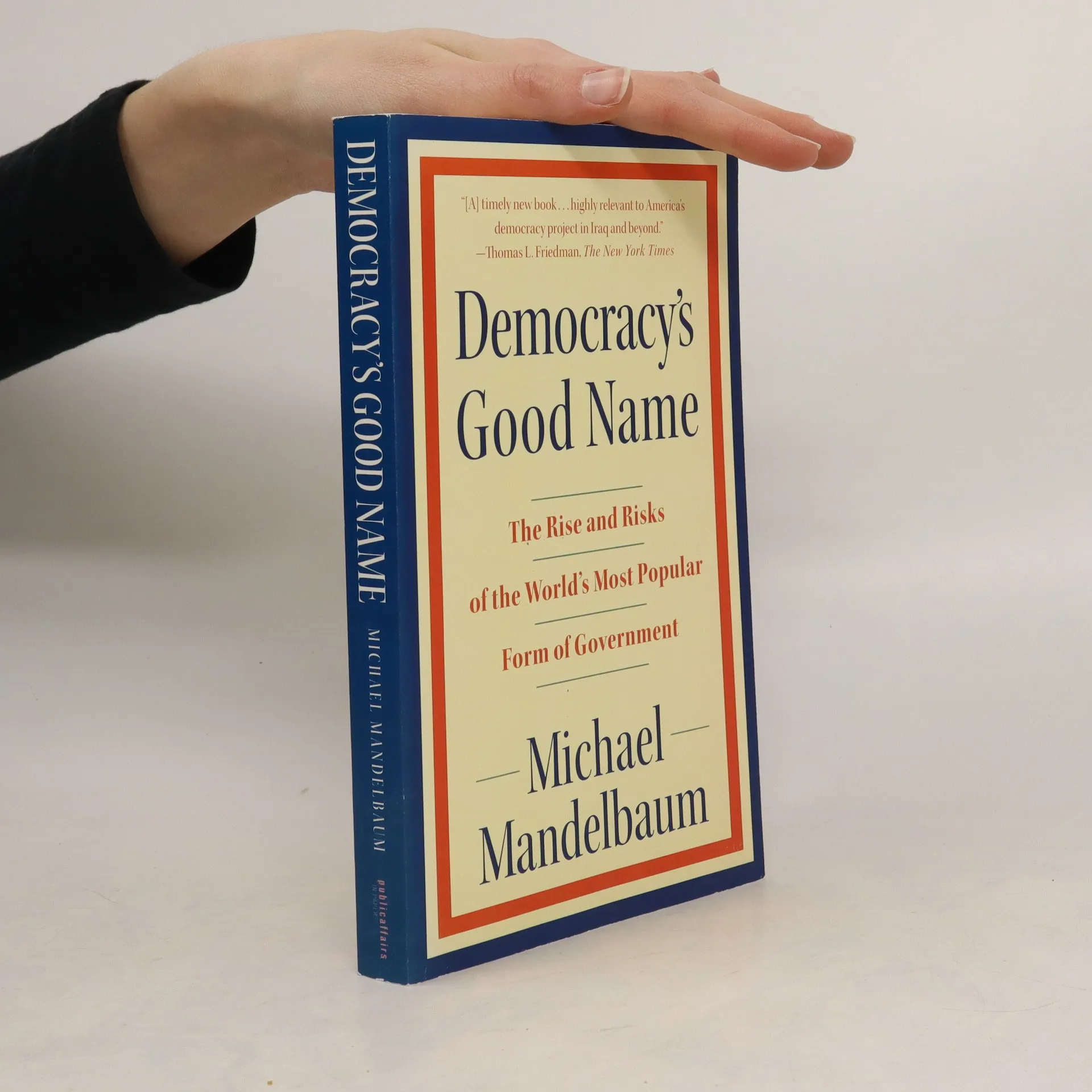
    Democracy's Good Name
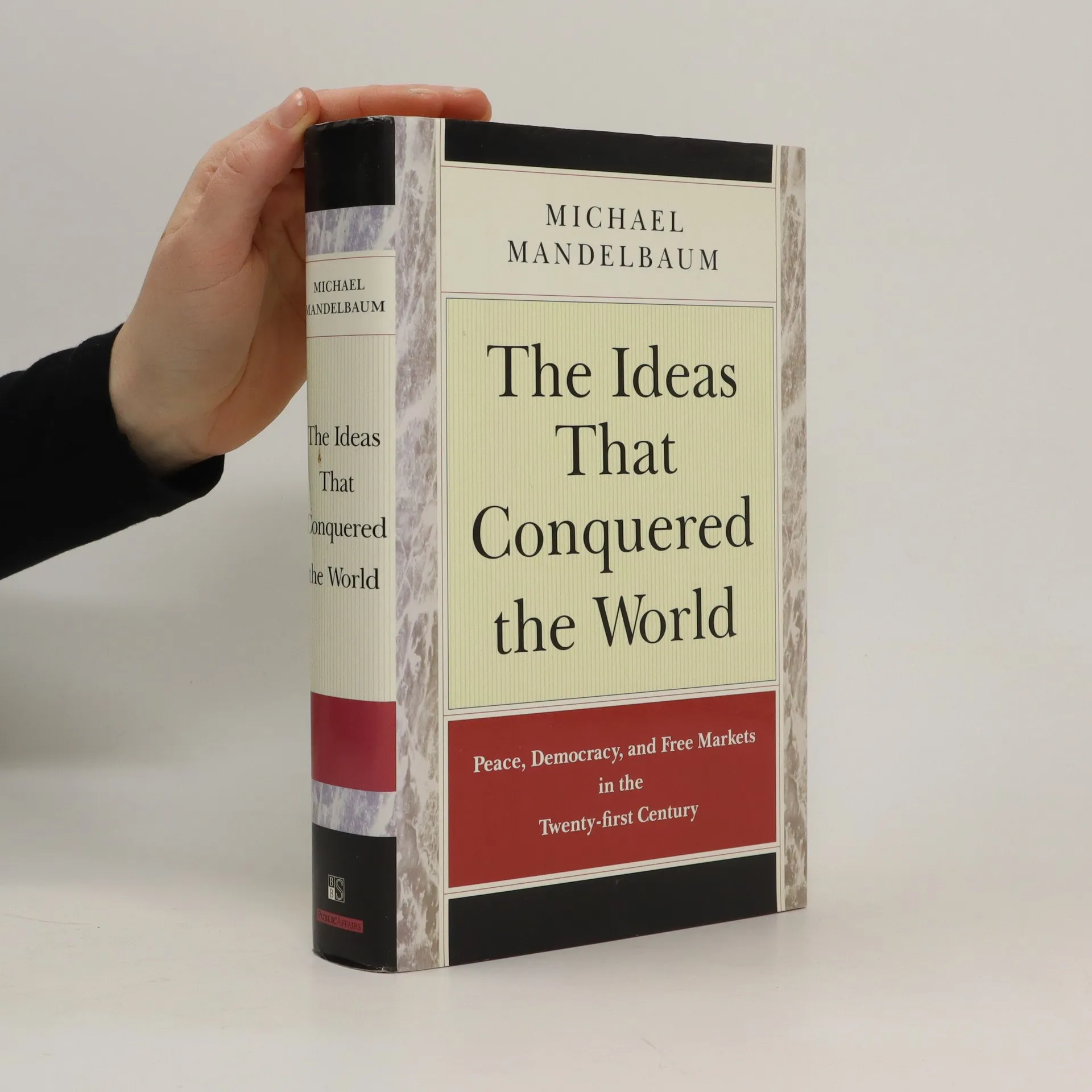
    The ideas that conquered the world: peace, democracy and free markets in the twenty-first century
    The Nuclear Revolution
    • The Nuclear Revolution

      International Politics Before and After Hiroshima

      How have nuclear weapons affected the way countries deal with one another? The Nuclear Revolution answers this question by comparing the nuclear age with previous periods of international history, from the fifth century B.C. to the twentieth century. The Nuclear Revolution offers insightful and provocative perspectives on the Soviet-American nuclear arms race, comparing it with the Anglo-German naval rivalry before World War I and with modern tariff competitions. The work also compares the advent of nuclear weapons with the two other modern revolutions in warfare: Napoleon's military innovations and the industrial warfare of World War I. It assesses the impact of nuclear armaments on the balance of power, alliances, and the behaviour of national leaders. Also included is an analysis of the differences between nuclear weapons and chemical and biological weapons of mass destruction. The concuding chapter, bringing together ideas from history, religion, and psychology, explores the effects that the threat of nuclear annihilation has on everyday life.
      The Nuclear Revolution
      5,0
    • Democracy's Good Name

      • 336pages
      • 12 heures de lecture

      The last thirty years have witnessed a remarkably rapid rise of democracies around the world. In 1975, only thirty countries were democracies. Today, 119 of the world's 190 countries are democratic. How did democracy establish itself so quickly and so widely? Why do some important countries and regions remain undemocratic? In Democracy's Good Name, Michael Mandelbaum, one of America's leading foreign policy thinkers, answers these questions. He discusses the relationship between democracy, on the one hand, and war and terrorism, on the other, and assesses the prospects for the establishment of democracy in Russia, China, and the Arab world. And he explains why the United States has found it so difficult to foster democratic governments in other countries.

      Democracy's Good Name
      3,8
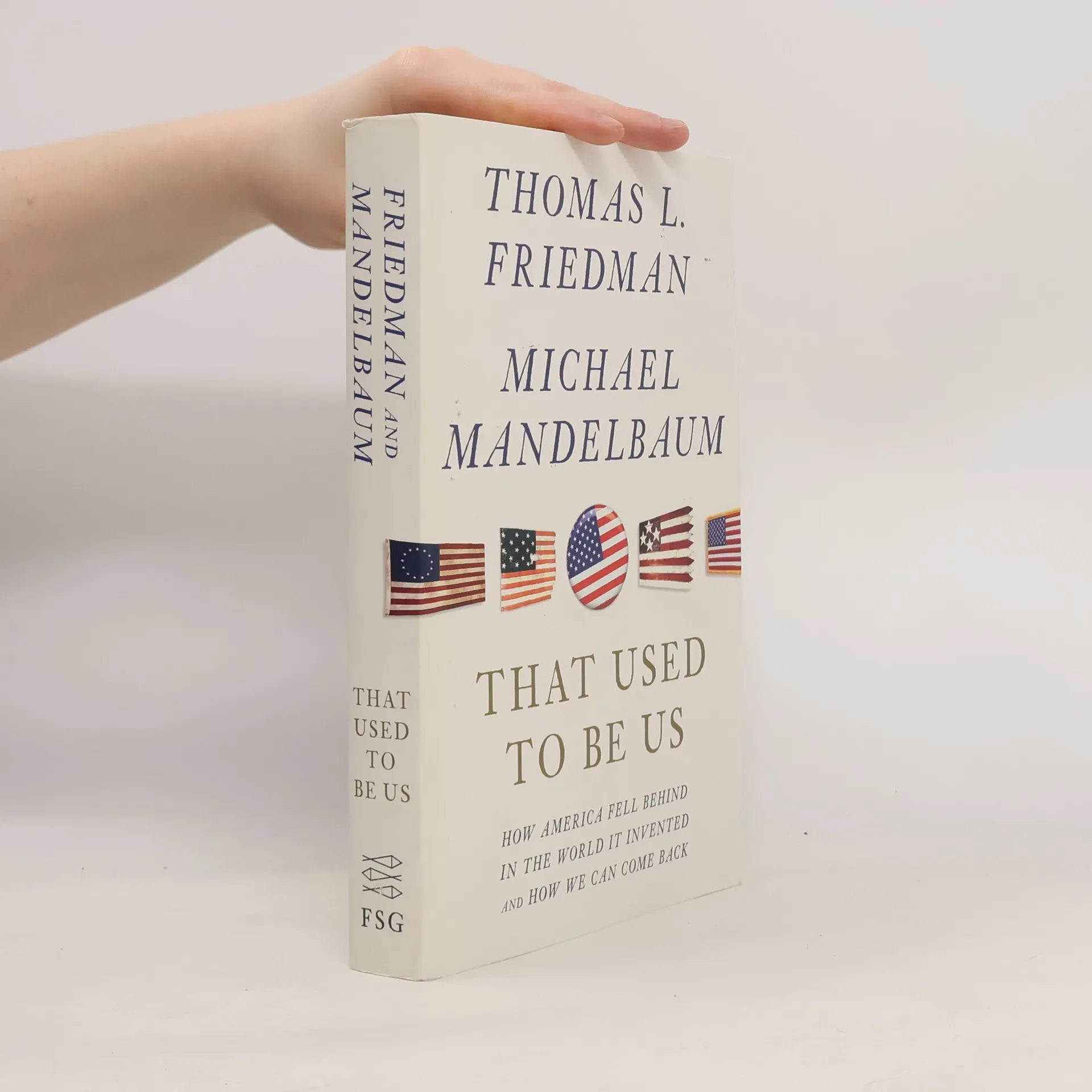
    • America has a huge problem. It faces four major challenges, on which its future depends, and it is failing to meet them. In What's Wrong with America?, Thomas L. Friedman and Michael Mandelbaum analyze those challenges - globalization, the revolution in information technology, the nation's chronic deficits, and its pattern of energy consumption - and spell out what needs to be done now to rediscover America's power and prowess. They explain how the end of the cold war blinded the nation to the need to address these issues seriously. They show how America's history, when properly understood, provides the key to coping successfully and explain how the paralysis of the US political system and the erosion of key American values have made it impossible to carry out the policies the country needs. What's Wrong with America? is both a searching exploration of the American condition today and a rousing manifesto for American renewal.

      That used to be US : what went wrong with America - and how it can come back
      3,8
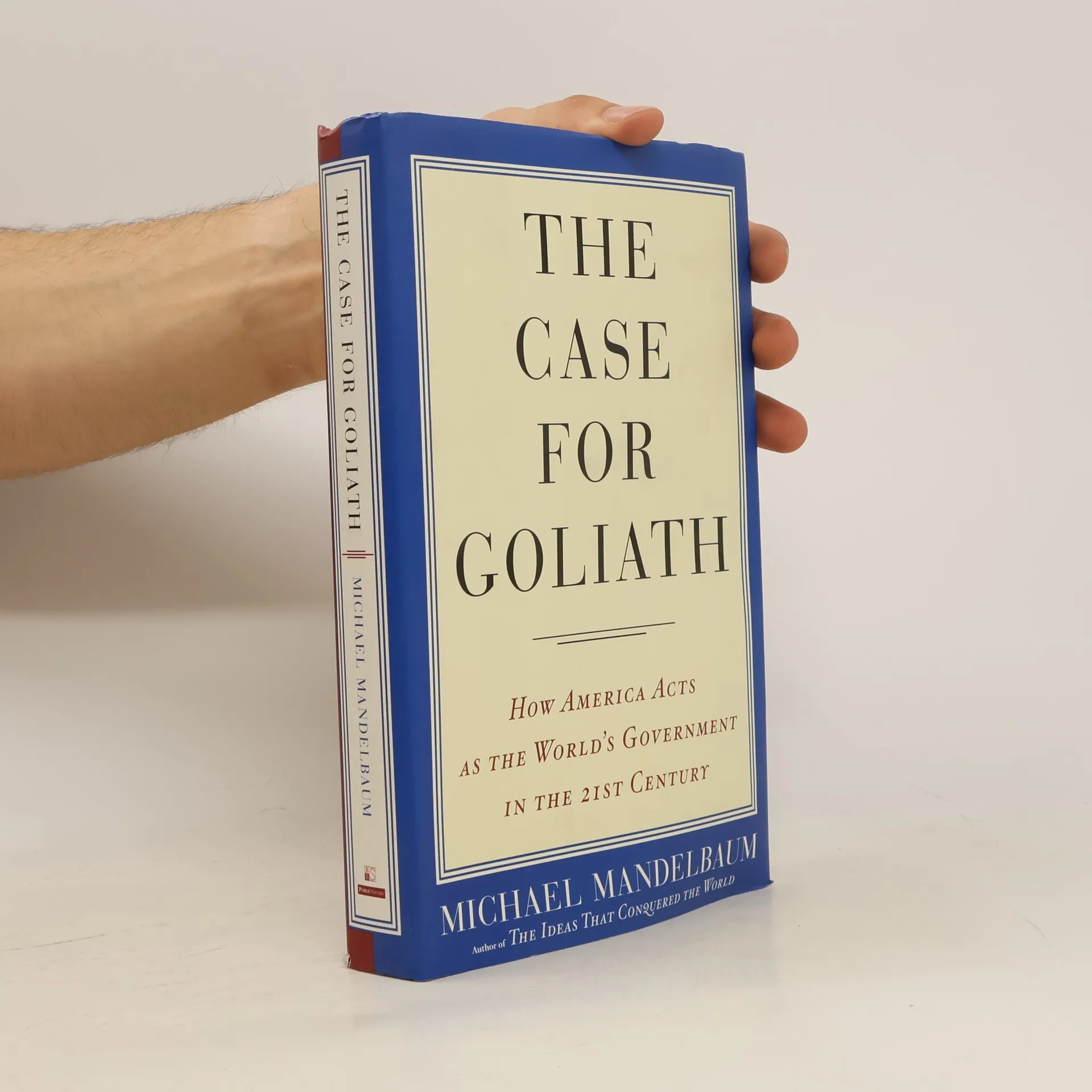
    • How does the United States use its enormous power in the world? In The Case for Goliath , Michael Mandelbaum offers a surprising The United States furnishes to other countries the services that governments provide within the countries they govern. Mandelbaum explains how this role came about despite the fact that neither the United States nor any other country sought to establish it. He describes the contributions that American power makes to global security and prosperity, the shortcomings of American foreign policy, and how other countries have come to accept, resent, and exert influence on America's global role. And he assesses the prospects for the continuation of this role, which depends most importantly on whether the American public is willing to pay for it. Written with Mandelbaum's characteristic blend of clarity, wit, and profound understanding of America and the world, The Case for Goliath offers a fresh and surprising approach to an issue that obsesses citizens and policymakers the world over, as well as a major statement on the foreign policy issues confronting the American people today.

      The Case for Goliath
      3,5
    • The Global Rivals

      • 210pages
      • 8 heures de lecture

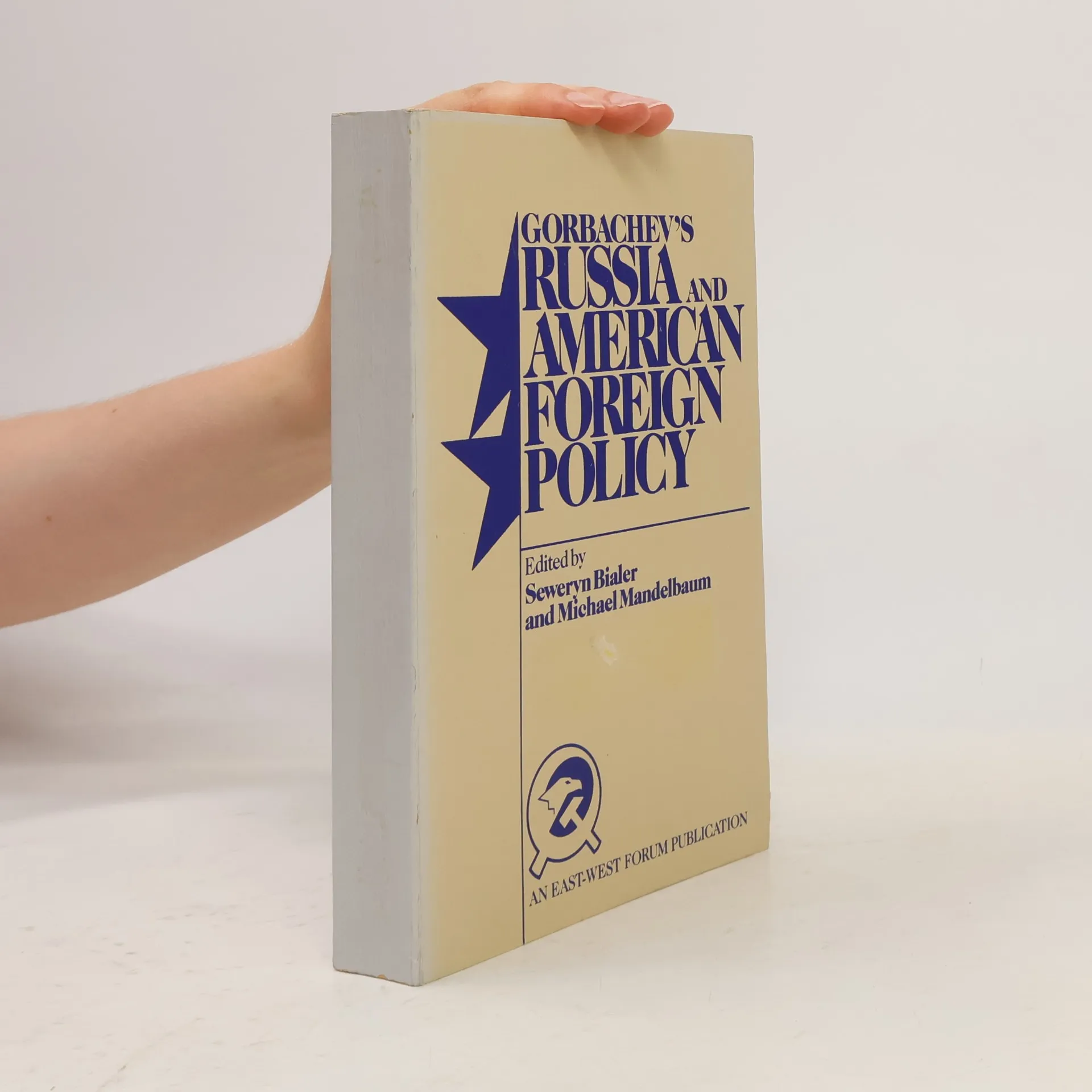
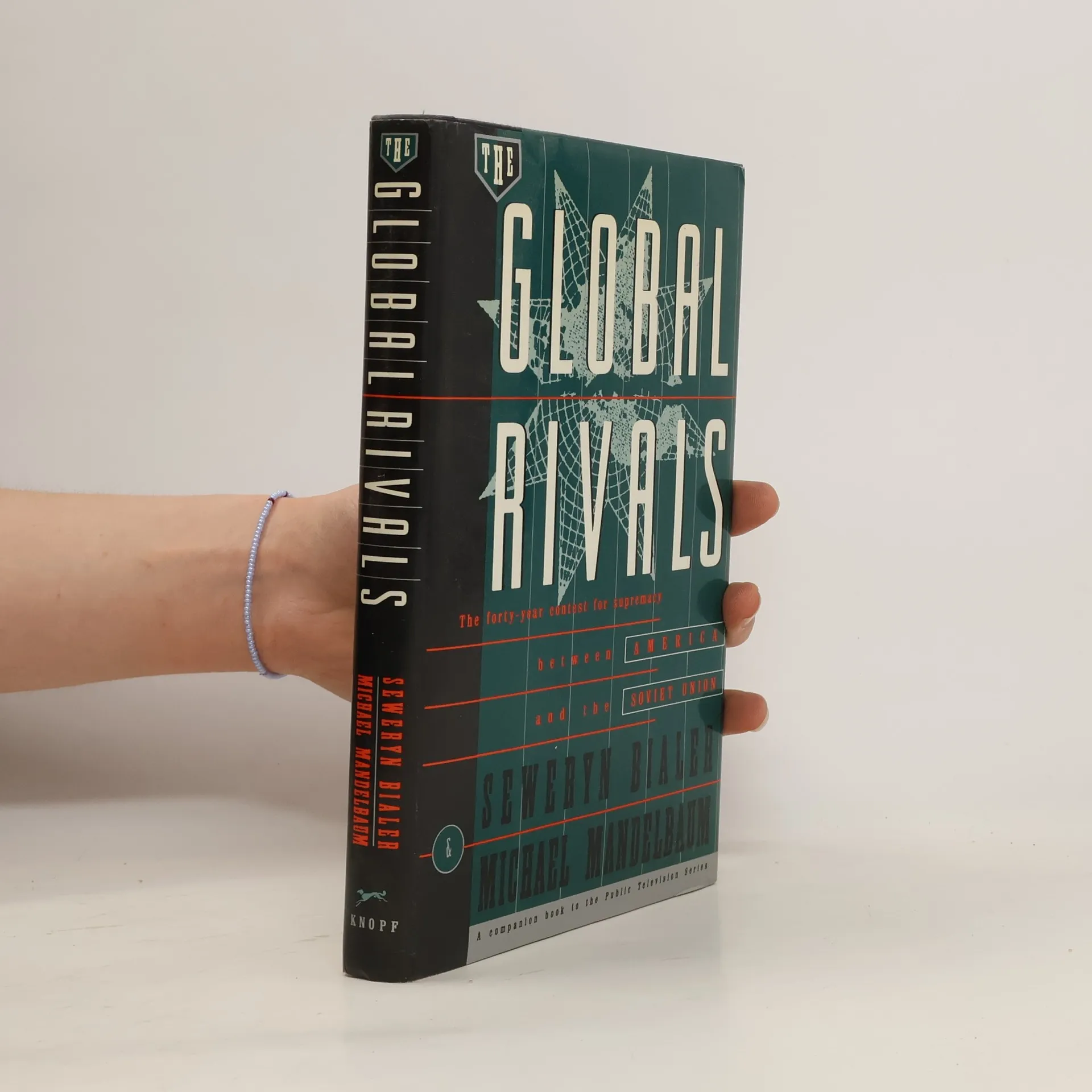
      This companion book to a four-part PBS series, The Global Rivals covers all major aspects of the changing relationship between the United States and the Soviet Union. First time in paperback.

      The Global Rivals
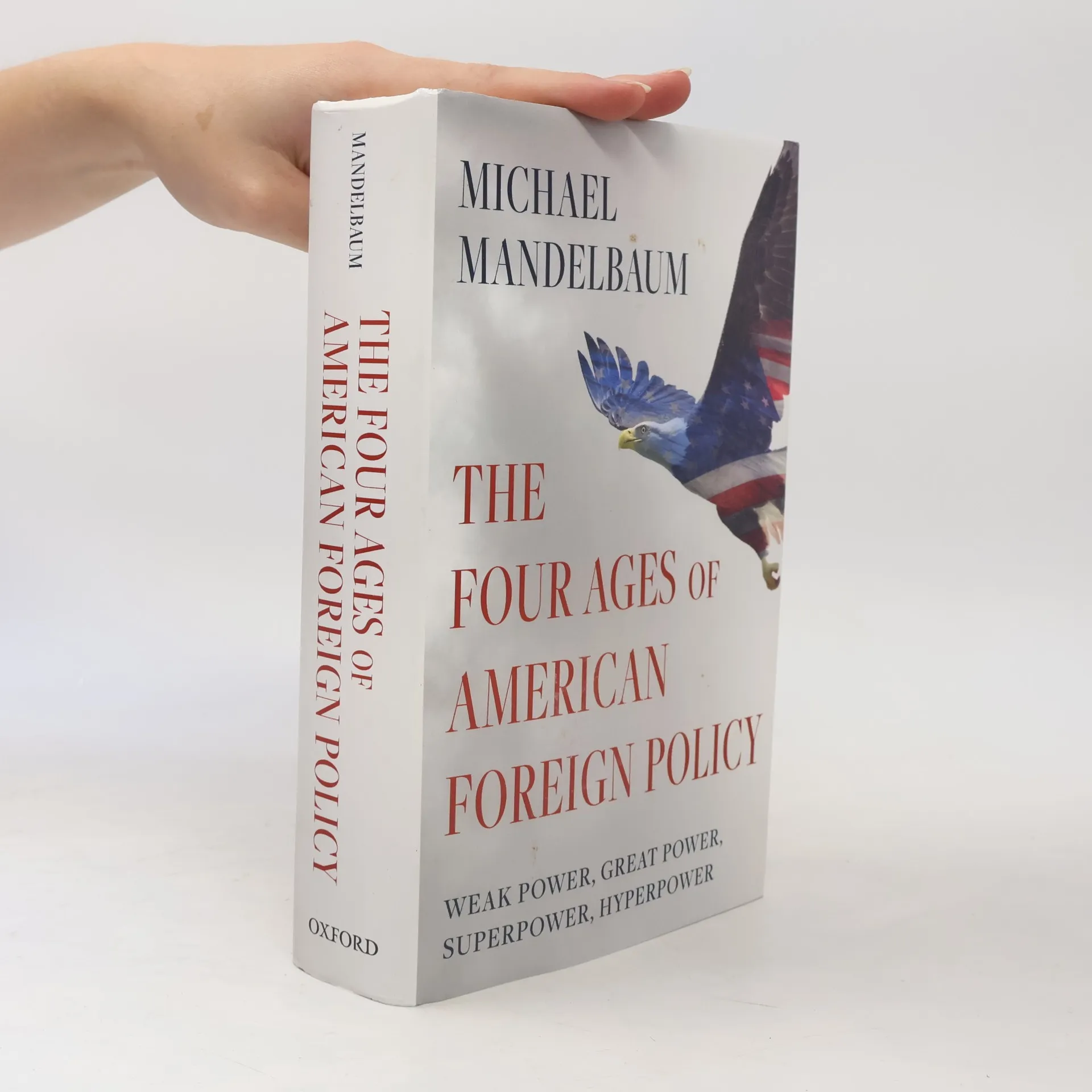
    • The Four Ages of American Foreign Policy

      Weak Power, Great Power, Superpower, Hyperpower

      • 624pages
      • 22 heures de lecture

      This framework provides a fresh perspective on the evolution of U.S. foreign policy over nearly 250 years. Originating as a collection of agrarian English colonies, the United States has transformed into the world's most powerful nation, boasting the largest economy and military. The author divides this evolution into four distinct periods, each marked by a consistent increase in American power relative to other nations. Engaging narratives highlight major events and key figures in each era, revealing fundamental continuities in the goals and methods of U.S. foreign policy. The United States is portrayed as a weak power from 1765 to 1865, a great power from 1865 to 1945, a superpower from 1945 to 1990, and finally, a hyperpower from 1990 to 2015. The author identifies three enduring features of American foreign policy: the goal of promoting cherished political ideas, the use of economic tools to achieve foreign policy objectives, and a policy formulation process influenced by public opinion. This history emphasizes that American foreign policy has been uniquely ideological, economic, and democratic. The work promises to reshape our understanding of how the U.S. rose to unprecedented global prominence.

      The Four Ages of American Foreign Policy